How Much Can I Expect My Car to Depreciate Over Time
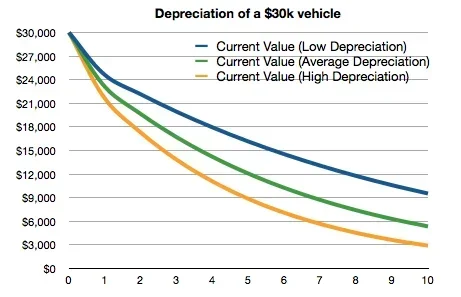
How Much Can I Expect My Car to Depreciate depends on several factors, but most vehicles lose about 15-25% of their value in the first year and roughly 60% within five years. Understanding the depreciation curve helps you make smarter buying and selling decisions. This guide breaks down the timeline, key factors, and practical tips to slow value loss.
Key Takeaways
- New cars drop fast: Expect 20% value loss in year one and up to 60% by year five.
- Mileage is a major driver: Every 10,000 miles adds noticeable depreciation.
- Brand and model matter: Some vehicles hold value much better than others.
- Maintenance records help: A full service history slows the rate of decline.
- Buying used saves money: The steepest drop already happened, so you pay less upfront.
- Depreciation can be a tax benefit: Business owners may deduct vehicle value loss.
📑 Table of Contents
- What Is Car Depreciation and Why Does It Happen?
- How Much Can I Expect My Car to Depreciate? A Year-by-Year Breakdown
- 7 Key Factors That Determine How Fast Your Car Loses Value
- How to Slow Down Your Car’s Depreciation
- When Depreciation Can Work in Your Favor
- Final Thoughts: Making Depreciation Work for You
What Is Car Depreciation and Why Does It Happen?
Car depreciation is the gradual loss of your vehicle’s worth over time. It happens the moment you drive a new car off the lot. The car depreciation rate is simply the percentage of value you shed each year. Most drivers do not think about it until trade-in time, but it is the single largest cost of car ownership.
Several forces drive this value loss. Wear and tear is obvious. The interior gets scuffed, the paint dulls, and mechanical parts age. But deeper factors are at play too. Market demand shifts, new model releases make older versions less desirable, and fuel prices change what buyers want. Even the color of your car can affect resale value. Understanding these forces is the first step to managing them.
When you ask, how much can I expect my car to depreciate, the answer is never a single number. It is a range shaped by your choices. A brand-new luxury SUV will shed value differently than a used compact sedan. The vehicle depreciation rate for each is unique. That is why a one-size-fits-all guess is dangerous. You need a clear picture of the timeline and the factors that bend it.
The Basic Idea Behind Vehicle Depreciation
Think of your car as a perishable good. A loaf of bread loses freshness the moment you buy it. A car loses resale value the moment you own it. The steepest drop happens early. The first year is often the harshest. After that, the curve flattens but never stops. This pattern is called the depreciation curve, and it applies to nearly all passenger vehicles.
New car depreciation is especially sharp. Buyers pay a premium for the latest tech, warranty, and that new-car smell. The second a previous owner takes possession, that premium evaporates. This is why many financial advisors suggest buying cars that are two to three years old. You let someone else absorb the first big hit. The used car value still declines, but at a slower pace.
New vs. Used: Where the Biggest Drop Happens
The first 12 months of ownership are brutal for new vehicles. On average, a new car loses about 20% of its value in year one. That means a $40,000 car becomes a $32,000 car before you even finish paying off the loan. This gap between what you owe and what the car is worth is called being upside down. It is a common trap for new buyers.
Used cars face a gentler slope. A three-year-old vehicle has already lost its fastest chunk of value. The car depreciation after 3 years is typically around 30-40% from the original price. From year three to year five, the loss slows to about 10-15% per year. So buying a used car with 30,000-40,000 miles can be a smart financial move. You avoid the steepest part of the curve and still get years of reliable service.
How Much Can I Expect My Car to Depreciate? A Year-by-Year Breakdown
The numbers below give a general idea of what to expect. Your exact results will vary based on the factors we cover next. Use these figures as a baseline, not a guarantee. A car depreciation calculator can give you a more precise estimate for your specific model.
| Vehicle Age | Average Value Loss (vs. New) | What This Means |
|---|---|---|
| Brand New | 0% (MSRP) | You pay the full sticker price. |
| 1 Year Old | 15-25% | The steepest single-year drop occurs. |
| 3 Years Old | 30-45% | Still relatively modern with low miles. |
| 5 Years Old | 50-60% | Value loss slows but continues. |
| 10 Years Old | 70-85% | Only the most durable models hold value. |
Year-by-Year Depreciation Breakdown
Let us walk through a typical timeline. Imagine you buy a new sedan for $30,000.
- Year 1: Value drops to roughly $24,000. That is a $6,000 loss in 12 months.
- Year 2: Another 15% drop brings the value to about $20,400.
- Year 3: The car is now worth around $17,000. Total loss is $13,000.
- Year 4-5: Each year adds a smaller loss, maybe $1,500-$2,000.
- Year 10: The vehicle might be worth $4,500-$6,000, assuming it was well maintained.
The car depreciation per mile also matters. If you drive 15,000 miles a year, the wear accelerates. A car with 100,000 miles at year five will be worth less than one with 60,000 miles. Buyers look at mileage as a proxy for remaining life.
Depreciation Comparison Table: Sedan vs. SUV vs. Luxury
Not all vehicles lose value at the same speed. The table below shows average depreciation for different segments.
| Vehicle Type | Year 1 Loss | Year 3 Loss | Year 5 Loss | Year 10 Loss |
|---|---|---|---|---|
| Midsize Sedan | 20% | 40% | 55% | 80% |
| Compact SUV | 18% | 38% | 52% | 78% |
| Full-Size Truck | 15% | 32% | 48% | 72% |
| Luxury Sedan | 25% | 48% | 65% | 85% |
| Electric Vehicle | 22% | 42% | 58% | 75% |
Trucks and full-size SUVs often hold value better than sedans. Luxury brands drop the fastest because the initial cost is high and maintenance expenses scare buyers. Electric vehicle depreciation is a moving target. Battery health concerns and rapidly improving tech make older EVs less attractive. However, popular models with strong battery warranties are narrowing the gap.
Fastest and Slowest Depreciating Cars
Some brands bleed value like a leaky bucket. Luxury sports cars, certain imported sedans, and models with frequent recall issues tend to fall fastest. On the other hand, slowest depreciating cars include Toyota Tacoma, Jeep Wrangler, and Honda Civic. These vehicles have strong resale demand, proven reliability, and loyal buyer pools. If you want to minimize loss, picking a model known for holding value is a powerful strategy.
7 Key Factors That Determine How Fast Your Car Loses Value
Now that you see the numbers, let us explore what actually controls them. The factors affecting car depreciation are a mix of things you can and cannot control. I group them into three buckets: the car itself, how you use it, and the outer market.
1. Mileage and Wear and Tear
Odometer reading is the #1 value killer. Every mile brings the car closer to mechanical failure in a buyer’s eyes. A car with 150,000 miles at year eight will be worth far less than one with 90,000 miles. Interior condition matters too. Stained seats, cracked dashboards, and smoke smells can slash trade-in value by thousands. Keep your car clean and address small issues before they become big ones.
2. Brand Reputation and Market Demand
Toyota and Honda consistently rank at the top for resale value. Their reputation for reliability creates strong used-car demand. When a brand has a loyal following, buyers compete for older models, which slows the vehicle depreciation rate. Luxury brands, exotic cars, and niche models often suffer from low demand in the used market. Supply and demand rules everything, including your car’s worth.
3. Fuel Type and Running Costs
Gas prices swing the pendulum. When fuel costs spike, efficient cars and hybrids hold value better. Trucks and SUVs lose favor during high-price periods. Electric vehicle depreciation is influenced by charging infrastructure, battery range, and government incentives. A model with a long range and a strong warranty network will retain value longer than one with frequent battery concerns.
4. Vehicle Age and Model Generation
New model releases make older versions less desirable. A 2022 car suddenly looks outdated when a 2023 model arrives with fresh tech. This is especially true for infotainment systems and safety features. The car age mileage depreciation link is strong. A three-year-old car with updated tech can still command a premium over a five-year-old version of the same model.
5. Service History and Maintenance Records
A complete service record is gold. Buyers trust a car that has been oiled, inspected, and repaired on schedule. Missing records raise red flags. You can dramatically slow car depreciation by keeping every receipt and using authorized dealers or trusted shops. A car depreciation calculator often assumes average maintenance, but a well-documented car beats that average easily.
6. Color and Optional Features
Unusual colors like bright orange or purple can shrink the buyer pool. Neutral shades—white, black, silver, gray—sell faster and hold value better. Options like leather seats, sunroof, and advanced driver aids add appeal, but they do not always add proportional resale value. Some buyers prefer simpler, less expensive trims.
7. Economic Conditions and Seasonality
Recessions, chip shortages, and fuel crises all shake the used-car market. In a tight supply market, depreciation slows because demand outpaces new inventory. Season matters too. Convertibles sell better in spring and summer. Four-wheel-drive trucks command higher prices in snowy regions during winter. Timing your sale to match seasonal demand can squeeze out extra value.
Common Mistakes That Speed Up Depreciation
Many owners unknowingly accelerate value loss. Here are the top errors to avoid.
- Skipping regular oil changes: Neglecting basic service signals poor care to future buyers.
- Ignoring small dents and scratches: They compound into a worn-out appearance.
- Modifying the car heavily: Aftermarket wheels, loud exhausts, and lowered suspensions narrow the audience.
- Driving aggressively: Hard braking and rapid acceleration wear out brakes, tires, and the engine faster.
- Letting mileage pile up: High annual miles crush resale value.
Quick Tips to Protect Your Car’s Value
Small habits add up to big savings.
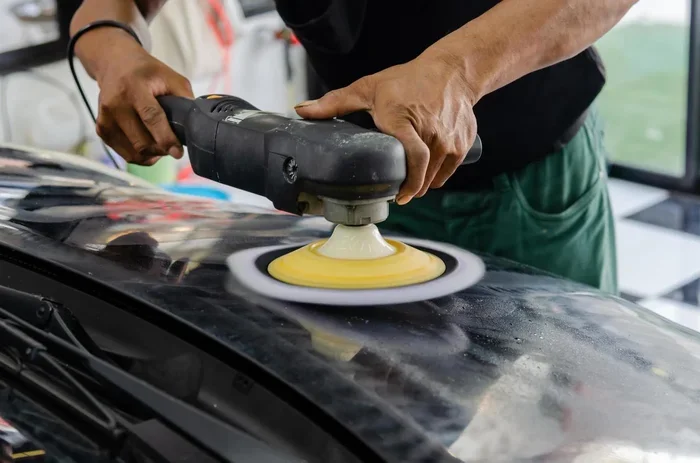
- Wash and wax the exterior regularly to preserve paint.
- Use a sunshade to protect the interior from UV damage.
- Keep mileage low by combining errands into single trips.
- Fix minor issues immediately before they become costly repairs.
- Store the car in a garage whenever possible.
How to Slow Down Your Car’s Depreciation
You cannot stop depreciation entirely, but you can slow it. The goal is to minimize the car value loss over your ownership period. Smart owners treat their vehicles like long-term investments.
Maintenance and Service Records
Follow the manufacturer’s maintenance schedule to the letter. Change the oil, rotate the tires, and replace filters on time. Keep every receipt in a folder or a digital app. When it is time to sell, you can hand over a binder of records. That builds instant trust and often justifies a higher asking price.
Keep Mileage Low and Drive Gently
The car depreciation per mile is real. If you can, limit your annual mileage to under 10,000 miles. Smooth acceleration and gentle braking reduce wear on the drivetrain. Avoid short trips that let the engine sit cold, which causes extra condensation and corrosion. A car with 40,000 miles at year five looks and runs years younger than one with 80,000 miles.
Avoid Modifications and Keep It Stock
Aftermarket parts are fun, but they reduce the pool of willing buyers. A stock car with clean lines appeals to the widest audience. If you must modify, choose reversible changes and keep the original parts. When selling, reinstall the factory components. This simple step can boost your resale value noticeably.
Choose the Right Vehicle from the Start
Before you buy, research the slowest depreciating cars in your budget. Consumer Reports and Kelley Blue Book publish annual lists. Pick a model known for reliability and strong used-car demand. A slightly higher upfront cost often pays back many times over in retained value. This is the single most powerful move you can make.
Expert Insight: What the Numbers Tell Us
“The best way to beat depreciation is to buy vehicles that already lost their steepest drop,” says automotive analyst Mark Roberge. “A three-year-old certified pre-owned car gives you nearly all the modern features at half the initial price loss. You then own it for years as the decline flattens.” This approach aligns with the financial principle of minimizing the biggest cost first. It is the same logic that makes buying used a smart move for many households.
When Depreciation Can Work in Your Favor
Depreciation sounds like a pure negative, but it has a bright side. Smart buyers and business owners can turn value loss into a financial advantage.
Business Tax Deductions and Write-Offs
If you use a vehicle for business, the IRS allows you to deduct depreciation. Sole proprietors, LLC members, and self-employed individuals can write off a portion of the value loss each year. This reduces taxable income. The Section 179 deduction and bonus depreciation rules make it even more attractive for new business vehicles. Always consult a tax professional, but the car depreciation tax deduction is a legitimate way to offset ownership costs.
The Sweet Spot: Buying Used to Save Money
The steepest part of the depreciation curve happens in the first three years. By buying a car that already passed this phase, you avoid the biggest percentage loss. You pay the used car value rather than the new-car premium. The car ownership cost drops because insurance is cheaper on older models and registration fees are often lower. You still get a reliable machine, and the remaining value loss is slower and more predictable.
Leasing as a Depreciation Strategy
Leasing transfers the depreciation risk to the manufacturer or lease company. You pay for the value you use during the lease term, typically 2-3 years. At the end, you simply return the car. No selling hassle, no surprise value drop. This works well for people who enjoy driving a new vehicle every few years and want predictable monthly costs. The vehicle depreciation rate is baked into your lease payment, and you do not have to worry about it.
Final Thoughts: Making Depreciation Work for You
How Much Can I Expect My Car to Depreciate is a question with a clear answer: a lot, but the exact amount is in your hands. The car depreciation rate is not a fixed law. It is a mix of your car choice, your driving habits, and your maintenance discipline. You now have the timeline, the factors, and the strategies to protect your investment.
Remember, the goal is not to eliminate value loss—that is impossible. The goal is to make informed decisions that minimize unnecessary drops. Buy the right vehicle, care for it meticulously, and time your sale to match market demand. Whether you keep a car for a decade or sell after three years, understanding car depreciation puts you ahead of most drivers. You will save money, feel more confident at the negotiation table, and ultimately get more value from every mile you drive.
Take these insights and apply them on your next purchase. The car depreciation after 5 years number will look very different for you than for someone who ignored these tips. Start today, and let your car work harder for you in the long run.
Frequently Asked Questions
How much does a new car depreciate in the first year?
Most new cars lose between 15% and 25% of their value in the first year. That means a $30,000 vehicle could be worth $22,500 to $25,500 by the time you drive it off the lot and for the next 12 months. The exact car depreciation rate depends on the brand, model, and how quickly you put miles on it.
Which vehicles hold their value the best?
Trucks, Jeeps, and Toyota and Honda models consistently rank as the slowest depreciating cars. These vehicles have strong resale demand, proven reliability, and loyal buyer pools. If you want to minimize vehicle value loss, picking one of these brands is a smart move.
Can I deduct car depreciation on my taxes?
Yes, if you use the vehicle for business, you may qualify for a car depreciation tax deduction. The IRS allows you to write off a portion of the value loss each year. Rules vary for leased vs. owned vehicles and for business-use percentages. Always check with a tax advisor to maximize your benefit.
Does car color affect depreciation?
It has a small but real impact. Neutral colors like white, black, silver, and gray sell faster and hold value better than bold or unusual hues. A car depreciation calculator might not factor in color directly, but market demand for popular shades does influence the final resale value.
Is buying a used car a good way to avoid depreciation?
Buying used is one of the best strategies to reduce the sting of car depreciation. The steepest drop already happened in the first three years, so you pay less upfront. You then own the vehicle as the depreciation curve flattens, meaning slower value loss and more money in your pocket when you eventually sell.
How does mileage affect car value?
Mileage is one of the biggest factors affecting car depreciation. Higher odometer readings signal more wear and a shorter remaining lifespan. A car with 100,000 miles at five years old will be worth significantly less than a similar car with 60,000 miles. Keeping annual miles low is a powerful way to protect your trade-in value.