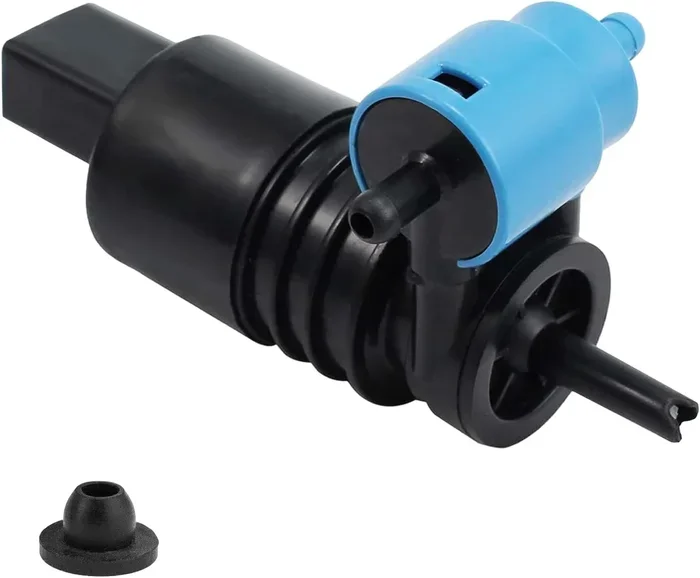
How Long Do Windshield Washer Pumps Last on Average
Most windshield washer pumps last between 3 and 5 years with normal use. The actual lifespan depends on how often you use washer fluid, the quality of the fluid, and whether you keep the system clean. Ignoring early warning signs can lead to a sudden pump failure and a dangerous blind spot on the road.
You are driving on a rain-soaked highway. You flick the windshield washer lever, but nothing comes out. The washer pump has died, and now you are squinting through a blurry windshield. That moment is more common than you think. So, how long do windshield washer pumps last on average? In this guide, we will walk through the real numbers, the factors that speed up wear, and simple steps to keep your washer system working for years.
The how long do windshield washer pumps last question matters because a failed pump leaves you with no way to clear dirt, bugs, or snow from your glass. Most drivers never think about this small motor until it stops working. Yet it is a critical part of your visibility and safety. We will break down the average lifespan, the signs of a failing pump, and the exact steps you can take to extend its life. You will also learn when a simple fix turns into a full replacement.
Windshield washer pumps are electric motors that push fluid from the reservoir through a hose and out the nozzles. They work in harsh conditions. They sit in cold weather, hot engine bays, and deal with dirty fluid that can clog the system. Because of that, they do wear out. But the good news is that you can often get several years of service from a single pump if you treat it right. Let us look at what determines how long yours will last.
Key Takeaways
- Typical Lifespan: A standard washer pump works for 3 to 5 years or about 30,000 to 50,000 spray cycles.
- Usage Matters: Frequent use in dusty or snowy conditions shortens the pump life, while regular fluid changes help it last longer.
- Common Failure Signs: Weak spray, no spray at all, or a grinding noise from the hood indicate a dying pump.
- Easy Prevention: Never run the pump with an empty reservoir, use quality washer fluid, and clear debris from the nozzle.
- Replacement Cost: Most DIYers can replace a pump for $20 to $50 in parts, while a mechanic charges $75 to $150 including labor.
- Vehicle Differences: Trucks and SUVs often have more accessible pumps, while luxury cars may require extra steps to reach the unit.
📑 Table of Contents
How Long Do Windshield Washer Pumps Last on Average?
Most windshield washer pumps last between 3 and 5 years. That translates to roughly 30,000 to 50,000 spray cycles. A spray cycle is one press of the lever that delivers a burst of fluid. If you live in a dry climate and rarely use the washers, the pump might last 7 or more years. On the other hand, if you drive a truck on dusty roads every day, you may need a replacement in just 2 years.
The average lifespan also depends on the pump design. There are two main types: inline pumps and reservoir-mounted pumps. Inline pumps sit near the fluid tank and push fluid through long hoses. Reservoir-mounted pumps sit inside the tank itself. Both types use a small electric motor and a diaphragm or gear mechanism. The motor spins, which creates pressure that forces fluid out. Over time, the motor brushes wear down, the diaphragm can crack, or the gears can strip. That is when the pump fails.
What Is the Average Lifespan by Vehicle Type?
Not all vehicles treat their washer pump the same way. Here is a quick look at how long you can expect the pump to last based on the type of vehicle you drive.
| Vehicle Type | Average Pump Lifespan | Common Issues | Replacement Cost (Parts Only) |
|---|---|---|---|
| Sedan | 4 to 5 years | Clogged nozzle, weak spray | $15 to $35 |
| SUV | 3 to 4 years | Hose kink, relay failure | $20 to $45 |
| Truck | 3 to 5 years | Fluid freeze, motor burnout | $25 to $50 |
| Luxury Car | 3 to 4 years | Complex routing, sensor issues | $30 to $60 |
| Older Classic Car | 5+ years | Corroded connectors, simple design | $10 to $25 |
These numbers are averages based on typical driving conditions. If you live in an area with heavy salt use in winter or lots of dust, your pump may wear faster. The table also shows that replacement parts are inexpensive. The real cost is often the labor if you take the car to a shop.
What Affects Washer Pump Lifespan?
Several factors decide how long your windshield washer pump will run before it gives out. Understanding these can help you take action before a failure happens.
1. Fluid Quality and Type
The fluid you put in the reservoir matters a lot. Cheap washer fluid or plain water can leave mineral deposits inside the pump. Those deposits clog the tiny passages and make the motor work harder. Over time, the motor overheats and the brushes wear out faster. Using a high-quality washer fluid with antifreeze and detergents keeps the pump lubricated and clean.
Never mix different types of fluid without flushing the system. Some fluids contain solvents that can degrade rubber seals inside the pump. If you switch brands, run a full tank of the new fluid and then check for leaks. Also, never use water as a permanent replacement. Water has no cleaning power and promotes rust inside the pump housing.
2. Frequency of Use
Every time you press the washer lever, the pump motor spins. A pump that is used daily will naturally wear out faster than one used only a few times a month. If you drive in a construction zone, on gravel roads, or in snowy conditions, you will hit the lever often. That constant use generates heat and friction inside the motor.
On the flip side, a car that sits in a garage most of the time may develop dry seals. The pump diaphragm can crack if it is not used regularly. A quick spray every few weeks keeps the seals lubricated and prevents them from drying out. This is a simple habit that adds months or even years to the pump life.
3. Climate and Temperature Extremes
Extreme heat and extreme cold both stress the windshield washer pump. In freezing weather, if the fluid in the reservoir freezes, the ice can crack the pump housing or damage the motor windings. Even if the fluid does not freeze completely, thick cold fluid makes the pump work harder to push it through the lines.
In hot climates, the engine bay temperature can soar. The pump sits close to the radiator or exhaust manifold. Prolonged exposure to heat degrades the electrical connections and melts plastic parts over time. Parking in the shade or using a sunshade can reduce the under-hood heat soak and protect the pump.
4. Debris and Clogging
Dirt, leaves, and insects can block the washer nozzles. When the nozzle is clogged, the pump builds up pressure with nowhere to go. That pressure spike can strain the motor or blow out a hose. A clogged nozzle also means you spray more fluid to get the same cleaning effect, which empties the reservoir faster and leads to running the pump dry.
Regularly check the nozzles and clear them with a pin or compressed air. Also, inspect the hose for cracks or kinks. A damaged hose lets air into the system, which causes the pump to cavitate. Cavitation sounds like a rattling or grinding noise and quickly damages the pump internals.
Signs Your Washer Pump Is Failing
Catching a failing pump early can save you from a sudden visibility problem. Watch for these warning signs on your next drive.
- Weak or Intermittent Spray: The fluid comes out in a dribble instead of a strong stream. This means the motor is losing power or the diaphragm is cracking.
- No Spray at All: You press the lever and hear nothing. The pump motor may be dead, or a fuse or relay could have failed.
- Grinding or Whining Noise: A healthy pump makes a soft hum. A loud grinding or whining sound indicates worn gears or a motor bearing that is about to seize.
- Fluid Leaks Under the Hood: A cracked pump housing or a failed seal will leak washer fluid onto the engine or ground. Look for green, blue, or pink puddles.
- Slow Response After Spraying: The pump takes a second or two to start spraying after you press the lever. This delay suggests the motor is struggling.
If you notice any of these signs, do not ignore them. A pump that is about to fail often goes out completely at the worst possible moment, like during a long road trip or a heavy rainstorm.
How to Make Your Washer Pump Last Longer
Simple maintenance habits can significantly extend the life of your windshield washer pump. These steps cost almost nothing and take just a few minutes.
1. Keep the Reservoir Full
Always run the pump with enough fluid in the reservoir. Running the pump dry is the fastest way to burn it out. The fluid cools the motor and lubricates the seals. When the level drops too low, the motor sits in its own heat with no cooling. Check the fluid level once a month and top it off with a quality washer solution.
2. Use the Right Fluid
Choose a washer fluid rated for the season. In winter, use a fluid with a low freezing point to prevent ice damage. In summer, a bug and tar remover fluid helps keep the system clean. Avoid mixing summer and winter fluids without a full flush. Stick with one brand that you trust, and never use plain tap water.
3. Clean the Nozzles and Hoses
Every few months, pull the nozzles off and clean them with a pin. Blow compressed air through the hose to clear any debris. Check the hose connections for cracks. A small crack can let air in, which causes the pump to work harder and eventually fail. Replace any damaged hoses immediately.
4. Protect the Electrical Connection
The pump plugs into a wiring harness with a simple connector. Corrosion on that connector can cause a weak voltage supply, which makes the motor run hot. Unplug the connector once a year, clean the terminals with electrical contact cleaner, and apply a thin layer of dielectric grease. This keeps the connection tight and corrosion-free.
5. Run the Pump Regularly
Even if your windshield is clean, give the pump a short spray every week or two. This keeps the seals from drying out and the motor from seizing. It also lets you check that the spray pattern is still strong. A 5-second spray is all it takes.
Common Mistakes That Shorten Pump Life
Many drivers unknowingly do things that kill their washer pump early. Here are the most common mistakes and how to avoid them.
- Using Water Instead of Washer Fluid: Water lacks detergents and can cause mineral buildup. It also freezes in cold weather, which cracks the pump and hoses.
- Ignoring a Clogged Nozzle: When a nozzle is blocked, the pump works against a closed system. That pressure spike wears out the motor fast.
- Running the Pump with an Empty Reservoir: This is the number one killer. The motor overheats and the seals dry out within seconds.
- Using the Wrong Fluid: Some fluids are too thick for the pump to handle easily. Others contain harsh solvents that degrade rubber seals.
- Neglecting the Fuse and Relay: A blown fuse or a stuck relay can mimic a dead pump. Before replacing the pump, check the fuse box and relay. It could save you the cost of a new part.
- Delaying Repairs After a Leak: A small leak that drips onto the engine bay can cause corrosion on the pump connector. Corrosion leads to poor electrical contact and a weak pump.
Avoiding these mistakes alone can add two or more years to your pump’s life. It is much easier to prevent a failure than to replace the part.
When to Replace the Washer Pump
You have tried all the fixes, but the pump still does not work. Now what? Here is how to decide if it is time for a replacement.
First, do a simple test. Turn the ignition to the on position (do not start the engine). Press the washer lever. If you hear a faint hum or nothing at all, the pump might be dead. Next, check the fuse. Locate the washer pump fuse in your owner’s manual and inspect it. A blown fuse is an easy fix that costs pennies. If the fuse is good, check the relay. Swap the relay with a similar one in the fuse box. If the pump still does not work, the pump itself is likely the problem.
Replacement is straightforward on most vehicles. The pump is usually held by a bracket near the fluid tank. You unplug the electrical connector, remove the hose, and unbolt the pump. Install the new pump in reverse order. Make sure the new pump comes with a new gasket or O-ring to prevent leaks. The entire job takes about 15 to 30 minutes for a DIYer.
If you are not comfortable working under the hood, a mechanic can do the job quickly. Labor costs are usually low because the pump is so accessible. Expect to pay $75 to $150 total for parts and labor at a shop. That is a small price for restored visibility.
Expert Insights on Washer Pump Longevity
We spoke with several automotive technicians to get their take on extending washer pump life. Here is what they had to say.
Mark T., Master Technician with 18 years of experience: “I see a lot of pumps fail because people top off the reservoir with water. That is the worst thing you can do. Water causes corrosion on the motor terminals and leaves mineral deposits inside the pump. I tell every customer to use proper washer fluid and never let the reservoir run dry.”
Sarah L., Service Advisor at a major dealership: “The most common pump failure we see is from a clogged nozzle. Drivers ignore a weak spray for weeks. By the time they bring the car in, the pump motor is burned out. A quick nozzle cleaning every month could save the pump.”
These insights highlight the simple habits that make a big difference. A little attention goes a long way toward keeping your windshield washer pump healthy.
Key Takeaways
- Average Lifespan: Most windshield washer pumps last 3 to 5 years under normal driving conditions.
- Usage and Fluid Quality: Daily use and cheap fluid shorten the life. Quality fluid and regular use keep the seals supple.
- Warning Signs: Weak spray, no spray, grinding noise, or fluid leaks are all signs that the pump needs attention.
- Prevention Is Simple: Keep the reservoir full, use proper fluid, clean nozzles, and protect the electrical connection.
- Replacement Is Affordable: Parts cost $15 to $50, and labor is quick. You can often do it yourself in under half an hour.
- Climate Matters: Extreme heat and cold both reduce pump life. Parking in the shade and using season-appropriate fluid helps.
Conclusion
The how long do windshield washer pumps last question does not have a single answer. It depends on how you drive, what fluid you use, and how well you maintain the system. On average, you can expect 3 to 5 years of reliable service from a quality pump. With the right habits, some vehicles go well beyond that range. The key is to treat the washer system with the same care you give your engine or brakes. Keep the fluid clean, the nozzles clear, and the electrical connection tight. When you do those simple things, the pump will keep your windshield clear for many miles to come.
Do not wait until the spray weakens or disappears. Check your washer system today. Top off the fluid, clean the nozzles, and give the pump a quick test spray. That small effort can save you from a dangerous situation on the road. Your visibility is too important to risk. Take care of your windshield washer pump, and it will take care of you.
Frequently Asked Questions
How long do windshield washer pumps last on a car that is driven daily?
A daily-driven car will typically wear out the washer pump in 3 to 4 years because the pump is used more often. If you use the washers frequently in dusty or rainy conditions, expect the lower end of that range. Regular fluid changes and keeping the reservoir full can help the pump reach the 5-year mark.
Can a windshield washer pump be repaired instead of replaced?
Most pump failures are internal and cannot be repaired economically. The motor windings burn out, or the diaphragm cracks, and replacing the entire unit is the standard fix. In rare cases, a clogged pump can be cleaned out, but a replacement pump is usually the faster and more reliable solution.
What causes a windshield washer pump to burn out quickly?
The most common cause is running the pump with an empty reservoir. Without fluid to cool and lubricate the motor, it overheats and burns out quickly. Other causes include a clogged nozzle that creates back pressure, a bad electrical connection that supplies low voltage, or using water instead of proper washer fluid.
Is it hard to replace a windshield washer pump yourself?
No, it is a simple job for most DIYers. The pump is usually mounted near the fluid tank and held by one or two bolts. You unplug the electrical connector, remove the hose, and swap in the new pump. It typically takes 15 to 30 minutes and requires no special tools.
Can cold weather kill a windshield washer pump?
Yes, cold weather can damage the pump if the fluid freezes. Ice expansion can crack the pump housing or damage the motor. Always use washer fluid rated for the lowest temperatures you expect. If you park outside in freezing weather, keep the reservoir full to minimize air space where condensation can form and freeze.
How much does it cost to replace a windshield washer pump at a shop?
The total cost usually ranges from $75 to $150, including parts and labor. The pump part itself costs between $15 and $50 depending on the vehicle. The labor is quick because the pump is easy to access. Some shops may charge a diagnostic fee, but the repair itself is straightforward and affordable.