Car Wont Start With New Battery Here Is How to Fix It
A car that won’t start with a new battery is frustrating but usually fixable. The most common causes include corroded terminals, a faulty starter motor, a drained alternator, or a security system glitch. This guide walks you through every likely reason and gives you clear, step-by-step solutions to get back on the road fast.
You just installed a shiny new battery. You feel proud. You turn the key. Nothing happens. No cranking. No click. Just silence. If your car won’t start with new battery, you are not alone. This happens to thousands of drivers every year, and it is almost always fixable. The good news is that most causes are simple and inexpensive to repair. In this guide, we will walk through every possible reason and give you clear steps to solve the problem. Whether you are a beginner or a seasoned DIYer, you will find practical help here.
A new battery should mean trouble-free driving. But the truth is, a fresh battery does not guarantee a working start. There are many moving parts involved in turning your key and firing up the engine. A problem anywhere in that chain can mimic a bad battery. That is why it is so important to troubleshoot the whole system. Let us dive in and figure out why your car won’t start with new battery and what you can do about it.
Key Takeaways
- Check the battery terminals: Corrosion or loose connections are the #1 reason a new battery fails to start your car.
- Test the starter motor: A bad starter can prevent ignition even with a fully charged dead battery replacement.
- Inspect the alternator: If the alternator is failing, it won’t charge the new battery cables properly.
- Don’t ignore the security system: An immobilizer or faulty key fob can block the car ignition completely.
- Verify battery compatibility: Wrong cold cranking amps or group size can cause starting problems.
- Look for parasitic draw: Something draining power overnight can leave a new battery dead by morning.
- Reset the ECU: Sometimes a simple computer reset solves the problem after a battery maintenance swap.
📑 Table of Contents
Why Your Car Won’t Start With New Battery
The first step to fixing any problem is understanding it. When you turn the key and nothing happens, several things could be at play. Let us break them down one by one. Each section below covers a common cause and gives you actionable steps to diagnose and fix it.
Corroded or Loose Battery Terminals
This is the number one reason a car won’t start with new battery. Even if the battery is brand new, dirty or loose terminals will block the electrical connection. Corrosion looks like a white or greenish crust around the metal posts. It prevents current from flowing properly. Over time, vibration from driving can also loosen the terminal clamps. A loose connection means your battery cables cannot deliver power to the starter motor.
Here is how to check it:
- Open the hood and locate the battery.
- Look at both the positive and negative terminals.
- Check for any white, blue, or green buildup.
- Try wiggling each terminal clamp gently.
- If it moves easily, it is too loose.
To fix corroded terminals, mix baking soda with a little water and scrub the terminals with an old toothbrush. Rinse with clean water and dry thoroughly. Tighten each clamp securely. If the corrosion is heavy, consider replacing the terminals entirely. This simple step solves the problem in many cases where a car won’t start with new battery.
Faulty Starter Motor
The starter motor is the component that actually cranks your engine. When you turn the key, the starter engages and spins the engine to life. If the starter is bad, nothing will happen. You might hear a single click, or you might hear nothing at all. A faulty starter motor is a common reason a car won’t start with new battery, even when the battery is perfectly healthy.
Signs of a bad starter include:
- A single loud click when you turn the key.
- No sound at all when turning the key.
- The engine cranks slowly and then stops.
- The starter makes a grinding noise.
To test the starter, have someone turn the key while you tap the starter motor lightly with a wrench. If the engine starts after tapping, the starter is likely failing. You will need to replace the starter motor. This repair costs between $200 and $500 depending on your vehicle model. It is a job a skilled DIYer can handle, but a mechanic can do it quickly and safely.
Parasitic Draw Draining the New Battery
A parasitic draw is something in your car that continues to pull power from the battery when the engine is off. This could be a dome light left on, a faulty relay, or even a defective module. If something is draining power overnight, your new battery may be dead by morning. This is a sneaky cause because the battery looks brand new and tests fine when fully charged.
To check for parasitic draw:
- Turn off all lights and accessories.
- Remove the key from the ignition.
- Disconnect the negative battery terminal.
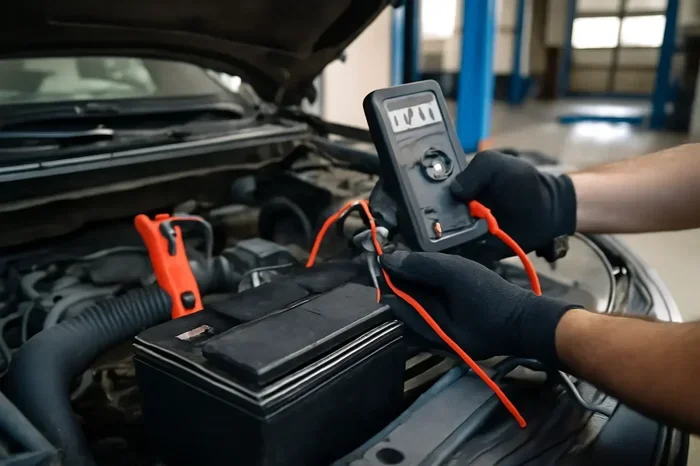
- Set a multimeter to DC amps.
- Place the multimeter probes on the terminal and the cable.
- A normal draw is below 50 milliamps.
- Anything above that indicates a problem.
Once you find a parasitic draw, you can pull fuses one at a time to isolate the circuit. When the amp draw drops, you have found the culprit. Fix the issue, and your new battery maintenance routine will be much easier. This is one of the most overlooked reasons a car won’t start with new battery.
Security System or Immobilizer Issues
Modern cars have sophisticated security systems. These include immobilizers that prevent the engine from starting unless the correct key or key fob is detected. If your security system does not recognize the key, the car simply will not start. This can happen after a battery swap, especially if the key fob battery is low.
Common signs of an immobilizer problem include:
- The security light flashes on the dashboard.
- The engine cranks but does not fire up.
- The key fob is unresponsive.
- The dashboard displays a lock icon.
Try replacing the battery in your key fob first. It is a cheap and easy fix. If that does not work, try holding the fob directly against the start button or key slot. Some vehicles have a backup immobilizer antenna inside the steering column. If the problem persists, you may need to reprogram the key fob or have a dealer reset the ECU reset procedure for your specific model.
Wrong Battery Size or Cold Cranking Amps
Not all batteries are the same. A battery that looks similar may not be compatible with your vehicle. The group size, terminal placement, and cold cranking amps (CCA) all matter. If you installed a battery with too few CCA, it may not have enough power to start the engine in cold weather or under load. This is especially common with aftermarket or budget batteries.
Check your owner’s manual for the correct battery specifications. Look for:
- The correct group size.
- The required CCA rating.
- The terminal configuration (top or side post).
- The reserve capacity rating.
If your new battery does not match these specs, it may be the root cause. Returning or exchanging the battery for the correct one often solves the problem immediately. Always double-check compatibility before purchasing a replacement.
Faulty Ignition Switch
The ignition switch is the part that sends the electrical signal to start the engine. Over time, these switches wear out. When they fail, turning the key may do nothing, or you may hear the accessory lights come on but no cranking. A bad ignition switch can easily be mistaken for a battery problem, which is why many drivers assume their car won’t start with new battery when the real issue is the switch.
Signs of a failing ignition switch include:
- The dashboard lights flicker when turning the key.
- The engine does not crank at all.
- The key feels loose or does not turn smoothly.
- Accessories work but the engine will not start.
Replacing an ignition switch typically costs $150 to $300. It is a moderate repair that involves removing the steering column cover and swapping the switch. If you are comfortable working on your car, this is a manageable DIY project. Otherwise, a mechanic can handle it in under an hour.
How to Diagnose the Problem Step by Step
When your car won’t start with new battery, a systematic approach saves time and money. Follow this diagnostic checklist in order:
- Check the dashboard lights. Do they turn on when you twist the key? If not, the problem is likely electrical.
- Listen for a click. A single click often points to the starter motor. No click at all suggests a connection or ignition switch issue.
- Inspect the battery terminals. Look for corrosion, looseness, or damage to the battery cables.
- Test the battery voltage. A fully charged battery should read 12.6 volts or higher with a multimeter.
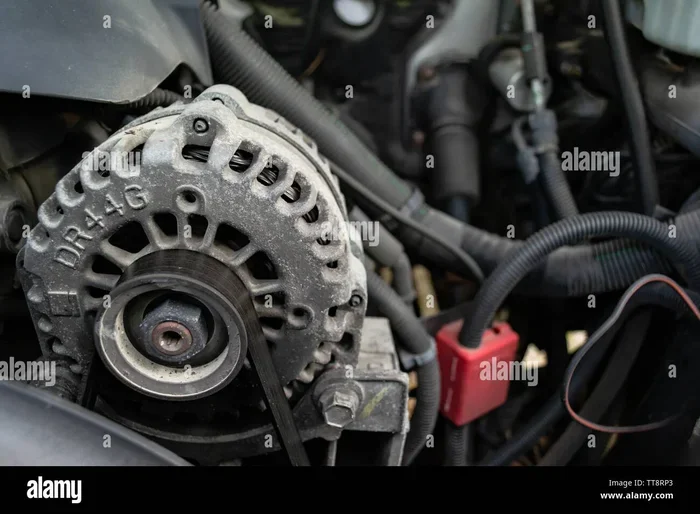
- Check the alternator. With the engine running, the alternator should output between 13.5 and 14.5 volts.
- Verify the key fob. Try the spare key. Replace the fob battery if needed.
- Look for blown fuses. Check the fuse box for any blown fuses related to the starting circuit.
Working through this list systematically will help you pinpoint the exact cause. Most of the time, the fix is simple and inexpensive.
When to Call a Professional
While many causes of a car won’t start with new battery situation are DIY-friendly, some require a professional touch. If you have checked the terminals, tested the battery voltage, and ruled out the starter motor, it may be time to call in an expert. Complex electrical issues, such as a failing alternator or a problem with the vehicle’s computer system, are best left to trained technicians. A mechanic has specialized diagnostic tools that can read error codes and pinpoint hidden problems quickly. Do not hesitate to seek help if you feel unsure. Investing in professional diagnosis can prevent costly mistakes and get you back on the road safely.
Preventing Future Starting Problems
Once you have fixed the issue, you want to make sure it does not happen again. Regular battery maintenance goes a long way. Keep the terminals clean and tight. Check the battery voltage every few months. Drive your car regularly to keep the alternator charging the battery properly. If your car sits unused for long periods, consider using a battery tender or trickle charger. Also, always turn off all lights and accessories before shutting off the engine. These small habits prevent parasitic draws and extend the life of your new battery.
Another great tip is to keep a set of battery cables and a portable jump starter in your trunk. You never know when you will need them. A jump start can get you going in an emergency while you arrange for a proper repair. Being prepared saves time, money, and a lot of stress.
Key Takeaways
- Corroded terminals are the top cause: Clean and tighten them regularly to maintain a strong connection.
- A bad starter motor mimics a dead battery: Listen for clicks and test the starter if the engine does not crank.
- Parasitic draw can drain a new battery overnight: Use a multimeter to check for excessive power draw.
- Security systems can block starting: Replace the key fob battery and try the spare key first.
- Battery compatibility matters: Match the group size and CCA rating to your vehicle specifications.
- A faulty ignition switch can cause no-crank conditions: Check for flickering dashboard lights and a loose key.
- Regular maintenance prevents problems: Clean terminals, test voltage, and drive your car consistently.
Conclusion
Dealing with a car won’t start with new battery situation is incredibly frustrating. But as we have covered, there are many possible causes, and most of them are easy to fix. Start with the simplest checks like cleaning terminals and testing the battery voltage. Work your way through the starter motor, alternator, and security system if the basic steps do not solve the problem. Remember, a new battery does not mean a perfect electrical system. Every component in the starting chain plays a role.
By following the diagnostic steps in this guide, you can identify the root cause and apply the right fix. Whether it is a corroded terminal, a parasitic draw, or a faulty ignition switch, you now have the knowledge to tackle it. Keep up with your battery maintenance routine, and your car ignition system will reward you with reliable starts for years to come. Do not let a stubborn starting problem keep you from driving. Get under the hood, follow these steps, and get back on the road with confidence.
Frequently Asked Questions
Why won’t my car start even with a new battery?
The most common reasons include corroded battery terminals, a faulty starter motor, a parasitic electrical draw, or a problem with the security system. Check the terminals first, then work through the other potential causes systematically.
How do I know if my new battery is defective?
Use a multimeter to test the voltage. A fully charged new battery should read 12.6 volts or higher. If it reads below 12 volts after a full charge, the battery may be defective and should be replaced under warranty.
Can a bad alternator cause a new battery to not start the car?
Yes. If the alternator is not charging properly, the new battery will drain quickly and may not have enough power to start the engine. Test the alternator output with the engine running to rule this out.
What should I do if my car clicks but won’t start with a new battery?
A single click usually indicates a starter motor issue or a poor electrical connection. Check the battery terminals and cables first. If they are clean and tight, the starter motor is likely the culprit and may need replacement.
How long does a new car battery last?
A quality car battery typically lasts 3 to 5 years. Extreme temperatures, short trips, and parasitic draws can shorten that lifespan. Regular battery maintenance helps maximize the life of any new battery.
Is it normal for a car not to start immediately after installing a new battery?
Sometimes. Modern vehicles may need a brief ECU reset after a battery swap. The car’s computer may need a few minutes to relearn settings. If the car still does not start after 10 minutes, check for other issues like loose terminals or a drained alternator.