Can a Bad Catalytic Converter Ruin Your Car Engine
A bad catalytic converter can absolutely ruin your car engine if left unchecked. When the converter fails, it creates dangerous back pressure, reduces fuel efficiency, and causes the engine to overheat. Understanding the symptoms early can save you thousands in repairs and keep your vehicle running safely.
Your car’s catalytic converter works quietly in the background. You rarely think about it — until something goes wrong. And when it does, the consequences can be serious. Many car owners wonder whether a bad catalytic converter can actually ruin the engine. The short answer is yes. A failing converter can cause a chain reaction of problems that damage your engine over time.
Let’s break this down in simple terms. A catalytic converter is part of your vehicle’s exhaust system. Its job is to clean up harmful exhaust gases before they leave the tailpipe. When it starts to fail, it doesn’t just affect emissions. It affects how your entire engine runs.
Understanding this connection is important for every car owner. Whether you drive a new vehicle or an older model, knowing the risks can save you money and headaches. In this article, we will explore exactly how a bad catalytic converter harms your engine. We will look at the warning signs, the damage it causes, and what you can do about it.
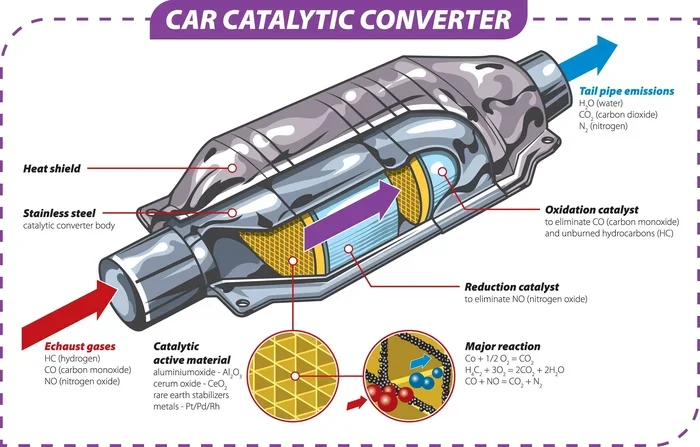
The catalytic converter is one of the most important parts of your car’s exhaust system. It sits between the engine and the muffler. Hot exhaust gases flow through it on their way out of the car. Inside the converter, there is a honeycomb structure coated with precious metals like platinum, palladium, and rhodium. These metals trigger chemical reactions that convert harmful gases into less dangerous ones.
Carbon monoxide becomes carbon dioxide. Nitrogen oxides become nitrogen and oxygen. Unburned hydrocarbons become water vapor and carbon dioxide. This entire process happens in seconds as exhaust gases pass through. Without a working converter, your car releases toxic fumes into the air. It also fails emission tests, which is a problem in many states.
Over time, the catalytic converter can wear out. Normal use, age, and driving conditions all play a role. Most converters last between 70,000 and 100,000 miles. But some fail much earlier. When they do, the effects can ripple through the entire engine system.
Can a bad catalytic converter ruin your car engine? The answer is a clear yes. When the converter becomes clogged or damaged, it restricts the flow of exhaust gases. This restriction creates something called back pressure. Back pressure builds up in the exhaust system and pushes against the engine. The engine then has to work much harder to push exhaust out.
This extra work causes a domino effect of problems. First, the engine loses power. You may notice sluggish acceleration or a general lack of responsiveness. Then, the engine starts running hotter than normal. Excessive heat can damage internal components like pistons, head gaskets, and valves. Over time, this heat damage becomes permanent.
A clogged converter also disrupts the fuel-air mixture. The oxygen sensor reads the exhaust and tries to adjust the mixture. But when the converter is blocked, the readings become inaccurate. This causes the engine to run either too rich or too lean. Both conditions are harmful. Running too rich wastes fuel and leaves carbon deposits. Running too lean can cause engine overheating and misfires.
In severe cases, a completely blocked catalytic converter can stall the engine. The exhaust has nowhere to go, so the engine suffocates. This can happen while driving, which creates a dangerous situation on the road. It can also cause the engine to shut off unexpectedly.
One of the most common questions mechanics hear is: “How do I know if my catalytic converter is going bad?” The truth is, your car gives you plenty of warning signs. The key is knowing what to look for. Catching these symptoms early can prevent engine damage.
Check Engine Light
The check engine light is your car’s way of telling you something is wrong. A failing catalytic converter often triggers this light. The onboard diagnostic system detects problems with emission levels or oxygen sensor readings. When the light comes on, don’t ignore it. Get the codes read by a mechanic as soon as possible.
Reduced Fuel Economy
If you notice you are filling up more often, the catalytic converter might be to blame. A clogged converter forces the engine to work harder. This means it burns more fuel than it should. A drop in fuel economy of 10% or more is a red flag. Keep track of your miles per gallon to spot changes early.
Rotten Egg Smell
A healthy catalytic converter converts sulfur in fuel into odorless compounds. When the converter fails, sulfur passes through unchanged. This creates a strong rotten egg smell coming from the exhaust. If you notice this odor inside or outside the car, get it checked immediately.
Engine Misfires
A bad converter can cause the engine to misfire. You might feel a jerking sensation when accelerating. The engine may run rough at idle. Misfires happen because the restricted exhaust disrupts the combustion cycle. Each misfire sends unburned fuel into the exhaust system, which makes the converter problem worse.
Dark Exhaust Smoke
Normal exhaust should be mostly invisible or slightly translucent. Dark black or blue smoke signals a problem. This often means the engine is burning too much fuel due to a blocked converter. The smoke may also smell acrid or unusual.
Sluggish Acceleration
If your car feels slow to respond when you press the gas pedal, the converter could be the cause. Back pressure from a clogged converter chokes the engine. It cannot breathe properly, so it lacks the power to accelerate smoothly. This is especially noticeable when climbing hills or merging onto highways.
Failed Emission Test
If your car fails an emission test, the catalytic converter is often the culprit. High levels of carbon monoxide, hydrocarbons, or nitrogen oxides in the exhaust point to converter failure. This is a clear sign that the converter is not doing its job.
A bad catalytic converter does not just affect one part of the engine. It creates a cascade of problems that damage multiple systems over time. Understanding these effects helps you see why quick action matters.
Back Pressure and Engine Strain
Back pressure is the biggest enemy of a healthy engine. When the catalytic converter becomes clogged, exhaust gases cannot exit efficiently. They build up in the exhaust manifold and pipes. This creates pressure that pushes back against the pistons. The engine has to fight its own exhaust to complete the combustion cycle.
Over time, this constant strain wears out engine components. The pistons, connecting rods, and crankshaft all bear the extra load. Head gaskets can fail under the increased pressure. Valves can warp or bend. In worst-case scenarios, the engine block can crack.
Oxygen Sensor Damage
The oxygen sensor measures the amount of oxygen in the exhaust. It uses this data to adjust the fuel-air mixture. When the catalytic converter is failing, the exhaust composition changes. The oxygen sensor receives incorrect readings and makes wrong adjustments.
This creates a vicious cycle. The wrong fuel mixture causes incomplete combustion. Incomplete combustion produces more unburned hydrocarbons. These hydrocarbons damage the catalytic converter further. The sensor gets even more confused. This loop continues until the converter fails completely.
Engine Overheating
A restricted exhaust system traps heat in the engine. The normal path for hot gases is blocked. Heat builds up in the exhaust manifold and engine block. Overheating causes thermal stress on internal components. Gaskets deteriorate. Metal expands unevenly. Cooling system parts like the water pump work harder to compensate.
Chronic overheating is one of the leading causes of engine failure. A bad catalytic converter contributes to this problem significantly. If you notice your temperature gauge climbing, pull over safely and investigate.
Catalytic Converter Meltdown
In extreme cases, a failing converter can actually melt. The excessive heat from unburned fuel and restricted flow can destroy the honeycomb structure inside. Melting converter material can break apart and block the exhaust pipe completely. This creates a total exhaust blockage that can stall the engine instantly.
Spark Plug Damage
When a converter is failing, unburned fuel passes through the exhaust system. This fuel can foul the spark plugs. Fouled spark plugs cause misfires, which further damage the converter. It is a feedback loop that worsens with every mile you drive.
The cost of replacing a catalytic converter varies widely. Several factors determine the final price. These include the make and model of your car, the type of converter needed, and labor rates in your area. On average, expect to pay between $1,000 and $2,500 for a full replacement.
The converter part itself can cost anywhere from $500 to $2,000. Labor typically runs between $100 and $500. The wide range depends on how accessible the converter is on your vehicle. Some cars have converters that are easy to reach. Others require removing additional components, which increases labor time.
Here is a quick comparison of what different scenarios might cost:
Minor Converter Cleaning: $100 to $300. This works if the clog is not severe. A mechanic can use a specialized cleaner that dissolves deposits inside the converter. This is a temporary fix and does not always work.
Mid-Range Replacement: $1,000 to $1,500. This covers most standard vehicles with accessible converters. OEM parts typically fall in this range.
Premium Replacement: $2,000 to $2,500 or more. Luxury vehicles, trucks, and SUVs often require expensive converters. Some models have dual converters that both need replacement.
The real danger comes from delaying the repair. A $1,500 converter replacement can turn into a $5,000 engine rebuild if you wait too long. The cascading damage from a bad converter can destroy the engine entirely. At that point, you are looking at a replacement engine or a new car.
DIY Cleaning Attempts
Some car owners try to clean a clogged converter themselves. You can find catalytic converter cleaner products at auto parts stores. These are added to the fuel tank and burn off deposits during driving. They work for minor clogs caused by carbon buildup. They do not work for physical damage or melted converters.
When to Replace vs. Repair
If the converter is physically damaged, replacement is the only option. You cannot repair a broken honeycomb structure internally. If the converter is merely clogged, cleaning might help temporarily. However, replacement is almost always the better long-term solution.
Used vs. New Converters
Some shops offer used converters at lower prices. These can work, but they may not last as long. New converters come with warranties, which used ones typically do not. Always ask about warranty coverage when getting a replacement.
The best way to deal with a bad catalytic converter is to prevent it from failing in the first place. Regular maintenance goes a long way toward keeping your converter healthy for many years.
Use Quality Fuel
Cheap fuel often contains higher levels of sulfur and impurities. These contaminants accelerate wear on the catalytic converter. Using top-tier gasoline from reputable stations helps protect your exhaust system. The small savings on cheap fuel are not worth the repair costs down the road.
Keep Up with Oil Changes
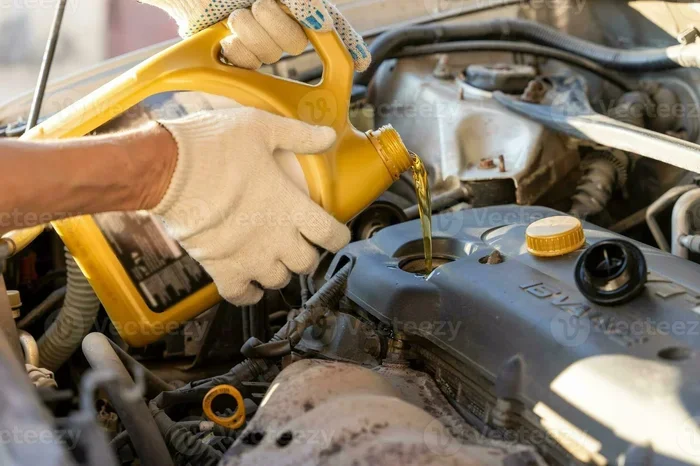
Engine oil that is not changed regularly can cause internal engine problems. Coolant or oil leaks into the combustion chamber can damage the converter. Follow your manufacturer’s recommended oil change schedule. This is one of the simplest and most effective maintenance habits.
Fix Engine Misfires Promptly
An engine misfire sends unburned fuel into the exhaust system. This raw fuel enters the catalytic converter and causes it to overheat. Over time, the heat destroys the converter’s internal structure. Fixing misfires quickly prevents this damage.
Address Check Engine Lights Immediately
Do not wait for the check engine light to go away on its own. It rarely does. The light is a warning system designed to alert you to problems early. A quick diagnostic scan can reveal converter issues before they become severe.
Avoid Short Trips When Possible
Short trips do not allow the catalytic converter to reach full operating temperature. Over time, moisture and fuel residues build up inside. If you mostly drive short distances, occasionally take a longer drive to help the converter burn off deposits.
Inspect the Exhaust System Regularly
During routine maintenance, ask the mechanic to inspect the exhaust system visually. They can spot rust, holes, or loose connections early. Catching small problems prevents them from becoming big ones.
Monitor Your Fuel Economy
A sudden drop in fuel economy is often an early sign of converter problems. Keep an eye on your mileage and note any changes. Tracking this data over time gives you a valuable baseline for spotting issues.
The catalytic converter is not just an emission control device. It is a vital part of your engine’s overall health. A bad catalytic converter can absolutely ruin your car engine if you ignore the warning signs. The damage it causes — from back pressure and overheating to oxygen sensor failure and engine misfires — adds up quickly.
The good news is that awareness is your first line of defense. By knowing the symptoms of a failing converter, you can catch problems early. By staying on top of maintenance, you can prevent many causes of converter failure. And by acting quickly when problems arise, you can avoid the most expensive consequences.
Every car owner should understand the connection between the catalytic converter and engine health. This knowledge empowers you to make smart decisions about repairs and maintenance. It also helps you communicate effectively with mechanics. You will know the right questions to ask and the right signs to watch for.
Do not wait until your car shows severe symptoms. If you suspect your catalytic converter is failing, get a professional diagnosis right away. A simple inspection today can prevent an engine replacement tomorrow. Your wallet — and your engine — will thank you.
Take care of your catalytic converter, and it will take care of your engine. The relationship between these two components is a perfect example of how every part of your car works together. When one piece fails, the rest suffer. Keep your exhaust system healthy, and your engine will reward you with years of reliable performance.
Key Takeaways
- A failing catalytic converter restricts exhaust flow: This creates back pressure that starves your engine of oxygen and causes serious damage over time.
- Ignoring warning signs leads to costly repairs: Symptoms like reduced fuel economy, engine misfires, and a rotten egg smell should never be ignored.
- A bad converter can damage the oxygen sensor: This disrupts the fuel-air mixture and causes the engine to run poorly.
- Replacement costs range from $1,000 to $2,500: But delaying the repair can lead to engine replacement costs that are ten times higher.
- Regular maintenance prevents converter failure: Simple habits like timely oil changes and using quality fuel extend the life of your exhaust system.
- Check engine light is the #1 early warning: Don’t ignore this light — it often points directly to catalytic converter problems.
- A bad converter affects overall vehicle performance: From acceleration to emissions, everything suffers when the converter is failing.
Frequently Asked Questions
How long can you drive with a bad catalytic converter?
You can drive short distances with a failing converter, but it is not recommended. Continuing to drive with a bad converter causes progressive engine damage. Back pressure builds up, fuel economy drops, and engine components wear out faster. The longer you wait, the more expensive the repairs become. Get it checked as soon as you notice any symptoms.
What happens if a catalytic converter completely fails while driving?
A completely failed converter can block exhaust flow entirely. This causes the engine to stall or lose power suddenly. You may experience difficulty accelerating or the engine may shut off while driving. In rare cases, the converter can melt and release debris into the exhaust system. This creates a serious safety hazard on the road.
Can a bad catalytic converter cause engine knocking?
Yes, it can. A clogged converter creates back pressure that disrupts the combustion cycle. This can cause pre-ignition or detonation, which sounds like engine knocking. Knocking puts stress on pistons, bearings, and connecting rods. If you hear knocking along with other converter symptoms, address the issue immediately.
Is it safe to replace a catalytic converter yourself?
Replacing a catalytic converter requires mechanical knowledge and the right tools. The converter is often located in a hard-to-reach area under the vehicle. Incorrect installation can cause exhaust leaks, which release harmful gases into the cabin. For most car owners, professional installation is the safer and more reliable choice.
Does a bad catalytic converter affect transmission?
Indirectly, yes. When a converter is clogged, the engine runs poorly. Poor engine performance changes the load and power delivery to the transmission. The transmission may shift roughly or hesitate. In automatic vehicles, the transmission control module may adjust shift patterns in response to engine problems. Fixing the converter usually resolves these transmission issues.
Can a catalytic converter go bad from normal driving?
Yes, normal driving eventually wears out the catalytic converter. Over 70,000 to 100,000 miles, the internal honeycomb structure can degrade. Contaminants from oil and coolant also accumulate over time. However, aggressive driving, frequent short trips, and poor maintenance accelerate this process. Regular care and proper driving habits can extend the converter’s lifespan significantly.