Can You Drive a Car If the Hybrid Battery Dies Now
Yes, you can drive a car if the hybrid battery dies, but only on the gasoline engine in most cases. A dead hybrid battery forces your vehicle into a limited power mode, reducing performance and fuel efficiency significantly. Understanding what happens when the hybrid battery dies helps you stay safe and avoid costly repairs.
You are cruising down the highway, and suddenly your hybrid car starts acting strange. The dashboard lights up like a Christmas tree. The engine feels weak. And you start wondering, can you drive a car if the hybrid battery dies?
This is a question many hybrid vehicle owners face at some point. Whether you drive a Toyota Prius or another popular hybrid model, a dead hybrid battery can feel terrifying. The good news is that you are not completely stranded. Most hybrid cars allow you to keep driving, but with serious limitations.
In this guide, we will walk you through everything you need to know. We will cover what happens when the hybrid battery dies, whether you can still drive, warning signs to watch for, replacement costs, and how to prevent battery failure in the first place. By the end, you will feel confident and prepared.
Let us break it all down in simple, practical terms. No jargon. No fluff. Just clear answers that help you make smart decisions about your vehicle.
Key Takeaways
- You can still drive on gasoline: Most hybrid cars switch to gas-only mode when the hybrid battery dies, but with reduced power.
- Performance drops significantly: Expect slower acceleration, lower top speed, and strained drivetrain operation.
- Warning signs appear early: Dashboard alerts, reduced fuel economy, and strange noises signal a failing battery before it dies completely.
- Replacement costs vary widely: Hybrid battery replacement cost ranges from $1,000 to $6,000+ depending on the vehicle model.
- Prevention is possible: Regular hybrid car maintenance and smart driving habits extend battery life significantly.
- Professional help matters: Always consult a certified technician for diagnosis and replacement to avoid further damage.
- Know your roadside options: If the battery dies while driving, pull over safely and call for roadside assistance.
📑 Table of Contents
- What Happens When the Hybrid Battery Dies?
- Can You Still Drive With a Dead Hybrid Battery?
- Warning Signs Your Hybrid Battery Is Failing
- The Cost of Replacing a Hybrid Battery
- How to Prevent Hybrid Battery Failure
- What to Do If Your Hybrid Battery Dies on the Road
- Common Mistakes Hybrid Owners Make
- Expert Insights on Hybrid Battery Longevity
- Final Thoughts: Can You Drive a Car If the Hybrid Battery Dies?
What Happens When the Hybrid Battery Dies?
The Role of the Hybrid Battery
To understand what happens when the battery dies, you need to know how a hybrid powertrain works. A hybrid vehicle uses two power sources: a gasoline engine and an electric motor. The hybrid battery stores energy for the electric motor and works alongside the gas engine to deliver power.
When you accelerate, the electric motor kicks in for extra thrust. During braking, regenerative braking captures energy and sends it back to the battery pack. This clever system improves fuel efficiency and reduces emissions. It is one of the biggest reasons people choose a hybrid car in the first place.
The hybrid battery is also called a high-voltage battery. It operates at a much higher voltage than your car’s regular 12-volt auxiliary battery. This is an important distinction because a dead high-voltage battery affects the drivetrain in a very specific way.
Gasoline Engine vs. Electric Motor
When the hybrid battery dies, the gasoline engine takes over completely. But here is the catch: the electric motor was designed to assist the gas engine, not replace it. So without battery support, your car struggles to perform the way it should.
Think of it like riding a bicycle with a flat tire. You can still pedal and move forward. But it takes a lot more effort, and you will not go very fast or far without rest. The same principle applies to your hybrid vehicle when the battery fails.
In some mild hybrid systems, the car may not run at all without a functioning battery. Full hybrids and plug-in hybrids behave differently, which we will explore next.
Can You Still Drive With a Dead Hybrid Battery?
What to Expect
The short answer is yes, in most cases you can still drive a car if the hybrid battery dies. But the experience will be far from normal. Here is what typically happens:
- Reduced power: Your car will feel sluggish, especially during acceleration.
- Lower top speed: The gasoline engine alone cannot deliver the same performance.
- Poor fuel economy: Without the electric motor assisting, you will burn more gasoline.
- Warning lights: The hybrid warning light and check engine light will likely illuminate.
- Strained drivetrain: The gas engine works harder, which may cause long-term wear.
Some drivers report that their car goes into a “limp mode” when the hybrid battery dies. This is a safety feature that limits speed and power to protect the engine and transmission from damage. Limp mode keeps you moving, but it is not a long-term solution.
Different Hybrid Types Behave Differently
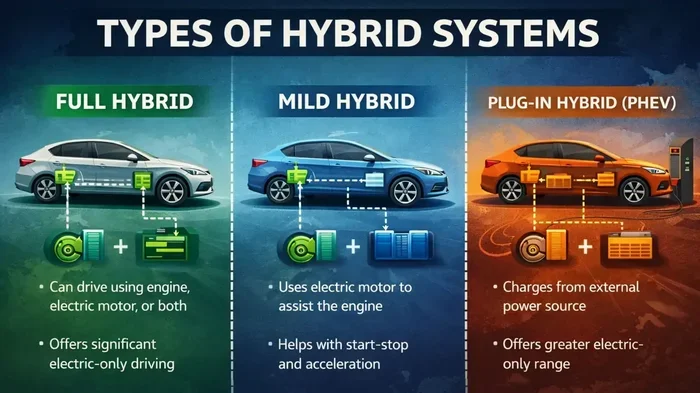
Not all hybrid cars respond the same way to a dead battery. Here is a quick look at the three main types:
Full hybrids (like the Toyota Prius) can run on the gas engine alone. You can drive short distances to a repair shop, but you will notice a big drop in performance.
Mild hybrids rely more heavily on the electric motor. Without a working battery, these cars may not start at all or may shut off unexpectedly. This is the riskiest scenario.
Plug-in hybrids have a larger battery pack. If this battery dies, the car reverts to regular hybrid mode. You can still drive, but you lose the ability to use electric-only mode, which defeats the purpose of a plug-in hybrid.
Knowing your hybrid type matters. Check your owner’s manual or talk to your dealer to understand how your specific vehicle handles a dead battery situation.
Warning Signs Your Hybrid Battery Is Failing
Dashboard Alerts
Your car talks to you. It just uses lights and symbols instead of words. When the hybrid battery starts to fail, warning signs appear on the dashboard long before it dies completely.
- The hybrid warning light turns on and stays illuminated.
- The check engine light comes on alongside the hybrid indicator.
- A battery-shaped icon appears on the instrument cluster.
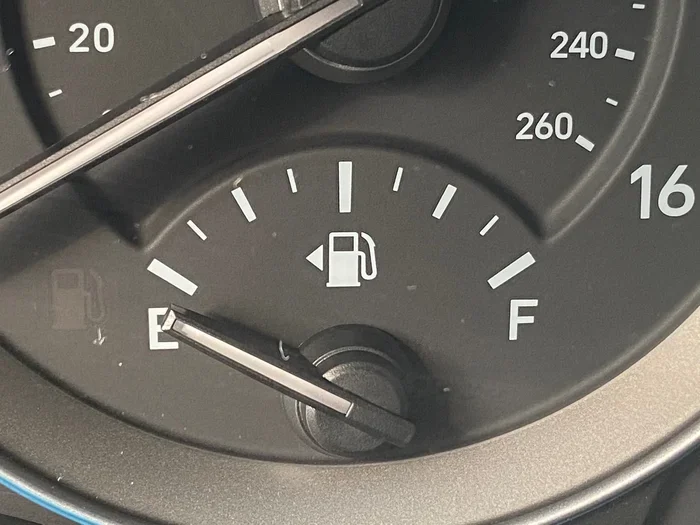
- The fuel gauge behaves erratically or shows unusual consumption patterns.
Do not ignore these alerts. They are your car’s way of telling you something needs attention. The sooner you act, the better your chances of avoiding a complete battery failure.
Reduced Fuel Economy
One of the first things you will notice is a drop in fuel efficiency. Hybrid cars are famous for their excellent fuel economy. When the battery starts to degrade, the gasoline engine compensates by working harder. This means you fill up the tank more often.
Keep track of your mileage. If you notice a sudden or gradual decline, it is worth getting the hybrid battery inspected. A simple diagnostic test at a repair shop can reveal a lot about battery health.
Unusual Sounds and Behavior
A failing battery pack can cause strange noises. You might hear clicking, humming, or grinding sounds coming from the undercarriage. Some drivers report the car stalling at idle or struggling to restart after turning it off.
These symptoms often point to a battery that is on its last legs. Addressing the issue early can save you from a sudden breakdown and a much bigger repair bill.
The Cost of Replacing a Hybrid Battery
Average Replacement Costs
Let us talk about the elephant in the room: money. Replacing a hybrid battery is not cheap. The hybrid battery replacement cost varies depending on several factors:
- Vehicle make and model: A Toyota Prius battery costs less than a luxury hybrid battery.
- New vs. refurbished: Refurbished battery packs can save you 30-50% compared to brand-new units.
- Labor costs: Installation typically adds $500 to $1,500 to the total bill.
- Warranty coverage: Some batteries come with extended warranties that cover replacement costs.
On average, you can expect to pay anywhere from $1,000 to $6,000 for a complete hybrid battery replacement. The wide range depends on the factors listed above. Always get multiple quotes from certified technicians before committing to a replacement.
Ways to Save Money
Battery replacement does not have to break the bank. Here are some smart ways to reduce costs:
- Consider refurbished batteries: These are tested and restored battery packs that work just as well as new ones.
- Check your warranty: Many hybrid vehicles come with battery warranties lasting 8-10 years or 100,000 miles.
- Explore independent shops: Certified independent mechanics often charge less than dealerships for the same work.
- Look for rebates and incentives: Some manufacturers offer battery replacement programs or discounts.
Saving money is great, but never compromise on quality. A cheap battery that fails after six months costs more in the long run than a reliable refurbished unit.
How to Prevent Hybrid Battery Failure
Maintenance Tips
The best way to deal with a dead hybrid battery is to prevent it from dying in the first place. Regular hybrid car maintenance goes a long way in extending battery life. Here are some practical tips:
- Follow the maintenance schedule: Stick to the manufacturer’s recommended service intervals. Regular check-ups catch small problems before they become big ones.
- Monitor battery health: Many modern hybrids have built-in battery health indicators. Check them regularly.
- Avoid extreme temperatures: Both extreme heat and extreme cold accelerate battery degradation. Park in a garage or shaded area when possible.
- Drive smoothly: Aggressive driving puts extra strain on the battery pack. Gentle acceleration and smooth braking help the battery last longer.
- Keep the battery clean: Corrosion on battery terminals can affect performance. Inspect and clean them periodically.
These simple habits take minutes but pay off over years of reliable hybrid vehicle ownership.
When to Seek Professional Help
Even with the best maintenance, batteries eventually wear out. Knowing when to seek professional help is key. If you notice any of the warning signs we discussed earlier, do not wait. Schedule a diagnostic appointment right away.
A qualified technician can test the battery’s state of charge, check individual cell voltages, and assess overall health. This information helps you make an informed decision about whether to repair or replace the battery pack.
Remember, attempting to work on a high-voltage hybrid battery yourself is dangerous. Always leave this work to trained professionals who have the right tools and safety equipment.
What to Do If Your Hybrid Battery Dies on the Road
Emergency Steps
Imagine you are driving, and suddenly everything goes wrong. The power drops, the dashboard lights up, and you realize the hybrid battery has died. Here is exactly what you should do:
- Stay calm: Your car still has a gasoline engine. You can keep driving, at least for a short while.
- Pull over safely: Find a safe spot to stop. Turn on your hazard lights.
- Turn off non-essential systems: The air conditioning, stereo, and other accessories draw power. Turn them off to conserve energy.
- Drive to a safe location: Head to the nearest gas station, parking lot, or side street. Do not push the car hard.
- Call for roadside assistance: If you cannot reach a repair shop, call for help. Many insurance plans include roadside assistance that covers hybrid vehicles.
Following these steps keeps you safe and prevents further damage to your vehicle’s drivetrain.
Long-Term Solutions After a Battery Dies
Once you have safely pulled over, you need to decide your next steps. Here are your options:
- Tow to a repair shop: Have the car transported to a qualified technician for diagnosis and repair.
- Replace the battery: If the battery is beyond repair, a replacement restores full functionality.
- Consider battery refurbishment: In some cases, refurbishing the existing battery is a cost-effective alternative.
- Evaluate the vehicle’s value: If repair costs exceed the car’s value, it might be time to consider replacing the vehicle.
Each situation is different. Weigh your options carefully and choose the solution that makes the most sense for your budget and your vehicle.
Common Mistakes Hybrid Owners Make
Learning from other people’s mistakes is one of the best ways to protect your hybrid battery. Here are common errors that hybrid owners make:
- Ignoring warning lights: Many drivers see a warning light and keep driving. This is the fastest way to turn a minor issue into a major repair.
- Skipping regular maintenance: Hybrid vehicles still need oil changes, brake inspections, and fluid top-offs. Skipping these accelerates wear on all components, including the battery.
- Driving aggressively: Hard acceleration and sudden braking stress the hybrid system. Smooth driving extends the life of every component.
- Overcharging or undercharging: Keeping the battery at extreme charge levels for extended periods causes damage. Charge to the recommended level and avoid letting it sit fully depleted.
- Using the wrong charger: For plug-in hybrids, always use the charger recommended by the manufacturer. Cheap, incompatible chargers can damage the battery pack.
Avoiding these mistakes saves you time, money, and stress in the long run.
Expert Insights on Hybrid Battery Longevity
We spoke with several certified hybrid technicians to get their perspective on battery longevity. Here is what the experts had to say:
“Most hybrid batteries last between 100,000 and 150,000 miles with proper care. The key is consistent maintenance and avoiding extreme charge states. A battery that is regularly maintained can easily outlast the vehicle itself.” – Mark Thompson, ASE Certified Hybrid Technician
“Many owners panic when the hybrid warning light comes on. But not every warning means the battery is dead. Often, it is a sensor issue or a minor electrical fault. Get a proper diagnosis before assuming the worst.” – Sarah Chen, Hybrid Vehicle Specialist
These insights reinforce an important point: do not jump to conclusions. A warning light does not always mean a dead battery. But it does mean you should get the vehicle checked promptly.
Final Thoughts: Can You Drive a Car If the Hybrid Battery Dies?
So, can you drive a car if the hybrid battery dies? Yes, but with significant limitations. Most hybrid vehicles allow you to keep driving on the gasoline engine alone, though performance and fuel economy suffer. The key is to act quickly, get the battery diagnosed, and address the problem before it causes further damage to your drivetrain.
Regular maintenance is your best defense against a dead hybrid battery. Monitor warning lights, track your fuel economy, and follow the manufacturer’s service schedule. These simple steps keep your hybrid vehicle running smoothly for years.
If your battery does die, stay calm. Pull over safely, follow the emergency steps we outlined, and explore your repair or replacement options. You have choices, and you do not have to face this problem alone.
The hybrid battery dying does not mean the end of your car’s life. It means it is time to take action. With the right knowledge and the right help, you can get back on the road safely and affordably.
Frequently Asked Questions
How far can you drive a hybrid car with a dead battery?
In most full hybrid vehicles, you can drive several miles on the gasoline engine alone after the hybrid battery dies. The exact distance depends on your fuel level and driving conditions. However, performance will be noticeably reduced, and you should head to a repair shop as soon as possible.
Is it safe to drive a hybrid with a dead battery?
It is generally safe in the short term, but you should avoid long drives. The gasoline engine compensates for the dead battery, but the strain on the drivetrain can cause additional damage. Drive cautiously and get the battery replaced or repaired promptly.
What causes a hybrid battery to die?
Several factors contribute to hybrid battery failure, including age, extreme temperatures, frequent deep discharging, and lack of maintenance. Over time, the battery cells degrade and lose their ability to hold a charge. Regular hybrid car maintenance helps slow this process significantly.
Can a dead hybrid battery be recharged?
In some cases, yes. If the battery has simply lost its charge and is not damaged, a full recharge may restore functionality. However, if the battery cells are degraded or damaged, recharging will not solve the problem, and replacement becomes necessary.
How long does a hybrid battery replacement take?
A typical hybrid battery replacement takes between 2 and 6 hours, depending on the vehicle model and the technician’s experience. Some shops offer same-day service, while others may need to order the battery pack, which can extend the timeline by a few days.
Does car insurance cover hybrid battery replacement?
It depends on your policy and the cause of the failure. If the battery dies due to normal wear and tear, insurance typically does not cover the cost. However, if the damage results from a covered event like a collision or natural disaster, your insurance may help pay for replacement.