Can Check Engine Lights Clear Themselves Without Help
Check engine lights can sometimes clear themselves, but it depends on the root cause. Minor issues like a loose gas cap often resolve on their own within a few drive cycles. However, serious problems with your emission system, sensors, or engine components will not go away without proper attention and repair.
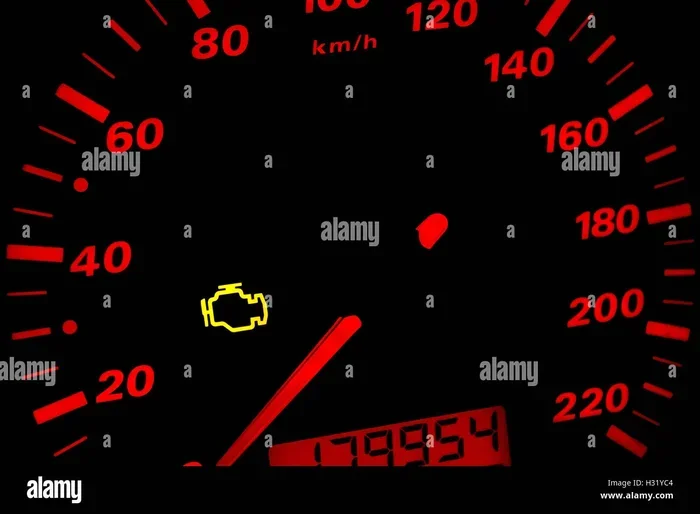
You are driving down the road, and suddenly that little yellow engine shaped icon lights up on your dashboard. Your heart sinks. What does it mean? Will it go away on its own? Can check engine lights clear themselves without any help from you or a mechanic?
This is a question almost every car owner has asked at some point. The check engine light, also known as the malfunction indicator lamp, is one of the most confusing dashboard warnings. It can come on for dozens of reasons, ranging from something as simple as a loose gas cap to something serious like a failing catalytic converter. Understanding what triggers this light and how your vehicle’s onboard diagnostics system works can save you time, money, and a lot of stress.
In this article, we will explore whether your check engine light can go away on its own. We will look at the common causes, explain how your car’s diagnostic system works, and tell you exactly when you should worry and when you can relax. By the end, you will know exactly what to do the next time that little light comes on.
Key Takeaways
- Minor issues can self-resolve: A loose fuel cap or temporary sensor glitch may cause the light to turn off after a few driving cycles.
- Serious problems need attention: Issues like a failing catalytic converter or engine misfire will not clear on their own.
- OBD-II codes stay stored: Even if the light goes off, fault codes remain in your vehicle’s memory until scanned and cleared.
- Driving with the light on is risky: Ignoring it can lead to costly repairs and failed emissions tests.
- Reset methods exist: You can use an OBD-II scanner, disconnect the battery, or drive it off manually in some cases.
- Prevention helps: Regular car maintenance and timely inspections reduce the chances of unexpected warning lights.
📑 Table of Contents
- What Does the Check Engine Light Actually Mean?
- Can a Check Engine Light Clear Itself?
- Common Reasons the Check Engine Light Comes On
- How to Tell If the Light Will Clear on Its Own
- When You Need Professional Help
- Tips for Preventing Check Engine Light Issues
- How to Reset the Check Engine Light After Repair
- Key Takeaways
- Frequently Asked Questions
- Final Thoughts
What Does the Check Engine Light Actually Mean?
The check engine light is part of your vehicle’s onboard diagnostics system, commonly called OBD-II. This system monitors dozens of sensors and components in your car. When something is not working right, the system stores a fault code and turns on the warning light. But here is the thing, the light does not tell you exactly what is wrong. It just tells you that something needs attention.
There are two types of check engine light behavior you should know about. A solid light means there is a problem that needs to be checked soon. A flashing light is much more serious and means you should pull over immediately. A flashing light often signals a severe engine misfire that can damage your catalytic converter if you keep driving.
How the OBD-II System Works
Your car has an engine control module, or ECM, that acts like the brain of your vehicle. It constantly reads data from sensors throughout the engine and exhaust system. If a sensor reading falls outside the normal range, the ECM logs a diagnostic trouble code, or DTC. This code triggers the check engine light on your dashboard.
The OBD-II system has been standard in all cars sold in the United States since 1996. Before that, every manufacturer had its own diagnostic system, which made things very confusing. Now, any OBD-II scanner can read codes from any vehicle made after 1996. This makes vehicle diagnostics much more accessible for everyday car owners.
Can a Check Engine Light Clear Itself?
So, can check engine lights clear themselves? The short answer is yes, sometimes. But it really depends on what caused the light to come on in the first place. Let us break this down so you understand exactly when and why the light might go away on its own.
If the issue is minor and temporary, your vehicle’s system may turn the light off after a few successful drive cycles. A drive cycle means driving the car under specific conditions so the ECM can recheck all the sensors. If the problem does not come back during this testing period, the system will turn off the warning light automatically.
Situations Where the Light May Clear on Its Own
Here are some common scenarios where a check engine light might go away without any help from you or a mechanic:
- Loose or damaged fuel cap: This is the number one most common reason for a check engine light. If your gas cap is not tightened properly, it triggers an evaporation system leak code. Simply tightening or replacing the cap often resolves the issue within one or two drive cycles.
- Temporary sensor glitch: Sometimes a sensor sends a false reading due to heat, moisture, or a brief electrical issue. Once the condition clears, the light may turn off on its own.
- Cold weather starting issues: Some vehicles report check engine lights during very cold starts that disappear once the engine warms up.
- Minor fuel quality issues: Using slightly lower quality fuel or a small amount of water contamination can trigger the light temporarily. Once you fill up with better fuel, the light may go away.
Situations Where the Light Will NOT Clear Itself
Unfortunately, not all check engine lights are temporary. Here are situations where the light will stay on and need real attention:
- Failing oxygen sensor: This sensor measures unburned oxygen in your exhaust. When it fails, the light stays on until the sensor is replaced.
- Catalytic converter failure: A damaged catalytic converter is a serious and expensive problem that will not resolve on its own.
- Engine misfire: Whether caused by spark plugs, ignition coils, or fuel injectors, a misfire needs repair.
- Exhaust gas recirculation valve issues: The EGR valve can get clogged or fail, causing persistent warning lights.
- Mass airflow sensor problems: A dirty or faulty MAF sensor will keep the light on until it is cleaned or replaced.
The key takeaway here is that minor, temporary issues can resolve themselves, but anything mechanical or electrical will not just go away. Ignoring these problems only makes them worse and more expensive to fix.
Common Reasons the Check Engine Light Comes On
Understanding the most common causes of a check engine light can help you figure out whether the problem is serious or something you can handle yourself. Here is a look at the top reasons this light appears on your dashboard.
Loose or Missing Gas Cap
We mentioned this one already because it is so common. Your vehicle’s evaporative emission control system seals the fuel system to prevent fumes from escaping. If the gas cap is loose, cracked, or missing, the system detects a leak and triggers the check engine light. This is an easy fix that costs just a few dollars for a replacement cap.
Oxygen Sensor Failure
The oxygen sensor, or O2 sensor, measures how much oxygen is in your exhaust gases. This helps the engine control module adjust the fuel mixture for optimal performance. When the sensor fails, your car may use more fuel than it needs and produce higher emissions. O2 sensor failures are one of the most common reasons for a persistent check engine light.
Catalytic Converter Issues
The catalytic converter converts harmful exhaust gases into less harmful emissions. Over time, it can become clogged or damaged, especially if you have ignored other engine problems for a long time. A failing catalytic converter will trigger the check engine light and usually requires professional replacement, which can be expensive.
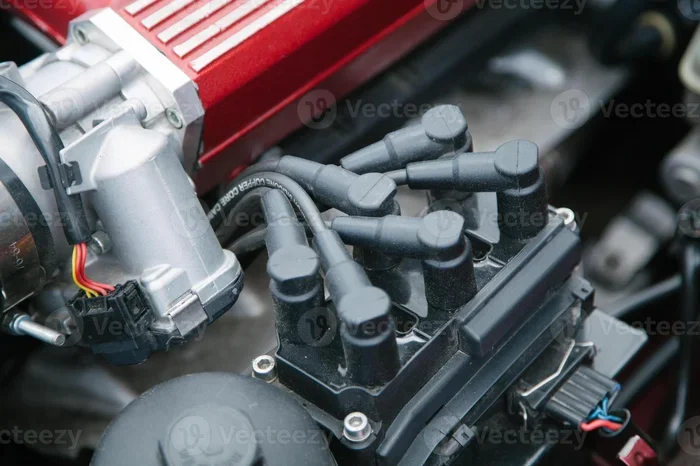
Spark Plug and Ignition Coil Problems
Worn spark plugs or faulty ignition coils can cause engine misfires. A misfire means the fuel in the cylinder is not burning properly. This not only triggers the check engine light but can also damage your catalytic converter over time. Replacing spark plugs is a simple and affordable maintenance task that every car owner should stay on top of.
Mass Airflow Sensor Failure
The mass airflow sensor tells the engine control module how much air is entering the engine. This information is critical for delivering the right amount of fuel. A dirty or failed MAF sensor can cause poor fuel economy, rough idling, and stalling. Regular air filter changes help prevent this issue.
How to Tell If the Light Will Clear on Its Own
Not sure whether your check engine light will go away by itself? Here are some practical steps you can take to figure it out.
Step 1: Check the Gas Cap
Before you panic, pull over and check your gas cap. Make sure it is tightened until you hear it click. If it was loose, drive for a day or two and see if the light goes off. This is the easiest and most common fix.
Step 2: Get the Fault Code Read
Even if the light is on, you can get the fault code read at most auto parts stores for free. They will plug in an OBD-II scanner and tell you what code triggered the light. This gives you a much better idea of whether the problem is minor or serious. Some people keep a basic OBD-II scanner at home for exactly this reason.
Step 3: Monitor the Light Over a Few Days
After addressing simple things like the gas cap, drive your car normally for a few days. If the light was caused by a temporary glitch, it should turn off after a few successful drive cycles. If it stays on or comes back, you have a real problem that needs fixing.
Step 4: Watch for Other Symptoms
Pay attention to how your car is driving. If you notice rough idling, reduced power, poor fuel economy, or unusual noises along with the check engine light, do not wait for it to clear itself. These symptoms point to a real mechanical issue that needs immediate attention.
When You Need Professional Help
Sometimes the check engine light is trying to tell you something important. Here is when you should definitely take your car to a professional mechanic.
- The light is flashing: A flashing check engine light means a severe problem, usually an engine misfire that can damage your catalytic converter. Stop driving and get your car towed if needed.
- The light stays on for more than a few days: If the light does not clear after a few days of normal driving, something is wrong that will not fix itself.
- You notice performance issues: Reduced power, stalling, rough running, or poor fuel economy alongside the light means your car needs a diagnostic check.
- You have a known serious code: If you already know the fault code points to something major like a catalytic converter or emission system failure, do not wait for it to go away.
- Your car fails an emissions test: A check engine light almost always means your car will fail a state emissions inspection. Get it fixed before testing.
A professional mechanic has the tools and expertise to properly diagnose and fix the underlying problem. They can access all the stored codes in your vehicle’s ECM and perform a thorough inspection of the relevant systems. Trying to ignore a serious check engine light can lead to much more expensive repairs down the road.
Tips for Preventing Check Engine Light Issues
The best way to deal with a check engine light is to prevent it from coming on in the first place. Regular car maintenance goes a long way in keeping your vehicle healthy and your dashboard warning-free.
Keep Up with Regular Maintenance
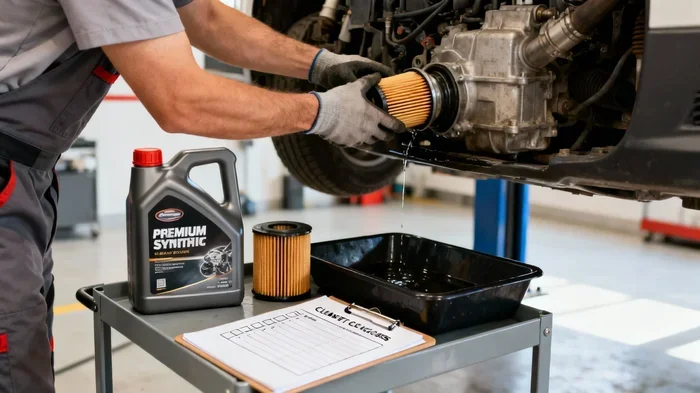
Follow your vehicle manufacturer’s recommended maintenance schedule. This includes regular oil changes, spark plug replacements, air filter changes, and fuel system cleanings. Staying on top of these simple tasks prevents many of the issues that trigger the check engine light.
Use Quality Fuel
Always use the fuel grade recommended by your vehicle manufacturer. While modern cars can handle some variation, consistently using low quality fuel can cause sensor issues and engine problems over time. Stick with reputable gas stations whenever possible.
Check Your Gas Cap Regularly
Make it a habit to tighten your gas cap every time you fill up. Over time, gas caps can wear out and lose their seal. Replace yours every few years or at the first sign of damage. It is a tiny part that prevents a big headache.
Address Small Issues Immediately
If you notice anything off with your car, do not ignore it. A small vibration, a slight decrease in fuel economy, or a subtle change in engine sound can be early warning signs. Catching problems early keeps them affordable and prevents the check engine light from coming on.
Invest in an OBD-II Scanner
Having a basic OBD-II scanner at home is one of the best investments you can make as a car owner. It lets you read and clear fault codes, monitor sensor data in real time, and stay informed about your vehicle’s health. Even a basic model costs under $30 and can save you hundreds in diagnostic fees.
How to Reset the Check Engine Light After Repair
Once you have fixed the problem that caused the check engine light to come on, you need to reset it. Here are the most common methods people use.
Method 1: Use an OBD-II Scanner
The best and most reliable way to reset the light is with an OBD-II scanner. Plug it into the diagnostic port under your steering column, read the stored codes, clear them, and the light should turn off. This method ensures all codes are properly erased and the system starts fresh.
Method 2: Disconnect the Battery
Some people disconnect the negative battery terminal for 15 to 30 minutes to reset the car’s computer. This works in many cases, but it also resets other settings like your radio presets and power window calibration. Use this method only if you do not have access to a scanner.
Method 3: Drive It Off
In some cases, simply driving the car normally for a week or so after fixing the problem will allow the ECM to run all its self-tests and turn the light off on its own. This only works if the repair was successful and no new codes are stored.
Remember, if the underlying problem is not truly fixed, the light will come back. Always make sure the repair is complete before attempting to reset the warning light.
Key Takeaways
- Check engine lights can sometimes clear themselves: Minor issues like a loose gas cap or temporary sensor glitch often resolve after a few drive cycles.
- Serious mechanical problems will not go away: Failing sensors, catalytic converter issues, and engine misfires require professional repair.
- OBD-II codes remain stored even after the light turns off: A scanner can still read old codes, which is useful for diagnosing recurring issues.
- A flashing light is an emergency: Pull over safely and seek professional help immediately if the light is flashing.
- Regular maintenance prevents most issues: Staying current with oil changes, spark plug replacements, and fuel system care keeps your car running smoothly.
- An OBD-II scanner is a must-have tool: It empowers you to read codes, understand what is wrong, and reset the light after repairs.
- Never ignore the check engine light: Even if it turns off, get the codes read to make sure there is no hidden problem.
Frequently Asked Questions
Can I keep driving if the check engine light is on?
If the light is solid and your car is driving normally, you can usually drive a short distance to get it checked. However, if the light is flashing or you notice any performance issues, you should stop driving and have the vehicle towed. Continuing to drive with a flashing check engine light can cause serious and expensive damage to your engine and exhaust system.
How long does it take for a check engine light to clear itself?
If the issue was minor, the light may turn off within one to three drive cycles, which usually takes a few days of normal driving. A drive cycle involves starting the car cold, driving it at various speeds, and letting it idle. If the problem persists, the light will stay on or come back on.
Will disconnecting the battery clear the check engine light permanently?
Disconnecting the battery may turn off the light temporarily, but if the underlying problem has not been fixed, the light will come back once you reconnect the battery and drive the car. The OBD-II system will detect the issue again and trigger the warning light. Always fix the root cause before attempting to reset the light.
Can a bad gas cap cause the check engine light to come on?
Yes, a loose, damaged, or missing gas cap is one of the most common reasons for a check engine light. The evaporative emission system detects a leak when the cap is not sealing properly. Tightening the cap or replacing it often resolves the issue within a day or two of driving.
Is it safe to use an OBD-II scanner to clear the codes myself?
Yes, using an OBD-II scanner to read and clear codes is completely safe. These tools are designed for both professional mechanics and everyday car owners. Just make sure you understand what the code means before clearing it, so you know whether the issue has been properly addressed or needs further attention.
What is the most common reason for a check engine light to come on?
The most common reason is a loose or faulty gas cap. Other frequent causes include oxygen sensor failure, catalytic converter problems, spark plug issues, and mass airflow sensor malfunctions. Getting the fault code read is the fastest way to determine the exact cause of your check engine light.
Final Thoughts
So, can check engine lights clear themselves? The answer is yes, but only in specific situations. Minor issues like a loose gas cap or a temporary sensor glitch often resolve on their own after a few drive cycles. However, real mechanical and electrical problems will not just disappear. They need proper diagnosis and repair.
The best thing you can do as a car owner is to take the check engine light seriously every time it comes on. Get the fault code read, understand what it means, and take appropriate action. Whether the fix is as simple as tightening your gas cap or as complex as replacing a catalytic converter, addressing the problem promptly keeps your car safe, reliable, and running efficiently for years to come.
Do not let that little yellow light scare you, but also do not ignore it. With the right knowledge and a basic OBD-II scanner, you can handle most check engine light situations with confidence. Stay proactive with your car maintenance, pay attention to what your vehicle is telling you, and you will be far ahead of most drivers on the road.