Does Fiat Own Maserati Discover The Full Ownership Story
So, does Fiat own Maserati? Yes, and the story behind it is fascinating. Fiat first acquired a stake in Maserati decades ago and now fully controls the luxury Italian automaker through its parent company, Stellantis. Understanding this ownership helps buyers make smarter decisions about luxury vehicles.
Does Fiat own Maserati? If you have ever wondered about the connection between these two iconic Italian brands, you are not alone. The answer is a clear yes, but the full story is much more interesting than a simple yes or no. Maserati has a rich history that stretches back nearly a century, and its journey into the Fiat family involves drama, business deals, and a lot of automotive passion.
Many car enthusiasts know Maserati as a luxury sports car brand. But fewer people understand how Fiat took control and what that means for the cars we see on the road today. In this article, we will walk through the complete ownership story. You will learn about the history, the corporate structure, and what the future holds for Maserati under Fiat’s watch.
Whether you are considering buying a Maserati or just love cars, this guide will give you everything you need. We will keep things simple and straightforward. No jargon, no fluff. Just the real story of how Fiat came to own one of Italy’s most prestigious car makers.
Key Takeaways
- Fiat Does Own Maserati: Fiat has full ownership of Maserati through the Stellantis group.
- Long History of Partnership: The Fiat-Maserati relationship dates back to the 1990s and evolved over decades.
- Stellantis Is the Parent Company: Maserati now falls under Stellantis, the massive global automotive group formed by Fiat and PSA.
- Maserati Models Have Changed: Fiat’s ownership brought new technology, platforms, and design direction to Maserati vehicles.
- Buyers Should Know the Background: Understanding ownership helps with resale value, parts availability, and service decisions.
- The Future Looks Electric: Maserati plans to go fully electric under Fiat’s corporate umbrella.
- Italian Luxury Meets Global Scale: Maserati retains its Italian soul but benefits from Fiat’s worldwide resources.
📑 Table of Contents
- The History of Maserati Before Fiat
- Does Fiat Own Maserati? The Full Ownership Story
- How Fiat Has Shaped Maserati’s Identity
- Current Maserati Models Under Fiat’s Umbrella
- What Does Fiat’s Ownership Mean for Maserati Buyers?
- The Future of Maserati Under Fiat and Stellantis
- Common Mistakes People Make About Maserati Ownership
- Expert Insights on the Fiat-Maserati Relationship
- Key Takeaways
- Conclusion
The History of Maserati Before Fiat
To understand the Fiat-Maserati relationship, you need to go way back. Maserati was founded in 1914 in Bologna, Italy. The Maserati brothers built the company with one goal: make fast, beautiful cars. For decades, Maserati focused on racing and luxury sports cars. The brand became known for elegance and speed.
Early Days and Racing Glory
The Maserati brothers were engineers at heart. They built their first car in 1926 and quickly made a name for themselves in racing. Maserati competed against brands like Alfa Romeo and Ferrari on the track. The brand earned a reputation for building powerful engines and refined machines.
Over the years, Maserati changed hands several times. The company faced financial struggles, which is common in the luxury car world. Different owners tried to keep the brand alive through tough times. But Maserati always kept its Italian soul intact.
The Struggle for Survival
By the 1990s, Maserati was struggling financially. The brand needed a partner with deep pockets and global reach. This is where Fiat entered the picture. Fiat saw potential in Maserati’s luxury appeal and racing heritage. The stage was set for one of the most important partnerships in car history.
Does Fiat Own Maserati? The Full Ownership Story
So, does Fiat own Maserati? Let us break it down step by step. The answer is yes, but it did not happen overnight. The ownership journey took decades and involved several key moments that shaped the brand we know today.
Fiat’s First Steps with Maserati
Fiat first got involved with Maserati in 1993. At that time, Fiat purchased a controlling stake in the company. This was a big deal for the luxury car world. Maserati now had the financial backing it needed to develop new models and compete with other premium brands.
Under Fiat’s early ownership, Maserati launched several new cars. The Maserati Biturbo was one of the first models developed during this period. It showed that Maserati could still build exciting vehicles with Fiat’s support behind it.
The Fiat Chrysler Automobiles Era
In 2014, Fiat created a larger company called Fiat Chrysler Automobiles, or FCA for short. Maserati became a key brand within this new group. FCA combined Fiat’s Italian brands with Chrysler’s American lineup. This gave Maserati access to new technology, platforms, and global markets.
During the FCA era, Maserati released several important models. The Maserati Ghibli sedan was a big hit. The Maserati Levante luxury SUV also helped the brand reach new customers. These cars showed that Maserati could compete in the modern luxury market.
Stellantis: The Current Parent Company
In 2021, Fiat Chrysler Automobiles merged with PSA Group to form Stellantis. This massive automotive group now owns Maserati. Stellantis is one of the largest car companies in the world. It includes brands like Fiat, Chrysler, Jeep, Peugeot, Citroen, and of course, Maserati.
So when you ask, does Fiat own Maserati, the more accurate answer is that Maserati is part of the Stellantis family. Fiat is one of the key brands within Stellantis, and Maserati sits alongside it in the corporate structure. The Fiat group essentially controls Maserati through this larger organization.
How Fiat Has Shaped Maserati’s Identity
Fiat’s ownership has had a huge impact on Maserati. The Italian luxury brand has changed in many ways since joining the Fiat family. Some changes have been positive. Others have sparked debate among car enthusiasts.
New Platforms and Technology
One of the biggest benefits of Fiat ownership is access to shared platforms. Maserati now uses the same basic vehicle structures as other Stellantis brands. This helps reduce costs and speeds up development. The Maserati Ghibli and Maserati Quattroporte both use platforms related to other FCA vehicles.
Technology sharing has also improved Maserati cars. Infotainment systems, safety features, and engine options have benefited from Fiat’s research and development. This means buyers get more modern features at competitive prices.
Design Evolution
Maserati’s design has evolved under Fiat’s guidance. The brand still looks Italian and luxurious. But the styling has become more modern and refined. Current Maserati models feature sleek lines, bold grille designs, and premium interiors.
Some fans miss the raw, edgy look of older Maseratis. Others appreciate the more polished, contemporary aesthetic. Either way, Fiat’s influence has kept the brand relevant in today’s luxury car market.
Performance and Driving Experience
Maserati has always been about performance. Under Fiat ownership, the brand has continued to focus on driving pleasure. The Maserati MC20 supercar is a great example. It features a powerful twin-turbo V6 engine developed in-house. This shows that Maserati still has the engineering passion that made the brand famous.
However, some models have faced criticism for not feeling sporty enough. The balance between luxury comfort and raw performance has shifted in some cases. Fiat’s focus on broader market appeal has influenced this direction.
Current Maserati Models Under Fiat’s Umbrella
Today, Maserati offers a range of vehicles that reflect both its Italian heritage and Fiat’s corporate influence. Let us look at the current lineup and what makes each model special.
Maserati Ghibli
The Ghibli is Maserati’s entry-level luxury sedan. It offers a great balance of performance and elegance. The Ghibli comes with a twin-turbo V6 engine that delivers strong acceleration. Prices start lower than many rival German sedans, making it an attractive option.
Maserati Quattroporte
The Quattroporte is Maserati’s full-size luxury sedan. It is larger and more refined than the Ghibli. The interior features premium materials and advanced technology. The Quattroporte competes directly with the BMW 7 Series and Mercedes-Benz S-Class.
Maserati Levante
The Levante is Maserati’s luxury SUV. It combines sporty performance with practical everyday usability. The Levante comes in several trims, including the powerful Trofeo version. It is a great choice for buyers who want Italian style with more cargo space.
Maserati GranTurismo and MC20
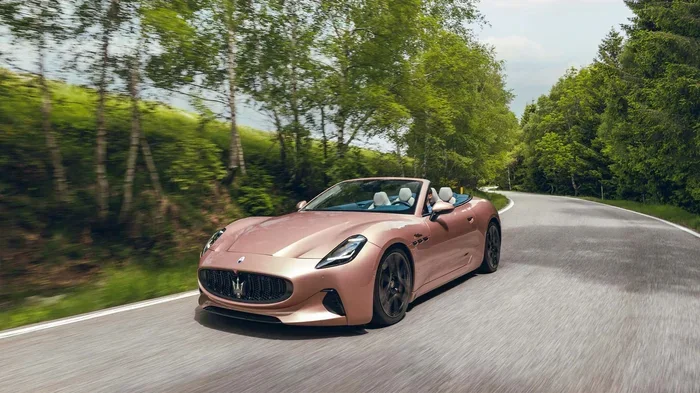
The GranTurismo is a grand tourer that offers comfort and style. The MC20 is Maserati’s supercar. It represents the brand’s performance peak. Both models show that Maserati can still build exciting, driver-focused cars under Fiat’s ownership.
What Does Fiat’s Ownership Mean for Maserati Buyers?
If you are thinking about buying a Maserati, understanding the ownership situation matters. Here are some key factors to consider.
Parts and Service Availability
Fiat’s global network means Maserati parts are more accessible than ever. Dealerships and service centers can source components more efficiently. This can lead to lower repair costs and faster service compared to smaller luxury brands.
Resale Value
Maserati resale values have been a topic of discussion among buyers. Some models hold value well, especially rare or limited editions. The Fiat connection provides stability, which can be reassuring for resale prospects. However, Maserati still depreciates faster than brands like Porsche or Mercedes-AMG.
Warranty and Support
Maserati offers competitive warranty packages. The Stellantis backing provides financial stability for the brand. Buyers can feel confident that Maserati will be around for years to come. This is not always the case with smaller luxury manufacturers.
The Future of Maserati Under Fiat and Stellantis
What does the future hold for Maserati? The brand has big plans under Fiat’s corporate umbrella. The automotive industry is changing fast, and Maserati is adapting.
Going Fully Electric
Maserati has announced plans to go fully electric. By 2030, the brand aims to offer only electric and hybrid vehicles. This aligns with Stellantis’s broader electrification strategy. The Maserati Folgore electric SUV is one of the first models in this new direction.
New Models on the Horizon
Maserati is developing several new vehicles. These include electric versions of popular models and entirely new designs. The brand wants to compete with Tesla and other electric luxury makers. Fiat’s resources and technology will play a key role in this transformation.
Staying True to Italian Roots
Despite all the corporate changes, Maserati is committed to its Italian identity. The brand will continue to design and engineer cars in Italy. The soul of Maserati, its passion for driving and luxury, will remain intact. Fiat’s ownership has provided stability without erasing what makes Maserati special.
Common Mistakes People Make About Maserati Ownership
There are several common mistakes that buyers and owners make when it comes to Maserati. Avoiding these can save you time, money, and frustration.
- Assuming maintenance costs are the same as German brands: Maserati service can be less expensive than BMW or Mercedes, but it is still a luxury car. Budget accordingly.
- Ignoring the Fiat connection for parts: Some parts are shared with other Stellantis brands. This can actually make replacements easier and cheaper in some cases.
- Overlooking the electric future: If you are considering a Maserati now, think about how the brand’s electric shift might affect your decision.
- Not researching resale values: Maserati models vary widely in how well they hold value. Do your homework before buying.
- Underestimating the driving experience: Maserati is still a driver’s car at heart. Do not let the luxury focus make you forget the fun factor.
Expert Insights on the Fiat-Maserati Relationship
Automotive experts have shared their thoughts on how Fiat’s ownership has affected Maserati. Many agree that the partnership has brought stability and resources. The brand has access to technology and platforms that would be impossible to develop alone.
However, some experts note that Maserati has lost some of its unique identity. The shared platforms mean Maserati cars are not entirely distinct from other Stellantis vehicles. The challenge for the brand is to maintain its Italian character while benefiting from corporate scale.
Industry analysts also point to the electric transition as a critical period. Maserati’s success in the EV market will depend heavily on how well it leverages Fiat and Stellantis resources. The next few years will be defining for the brand.
Key Takeaways
- Fiat Does Own Maserati: Fiat controls Maserati through its parent company, Stellantis. The ownership structure is clear and well-established.
- Long History of Partnership: The Fiat-Maserati relationship dates back to the 1990s and has grown stronger over decades.
- Stellantis Is the Parent Company: Maserati is part of the Stellantis group, which includes many major automotive brands worldwide.
- Maserati Models Have Changed: Fiat’s ownership brought new platforms, technology, and design direction to Maserati vehicles.
- Buyers Should Know the Background: Understanding ownership helps with resale value, parts availability, and service decisions.
- The Future Looks Electric: Maserati plans to go fully electric under Fiat’s corporate umbrella, with new models coming soon.
- Italian Luxury Meets Global Scale: Maserati retains its Italian soul but benefits from Fiat’s worldwide resources and expertise.
Conclusion
So, does Fiat own Maserati? The answer is a definitive yes. Fiat has been a key part of Maserati’s journey for nearly three decades. Through Fiat Chrysler Automobiles and now Stellantis, the Italian luxury brand has found stability, resources, and a global platform.
The ownership story is complex but fascinating. From its early days as an independent racing brand to its current position within one of the world’s largest automotive groups, Maserati has come a long way. Fiat’s influence has shaped the brand in meaningful ways, from new technology to modern design.
If you are a Maserati fan or a potential buyer, understanding this ownership is valuable. It gives you context for the cars, the brand direction, and what to expect going forward. Maserati is entering an exciting new era with its electric future, and Fiat’s backing will be crucial to that success.
The bottom line is simple. Fiat owns Maserati, and that relationship has benefited both brands. Maserati gets the support it needs to thrive, and Fiat gains a prestigious luxury name in its portfolio. It is a partnership that continues to evolve, and the best is yet to come.
Frequently Asked Questions
Does Fiat fully own Maserati today?
Yes, Fiat fully owns Maserati through its parent company, Stellantis. Maserati operates as a luxury brand within the Stellantis group, which is controlled by the Fiat family. The ownership structure is clear and well-established in the automotive industry.
When did Fiat first acquire Maserati?
Fiat first acquired a controlling stake in Maserati in 1993. Since then, the relationship has grown stronger through various corporate changes. Fiat eventually created Fiat Chrysler Automobiles, which included Maserati as a key brand. Today, Maserati is part of Stellantis, the merger of Fiat Chrysler and PSA Group.
Is Maserati still an Italian brand under Fiat?
Yes, Maserati remains an Italian brand. The cars are still designed and engineered in Italy. Fiat’s ownership has not changed the brand’s Italian identity. Maserati continues to operate from its headquarters in Modena, Italy, and maintains its Italian heritage and design philosophy.
Are Maserati parts easy to find because of Fiat ownership?
Yes, Maserati parts are generally more accessible now than before Fiat’s ownership. The Stellantis group shares parts and resources across its brands. This can make repairs easier and sometimes more affordable. However, Maserati is still a luxury brand, so costs are higher than for mainstream vehicles.
What is Stellantis and how does it relate to Maserati?
Stellantis is the massive automotive group formed by the merger of Fiat Chrysler Automobiles and PSA Group in 2021. It owns many well-known brands including Fiat, Chrysler, Jeep, Peugeot, and Maserati. Maserati sits within Stellantis as a luxury brand, benefiting from the group’s global scale and resources.
Will Maserati become fully electric under Fiat’s ownership?
Yes, Maserati has announced plans to go fully electric by 2030. The brand is developing new electric models, including the Maserati Folgore SUV. Fiat’s Stellantis group is investing heavily in electrification, and Maserati will be a key part of that strategy. The electric transition is expected to bring new technology and performance to Maserati vehicles.