40 Percent Window Tint: Benefits and Drawbacks Explained
The 40 percent window tint offers a balanced mix of UV protection, heat rejection, and style for any vehicle. It blocks significant solar heat while maintaining good visibility for safe driving. However, legal restrictions and nighttime visibility can be drawbacks depending on your location.
The 40 percent window tint has become one of the most popular choices for car owners who want a balance of style, comfort, and protection. This medium-dark tint level blocks a significant amount of UV rays and solar heat while still allowing good visibility during the day. Many drivers choose a 40 percent window tint to reduce glare, enhance privacy, and give their vehicle a sleek, polished look. In this article, we break down the key benefits and drawbacks so you can make a confident decision. Whether you are tinting a sedan, SUV, or truck, this guide covers everything you need to know about the 40 percent window tint before you visit a shop.
Choosing the right window tint percentage can feel overwhelming. There are so many options on the market, and each one serves a different purpose. A 40 percent window tint falls in the medium range, which makes it a versatile choice for many drivers and vehicle types. It is dark enough to deliver noticeable benefits but light enough to stay practical for daily use. Understanding what this tint level can and cannot do will help you get the most out of your investment and avoid common pitfalls.
Key Takeaways
- UV Protection: A 40 percent window tint blocks up to 99% of harmful UV rays, protecting your skin and car interior.
- Heat Reduction: This tint level rejects a large portion of solar heat, making your drives more comfortable in hot weather.
- Legal Considerations: Tint laws vary by state, so always check your local regulations before choosing a 40 percent window tint.
- Night Visibility: At night or in low-light conditions, a 40 percent tint may reduce visibility more than lighter tints.
- Cost Range: Professional installation typically costs between $200 and $500, depending on your vehicle and film quality.
- Durability: High-quality window film can last 5 to 10 years with proper care and maintenance.
- Best For: This tint level works well for drivers who want a medium-dark look without going too dark for daily use.
📑 Table of Contents
What Is a 40 Percent Window Tint?
A 40 percent window tint means that 40% of visible light passes through the glass, while the remaining 60% is blocked by the film. This is measured using a metric called Visible Light Transmission, or VLT. The lower the VLT number, the darker the tint appears. A 40 percent window tint sits in the medium range, offering a noticeably darker look than a 50% or 70% tint while still being lighter than a 20% or 5% tint.
How Tint Percentage Works
The window tint percentage refers to the amount of light the film allows to pass through your car windows. Think of it like sunglasses for your vehicle. A 70% tint lets in 70% of light and looks nearly clear, while a 5% tint lets in only 5% and appears very dark. A 40 percent window tint blocks 60% of incoming light, creating a medium-dark appearance that many drivers find appealing. This level of aftermarket tint is popular because it provides real benefits without being too dark for everyday driving.
Visible Light Transmission and VLT
Visible Light Transmission, commonly known as VLT, is the standard measurement used across the car window tinting industry. When you hear someone talk about tint percentage, they are referring to VLT. For example, a 40 percent window tint has a VLT of 40%, meaning it allows 40% of visible light to pass through the glass. This measurement is important because it directly affects how dark your windows look and how much light enters your vehicle. Different states have different legal VLT limits, so understanding this number is essential before you purchase any window film.
Common Uses for 40 Percent Tint
A 40 percent window tint works well for many different situations. It is a popular choice for daily drivers, family cars, and work vehicles. Many car owners use this tint level for a style upgrade that gives their vehicle a refined, polished appearance. It is also a great option for people who want UV protection and heat rejection without going too dark. Some drivers choose a 40 percent window tint for the privacy tint it provides, keeping prying eyes out of their vehicle during parking trips or daily commutes.
Quick Tip: Always ask your installer for the VLT rating of the film they use. This ensures you get exactly the window tint percentage you want and stay within legal limits.
| Tint Level | VLT (%) | Darkness | Best For |
|---|---|---|---|
| 70% Tint | 70 | Very Light | Subtle look, minimal heat reduction |
| 50% Tint | 50 | Light | Basic UV protection, casual driving |
| 40% Tint | 40 | Medium | Balance of style, comfort, and protection |
| 35% Tint | 35 | Medium-Dark | Enhanced privacy and heat rejection |
| 20% Tint | 20 | Dark | Maximum privacy, premium look |
| 5% Tint | 5 | Very Dark | Maximum privacy, limited visibility |
Top Benefits of 40 Percent Window Tint
A 40 percent window tint delivers a range of practical benefits that make it a favorite among car owners. From protecting your health to improving your driving experience, this tint level offers more than just a darker look. Let us explore the top advantages in detail.
UV Protection and Health Benefits
One of the biggest reasons drivers choose a 40 percent window tint is the UV protection it provides. Quality window film can block up to 99% of harmful ultraviolet rays. These rays can cause skin damage, premature aging, and even increase the risk of skin cancer over time. When you drive with tinted windows, you significantly reduce your exposure to UV radiation, especially on long road trips or daily commutes. This car tint benefit is often overlooked but is one of the most important health reasons to tint your windows.
Expert Insight: “UV rays penetrate car windows more than most people realize. Even on cloudy days, UV exposure through side and rear windows can add up over years of daily driving. A 40 percent window tint with high UV rejection is one of the best investments you can make for your long-term skin health.” — Automotive Tint Specialist
Heat Rejection and Driving Comfort
Another major advantage of a 40 percent window tint is its ability to reject solar heat. Solar heat gain can make your car interior unbearably hot on sunny days. A good window film with infrared rejection properties can block a significant portion of this heat, keeping your cabin cooler and more comfortable. This means you spend less time blasting the air conditioning and more time enjoying a pleasant drive. Over time, reduced heat reduction needs can even improve your fuel efficiency slightly, since your AC does not work as hard.
Many drivers report that driving comfort improves dramatically after tinting their windows. The 40 percent window tint strikes a perfect balance — it blocks enough heat to make a real difference without making the car feel like a cave. This makes it an ideal choice for hot climates and summer driving.
Privacy and Style Upgrade
A 40 percent window tint gives your vehicle a polished, finished look that many drivers find very attractive. It provides a privacy tint that makes it harder for people outside to see into your car. This is especially useful when you park in busy areas, leave valuables in your vehicle, or simply prefer more privacy on the road. The style upgrade from a medium-dark tint is immediate and noticeable. Your car looks sleeker, more refined, and more put-together with a 40 percent window tint installed.
Common Mistake: Do not choose a tint level solely based on looks. Always consider functionality, legal limits, and your personal driving habits. A tint that looks great but causes visibility issues can be dangerous.
Drawbacks of 40 Percent Window Tint
While a 40 percent window tint offers many advantages, it is important to understand the potential downsides before making your decision. Every tint level comes with trade-offs, and being aware of them helps you set realistic expectations.
Visibility Challenges at Night
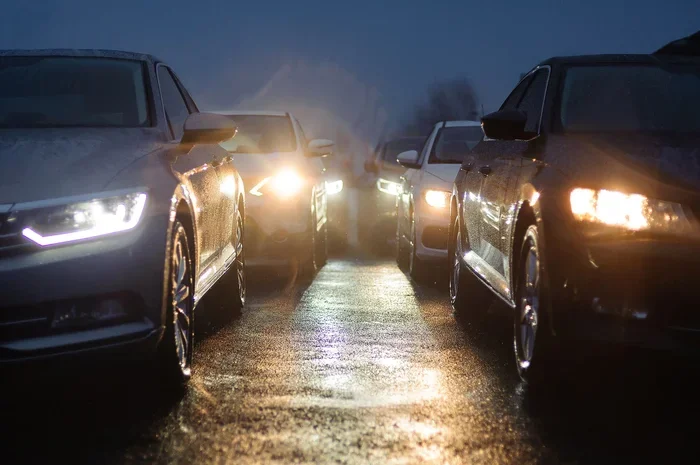
The most commonly reported drawback of a 40 percent window tint is reduced visibility during nighttime driving. Because the film blocks 60% of incoming light, your windows naturally appear darker in low-light conditions. This can make it harder to see pedestrians, road signs, and other vehicles when it is dark outside. For drivers who frequently drive at night or in areas with poor street lighting, this can be a real concern. It takes a few days to adjust to tinted windows, but some drivers never fully feel comfortable with the reduced night visibility.
Legal Restrictions and Tint Laws
Tint laws vary significantly from state to state, and a 40 percent window tint may not be legal everywhere. Some states allow up to 50% VLT on front side windows, while others restrict front windows to 70% or higher. If you live in a state with strict legal tint limits, a 40% tint on your front windows could result in a ticket or a requirement to remove the film. Always research your local window tint laws before purchasing any tint. Many shops will check the regulations for you, but it is wise to verify this information yourself as well.
Potential for Tint Peeling and Bubbling
Like any aftermarket tint, a 40 percent window tint can experience issues over time if the film quality is poor or the installation is not done correctly. Tint peeling and bubbling are common problems that occur when moisture gets trapped under the film or when the adhesive degrades. Low-quality window film is more prone to these issues, especially in hot climates where heat and UV exposure accelerate wear. To avoid this, invest in a high-quality film from a reputable brand and have it professionally installed. A well-installed 40 percent window tint can last many years without peeling or bubbling.
Is 40 Percent Window Tint Legal?
The legality of a 40 percent window tint depends entirely on where you live. Tint laws are regulated at the state level in the United States, and different states have different rules for front side windows, rear side windows, and rear windshield. Understanding these regulations is critical before you commit to any tint level.
State-by-State Tint Laws
Some states allow a 40 percent window tint on all windows, while others restrict front side windows to a higher VLT. For example, states like California and New York have stricter front window tint laws, typically requiring a VLT of 70% or higher on front doors. States like Arizona and Texas tend to be more lenient, often allowing a 40% VLT on front side windows. Always check your specific state’s legal tint limit before purchasing any film. Getting pulled over for an illegal tint can result in fines and the hassle of having to remove the tint.
Medical Exemptions and Special Cases
Some states offer medical exemptions for tinted windows that allow darker tint levels than the standard legal limit. If you or a passenger has a medical condition that makes you sensitive to sunlight, you may qualify for an exemption. Conditions like lupus, melanoma, or severe photosensitivity can qualify you for a special permit that allows a 40 percent window tint even in states with stricter laws. Check with your local Department of Motor Vehicles to learn about the exemption process in your area.
Cost and Installation Guide for 40 Percent Tint
The window tint cost for a 40 percent window tint varies based on several factors, including the type of film, the size of your vehicle, and whether you choose professional installation or a DIY kit. Understanding the costs upfront helps you budget properly and avoid surprises.
Window Tint Cost Breakdown
On average, professional installation of a 40 percent window tint costs between $200 and $500 for a standard sedan. Larger vehicles like SUVs and trucks may cost more, typically in the range of $300 to $700. The price depends heavily on the quality of the film. Premium window film brands with advanced heat rejection technology and lifetime warranties cost more but offer better performance and durability. Budget films may save you money upfront but are more likely to fade, peel, or bubble over time.
DIY vs Professional Installation
Some car owners choose to install a 40 percent window tint themselves using a DIY kit. These kits cost between $50 and $200 and can save you a significant amount of money. However, DIY installation requires patience, the right tools, and a clean, dust-free environment. Poor installation often leads to bubbles, creases, and uneven application. Professional installation typically costs more but delivers a cleaner, more durable result. If you are not experienced with tinting, it is usually worth paying for professional work to avoid costly mistakes and re-dos.
How Long Does 40 Percent Tint Last?
A high-quality 40 percent window tint can last anywhere from 5 to 10 years with proper care. The lifespan depends on the film quality, the climate you live in, and how well you maintain the tinted windows. Films with metalized or ceramic particles tend to last longer than dyed films. To maximize the lifespan of your tint, avoid rolling down your windows for at least 3 to 5 days after installation. This allows the adhesive to cure fully. Regular cleaning with a non-ammonia-based cleaner also helps preserve the film and prevent premature degradation.
Is 40 Percent Window Tint Worth It?
Deciding whether a 40 percent window tint is worth the investment depends on your priorities, driving habits, and local laws. This tint level offers a balanced mix of protection, comfort, and style that works for most drivers. But it is not the perfect choice for everyone. Let us look at who benefits most from this tint level and who might want to consider alternatives.
Who Should Choose 40 Percent Tint
A 40 percent window tint is an excellent choice if you want a noticeable but not extreme darkening of your windows. It works well for daily drivers, family vehicles, and anyone who drives a mix of daytime and nighttime routes. If you live in a hot climate, the heat rejection and UV protection benefits alone make it worth considering. Drivers who want a style upgrade without going too dark will also find that a 40% tint delivers a polished, refined look. It is one of the most versatile tint levels available and appeals to a wide range of car owners.
Who Should Avoid 40 Percent Tint
You may want to avoid a 40 percent window tint if you frequently drive at night in areas with poor lighting. The reduced visibility can be a safety concern in these situations. If you live in a state with very strict legal tint limits, a 40% tint on your front windows could put you at risk for fines. Additionally, if your primary goal is maximum heat rejection or total privacy, you might want to consider a darker tint level like 20% or 15%. It is important to be honest about your needs and choose a tint level that aligns with your daily driving conditions.
Quick Tips for Getting the Best Results
- Choose a reputable brand: Premium window film brands offer better heat rejection, longer lifespan, and stronger warranties.
- Check local laws first: Verify your state’s legal tint limit before purchasing any film to avoid fines or removal costs.
- Invest in professional installation: A professional job reduces the risk of bubbles, peeling, and uneven application.
- Wait before rolling down windows: Give the tint at least 3 to 5 days to cure fully before rolling your windows down.
- Clean with care: Use a non-ammonia cleaner and a soft cloth to maintain your tinted windows without damaging the film.
- Consider ceramic film: Ceramic window film offers superior infrared rejection and does not interfere with electronic signals like GPS or phone reception.
Conclusion
The 40 percent window tint is a smart, versatile choice for car owners who want real benefits without going too dark. It offers strong UV protection, effective heat rejection, and a polished look that enhances any vehicle. The drawbacks, such as reduced night visibility and varying legal restrictions, are manageable when you do your research beforehand. By understanding the window tint percentage system, checking your local laws, and investing in quality film and professional installation, you can enjoy all the advantages of a 40 percent window tint for years to come. Take your time, compare your options, and choose the tint level that best fits your driving lifestyle and priorities.
Frequently Asked Questions
Is a 40 percent window tint dark enough to provide good privacy?
Yes, a 40 percent window tint provides a noticeable level of privacy for most drivers. It is dark enough to make it difficult for people outside to see into your vehicle during the day. However, at night with interior lights on, some visibility from outside may still be possible. For maximum privacy, many car owners pair a 40% tint on the front windows with darker tint on the rear windows.
Can I install a 40 percent window tint myself?
You can, but it requires patience and the right tools. DIY window tint kits are available at most auto parts stores for a fraction of the cost of professional installation. The key is to work in a dust-free environment, apply the film carefully, and use a squeegee to remove air bubbles. If you are not experienced, professional installation will give you a cleaner, more durable result.
Does a 40 percent window tint affect GPS or phone signals?
It depends on the type of film you choose. Traditional metalized window film can interfere with GPS, Bluetooth, and cell phone signals. However, ceramic window film options reject heat effectively without blocking electronic signals. Always ask your installer about signal-safe options if you rely heavily on navigation or hands-free communication while driving.
How much does a 40 percent window tint cost on average?
The average window tint cost for professional installation ranges from $200 to $500 for a standard sedan. Larger vehicles like SUVs and trucks may cost between $300 and $700. The price depends on the film quality, brand, and the number of windows you tint. Premium ceramic films cost more but offer superior performance and longer warranties.
How long does it take for a 40 percent window tint to cure?
Most window film installations take 3 to 5 days to cure fully, though this can vary based on the film type and climate. During this curing period, you may notice some haziness or small bubbles, which is completely normal. Avoid rolling down your windows for at least 3 days to allow the adhesive to set properly and ensure a smooth, long-lasting finish.
What is the difference between a 40 percent and a 35 percent window tint?
The difference between a 40 percent window tint and a 35% tint is subtle. A 35% tint lets in 35% of light and appears slightly darker than a 40% tint. Both provide similar levels of UV protection and heat rejection. The choice between the two usually comes down to personal preference for darkness and style. A 35% tint is slightly more popular in warmer climates where maximum heat rejection is desired.