How Volvo Mild Hybrid Technology Works Under the Hood
Volvo Mild Hybrid Technology uses a small electric motor and a 48-volt battery to assist the engine, boost fuel efficiency, and reduce emissions. The system delivers smooth start-stop functionality, torque assist, and energy recovery through regenerative braking. If you have ever wondered what makes a Volvo mild hybrid different from a full hybrid, this guide breaks it all down in simple terms.
Have you ever wondered what happens when you press the start button on a Volvo mild hybrid? It feels almost magical. The engine fires up quietly, the car glides forward, and you barely notice the technology at work. Yet beneath the surface, a clever Volvo Mild Hybrid Technology system is doing a lot of heavy lifting.
This technology has been a game-changer for the brand. It combines a traditional combustion engine with a small electric motor and a 48-volt battery pack. The result is a powertrain that uses less fuel, produces fewer emissions, and still delivers the performance drivers expect from a Volvo. Whether you are shopping for a new SUV or a sleek sedan, understanding how this system works can help you make a smarter buying decision.
In this article, we will walk you through every major component of the Volvo mild hybrid system. We will explain how the electric motor assists the engine, how energy gets recovered during braking, and why this setup is different from a full hybrid or a plug-in hybrid. By the end, you will have a clear picture of what makes Volvo mild hybrid technology tick.
Key Takeaways
- A 48-volt electrical system powers the mild hybrid setup, making it lighter and more efficient than traditional 12-volt systems.
- The electric motor provides torque assist, helping the engine accelerate more smoothly and using less fuel.
- Regenerative braking recovers energy during deceleration and stores it in the battery pack for later use.
- Volvo mild hybrid technology works with both petrol and diesel engines, offering flexibility across the lineup.
- The system improves fuel economy by up to 15 percent compared to non-hybrid versions of the same model.
- Start-stop functionality shuts off the engine at idle, saving fuel in city driving and traffic.
- Mild hybrids cannot run on electric power alone, but they still deliver a noticeably better driving experience.
📑 Table of Contents
- What Is Volvo Mild Hybrid Technology?
- How the Electric Motor Assists the Engine
- Energy Recovery Through Regenerative Braking
- How the System Integrates with the Powertrain
- Benefits of Volvo Mild Hybrid Technology
- Common Misconceptions About Mild Hybrids
- How to Get the Most Out of Your Volvo Mild Hybrid
- How Volvo Mild Hybrid Technology Compares to Other Hybrid Systems
- Frequently Asked Questions
- Conclusion
What Is Volvo Mild Hybrid Technology?
Let us start with the basics. A mild hybrid is a vehicle that uses two power sources: a conventional engine and a small electric motor. The electric motor is not powerful enough to move the car on its own. Instead, it works alongside the engine to improve efficiency and performance. This is the core idea behind Volvo Mild Hybrid Technology.
Unlike a full hybrid, which can drive on electric power alone for short distances, a mild hybrid always relies on the combustion engine for primary propulsion. The electric motor acts as a helper. It provides extra torque during acceleration, powers the electrical systems, and recovers energy that would otherwise be wasted. Think of it as a co-pilot that makes the engine’s job easier.
Volvo introduced its mild hybrid system as part of its broader push toward sustainability. The company has committed to electrifying its entire lineup, and mild hybrids are a practical stepping stone. They offer real benefits without the higher cost or complexity of a full hybrid or plug-in hybrid. For many buyers, a Volvo mild hybrid strikes the perfect balance between technology, efficiency, and affordability.
The 48-Volt Electrical System
At the heart of every Volvo mild hybrid is a 48-volt electrical system. Traditional cars use a 12-volt battery to power lights, the radio, and other electronics. A 48-volt system is significantly more powerful. It can handle the demands of an electric motor, regenerative braking, and advanced start-stop functions without straining the electrical system.
The 48-volt battery pack is typically a lithium-ion unit. It is compact and lightweight, so it does not add much weight to the vehicle. In most Volvo models, the battery sits in the trunk or under the rear seats. Its location helps maintain a balanced weight distribution, which improves handling and ride quality.
The 48-volt system also powers a belt-driven starter-generator. This device replaces the traditional starter motor and alternator. It can start the engine silently, generate electricity, and provide torque assist. All of this happens seamlessly in the background, which is why driving a Volvo mild hybrid feels so natural.
How the Electric Motor Assists the Engine
The electric motor in a Volvo mild hybrid is relatively small. It typically produces between 10 and 15 kilowatts of power. That is not enough to propel the car on its own. But it is more than enough to make a meaningful difference in how the vehicle performs and how much fuel it uses.
Torque Assist for Smoother Acceleration
One of the biggest benefits of Volvo Mild Hybrid Technology is torque assist. When you press the accelerator pedal, the electric motor provides an immediate burst of power. This fills in the gap before the turbocharged engine reaches its peak torque output.
In a conventional car, there is often a slight delay between pressing the pedal and feeling the surge of power. The turbo needs to spool up first. With a mild hybrid, the electric motor fills that gap. The result is smoother, more responsive acceleration. You feel the boost instantly, and the engine does not have to work as hard.
Torque assist is especially noticeable in stop-and-go traffic. When you pull away from a light, the electric motor gives the car a gentle push. This makes the driving experience feel more refined and effortless. Over time, this added efficiency translates into better fuel economy and fewer trips to the gas station.
Seamless Start-Stop Functionality
You have probably noticed that some cars shut off their engine when you stop at a red light. This is called start-stop technology. In a Volvo mild hybrid, the system is far more refined. The electric motor handles the restart so smoothly that you barely notice it.
When you come to a complete stop, the engine shuts off automatically. This saves fuel because an idling engine consumes gas for no reason. When you release the brake pedal, the starter-generator fires the engine back up in milliseconds. The transition is so seamless that you barely feel it.
Start-stop technology is most beneficial in city driving, where you spend a lot of time at intersections and in traffic jams. According to Volvo, the mild hybrid system can improve fuel economy by up to 15 percent in urban driving conditions. That is a significant gain for a system that adds very little weight or cost to the vehicle.
Energy Recovery Through Regenerative Braking
One of the smartest features of Volvo Mild Hybrid Technology is regenerative braking. In a conventional car, when you hit the brakes, the kinetic energy of the moving vehicle is converted into heat and lost. A mild hybrid captures some of that energy and puts it to good use.
When you lift off the accelerator or apply the brakes, the electric motor reverses its role. Instead of using electricity to create motion, it uses motion to generate electricity. This electricity flows back into the 48-volt battery pack, where it is stored for later use.
The process is called energy recovery, and it happens every time you slow down or coast. Over the course of a typical drive, the system recovers a surprising amount of energy. This stored energy is then used to power the electric motor, support the electrical systems, and assist the engine during acceleration.
Coasting and Sailing Modes
Some Volvo mild hybrid models feature a coasting or sailing mode. When you take your foot off the accelerator on a highway or a downhill stretch, the engine shuts off and the car glides forward. The electric motor can either generate electricity or simply act as a bearing to reduce drag.
Coasting reduces fuel consumption because the engine is not burning gas while the car is moving. The system monitors road conditions, speed, and battery charge to decide when to coast and when to recover energy. It all happens automatically, so you do not need to do anything special.
This feature is a great example of how Volvo Mild Hybrid Technology optimizes every aspect of driving. It is not just about adding an electric motor. It is about creating a system where every bit of energy is used as efficiently as possible.
How the System Integrates with the Powertrain
A common question is how the mild hybrid system connects to the rest of the powertrain. The answer is that it is deeply integrated. Volvo has designed the system to work hand-in-hand with the engine, transmission, and electrical architecture.
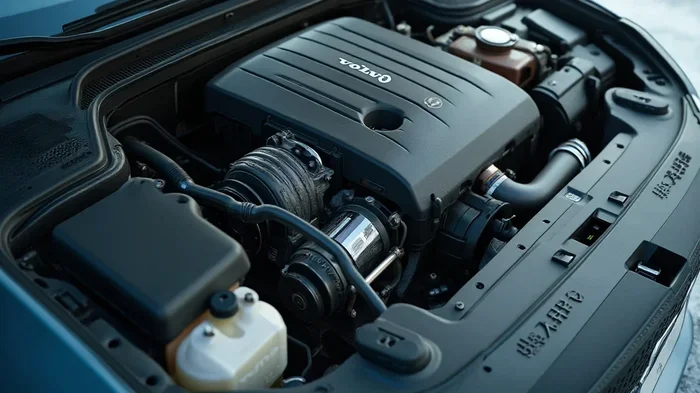
In most Volvo mild hybrid models, the 48-volt system works with a turbocharged petrol or diesel engine. The electric motor is connected to the engine via a belt or an integrated unit. The transmission remains a conventional automatic or a dual-clutch unit. There is no need for a heavy transmission overhaul or a second electric motor.
This integration keeps the system simple and reliable. There are fewer moving parts than in a full hybrid, which means lower maintenance costs and fewer things that can go wrong. For owners, this translates into peace of mind and lower long-term ownership costs.
Petrol vs Diesel Mild Hybrid Configurations
Volvo offers mild hybrid technology with both petrol and diesel engines. The petrol versions typically pair a 2.0-liter turbocharged engine with the electric motor. The diesel versions use a similar setup with a four-cylinder diesel engine. Both configurations benefit from the same core mild hybrid features.
In petrol models, torque assist is particularly noticeable because the electric motor fills in the low-end torque gap. In diesel models, the system helps smooth out the power delivery and improves emission reduction. Both setups deliver better fuel economy and a more refined driving experience compared to their non-hybrid counterparts.
The choice between petrol and diesel depends on your driving habits and preferences. Petrol models are often better suited for city driving, while diesel models excel on highways and for towing. Regardless of the engine type, the mild hybrid system adds value in both cases.
Benefits of Volvo Mild Hybrid Technology
Now that we have covered how the system works, let us talk about the benefits. Why should you care about Volvo Mild Hybrid Technology? The answer lies in the real-world advantages it offers.
Improved Fuel Economy
The most obvious benefit is better fuel economy. The electric motor assists the engine, which means the engine does not have to work as hard. Start-stop functionality eliminates wasted fuel at idle. Regenerative braking recovers energy that would otherwise be lost.
In real-world driving, Volvo mild hybrid owners report fuel savings of 5 to 15 percent compared to non-hybrid versions of the same model. For someone who drives 15,000 miles per year, that can add up to hundreds of dollars saved at the pump. Over the life of the vehicle, those savings can be substantial.
Reduced Emissions
Less fuel burned means fewer emissions. The mild hybrid system helps reduce CO2 output, which is better for the environment. Volvo has set ambitious targets for reducing its fleet-wide emissions, and mild hybrids are a key part of that strategy.
For buyers who care about sustainability but cannot justify a full hybrid or electric vehicle, a mild hybrid is an excellent compromise. It offers a tangible reduction in environmental impact without requiring a plug or a significant change in driving habits.
Enhanced Driving Experience
Beyond efficiency, a Volvo mild hybrid simply feels better to drive. The torque assist makes acceleration smoother. The start-stop system is nearly invisible. The engine runs more quietly at low speeds. All of these details add up to a more refined and enjoyable driving experience.
Volvo has always emphasized comfort and sophistication in its vehicles. The mild hybrid technology fits perfectly with that philosophy. It enhances the car without making it feel like a completely different machine.
Common Misconceptions About Mild Hybrids
There are several myths about mild hybrids that can confuse potential buyers. Let us clear up a few of the most common ones.
Myth 1: A mild hybrid can drive on electric power alone. This is not true. The electric motor in a Volvo mild hybrid is too small to propel the car independently. It only assists the engine. If you want electric-only driving, you need a plug-in hybrid or a fully electric vehicle.
Myth 2: Mild hybrids are too expensive. In most cases, the price difference between a mild hybrid and a non-hybrid version of the same Volvo model is modest. The fuel savings over time can offset the upfront cost, making it a smart financial choice.
Myth 3: The battery needs frequent replacement. The 48-volt battery in a Volvo mild hybrid is designed to last the life of the vehicle. It is a sealed, maintenance-free unit. Under normal driving conditions, you should never need to replace it.
Myth 4: Mild hybrids are just a marketing gimmick. The fuel savings and emission reductions are real and measurable. Independent tests have confirmed the benefits of mild hybrid systems across multiple manufacturers. Volvo has invested heavily in making this technology work seamlessly.
How to Get the Most Out of Your Volvo Mild Hybrid
Owning a Volvo mild hybrid is straightforward, but a few tips can help you maximize the benefits of the system.
- Drive smoothly. Aggressive acceleration wastes fuel, even with a mild hybrid. Gentle, steady driving lets the electric motor and energy recovery system do their job most effectively.
- Use cruise control on highways. Maintaining a steady speed reduces the workload on the engine and allows the system to operate at peak efficiency.
- Keep the battery healthy. The 48-volt battery is low-maintenance, but avoid fully draining it. The system manages charging automatically, so just drive normally.
- Plan your routes. If you have a choice between a congested route and a clear highway, both have advantages. City driving benefits more from start-stop and regenerative braking, while highway driving benefits from coasting mode.
- Stay current with maintenance. Regular oil changes, brake inspections, and software updates keep the mild hybrid system running at its best.
By following these simple tips, you can enjoy the full benefits of Volvo Mild Hybrid Technology for years to come. The system is designed to be self-sustaining, but good driving habits always help.
How Volvo Mild Hybrid Technology Compares to Other Hybrid Systems
To truly appreciate Volvo mild hybrid technology, it helps to see how it stacks up against other hybrid options. The table below compares mild hybrid, full hybrid, and plug-in hybrid systems.
| Feature | Mild Hybrid | Full Hybrid | Plug-in Hybrid |
|---|---|---|---|
| Electric-only driving | No | Short distances | 20-50 miles |
| Battery voltage | 48V | 200V+ | 200V+ |
| Need to plug in? | No | No | Yes |
| Fuel savings | 5-15% | 20-35% | 40-60% |
| Cost premium | Low | Medium | High |
| Emission reduction | Moderate | Significant | High |
| Complexity | Low | Medium | High |
As you can see, a mild hybrid offers a practical middle ground. It provides meaningful benefits without the higher cost or complexity of a full or plug-in hybrid. For many Volvo buyers, this is the sweet spot between efficiency and convenience.
Frequently Asked Questions
Can a Volvo mild hybrid charge its own battery?
Yes. The 48-volt battery in a Volvo mild hybrid charges itself through regenerative braking and the belt-driven starter-generator. You never need to plug it in or connect it to an external power source. The system manages charging automatically during normal driving.
Does a Volvo mild hybrid need special maintenance?
No. The mild hybrid system is designed to be low-maintenance. The 48-volt battery is sealed and built to last the life of the vehicle. You follow the same maintenance schedule as a non-hybrid Volvo, with the added benefit of reduced wear on the braking system thanks to regenerative braking.
Can I turn off the mild hybrid system?
In most Volvo models, the mild hybrid system operates automatically and cannot be manually turned off. The system is designed to work seamlessly in the background. Some models may offer a sport mode that adjusts how the electric motor assists, but the core hybrid functions remain active for optimal efficiency.
Is Volvo mild hybrid technology the same as Volvo Recharge?
No. Volvo Recharge refers to the brand’s full electrification strategy, which includes plug-in hybrids and fully electric vehicles. Mild hybrid is a separate, simpler technology that does not require plugging in. Both fall under Volvo’s broader commitment to reducing emissions, but they serve different purposes and buyer needs.
Will a Volvo mild hybrid save me money on fuel?
Yes, most mild hybrid owners see a 5 to 15 percent improvement in fuel economy compared to the non-hybrid version of the same model. The exact savings depend on your driving style, route, and conditions. Over time, these savings can help offset the modest price premium of the hybrid system.
What happens when the 48-volt battery fails?
A 48-volt battery failure is rare, but if it happens, the car will still run on the combustion engine alone. You may lose the electric assist, start-stop function, and regenerative braking, but the vehicle remains drivable. Volvo dealerships can replace the battery, and the cost is typically covered under warranty for the expected lifespan of the component.
Conclusion
Volvo Mild Hybrid Technology is a smart, practical, and well-engineered system that brings real benefits to everyday driving. It uses a 48-volt electrical system, a compact electric motor, and regenerative braking to improve fuel economy, reduce emissions, and enhance the driving experience. The technology works seamlessly in the background, requiring no extra effort from the driver.
Whether you choose a petrol or diesel mild hybrid, you are getting a vehicle that is more efficient and more refined than its non-hybrid counterpart. The system is reliable, low-maintenance, and affordable. It represents one of the best ways to enjoy hybrid benefits without the drawbacks of higher cost or charging infrastructure.
If you are considering a Volvo with mild hybrid technology, now is a great time to explore the lineup. Test drive a model near you and feel the difference for yourself. Once you experience how smoothly and efficiently a Volvo mild hybrid drives, you will understand why this technology has become such a popular choice among car buyers today.