How Do You Reset the TPMS Sensor on a Toyota Camry
Wondering how do you reset the TPMS sensor on a Toyota Camry? It is a simple process you can do at home with the right steps. This guide walks you through the TPMS reset procedure, sensor locations, and common problems to watch for.
Key Takeaways
- Reset Process Is Simple: Most Toyota Camry owners can reset the TPMS sensor in under five minutes using the reset button or dashboard menu.
- Know Your Sensor Location: TPMS sensors are typically found on the valve stem of each tire, and knowing their location helps with maintenance.
- Reset After Tire Changes: You should always reset the TPMS after rotating tires, changing tires, or adjusting tire pressure.
- Cold Tire Pressure Matters: Always check tire pressure when tires are cold for the most accurate reading and to avoid false warnings.
- Warning Signs to Watch For: A flashing TPMS light, uneven tire wear, or a persistent dashboard warning signal a problem that needs attention.
- Regular Maintenance Helps: Checking tire pressure monthly and inspecting sensors during tire rotations keeps your TPMS system running well.
- Professional Help Is Available: If the reset does not work, a Toyota dealer or certified mechanic can run a full TPMS diagnostic.
📑 Table of Contents
- How Do You Reset the TPMS Sensor on a Toyota Camry
- What Is the TPMS Sensor and Why Does It Matter?
- When Should You Reset the TPMS Sensor on Your Toyota Camry?
- How Do You Reset the TPMS Sensor on a Toyota Camry?
- TPMS Sensor Location on Toyota Camry
- Common TPMS Problems and How to Fix Them
- Maintaining Your TPMS System for Long-Term Reliability
- Conclusion
How Do You Reset the TPMS Sensor on a Toyota Camry
Seeing that little tire pressure warning light pop up on your dashboard can be stressful. You are driving along, everything feels fine, and then that yellow icon shows up. It makes you wonder if something is seriously wrong. The good news is that in most cases, the issue is simple. The TPMS sensor just needs a reset.
How do you reset the TPMS sensor on a Toyota Camry? The process is much easier than most people think. You can usually do it from inside your car in just a few minutes. Whether you just rotated your tires or topped off the pressure, a quick reset clears the warning and gets you back to peace of mind. In this guide, we will walk you through every step. You will learn the reset procedure, where the sensors are located, and how to avoid common problems.
By the end, you will feel confident handling this task on your own. No mechanic needed for most situations. Let us get into it.
What Is the TPMS Sensor and Why Does It Matter?
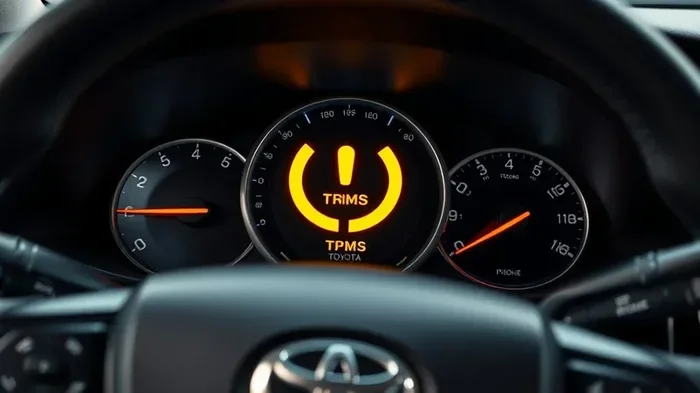
The Tire Pressure Monitoring System, or TPMS, is a safety feature built into your Toyota Camry. It keeps track of the air pressure inside each tire. When pressure drops too low, the system sends a warning to your dashboard. That little yellow tire icon is not just a decoration. It is there to protect you.
How the TPMS System Works
Each tire on your Camry has a small sensor attached to the valve stem. This sensor measures the air pressure inside the tire in real time. When pressure falls below the recommended level, the sensor sends a signal to your car computer. Your dashboard then lights up to let you know.
The system works automatically. You do not need to turn it on or set it up. It runs in the background all the time. Some Toyota Camry models also show the actual pressure reading for each tire on the display. This makes it even easier to spot problems early.
Why You Should Never Ignore the TPMS Light
Ignoring the TPMS warning light is not a good idea. Low tire pressure can lead to serious problems. Here is what can happen if you drive with underinflated tires:
- Poor fuel economy. Underinflated tires create more friction. Your engine works harder and uses more gas.
- Uneven tire wear. Tires wear out faster on the edges when pressure is too low. This means you replace them sooner.
- Risk of blowouts. Too little air causes overheating in the tire. This increases the chance of a dangerous blowout.
- Poor handling. Your car may feel sluggish or pull to one side. Braking distance also increases.
Resetting the TPMS sensor after fixing the pressure ensures your system stays accurate and ready to protect you.
When Should You Reset the TPMS Sensor on Your Toyota Camry?
Not every trip to the gas station requires a TPMS reset. But there are specific times when resetting is the right move. Knowing when to do it saves you from unnecessary trips to the mechanic.
After Tire Rotation
Rotating your tires moves them to different positions on the car. Each position may have a different pressure level. The TPMS needs to learn the new setup. A reset after tire rotation ensures the system tracks each tire correctly.
After Adjusting Tire Pressure
If you check your tires with a tire pressure gauge and add or release air, reset the system afterward. This tells the TPMS that the pressure is now at the correct level. The warning light should turn off within a few minutes of driving.
After Replacing or Repairing a Tire
When you get a flat repaired or swap in a new tire, the sensor may need recalibration. The tire pressure sensor might have been disturbed during the work. A reset clears any stored error codes and starts fresh.
When the Dashboard Light Stays On for No Clear Reason
Sometimes the TPMS light comes on even though your tire pressure looks fine. Temperature changes can trigger false warnings. Cold weather especially lowers tire pressure temporarily. If the light stays on after you have confirmed the pressure is good, a reset usually does the trick.
How Do You Reset the TPMS Sensor on a Toyota Camry?
This is the big question. The answer depends on your model year. Toyota has used slightly different methods over the years. But the general process stays the same. Let us break it down step by step.
Method 1: Using the TPMS Reset Button
Most Toyota Camry models have a dedicated TPMS reset button. It is usually located under the steering column or near the driver side dashboard. Here is how to use it:
- Make sure all tires are inflated to the recommended pressure. Check when tires are cold for the best results.
- Turn your ignition to the ON position. You do not need to start the engine.
- Locate the TPMS reset button. It is a small rectangular or circular button, often hidden under a small cover.
- Press and hold the button until the TPMS light on the dashboard blinks three times.
- Release the button.
- Start the engine and drive at a speed above 15 mph. The system will begin the TPMS relearn procedure.
- Drive for about 10 to 15 minutes. The light should turn off once the system recalibrates.
Method 2: Using the Dashboard Menu
Some newer Toyota Camry models do not have a physical reset button. Instead, you reset the TPMS through the infotainment or instrument cluster menu. Here is how:
- Check that all tire pressures match the recommended levels. The recommended pressure for most Toyota Camry models is between 32 and 35 PSI. Check your driver side door jamb sticker for the exact number.
- Go to the vehicle settings on your dashboard display.
- Look for the TPMS or tire pressure option.
- Select “Initialize” or “Reset” from the menu.
- Confirm the reset when prompted.
- Drive the car for several minutes. The system will relearn the tire pressures.
Method 3: Using an OBD-II Scanner
If the built-in methods do not work, an OBD-II scanner can help. This tool plugs into the diagnostic port under your steering column. It communicates directly with the TPMS module. You can clear error codes and reset the sensor with a few clicks. Many auto parts stores offer OBD-II scanners for free or at low cost.
Quick Tips for a Successful Reset
- Always reset the TPMS after adjusting tire pressure, not before.
- Make sure tires are at the correct pressure before starting the reset.
- Drive above 15 mph after resetting so the system can relearn.
- Be patient. The process may take up to 20 minutes to complete.
- Check the spare tire too. Some TPMS systems monitor the spare as well.
TPMS Sensor Location on Toyota Camry
Knowing the TPMS sensor location helps with maintenance and troubleshooting. Each sensor is mounted on the inside of the wheel, attached to the valve stem. You can see it by looking through the wheel spokes or by removing the tire from the rim.
Where to Find the Sensor
The valve stem sensor sits right where you put the air cap on your tire. It is a small device, usually black or silver, with a tiny battery inside. On most Toyota Camry models, the sensors are located on the front and rear tires equally. Some models also place a sensor on the spare tire.
How to Check the Sensor
You do not need special tools to visually inspect the sensor. Simply look at the valve stem on each tire. Make sure the sensor cap is secure. A loose cap can cause air leaks and trigger the TPMS light. If you notice corrosion or damage on the sensor, it may need replacement.
Sensor Battery Life
TPMS sensors run on small batteries. These batteries typically last between 5 and 10 years. When the battery dies, the sensor stops working. You will need to replace the entire sensor unit in most cases. Some aftermarket sensors allow battery replacement, but OEM Toyota sensors usually do not.
Common TPMS Problems and How to Fix Them
Even after a proper reset, some Toyota Camry owners run into issues. Here are the most common TPMS problems and how to address them.
The TPMS Light Flashes and Then Stays On
A flashing TPMS light usually signals a malfunction. It may mean a sensor is not communicating with the system. Try the reset process again. If the light keeps flashing, inspect each sensor. A damaged or dead sensor is often the cause. Replacing the faulty sensor usually fixes the problem.
The Light Comes and Goes
An intermittent TPMS light often points to temperature-related pressure changes. Cold mornings can drop tire pressure enough to trigger the warning. As the tires warm up, the pressure rises and the light goes off. This is normal in many climates. However, if it happens frequently, check your tire pressure more often.
One Tire Shows a Different Pressure Reading
If your dashboard shows different readings for each tire, it might be time for a tire rotation. Uneven pressure sometimes happens after rotating tires. The TPMS needs a reset to sync with the new positions. After resetting, the readings should balance out.
The TPMS Light Comes on After a Flat Repair
Flat repairs can disturb the sensor. The valve stem may have been handled during the repair. If the light comes on after fixing a flat, try resetting the system. If the light persists, have a mechanic check the sensor for damage. Sometimes the impact that caused the flat also cracks the sensor housing.
TPMS Light Comes on with a Full Tank of Air
This can be frustrating. You know the pressure is right, but the light stays on. Here are a few things to try:
- Double-check the pressure with a reliable gauge. Do not trust the gas station air pump alone.
- Make sure you reset the TPMS after filling the tires.
- Drive the car for at least 10 minutes above 15 mph.
- Check all four tires plus the spare. A low spare can trigger the warning on some models.
- If nothing works, use an OBD-II scanner to check for error codes.
Expert Insight: When to See a Professional
If you have tried every reset method and the light still won t go off, it is time to see a professional. A Toyota dealer has access to factory diagnostic tools. These tools can communicate directly with the TPMS control module. They can identify a TPMS malfunction that a basic reset cannot fix. Do not delay. A faulty sensor means your car is not monitoring your tire pressure the way it should.
Maintaining Your TPMS System for Long-Term Reliability
Taking care of your TPMS system prevents surprises. A little regular maintenance goes a long way. Here is how to keep everything running smoothly.
Check Tire Pressure Monthly
Get into the habit of checking tire pressure at least once a month. Use a quality tire pressure gauge. Check when the tires are cold, meaning the car has been sitting for at least three hours. This gives you the most accurate reading. Compare the results to the recommended PSI on the door jamb sticker.
Inspect Sensors During Tire Rotations
Every time you rotate your tires, take a close look at the sensors. Look for damage, corrosion, or loose fitting. A sensor that looks rough today may fail next month. Catching problems early saves you from unexpected breakdowns.
Replace Sensors on Schedule
Most TPMS sensors last between 5 and 10 years. After that, battery failure becomes likely. If your car is getting older, consider replacing all four sensors at once. This keeps the system consistent and avoids situations where one sensor fails at the worst time.
Keep the Valve Stem Caps Tight
A small thing like a loose valve stem cap can cause big problems. The cap keeps dirt and moisture out of the valve. When it is loose or missing, the sensor can get damaged. Always hand-tighten the cap after adding air. Do not use pliers or tools that could crack it.
Be Careful with Aftermarket Tires and Sensors
Aftermarket tires sometimes come with non-OEM sensors. These may or may not work with your Toyota Camry. Before buying aftermarket sensors, confirm compatibility. The best approach is to use genuine Toyota TPMS sensors. They are designed specifically for your vehicle and offer the most reliable performance.
Quick Tips for TPMS Maintenance
- Keep a tire pressure log. Write down readings each month to track trends.
- Store a portable tire inflator in your trunk for emergencies.
- Avoid hitting potholes and curbs. Impact can damage sensors.
- Do not use tire sealant products unless they are TPMS compatible.
- Relearn tire pressure settings every time you change tire positions.
Conclusion
Learning how do you reset the TPMS sensor on a Toyota Camry gives you real control over your vehicle maintenance. The process is straightforward, and most resets take less than ten minutes. Whether you use the reset button, dashboard menu, or an OBD-II scanner, the key is making sure your tire pressure is correct before starting. Keep up with monthly checks, inspect your sensors during rotations, and never ignore that dashboard warning light. Your TPMS system is there to keep you safe on the road. Treat it well, and it will take care of you. Now go ahead and reset that light. You have got this.
Frequently Asked Questions
How long does a TPMS reset take?
A TPMS reset on a Toyota Camry usually takes between 5 and 20 minutes. The actual button press takes seconds, but you need to drive above 15 mph for the system to relearn. Some models finish the process in about 10 minutes of driving.
Can I drive with the TPMS light on?
You can, but it is not recommended. The TPMS light means your tire pressure is low or a sensor is malfunctioning. Driving with low pressure wastes fuel, wears tires unevenly, and increases the risk of a blowout. Fix the issue as soon as possible.
What triggers the TPMS light on a Toyota Camry?
The most common triggers include low tire pressure from temperature changes, a slow leak, a damaged sensor, a dead sensor battery, or recent tire work. Sometimes the light comes on simply because you need to reset the system after adjusting pressure.
How much does it cost to replace a TPMS sensor?
An OEM Toyota TPMS sensor typically costs between $50 and $100 per sensor. Labor for replacement runs about $30 to $60 per tire. Buying aftermarket sensors may save money, but always check compatibility with your specific Camry model year.
Will a TPMS reset work if I have a flat tire?
No. A TPMS reset only works when all tires are properly inflated. If you have a flat, you need to repair or replace the tire first. Once the tire is fixed and filled to the correct PSI, then you can run the reset procedure.
Does cold weather affect TPMS readings?
Yes. Cold weather lowers tire pressure because air contracts in low temperatures. A drop of 1 to 2 PSI is normal for every 10 degree drop in temperature. This can trigger the TPMS light on cold mornings. The light often goes off once the tires warm up from driving.