How Do I Reset Check Engine Light on 2010 Toyota Corolla
How Do I Reset the Check Engine Light on a 2010 Toyota Corolla? is an essential topic that provides valuable insights.
Key Takeaways
- Understanding How Do I Reset the Check Engine Light on a 2010 Toyota Corolla?: Provides essential knowledge
📑 Table of Contents
- Why Is the Check Engine Light On?
- How to Reset the Check Engine Light on 2010 Toyota Corolla
- Using an OBD-II Scanner to Diagnose the Problem
- Common Causes of the Check Engine Light on a 2010 Corolla
- When You Should See a Mechanic
- Tips to Prevent the Check Engine Light from Coming Back
- Comparison Table: Reset Methods at a Glance
- Key Takeaways
Why Is the Check Engine Light On?
The check engine light is part of your vehicle’s onboard diagnostics system. It monitors dozens of sensors and components every second you drive. When something falls outside the expected range, the system triggers the warning light.
On a 2010 Toyota Corolla, the light can come on for many reasons. Some are harmless. Others need attention. Understanding the root cause is the first step before you try to reset anything.
What the Light Color Tells You
The color and behavior of the light matters a lot.
- Solid yellow light: This usually means a non-emergency issue. You can drive carefully to a shop or try a reset at home.
- Flashing red or yellow light: This signals a serious problem. Stop driving and get the vehicle inspected immediately.
- Light stays on after starting: The system detected a fault code it has not yet cleared.
Ignoring a flashing light can lead to expensive damage. A solid light gives you more breathing room, but you should still address it soon.
Common Reasons the Light Activates
Here are the most frequent culprits behind a check engine light on 2010 Toyota Corolla:
- A loose or damaged fuel cap
- A failing oxygen sensor
- A worn catalytic converter
- A faulty mass airflow sensor
- Engine misfires from old spark plugs or ignition coils
- A faulty thermostat or coolant temperature sensor
- EVAP system leaks in the fuel vapor system
Before you reset the light, it is smart to check these areas first. Fixing the actual problem prevents the light from coming right back.
How to Reset the Check Engine Light on 2010 Toyota Corolla
There are several ways to reset the check engine light on a 2010 Corolla. Some methods require tools. Others need nothing more than a few minutes of your time. Let us walk through each one.
Method 1: Using an OBD-II Scanner
This is the best and most reliable method. An OBD-II scanner reads the fault codes stored in your car’s computer. You can then clear them after addressing the issue.
Here is how to do it:
- Locate the OBD-II port under your dashboard on the driver’s side.
- Plug the scanner into the port firmly.
- Turn the ignition to the “On” position without starting the engine.
- Wait for the scanner to connect and display any stored codes.
- Note down the codes for your records.
- Press the “Clear” or “Erase” button on the scanner.
- Turn the ignition off and then back on to verify the light is off.
Quick Tip: If you do not have a scanner, many auto parts stores like AutoZone or O’Reilly will read and clear codes for free. This is a great option if you want professional help without the cost.
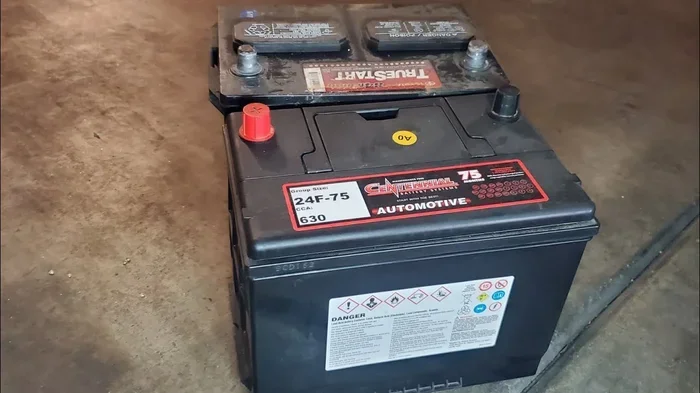
Method 2: Disconnecting the Battery
This method resets the entire electrical system, including the check engine light. It works because disconnecting the battery erases all stored diagnostic trouble codes.
Here is how to do it safely:
- Turn off the engine and remove the keys from the ignition.
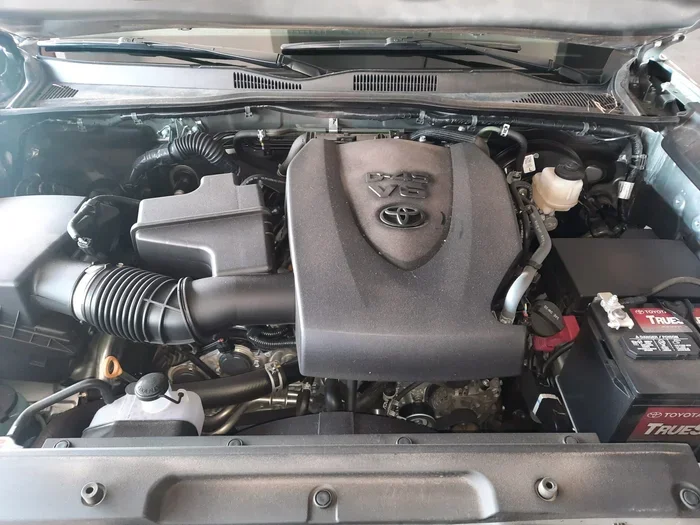
- Open the hood and locate the negative battery terminal (marked with a minus sign).
- Use a wrench to loosen the nut on the negative cable clamp.
- Carefully pull the cable off the terminal and tuck it away from the battery.
- Wait for at least 15 to 30 minutes. This gives the car’s computer time to fully reset.
- Reconnect the negative cable and tighten the nut securely.
- Start the engine and check if the light is off.
Important: Disconnecting the battery may also reset your radio presets, clock, and power window settings. You might need to reprogram some features after reconnecting.
Method 3: Turning the Ignition On and Off Three Times
This is a simple trick that works on many Toyota models, including the 2010 Corolla. It cycles the power to the engine control module and can clear minor fault codes.
Follow these steps:
- Insert the key into the ignition.
- Turn it to the “On” position (do not start the engine).
- Wait for 5 seconds, then turn it back to the “Off” position.
- Repeat this on-off cycle two more times, for a total of three cycles.
- Start the engine and see if the light has gone off.
This method does not work for all codes. If the underlying problem is still present, the light will return. But it is a quick first attempt before trying other methods.
Method 4: Drive Cycle Reset
A drive cycle is a specific driving pattern that allows the car’s computer to re-evaluate all its sensors. After completing a proper drive cycle, the system may clear minor codes on its own.
Here is a basic drive cycle you can try:
- Start the engine and let it idle for 3 minutes.
- Drive at 55 mph for 10 minutes on a highway.
- Coast down to a stop without braking hard.
- Repeat the highway drive and coast-down cycle two more times.
- After the third cycle, the system should recheck all parameters.
This method works best after you have fixed the issue that triggered the light in the first place.
Using an OBD-II Scanner to Diagnose the Problem
Before you reset anything, understanding what caused the light is crucial. An OBD-II scanner gives you the diagnostic trouble codes that tell you exactly what went wrong.
For the 2010 Toyota Corolla, the OBD-II port is located under the dashboard on the driver’s side, near the steering column. It is easy to access and does not require any tools to plug in a scanner.
Understanding Common OBD-II Codes for the 2010 Corolla
When you plug in a scanner, you will see codes that look like P0301 or P0420. Here are the most common ones you might encounter:
| Code | Description | Severity |
|---|---|---|
| P0420 | Catalyst System Efficiency Below Threshold | Moderate |
| P0171 | System Too Lean (Bank 1) | Moderate |
| P0300 | Random/Multiple Cylinder Misfire Detected | High |
| P0442 | EVAP Leak Detected (Small Leak) | Low |
| P0135 | Oxygen Sensor Heater Circuit Malfunction | Moderate |
| P0401 | Exhaust Gas Recirculation Flow Insufficient | Moderate |
Each code points to a specific system or component. For example, a P0442 code usually means your fuel cap is loose or the EVAP system has a small leak. A P0300 code suggests engine misfires that need immediate attention.
Quick Tip: Write down all the codes before clearing them. This helps you track patterns over time and share information with your mechanic if needed.
Do You Need a Fancy Scanner?
Not necessarily. Basic OBD-II scanners cost between $20 and $50 and work perfectly for reading and clearing codes on a 2010 Corolla. Bluetooth-enabled scanners that pair with your smartphone are also a great option. They often come with free apps that explain what each code means in plain language.
Common Causes of the Check Engine Light on a 2010 Corolla
Knowing what triggers the light helps you fix the problem and prevent it from returning. Here are the most common causes specific to the 2010 Toyota Corolla.
Loose or Faulty Gas Cap
This is the number one reason the check engine light comes on. The fuel system relies on proper pressure to operate efficiently. A loose cap lets fuel vapors escape, triggering an EVAP system leak code.
To fix this, simply tighten the gas cap until you hear it click. Drive for a few days and see if the light goes away on its own. If it does, you just saved yourself a trip to the shop.
Oxygen Sensor Failure
The oxygen sensor measures unburned oxygen in the exhaust. It helps the engine control module adjust the fuel-air mixture. Over time, these sensors can degrade or fail entirely.
A failing oxygen sensor reduces fuel economy and increases emissions. Replacing one on a 2010 Corolla typically costs between $100 and $250 for parts and labor. It is a straightforward repair that any competent mechanic can handle.
Catalytic Converter Issues
The catalytic converter reduces harmful emissions. On a 2010 Corolla, these can wear out after 100,000 miles or more. A failing converter triggers the P0420 code and often causes the light to flash.
Replacing a catalytic converter is one of the more expensive repairs, ranging from $800 to $1,500. This is why you should never ignore a flashing check engine light.
Ignition Coil and Spark Plug Problems
Old or worn spark plugs and ignition coils cause engine misfires. The P0300 series codes indicate misfires that can damage the catalytic converter if left unchecked.
Replacing spark plugs on a 2010 Corolla is inexpensive and easy. Most mechanics recommend changing them every 30,000 to 60,000 miles. Ignition coils typically last longer but should be checked if you notice rough idling or hesitation during acceleration.
Mass Airflow Sensor Issues
The mass airflow sensor measures the amount of air entering the engine. A dirty or failing sensor causes poor fuel economy, rough starts, and stalling.
Cleaning the sensor with a specialized cleaner often fixes the problem. If cleaning does not work, replacement costs around $100 to $200.
When You Should See a Mechanic
Not every check engine light situation is a DIY project. Some issues require professional tools and expertise. Here are clear signs that you should visit a mechanic instead of trying to reset the light yourself.
- The light is flashing instead of staying solid
- You notice a significant loss of power while driving
- The engine is making unusual noises like knocking or pinging
- You see smoke or steam coming from the exhaust
- The car is stalling or won’t start after the light came on
- You have multiple fault codes that you cannot identify
- The reset light returns immediately after you clear it
A mechanic has access to advanced diagnostic equipment that goes beyond basic code readers. They can perform live data checks, pinpoint exact component failures, and run specialized tests that are not possible with a consumer-grade scanner.
Expert Insight: Many mechanics offer free diagnostic checks as a courtesy. If you are unsure about a code, take your 2010 Corolla in for a quick assessment before spending money on parts you do not need.
Tips to Prevent the Check Engine Light from Coming Back
Once you have successfully reset the check engine light on your 2010 Toyota Corolla, you want to keep it off. Regular maintenance goes a long way toward preventing future issues.
Follow a Consistent Maintenance Schedule
Stick to the factory-recommended service intervals for your Corolla. This includes oil changes, air filter replacements, and spark plug changes. Staying on top of maintenance catches small problems before they turn into big ones.
Check the Gas Cap Regularly
Make it a habit to tighten the gas cap every time you fill up. A loose cap is the simplest and most common cause of the check engine light. This one habit alone can save you dozens of unnecessary trips to the mechanic.
Use Quality Fuel and Parts
Using top-tier gasoline and OEM or high-quality replacement parts reduces the chance of sensor faults and system issues. Cheap fuel and parts may seem like savings upfront, but they often lead to more problems down the road.
Pay Attention to Early Warning Signs
Your car often gives you hints before the check engine light comes on. Rough idling, decreased fuel economy, strange smells, or subtle performance changes are all worth investigating early. Catching these signs early can prevent the light from ever coming on in the first place.
Keep a Basic Tool Kit in Your Trunk
Having a basic OBD-II scanner in your trunk is one of the best investments you can make as a car owner. It lets you check codes anytime, anywhere. You will know exactly what is going on before you even pull into a repair shop.
Comparison Table: Reset Methods at a Glance
| Method | Tools Needed | Difficulty Level | Best For |
|---|---|---|---|
| OBD-II Scanner | Scanner device | Easy | Reading and clearing specific codes |
| Battery Disconnect | Wrench | Moderate | Full system reset when scanner is unavailable |
| Ignition Cycle Reset | None | Very Easy | Minor codes and quick first attempt |
| Drive Cycle Reset | None | Moderate | Post-repair verification and clearing minor codes |
Each method has its place. The OBD-II scanner is the most reliable and informative option. The battery disconnect works well as a last resort. The ignition cycle method is great for a quick test. And the drive cycle is ideal after you have made a repair and want the system to relearn.
Key Takeaway: Always fix the root cause before resetting the light. Simply clearing the code without addressing the problem means the light will come right back on, and you will have wasted your time.
Key Takeaways
- Identify the cause first: Always use an OBD-II scanner or check the gas cap before resetting the light.
- Multiple reset methods exist: You can use a scanner, disconnect the battery, try the ignition cycle, or complete a drive cycle.
- Flashing light means urgent attention: Never ignore a flashing check engine light. It signals a serious problem that can cause further damage.
- Common culprits include the gas cap, oxygen sensor, and spark plugs: These are inexpensive and easy fixes for the 2010 Corolla.
- Reset without repair leads to the light returning: Fix the underlying issue first, then clear the codes.
- Preventive maintenance keeps the light off: Regular service, quality fuel, and a tight gas cap go a long way.
- When in doubt, see a professional: A mechanic can provide deeper diagnostics that go beyond what a basic scanner can offer.
Frequently Asked Questions
Can I drive my 2010 Toyota Corolla with the check engine light on?
If the light is solid and the car is running normally, you can usually drive it to a shop or home safely. However, if the light is flashing or you notice any performance issues like stalling, loss of power, or unusual noises, stop driving immediately and get the vehicle towed to a mechanic.
How much does it cost to reset the check engine light on a 2010 Corolla?
Resetting the light itself costs nothing if you use a basic OBD-II scanner or the battery disconnect method. Many auto parts stores will read and clear codes for free. The real cost comes from fixing whatever problem triggered the light in the first place, which can range from a few dollars for a gas cap to several hundred for more serious repairs.
Will the check engine light reset itself after fixing the problem?
In many cases, yes. After you fix the issue, the system needs to run through a complete drive cycle to recheck all sensors. Once it confirms everything is working properly, it will turn the light off automatically. This process can take a few days of normal driving.
What is the difference between a solid and flashing check engine light?
A solid light indicates a non-emergency issue that should be checked soon. A flashing light means the problem is severe and could cause immediate damage to the catalytic converter or other expensive components. Always treat a flashing light as urgent.
Do I need to clear codes before an emissions test?
No. Most emissions testing facilities read the current codes directly from your vehicle’s computer. In fact, having recently cleared codes can raise a red flag. If your car has a check engine light on, it will automatically fail an emissions test in most states. Focus on fixing the underlying issue first.
Can a loose gas cap really trigger the check engine light?
Absolutely. A loose or cracked gas cap is the single most common reason the check engine light comes on any vehicle. The fuel system needs to maintain proper pressure, and a loose cap lets vapors escape. Always try tightening or replacing the gas cap before assuming something more serious is wrong.
=== CONCLUSION ===
Dealing with a check engine light on 2010 Toyota Corolla does not have to be stressful. With the right knowledge and a few simple tools, you can diagnose the problem and reset the check engine light confidently. Start by checking the simplest things like the gas cap. If that does not solve the issue, grab an OBD-II scanner and read the codes. Most of the time, the problem is minor and easy to fix.
Remember to always address the root cause before resetting. A quick fix that ignores the real problem will only bring the light back. Keep up with regular maintenance, pay attention to early warning signs, and do not hesitate to see a professional when the situation calls for it. Your 2010 Toyota Corolla is a reliable vehicle, and with the right care, it will keep running strong for many miles to come.