Does Toyota Operate in Africa Everything You Need to Know
Does Toyota operate in Africa? Yes, Toyota has a strong and growing presence across the African continent. From manufacturing plants in South Africa to a wide network of dealerships in Nigeria, Kenya, and Egypt, Toyota plays a major role in African transportation and economy. Toyota vehicles remain among the most popular choices for families, businesses, and governments across Africa.
Does Toyota operate in Africa? This is a question many people ask, whether they are car buyers, investors, or simply curious about global brands. The short answer is yes, and the story is far more detailed than most people realize.
Toyota has been part of the African landscape for decades. The company sells vehicles, runs assembly plants, employs thousands of people, and shapes how millions of Africans travel every day. From the bustling streets of Lagos to the highways of Johannesburg, Toyota vehicles are everywhere.
In this article, we will explore every angle of Toyota’s operations in Africa. You will learn about manufacturing plants, popular models, economic impact, challenges, and what the future holds. Whether you are a car enthusiast, a business owner, or someone researching African markets, this guide has everything you need.
Key Takeaways
- Toyota has a significant presence in Africa: The company operates manufacturing plants, assembly facilities, and hundreds of dealerships across the continent.
- South Africa is Toyota’s biggest African market: The country hosts major production plants and serves as a hub for exports to other African nations.
- Toyota models like the Hilux and Land Cruiser dominate African roads: These vehicles are built for rugged terrain and tough conditions.
- Toyota contributes to local economies: The company creates thousands of jobs and supports local supply chains in multiple African countries.
- Challenges exist but Toyota continues to grow: Currency fluctuations, infrastructure gaps, and competition are real hurdles Toyota faces in Africa.
- The future looks bright: Toyota is investing in new models, local assembly, and sustainable practices to strengthen its African footprint.
📑 Table of Contents
Toyota’s Presence Across the African Continent
Toyota’s reach in Africa is extensive. The company operates in more than 40 African countries through a mix of direct operations, partnerships, and authorized dealerships. This widespread presence makes Toyota one of the most recognized automotive brands on the continent.
Let us break down Toyota’s operations by region so you can see just how deep the footprint goes.
Toyota South Africa
South Africa is Toyota’s strongest market in Africa. The country is home to major manufacturing facilities that produce vehicles for both local sale and export. Toyota South Africa Motors, known as TSAM, is one of the largest automotive manufacturers in the country.
Key facts about Toyota South Africa:
- Production plants are located in Durban and Prospecton, near Johannesburg.
- Thousands of workers are employed directly by Toyota and its suppliers.
- South Africa serves as a hub for exports to other Southern African countries.
- Popular models include the Corolla, Hilux, and Fortuner, which sell very well in the region.
Toyota South Africa also runs extensive dealer networks. You can find Toyota showrooms in almost every major city and town. This makes buying, servicing, and maintaining a Toyota vehicle very convenient for South African consumers.
Toyota in West Africa
West Africa is another important region for Toyota. Nigeria, in particular, is a massive market for Toyota vehicles. The company works through local distributors and assembly partnerships to bring Toyota cars and trucks to Nigerian buyers.
Here is what Toyota looks like in West Africa:
- Nigeria is the largest market in the region. Toyota vehicles are a common sight on Nigerian roads.
- Ghana, Senegal, and Côte d’Ivoire also have growing Toyota presence.
- Local assembly plants help reduce import costs and make vehicles more affordable.
- Toyota pickup trucks and SUVs are the most popular because they handle rough roads well.
The West African market has unique needs. Roads can be unpaved, and weather conditions vary widely. Toyota addresses these challenges by offering durable, rugged vehicles that can handle tough environments. The Toyota Hilux, for example, is a favorite among businesses and families alike in this region.
Toyota in East Africa
East Africa is another strong market for Toyota. Countries like Kenya, Tanzania, Uganda, and Ethiopia have significant Toyota operations. The company works with local partners to distribute vehicles and provide after-sales service.
Key highlights from East Africa:
- Kenya has a large Toyota dealer network with multiple showrooms in Nairobi and other cities.
- Toyota vehicles are widely used by NGOs and government agencies in the region.
- The Toyota Land Cruiser is iconic in East Africa, especially for safaris and rural travel.
- Assembly and CKD (Completely Knocked Down) kits are used to build Toyota vehicles locally in some countries.
East Africa’s terrain varies from dense urban centers to vast rural areas. Toyota’s vehicle lineup is well-suited for this diversity. Whether someone needs a compact car for city driving or a sturdy 4×4 for countryside travel, Toyota has options that fit.
Toyota in North Africa
North Africa is also part of Toyota’s African strategy. Egypt is the standout market in this region. Toyota Egypt has been operating for decades and is one of the leading automotive manufacturers in the country.
Toyota Egypt operates large assembly plants. The company produces vehicles locally, which helps keep prices competitive. Models like the Toyota Corolla and Toyota Yaris are extremely popular among Egyptian families. The brand has built a strong reputation for reliability and affordability in the Egyptian market.
Other North African countries like Morocco and Algeria also see Toyota presence, though through different distribution models. The company continues to explore opportunities across the entire North African region.
Manufacturing and Assembly Plants in Africa
One of the most important aspects of Toyota’s African operations is local manufacturing. Building vehicles in Africa helps Toyota serve the market more efficiently and supports local economies.
Toyota’s Assembly Strategy
Toyota uses several approaches to manufacture vehicles in Africa. The most common method is CKD assembly. This means that vehicles arrive as parts and are put together in local factories. CKD assembly creates jobs and reduces shipping costs.
South Africa is the center of Toyota’s African manufacturing. The Prospecton plant in Durban is one of the most advanced facilities on the continent. It produces multiple models and exports vehicles to other African countries and beyond.
Egypt also has significant Toyota assembly operations. The Cairo-based plants produce thousands of vehicles each year. These plants supply the Egyptian market and export to neighboring countries.
Benefits of Local Assembly
Local assembly benefits both Toyota and African communities. Here are some of the key advantages:
- Job creation: Assembly plants employ thousands of local workers.
- Lower costs: Building vehicles locally reduces import duties and shipping fees.
- Faster delivery: Local production means vehicles are available sooner.
- Skills development: Workers gain valuable manufacturing and technical skills.
- Economic growth: Toyota’s operations support many other local businesses and suppliers.
Toyota’s commitment to local assembly shows that the company is invested in Africa for the long term. It is not just about selling vehicles. It is about building partnerships and contributing to sustainable development.
Popular Toyota Models in Africa
Toyota offers a wide range of vehicles across Africa. Some models are far more popular than others, and the reasons are easy to understand. African buyers look for durability, affordability, and the ability to handle diverse road conditions.
Here are the Toyota models that dominate African roads:
Toyota Hilux
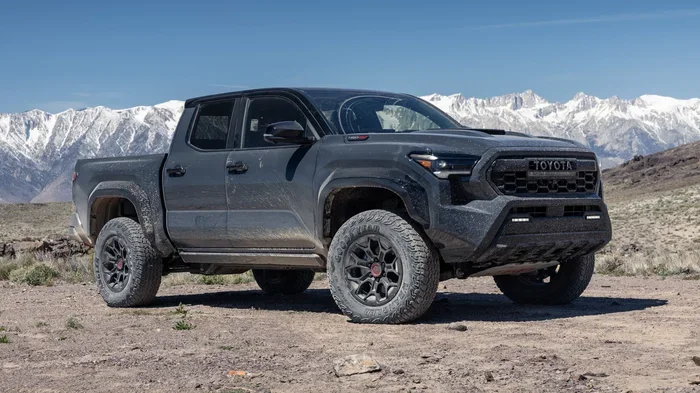
The Toyota Hilux is arguably the most popular pickup truck in Africa. It is known for being tough, reliable, and easy to maintain. Farmers, construction companies, and everyday drivers all choose the Hilux. Its ability to handle rough terrain makes it perfect for African conditions.
Toyota Land Cruiser
The Land Cruiser is a legend in Africa. It is the vehicle of choice for safaris, long-distance travel, and off-road adventures. Many African families see the Land Cruiser as a status symbol. Its reputation for durability is unmatched, and some Land Cruisers in Africa have logged hundreds of thousands of kilometers.
Toyota Corolla
The Corolla is Toyota’s best-selling sedan worldwide, and Africa is no exception. It offers a comfortable ride, good fuel economy, and affordable pricing. The Corolla is a favorite among families and young professionals in cities across the continent.
Toyota Fortuner
The Fortuner is a midsize SUV that combines comfort with off-road capability. It is popular in East and West Africa, where families need a vehicle that can handle both city driving and rural roads. The Fortuner offers generous space and strong performance.
Toyota Yaris
The Yaris is a compact hatchback that appeals to budget-conscious buyers. It is small, fuel-efficient, and easy to park in crowded city streets. The Yaris is especially popular in North African markets like Egypt.
Toyota’s Economic Impact in Africa
Toyota does more than sell vehicles. The company has a deep economic impact across the African continent. This impact touches employment, trade, infrastructure, and local communities.
Job Creation
Toyota’s manufacturing plants directly employ thousands of people in Africa. These are well-paying jobs that support families and communities. But the impact goes beyond the factory gates. Toyota’s supply chain creates additional jobs at parts suppliers, logistics companies, and dealerships.
In South Africa alone, Toyota and its ecosystem support tens of thousands of jobs. This makes Toyota one of the largest private employers in the country’s automotive sector.
Supporting Local Suppliers
Toyota works hard to source parts and materials from local suppliers. This supports small and medium-sized businesses across Africa. By building relationships with local companies, Toyota helps develop the broader manufacturing ecosystem.
Some examples of local supplier support include:
- Rubber and plastic components sourced from local manufacturers.
- Metal fabrication and machining done by African businesses.
- Logistics and transportation services provided by local companies.
- Retail and service jobs created through Toyota dealerships.
Contributing to Infrastructure
Toyota’s operations also contribute to infrastructure development. Manufacturing plants require roads, electricity, and water systems. These improvements benefit entire communities, not just Toyota employees. In many cases, Toyota works with governments and development organizations to build and upgrade local infrastructure.
Challenges Toyota Faces in Africa
Operating in Africa comes with challenges, and Toyota is no stranger to them. The company has had to navigate complex market conditions, regulatory environments, and economic pressures.
Currency Fluctuations
Many African currencies fluctuate against the US dollar and the South African rand. When local currencies weaken, importing vehicle parts becomes more expensive. This can squeeze margins and make it harder to keep prices affordable for consumers.
Infrastructure Gaps
While Toyota has made great strides in building a presence across Africa, infrastructure gaps remain a challenge. Some areas lack proper roads, electricity, or access to trained technicians. This can make vehicle distribution and after-sales service more difficult in rural and remote regions.
Competition
Toyota faces strong competition from other global brands like Nissan, Hyundai, Ford, and Volkswagen. Local brands and Chinese manufacturers are also gaining ground in some African markets. Toyota must continue to innovate and offer competitive pricing to maintain its leadership position.
Regulatory Complexity
Each African country has its own regulations for importing, assembling, and selling vehicles. Navigating these different regulatory environments requires significant time and resources. Toyota must work closely with governments and industry bodies to ensure compliance while keeping operations efficient.
The Future of Toyota in Africa
The future looks bright for Toyota in Africa. The company continues to invest in new models, local production, and sustainable practices. Here is what we can expect in the coming years.
Expanding Local Production
Toyota is committed to increasing local production in Africa. New assembly plants and partnerships are being explored in countries across the continent. This will help Toyota serve more African markets with locally built vehicles that are affordable and well-suited to local needs.
Introducing New Models
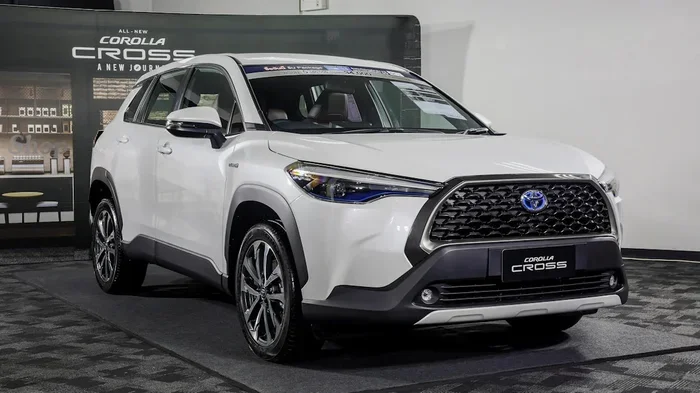
Toyota is bringing more models to Africa, including crossover SUVs and electric vehicles. The growing middle class in Africa is creating demand for new types of vehicles. Toyota is positioning itself to meet this demand with a diverse and modern lineup.
Investing in Sustainability
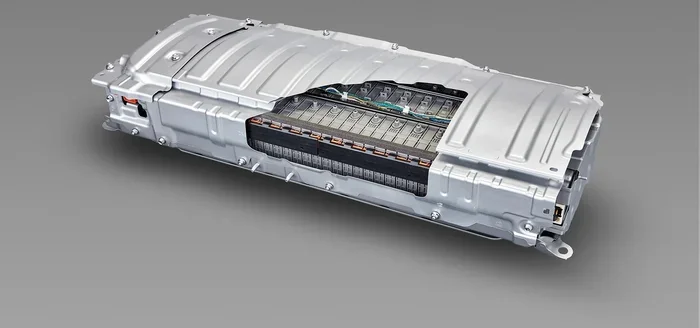
Sustainability is becoming a bigger focus for Toyota globally, and Africa is part of this strategy. The company is exploring ways to reduce its environmental footprint in African operations. This includes improving fuel efficiency, reducing waste in manufacturing, and studying the potential for electric and hybrid vehicles in African markets.
Strengthening Dealer Networks
Toyota continues to expand its dealer networks across Africa. More showrooms and service centers mean better access for African consumers. The company is also investing in training programs for technicians and sales staff to ensure high-quality service.
Key Takeaways
- Toyota has a significant presence in Africa: The company operates manufacturing plants, assembly facilities, and hundreds of dealerships across the continent.
- South Africa is Toyota’s biggest African market: The country hosts major production plants and serves as a hub for exports to other African nations.
- Toyota models like the Hilux and Land Cruiser dominate African roads: These vehicles are built for rugged terrain and tough conditions.
- Toyota contributes to local economies: The company creates thousands of jobs and supports local supply chains in multiple African countries.
- Challenges exist but Toyota continues to grow: Currency fluctuations, infrastructure gaps, and competition are real hurdles Toyota faces in Africa.
- The future looks bright: Toyota is investing in new models, local assembly, and sustainable practices to strengthen its African footprint.
Frequently Asked Questions
Does Toyota manufacture vehicles in Africa?
Yes, Toyota manufactures vehicles in Africa. The company operates major assembly plants in South Africa and Egypt. These plants produce vehicles for local markets and for export to other African countries. Toyota also uses CKD assembly methods in several other African nations to build vehicles locally.
What is Toyota’s most popular vehicle in Africa?
The Toyota Hilux pickup truck is the most popular Toyota vehicle in Africa. It is followed closely by the Land Cruiser and the Corolla. These models are favored because they are durable, reliable, and well-suited to African road conditions and weather. The Hilux is especially popular among businesses and rural drivers.
How many African countries does Toyota operate in?
Toyota operates in more than 40 African countries. The company has direct operations in several key markets, including South Africa, Nigeria, Kenya, Egypt, and Ghana. In other countries, Toyota vehicles are sold through authorized distributors and dealer networks. This wide reach makes Toyota one of the most widespread automotive brands on the continent.
Does Toyota sell electric vehicles in Africa?
Toyota’s electric vehicle presence in Africa is still limited compared to other markets. The company primarily focuses on conventional petrol and diesel vehicles in Africa. However, Toyota is studying the potential for electric and hybrid vehicles in African markets. As charging infrastructure improves and costs come down, we can expect Toyota to introduce more electric options across the continent.
Why is Toyota so popular in Africa?
Toyota is popular in Africa for several reasons. The vehicles are known for being durable and reliable, which is essential given the diverse road conditions across the continent. Toyota parts are widely available, and maintenance costs are relatively low. The company also offers a broad range of models, from affordable compact cars to rugged trucks and SUVs, making it easy for different budgets and needs.
What is Toyota’s biggest African market?
South Africa is Toyota’s biggest African market. The country has major manufacturing plants and a large dealer network. South Africa also serves as a production hub for exports to other Southern African countries. Egypt and Nigeria are also significant markets for Toyota in Africa.
Conclusion
The answer to does Toyota operate in Africa is a clear and resounding yes. Toyota has built a powerful presence across the African continent through manufacturing plants, assembly facilities, and a vast network of dealerships. The company’s vehicles are trusted by millions of Africans for their reliability, durability, and value.
From the assembly lines in South Africa to the busy streets of Lagos and Nairobi, Toyota is deeply woven into the fabric of African life. The company creates jobs, supports local suppliers, and contributes to economic growth in every market it serves.
Yes, there are challenges. Currency issues, infrastructure gaps, and fierce competition are real. But Toyota’s long-term commitment to Africa is evident in its continued investment and expansion. The company is not just selling vehicles. It is building partnerships, developing skills, and shaping the future of transportation in Africa.
If you are considering a Toyota vehicle, there has never been a better time. The brand’s African operations are strong, its model lineup is diverse, and its commitment to quality remains unwavering. Toyota in Africa is not a passing trend. It is a lasting partnership that will continue to grow for decades to come.