Does the Toyota Highlander Hold Its Value Over Time
Does the Toyota Highlander hold its value? Yes, it does — and better than most SUVs on the road. The Toyota Highlander consistently ranks among the top vehicles for resale value, thanks to its legendary reliability, strong brand reputation, and high consumer demand. In this guide, we break down exactly how much the Toyota Highlander holds its value year after year, what factors influence depreciation, and how it compares to competing models.
If you are shopping for a midsize SUV, one question probably sits at the top of your list. Does the Toyota Highlander hold its value? It is a smart question to ask. After all, vehicles are not cheap, and nobody wants to watch their investment lose value fast. The good news is that the Toyota Highlander has a strong track record when it comes to holding onto its worth. Let us dive deep into what makes this SUV such a solid choice for value-conscious buyers.
When we talk about how a vehicle holds its value, we are really talking about depreciation. Depreciation is the difference between what you pay for a car and what it is worth later. Some vehicles lose value like a rock drops in water — fast and steep. Others hold steady, like a boat floating calmly. The Toyota Highlander falls firmly into the second category. Across multiple studies and industry reports, the Highlander consistently ranks near the top for resale value among SUVs. That is not an accident. It comes down to a mix of reliability, brand trust, and real-world performance.
In this article, we will walk you through everything you need to know about the Toyota Highlander hold its value story. We will look at depreciation numbers, compare it to competitors, and share tips on how to maximize your Highlander’s resale worth. Whether you are buying new or used, this guide will help you make a smarter decision.
Key Takeaways
- Strong Resale Value: The Toyota Highlander holds its value significantly better than most midsize SUVs in its class.
- Low Depreciation Rate: On average, the Highlander loses about 15-20% of its value in the first year and around 45-50% over five years.
- Reliability Drives Value: Toyota’s reputation for durability and low maintenance costs directly contributes to the Highlander’s resale strength.
- High Consumer Demand: Used Highlander models remain in high demand, which keeps prices stable and resale values strong.
- Trim Level Matters: Higher trims like the Limited and Platinum tend to hold value better than base models.
- Competitive Edge: The Highlander outperforms many rivals like the Honda Pilot and Ford Explorer in value retention.
- Certified Pre-Owned Advantage: Buying a certified pre-owned Highlander offers excellent value and peace of mind.
📑 Table of Contents
- How the Toyota Highlander Holds Its Value
- Toyota Highlander Resale Value by Year
- Factors That Affect the Toyota Highlander’s Value
- How the Highlander Compares to Competitors
- Tips to Maximize Your Toyota Highlander’s Value
- Expert Insights on the Toyota Highlander’s Value Retention
- Is the Toyota Highlander Worth It for Value-Conscious Buyers?
- Conclusion
How the Toyota Highlander Holds Its Value
The Toyota Highlander has earned a reputation as one of the best-performing vehicles in terms of resale value. But what does that actually mean for you as a buyer or owner? Let us break it down.
Understanding Depreciation Rates
Depreciation is the silent cost of owning any vehicle. Most cars lose about 20-30% of their value the moment you drive them off the lot. Over five years, the average vehicle loses around 50-60% of its original price. The Toyota Highlander, however, tends to follow a gentler depreciation curve. On average, a new Highlander loses about 15-20% of its value in the first year. By the fifth year, the total depreciation sits around 45-50%. That is well below the industry average.
To put this in perspective, let us look at a quick example. Say you buy a 2024 Toyota Highlander Limited with a starting price of around $52,000. After one year, it might be worth about $42,000 to $44,000. After five years, it could still hold a value of $26,000 to $29,000. Compare that to many competitors, and the gap becomes clear. This strong value retention is one of the main reasons the Toyota Highlander hold its value reputation continues to grow.
Why the Highlander Depreciates Less Than Rivals
Several factors work together to keep the Highlander’s depreciation rate lower than most. First, Toyota builds vehicles known for lasting a long time. When buyers know a car will be reliable for hundreds of thousands of miles, they are willing to pay more for it used. Second, the Highlander has a broad appeal. Families love its spacious interior. Commuters appreciate its fuel efficiency. And adventure seekers enjoy its available all-wheel drive system. This wide appeal means more buyers in the used market, which keeps prices higher.
Third, Toyota’s brand strength plays a huge role. The Toyota name carries trust. When people walk onto a lot looking for a used SUV, the Toyota badge often gives them confidence. That trust translates directly into stronger resale numbers. The Toyota Highlander hold its value story is really a story about trust, reliability, and smart engineering.
Toyota Highlander Resale Value by Year
Let us look at how the Highlander’s value changes over time. Understanding the year-by-year breakdown helps you plan your purchase and decide whether buying new or used makes more sense for your budget.
Year One Depreciation
The first year of ownership sees the steepest drop in value for almost any vehicle. For the Highlander, you can expect a loss of roughly 15-20% in year one. This is actually better than the industry average of 20-25%. Several reasons explain this. New Highlander models often have strong initial demand, which keeps used prices relatively stable. Also, Toyota offers competitive pricing on new models, so the starting price does not need to be artificially inflated to create a perception of value.
Years Two Through Five
Years two through five show a more gradual decline. Each year, the Highlander loses approximately 8-12% of its remaining value. By year five, the cumulative depreciation lands around 45-50%. This is impressive for a midsize SUV. The Highlander’s three-row seating, strong safety ratings, and proven powertrain all contribute to this steady value curve. Buyers in the used market continue to seek out the Highlander because it offers a lot of SUV for the money.
Beyond Five Years
After the five-year mark, the Highlander’s depreciation slows even further. Vehicles that reach the seven- or eight-year mark often hold 35-45% of their original value. The Highlander frequently falls in this range, especially if it has been well-maintained. This is great news for anyone considering a used Highlander. You get a vehicle that has already absorbed the steepest depreciation hit, but still has plenty of life and value left.
Factors That Affect the Toyota Highlander’s Value
Not every Highlander holds its value at the same rate. Several factors can speed up or slow down depreciation. Understanding these factors helps you make smarter buying and ownership decisions.
Trim Level and Features
The trim level you choose matters more than you might think. Higher trims like the Limited and Platinum come with premium features such as leather seating, advanced infotainment systems, and driver-assistance packages. These features tend to hold their value better in the used market. A Limited trim Highlander will typically depreciate at a slower rate than a base LE trim. The reason is simple: buyers in the used market often want the extras without paying the new-car premium.
Here are some features that help the Toyota Highlander hold its value:
- All-Wheel Drive (AWD): AWD is highly desirable in many regions and adds significant resale value.
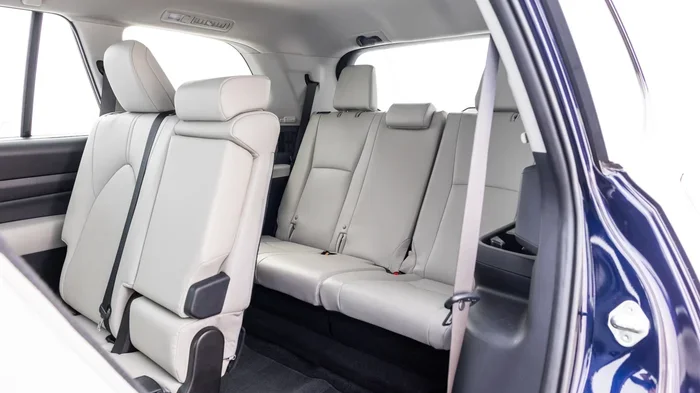
- Third-Row Seating: Families need that extra seating, and it is a major selling point on the used market.
- Advanced Safety Features: Toyota Safety Sense and other driver-assist tech add appeal to used buyers.
- Premium Audio and Leather: These comfort upgrades attract buyers willing to pay more for a used model.
- Hybrid Powertrain: The Highlander Hybrid offers excellent fuel economy, which is a strong selling point in today’s market.
Maintenance and Condition
A well-maintained Highlander will always hold its value better than a neglected one. Regular oil changes, timely brake replacements, and keeping up with scheduled maintenance all pay off when it is time to sell. Keep your service records organized. Buyers and dealers look for proof of care, and it gives you negotiating power. Also, the exterior and interior condition matter. A Highlander with clean paint, fresh upholstery, and no accidents will command a higher price than one that has seen better days.
Market Demand and Location
Where you live affects how well your Highlander holds its value. In colder climates, AWD models are more sought after, which boosts their resale price. In warmer regions, front-wheel drive versions may depreciate slightly faster. Overall demand for the Highlander remains strong across most markets, which is a testament to its broad appeal. The Toyota Highlander hold its value reputation stays strong whether you are in a big city or a rural area.
New Model Releases and Model Cycles
When Toyota releases a new Highlander generation, the previous model’s value can shift. Typically, outgoing models see a temporary dip in value as buyers wait for the new version. However, Toyota Highlander models tend to hold steady because the brand’s reputation keeps demand consistent. If you are buying a previous-generation model, you may actually find a good deal, since dealers want to clear inventory for the new generation.
How the Highlander Compares to Competitors
The midsize SUV segment is crowded with strong contenders. How does the Toyota Highlander stack up against the competition when it comes to holding its value? Let us compare.
Toyota Highlander vs. Honda Pilot
The Honda Pilot is one of the Highlander’s closest rivals. Both are midsize SUVs with three-row seating and strong family-friendly credentials. When it comes to resale value, the Highlander and Pilot are close competitors. The Highlander tends to edge ahead by a small margin, especially in the five-year ownership window. Both vehicles benefit from strong brand loyalty and proven reliability. However, the Highlander’s slightly higher depreciation resistance gives it a narrow advantage in the Toyota Highlander hold its value comparison.
Toyota Highlander vs. Ford Explorer
The Ford Explorer is a popular choice, but it has historically struggled with resale value compared to Toyota models. The Explorer tends to lose value faster, particularly after the three-year mark. Ford has improved its vehicles significantly in recent years, but the Toyota brand’s reputation for longevity still gives the Highlander a clear edge in value retention. Buyers looking for long-term value often gravitate toward the Highlander over the Explorer.
Toyota Highlander vs. Nissan Pathfinder
The Nissan Pathfinder offers a compelling price point, but its resale value lags behind the Highlander. Nissan vehicles, in general, tend to depreciate faster than Toyotas. The Pathfinder’s value drops more steeply in the first three years, making the Highlander a better long-term investment for those who care about holding value.
Comparison Table: Toyota Highlander vs. Key Competitors
| Vehicle | 5-Year Depreciation | Resale Value Rating | Reliability Score |
|---|---|---|---|
| Toyota Highlander | 45-50% | Excellent | Very High |
| Honda Pilot | 47-52% | Very Good | High |
| Ford Explorer | 50-58% | Good | Moderate |
| Nissan Pathfinder | 52-60% | Good | Moderate |
| Chevrolet Traverse | 55-62% | Fair | Moderate |
As you can see from the comparison table, the Toyota Highlander leads the pack in both depreciation resistance and resale value ratings. This is not a close contest. The Highlander’s combination of reliability, brand trust, and strong demand gives it a clear advantage over most competitors.
Tips to Maximize Your Toyota Highlander’s Value
Whether you plan to keep your Highlander for a decade or sell it after a few years, these tips will help you get the most value out of your investment.
1. Keep Up with Regular Maintenance
Follow the Toyota maintenance schedule to the letter. Change your oil on time, rotate your tires, and address any issues before they become big problems. A full service history is one of the strongest selling points when you decide to sell or trade in your Highlander.
2. Keep Mileage Reasonable
High mileage vehicles depreciate faster. If you can keep your annual mileage under 12,000-15,000 miles, you will preserve more of the Highlander’s value. Lower mileage signals to buyers that the vehicle has plenty of life left.
3. Protect the Exterior and Interior
Wash and wax your Highlander regularly. Use sunshades to protect the interior from UV damage. Address stains and wear promptly. A well-cared-for interior and exterior make a huge difference in perceived value.
4. Avoid Modifications
Aftermarket modifications can narrow your buyer pool. While a roof rack or all-weather floor mats might be practical, more extensive modifications like lifted suspensions or custom paint can reduce resale value. Stick with factory options whenever possible.
5. Sell at the Right Time
Timing matters when selling a vehicle. Spring and early summer tend to be the best times to sell an SUV, as more buyers are shopping. Avoid selling right after a new model year launches, as that can flood the market with newer options and push down your used Highlander’s price.
6. Consider Certified Pre-Owned
If you are buying a used Highlander, consider a certified pre-owned (CPO) model. CPO vehicles come with Toyota’s warranty backing, a thorough inspection, and reconditioning. They cost a bit more than regular used models, but the extra peace of mind and value protection are well worth it.
Expert Insights on the Toyota Highlander’s Value Retention
Industry experts consistently praise the Toyota Highlander for its value retention. According to Kelley Blue Book and Edmunds, the Highlander frequently appears on their lists of vehicles that best hold their value. These rankings are based on extensive data analysis of real-world sales and trade-in values.
Automotive analysts point to the Highlander’s strong reliability ratings as a primary driver of its resale success. J.D. Power and Consumer Reports both give the Highlander above-average reliability scores. When buyers know a vehicle is likely to last well beyond 200,000 miles with proper care, they are willing to pay a premium for it used.
Another expert insight worth noting is the impact of the Highlander’s hybrid option. The Toyota Highlander Hybrid has become increasingly popular as gas prices fluctuate and buyers seek better fuel economy. Hybrid vehicles tend to hold their value better than their gas-only counterparts, and the Highlander Hybrid is no exception. This adds another layer of value protection for Hybrid owners.
Experts also highlight the role of Toyota’s overall brand strength. Toyota consistently ranks at or near the top in brand loyalty studies. Buyers return to Toyota again and again because of the positive ownership experience. This loyalty creates a stable, strong used market for Toyota vehicles, including the Highlander. The Toyota Highlander hold its value story is really a reflection of the broader Toyota brand promise: build vehicles that last and that buyers trust.
Is the Toyota Highlander Worth It for Value-Conscious Buyers?
The answer is a resounding yes. If you are someone who cares about long-term value, the Toyota Highlander should be at the top of your list. It offers a rare combination of strong resale value, low cost of ownership, and everyday practicality. Few vehicles in the midsize SUV segment can match what the Highlander delivers over time.
When you buy a Toyota Highlander, you are not just buying transportation. You are making a financial decision that pays dividends for years. The vehicle’s strong value retention means you lose less money to depreciation. Its reliability means fewer repair bills. And its broad appeal means you will always have a ready market when it is time to sell.
For buyers considering a used Highlander, the value proposition is even stronger. You get a vehicle that has already taken the biggest depreciation hit but still has years of reliable service ahead. A three-year-old Highlander can offer 60-70% of the original features and capabilities at a 30-40% lower price. That is a smart financial move for anyone who wants quality without the new-car premium.
The Toyota Highlander hold its value reputation is well-earned. It is built on decades of consistent performance, strong consumer satisfaction, and a brand that people trust. When you factor in the total cost of ownership — including depreciation, maintenance, and fuel — the Highlander emerges as one of the smartest buys in the midsize SUV segment.
Conclusion
So, does the Toyota Highlander hold its value? The evidence is clear and compelling. Yes, it does. The Toyota Highlander stands out as one of the best-performing vehicles in terms of resale value and depreciation resistance. From the first year of ownership through the eighth year and beyond, the Highlander loses value more slowly than most of its competitors. Its combination of reliability, brand trust, strong demand, and practical design all work together to protect your investment.
If you are in the market for a midsize SUV and value retention matters to you, the Toyota Highlander deserves a close look. Whether you choose new or used, gas or hybrid, you are making a choice that will serve you well for years to come. The Toyota Highlander hold its value story is not just a marketing claim. It is backed by data, expert reviews, and real-world ownership experience. Trust in the Toyota name, take care of your vehicle, and you will be rewarded with a SUV that holds its worth and delivers miles of reliable service.
Make the smart choice. Choose a vehicle that not only gets you where you need to go but also protects your wallet long after the purchase. The Toyota Highlander does exactly that, and that is why it remains one of the most popular and respected SUVs on the road today.
Frequently Asked Questions
How much does a Toyota Highlander depreciate in the first year?
A new Toyota Highlander typically depreciates about 15-20% in the first year of ownership. This is better than the average for midsize SUVs, which tend to lose around 20-25% in year one. The Highlander’s strong initial demand and Toyota’s competitive pricing help keep that first-year depreciation lower than many rivals.
Is the Toyota Highlander a good used SUV to buy?
Absolutely. The Toyota Highlander is one of the best used SUVs you can buy. It has a proven track record of reliability, strong resale value, and low cost of ownership. A used Highlander with 30,000-60,000 miles can offer excellent value, giving you a well-engineered SUV at a significant discount from the original price.
How does the Highlander Hybrid compare in resale value to the gas-only model?
The Highlander Hybrid tends to hold its value slightly better than the gas-only version. Hybrid SUVs are in growing demand due to fuel savings and environmental benefits. The Highlander Hybrid benefits from this demand, which helps it maintain a stronger resale price over time compared to its conventional counterpart.
What trim level of the Toyota Highlander holds the best value?
Higher trims like the Limited and Platinum tend to hold their value better than base models. This is because they come with premium features that buyers want in the used market. However, even the base LE trim holds value well by comparison standards, making the Highlander a strong choice at any trim level.
Does the Toyota Highlander hold its value better than the Honda Pilot?
The Toyota Highlander and Honda Pilot are close competitors in terms of resale value. The Highlander tends to hold its value slightly better, especially in the first five years of ownership. Both are excellent choices, but the Highlander’s edge in depreciation resistance gives it a small but meaningful advantage.
What can I do to make sure my Toyota Highlander holds its value?
Keep up with regular maintenance, store the vehicle properly, keep mileage reasonable, and avoid unnecessary modifications. Maintaining a clean service history and keeping the interior and exterior in excellent condition will go a long way toward preserving your Highlander’s resale value when it is time to sell or trade in.