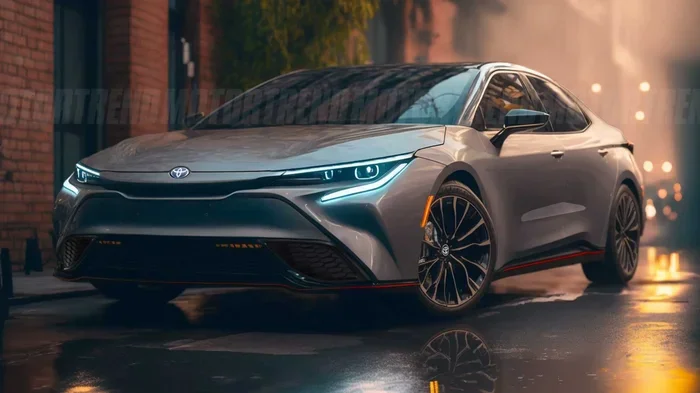
Does the Toyota Camry Hold Its Resale Value After Years
The Toyota Camry is one of the most reliable sedans on the road, and it holds its resale value surprisingly well. Over time, this popular vehicle depreciates at a slower rate than many competitors, making it a smart long-term investment. Factors like trim level, maintenance history, and market demand all play a role in how much value your Camry retains. We will walk you through the numbers, compare it to rivals, and share proven tips to protect your Camry’s worth for years to come.
When you buy a car, one of the biggest financial decisions you make is how well it will hold its value over time. Few vehicles do this as quietly and consistently as the Toyota Camry. If you have ever wondered whether the Toyota Camry holds its resale value after years of driving, the short answer is a strong yes. But the full story is much more interesting than a simple yes or no.
The Camry has been a staple in the sedan world for decades. It has earned a reputation for reliability, comfort, and low ownership costs. These qualities directly impact how much the car is worth when you decide to sell or trade it in. In this article, we will explore the numbers, compare the Camry to its rivals, and give you practical advice on maximizing your vehicle’s worth.
Whether you already own a Camry or are considering buying one, understanding resale value helps you make smarter financial decisions. Let us dive into everything you need to know about the Toyota Camry resale value over time.
Key Takeaways
- Strong Value Retention: The Toyota Camry consistently ranks among the best sedans for holding resale value over time.
- Depreciation Is Predictable: On average, a Camry loses about 15-20% of its value in the first year and stabilizes after year three.
- Maintenance Matters: Keeping up with scheduled service and keeping records dramatically boosts your Camry’s resale price.
- Trim Level Affects Value: Higher trims like the XSE and XLE tend to hold value better than base models.
- Market Demand Stays High: The Camry’s reputation for reliability keeps buyer demand steady, which supports resale prices.
- Small Habits Make a Big Difference: Simple steps like avoiding smoking in the car and keeping mileage reasonable help preserve value.
- Certified Pre-Owned Options Add Trust: Buying a CPO Camry offers warranty coverage and peace of mind for resale.
📑 Table of Contents
- Understanding Camry Depreciation Over Time
- Factors That Affect Camry Resale Value
- How the Camry Compares to Competitors
- Tips to Maximize Your Camry’s Resale Value
- The Long-Term Ownership Experience
- Common Mistakes That Hurt Camry Resale Value
- Expert Insights on Camry Value Retention
- Is the Camry Worth It for Value-Conscious Buyers?
- Final Thoughts
Understanding Camry Depreciation Over Time
Every new car loses value the moment you drive it off the lot. This process is called depreciation, and it affects every vehicle differently. The Toyota Camry depreciation rate is lower than the industry average, which is great news for owners.
How Fast Does a Camry Lose Value?
On average, a new Camry loses about 15% to 20% of its value in the first year. By year three, the total depreciation usually sits around 35% to 40%. This is actually quite good for a new car. Many vehicles lose 50% or more within the same timeframe.
Here is a simple breakdown of what typical Camry depreciation looks like:
- Year 1: Loss of 15-20% of original value
- Year 2: Cumulative loss of 25-30%
- Year 3: Cumulative loss of 35-40%
- Year 5: Cumulative loss of 50-55%
- Year 7: Cumulative loss of 60-65%
These numbers can vary based on several factors. But overall, the Camry holds its value better than most sedans in its class. The Toyota Camry resale value remains strong even as the vehicle ages.
Why Does Depreciation Happen?
Depreciation happens because a car is a depreciating asset from day one. The moment it leaves the dealership, it becomes a used car. Wear and tear, mileage accumulation, and new model releases all contribute. However, brands like Toyota that build a reputation for reliability slow this process down significantly.
The Camry benefits from Toyota’s strong brand loyalty. Buyers trust that a used Camry will keep running for many more miles. This trust translates directly into better resale prices on the used car market.
Factors That Affect Camry Resale Value
Not all Camrys hold their value equally. Several key factors determine how much your specific vehicle will be worth when it is time to sell. Understanding these factors helps you make smarter choices from day one.
Trim Level and Features
The trim level you choose matters more than you might think. Higher trims like the XSE and XLE come with more desirable features. Leather seats, advanced infotainment systems, and premium sound systems attract buyers looking for a polished experience.
Base trims like the L or LE are perfectly fine cars. But they tend to have lower resale values because they appeal to a narrower buyer pool. If you plan to sell your Camry in a few years, consider the SE or XSE trim. These models often fetch better prices on the used market.
Mileage and Usage
Mileage is one of the biggest factors in determining resale value. A Camry with 30,000 miles after five years will sell for significantly more than one with 80,000 miles. Buyers on the used car market look for low-mileage vehicles because they promise longer remaining life.
If you use your Camry primarily for short commutes, you are in a good position. Low annual mileage keeps the odometer reading favorable. This directly supports a higher Toyota Camry resale value when the time comes to sell.
Maintenance and Service History
This is a factor that many owners overlook. A well-documented service history is a powerful selling point. When you bring your Camry in for regular oil changes, tire rotations, and scheduled maintenance, keep every receipt.
Buyers feel confident paying more for a car with proof of care. A Camry that has missed service intervals raises red flags. It suggests potential hidden problems. Even if the car runs fine, the lack of records can drag down the price.
Condition and Exterior Appearance
The physical condition of your Camry plays a huge role in its resale price. Dents, scratches, and interior stains all reduce value. A well-maintained exterior and clean interior signal that the owner took good care of the vehicle.
Simple habits make a real difference. Wash your Camry regularly. Address minor dents and scratches promptly. Use seat covers and floor mats to protect the interior. These small efforts pay off when you try to sell the car.
Market Demand and Competition
Resale value is also shaped by market forces. When demand for sedans is high, Camry prices stay strong. When SUV sales dominate, sedan values can dip slightly. However, the Camry has remained popular even as the market shifted toward SUVs.
The Toyota brand reputation adds a buffer against market swings. Buyers know that Toyotas are dependable. This universal trust keeps demand steady, which supports strong Toyota Camry resale value across different economic conditions.
How the Camry Compares to Competitors
To truly understand the Camry’s resale strength, it helps to compare it directly with rival sedans. Several vehicles compete in the same segment, and they each handle depreciation differently.
Camry vs Honda Accord
The Honda Accord is the Camry’s closest rival. Both are reliable, comfortable, and popular sedans. In terms of resale value, the two are fairly close. The Accord sometimes edges ahead in the first few years, but the Camry catches up and often surpasses it by year five.
Both vehicles benefit from strong brand loyalty and proven reliability records. Buyers trust both names equally. When comparing Toyota Camry resale value versus Honda Accord resale value, you are looking at two of the best options in the sedan segment.
Camry vs Nissan Altima
The Nissan Altima has historically struggled with resale value compared to the Camry. While the Altima offers a competitive driving experience and modern features, it does not command the same trust from used car buyers.
The Camry’s advantage here is clear. Toyota’s reputation for longevity gives the Camry a meaningful edge in the used car market. Buyers simply expect more reliable service from a Camry than from an Altima at the same price point.
Camry vs Hyundai Sonata
The Hyundai Sonata has improved dramatically in recent years. It offers great features and a strong warranty. However, when it comes to long-term resale value, the Camry still holds an advantage. The Sonata depreciates faster in the early years, though it narrows the gap as it ages.
For buyers focused on resale value, the Camry remains a top choice. Its steady depreciation curve makes it a predictable financial investment.
Comparison Table: Camry vs Key Rivals
| Vehicle | Year 1 Depreciation | Year 5 Depreciation | Resale Rating |
|---|---|---|---|
| Toyota Camry | 15-20% | 50-55% | Excellent |
| Honda Accord | 15-22% | 52-58% | Very Good |
| Nissan Altima | 20-25% | 58-63% | Good |
| Hyundai Sonata | 18-23% | 55-60% | Good |
As you can see, the Camry consistently ranks at or near the top for resale value among mid-size sedans. This is one of the strongest arguments for choosing a Camry over other options.
Tips to Maximize Your Camry’s Resale Value
You do not have to sit back and hope for the best. There are concrete steps you can take to protect and even boost your Camry’s resale value over the years.
1. Keep Up with Regular Maintenance
Follow Toyota’s recommended maintenance schedule to the letter. Change the oil on time. Rotate the tires. Replace brake pads when needed. Every service visit adds to your car’s documented history, which buyers value highly.
2. Drive Defensively and Keep Mileage Low
Lower mileage equals higher resale value. If you can consolidate trips or carpool, do it. Avoid aggressive driving that wears down the engine and transmission prematurely. Gentle driving also reduces wear on brakes and tires.
3. Address Issues Promptly
Do not ignore small problems. A minor rattling sound today could become a costly repair tomorrow. Fixing small issues quickly prevents them from becoming bigger problems that hurt resale value. Buyers inspect cars carefully, and they notice signs of neglect.
4. Keep the Interior and Exterior Clean
A clean car signals a well-cared-for car. Vacuum the interior regularly. Wash and wax the exterior at least once a month. Clean the windows and dress the tires. These efforts take minutes but make a noticeable difference in perceived value.
5. Avoid Smoking or Pets Without Protection
Smoke odor and pet hair are major turnoffs for used car buyers. If you smoke, do it outside. If you travel with pets, use seat covers and lint rollers. Odor removal is expensive and often incomplete, which drives buyers away.
6. Sell at the Right Time
Timing your sale can impact your price. Spring and early summer are typically strong selling seasons. New model releases can also create demand for outgoing models. Research the market before listing your Camry for sale to set a competitive price.
7. Consider Selling to a Private Buyer
Private sales often yield more money than trade-ins. Dealerships need to make a profit on resale, so they offer lower prices. A private sale lets you set your own price and negotiate directly with the buyer. It takes more effort but pays off financially.
The Long-Term Ownership Experience
One of the reasons the Toyota Camry holds its resale value so well is the ownership experience itself. Camrys are known to last well beyond 200,000 miles with proper care. This longevity creates a virtuous cycle that benefits resale value.
Why Buyers Trust Used Camrys
When someone walks onto a used car lot looking for a reliable sedan, the Camry is often at the top of their list. Toyota’s reputation for building long-lasting vehicles gives the Camry a trust advantage. Buyers know they are getting a car that will not leave them stranded.
This trust translates into faster sales and better prices. Even older Camrys with higher mileage tend to sell relatively quickly because the demand is consistent. The Toyota Camry resale value remains strong partly because of this enduring buyer confidence.
The Cost of Ownership Advantage
Lower depreciation means lower total cost of ownership. When a car holds its value well, you effectively pay less per year to drive it. The Camry’s combination of reliability, fuel efficiency, and low repair costs makes it one of the most affordable sedans to own over the long term.
Fuel economy is another selling point. The Camry delivers excellent miles per gallon, which saves money at the pump every week. Over five years of ownership, these savings add up significantly and contribute to the overall value proposition.
Certified Pre-Owned Camrys: Extra Value
If you are buying a used Camry, consider a certified pre-owned model. CPO Camrys come with extended warranties and have passed rigorous inspections. They offer peace of mind that standard used cars may not provide.
CPO vehicles also tend to have better resale value when you eventually sell them. The warranty coverage and inspection documentation add credibility. This makes a CPO Camry a smart choice for buyers who care about long-term value.
Common Mistakes That Hurt Camry Resale Value
Even the best vehicles lose value faster when owners make avoidable mistakes. Here are some common pitfalls to steer clear of.
Skipping Scheduled Maintenance
Missing oil changes or ignoring service alerts may save time now but costs you later. Skipped maintenance is one of the fastest ways to reduce resale value. Buyers will question the overall care of the vehicle if service records are incomplete.
Modifying the Car Heavily
Aftermarket modifications like custom exhausts, lowered suspensions, or aggressive body kits narrow the buyer pool. Most used car buyers prefer stock configurations. If you must modify your Camry, keep the original parts and reinstall them before selling.
Ignoring Small Dents and Scratches
Small cosmetic issues accumulate over time and create a perception of neglect. A car covered in minor damage suggests the owner did not care for it properly. Fixing dents and scratches before selling is a worthwhile investment.
Overloading the Car
Consistently hauling heavy loads or towing beyond the Camry’s capacity puts extra strain on the engine and suspension. This can show up as premature wear during a pre-sale inspection. Buyers will factor in potential repair costs, which lowers the offer.
Waiting Too Long to Sell
While the Camry holds value well, there is still a point where age catches up. After about 10 years, depreciation accelerates again. Selling before the vehicle hits double-digit age helps you capture the best possible price.
Expert Insights on Camry Value Retention
Industry analysts consistently rank the Toyota Camry among the top vehicles for value retention. Kelley Blue Book and Edmunds regularly place the Camry in their best resale value lists. These rankings are based on real-world transaction data and market analysis.
Experts point to several reasons for the Camry’s strong performance. Toyota’s manufacturing quality sets a high standard. The brand’s dealer network provides widespread service support. And the Camry’s design appeals to a broad range of buyers, from families to professionals.
According to recent studies, the Camry retains approximately 45% of its original value after five years. This is well above the industry average of around 35-40% for sedans. The gap has remained consistent over multiple model years, showing that this is not a temporary trend but a long-standing strength.
Is the Camry Worth It for Value-Conscious Buyers?
If resale value is one of your top priorities, the Toyota Camry is an excellent choice. It offers a rare combination of reliability, comfort, and strong value retention. Few sedans in this price range can match the Camry’s long-term financial performance.
The initial purchase price is reasonable, the cost of ownership is low, and the resale value remains solid year after year. This makes the Camry a smart financial decision for buyers who want to minimize depreciation losses over time.
Whether you buy new or used, the Camry delivers value at every stage of ownership. Its proven track record speaks for itself. The Toyota Camry resale value story is one of the strongest in the automotive industry.
Final Thoughts
The Toyota Camry holds its resale value remarkably well. Through predictable depreciation, strong brand trust, and a loyal buyer base, the Camry proves itself as one of the best sedans for long-term value. From the first year of ownership through the tenth year and beyond, this vehicle continues to deliver financial value alongside driving value.
If you are looking for a car that will not drain your wallet through excessive depreciation, the Camry deserves a spot at the top of your list. Keep it well-maintained, drive it responsibly, and sell at the right time. You will be rewarded with a strong resale price that reflects the quality and reliability you have come to expect from Toyota.
The Toyota Camry resale value story is a testament to what happens when a manufacturer focuses on building cars people truly trust. That trust pays off every time a Camry changes hands, making it one of the smartest automotive purchases you can make.
Frequently Asked Questions
Does the Toyota Camry hold its resale value better than other sedans?
Yes, the Camry consistently ranks among the top sedans for resale value. It outperforms many competitors like the Nissan Altima and Hyundai Sonata. The Camry holds its value close to the Honda Accord, which is its main rival in this category.
How much does a Toyota Camry depreciate in the first year?
On average, a new Camry loses about 15% to 20% of its original value in the first year. This rate is lower than the industry average for new cars. Factors like trim level and mileage can influence the exact amount.
What is the best way to maximize a Camry’s resale value?
Keep up with regular maintenance and save all service records. Drive carefully to keep mileage low. Address small issues before they become big problems. A clean interior and exterior also make a strong impression on buyers.
Does the Camry trim level affect resale value?
Yes, higher trims like the XSE and XLE tend to hold value better than base models. They come with more desirable features that attract used car buyers. However, even base trims hold value well compared to most competitors.
Is a used Toyota Camry a good financial investment?
Absolutely. The Camry’s low depreciation rate and high reliability make it a smart used car purchase. You get a well-built vehicle at a reduced price, and it will continue to hold value when you eventually sell it.
How long does a Camry take to sell on the used market?
Camrys tend to sell faster than many other sedans. The strong demand for reliable Toyotas means buyers are consistently looking for used Camrys. Well-maintained models with reasonable mileage sell the fastest of all.
=== CONCLUSION ===
The Toyota Camry holds its resale value better than almost any sedan in its class. From the first year of ownership through many years down the road, this vehicle proves its financial worth again and again. The combination of Toyota reliability, strong brand reputation, and low ownership costs creates a powerful formula for value retention.
If you care about your car’s long-term financial impact, the Camry is one of the best choices you can make. Keep it maintained, drive it wisely, and sell it at the right moment. You will find that the Toyota Camry resale value rewards your care and attention at every turn.