Can You Jump Start a Hybrid Heres Everything You Need
Can you jump start a hybrid? Yes, you can, but the process is different from a conventional car. Hybrid vehicles have both a 12-volt auxiliary battery and a high-voltage traction battery. You should jump start a hybrid using the same basic procedure as a regular car, but with extra safety precautions. Always locate the hybrid auxiliary battery first, as it is often hidden in the trunk or under the rear seat. Following the correct steps ensures you protect both yourself and your vehicle’s delicate electrical systems.
Can you jump start a hybrid? This is a question that many car owners ask when they find themselves stranded with a dead battery. The short answer is yes, you can. But the process is not exactly the same as jump starting a regular gasoline car. Hybrid vehicles use a unique combination of an electric motor and a traditional engine, and they have two separate battery systems. Understanding how these systems work is the first step to safely getting your hybrid back on the road. In this guide, we will walk you through everything you need to know about jump starting a hybrid car, from locating the auxiliary battery to avoiding costly mistakes.
Whether you are dealing with a dead hybrid battery after leaving the lights on or you are stuck on a cold morning when your hybrid powertrain will not turn over, this article has you covered. We will explain the step-by-step procedure, highlight the differences between hybrid and conventional jump starts, and share expert tips to keep you safe. Let us dive in and make sure you are fully prepared for any hybrid battery emergency.
Key Takeaways
- You can jump start a hybrid: The process is similar to a conventional car but requires locating the auxiliary battery first.
- Safety comes first: Always turn off the hybrid system and wear protective gear before connecting jumper cables.
- The auxiliary battery is key: Unlike regular cars, hybrids store the 12-volt battery in an unexpected location like the trunk.
- Follow the correct cable order: Connect positive to positive, then negative to a ground point on the hybrid chassis.
- Avoid common mistakes: Never connect cables to the high-voltage traction battery or hybrid power cables.
- Hybrid-specific risks exist: Mishandling the high-voltage system can cause serious injury or costly damage.
- Call for help when unsure: If you are not confident, roadside assistance is always a safe and smart choice.
📑 Table of Contents
How Hybrid Vehicles Work
Before we talk about how to jump start a hybrid, it helps to understand what makes a hybrid different from a regular car. A hybrid vehicle uses two power sources: a gasoline engine and an electric motor. These work together to improve fuel efficiency and reduce emissions. The electric motor gets its power from a traction battery, which is a high-voltage system. This is very different from the standard 12-volt battery found in conventional vehicles.
The Dual Battery System
Every hybrid has two batteries. The first is the high-voltage traction battery. This is the big battery that powers the electric motor. It typically operates at several hundred volts and is sealed for safety. The second is a standard 12-volt auxiliary battery. This smaller battery powers the car’s computer, lights, radio, and other electronics. When people say their hybrid will not start, it is usually the 12-volt battery that has died, not the traction battery.
High-Voltage vs Low-Voltage Systems
The high-voltage system in a hybrid is powerful but dangerous if handled incorrectly. The low-voltage 12-volt system is what you will work with when jump starting. It is important to never touch the high-voltage cables or components. These are usually color-coded in orange to warn you. Always respect the separation between these two systems. Understanding this difference is the foundation of safe hybrid jump starting.
Can You Jump Start a Hybrid?
The answer to can you jump start a hybrid is a confident yes. The jump start procedure for a hybrid is very similar to that of a conventional car. You will use jumper cables and another vehicle with a working battery. However, there are a few hybrid-specific steps you must follow. The biggest difference is where you find the auxiliary battery and the extra precautions you need to take around the high-voltage components.
The Short Answer
Yes, you can start a hybrid car with a dead 12-volt battery using a jump start. The process works because the hybrid auxiliary battery is a standard 12-volt lead-acid battery, just like the one in a regular car. You connect it to another battery using jumper cables, and the working battery provides the power needed to start the vehicle. Once the hybrid engine starts, the alternator recharges the auxiliary battery.
What You Need Before You Start
Before you attempt to jump start your hybrid, make sure you have the following items ready:
- A set of quality jumper cables rated for at least 400 amps.
- A second vehicle with a fully charged 12-volt battery.
- Protective gloves and safety glasses to guard against sparks.
- Your hybrid owner’s manual to locate the auxiliary battery and grounding points.
- A flashlight if you are jumping the car in low light.
Having these items ready before you start will make the process smooth and safe. Never attempt a hybrid jump start without proper equipment.
Step-by-Step Guide to Jump Starting a Hybrid
Now that you know can you jump start a hybrid, let us walk through the exact steps. Follow this guide carefully to protect yourself and your vehicle.
Step 1: Turn Off Both Vehicles
Park the assisting vehicle close to your hybrid, but do not let the two cars touch. Turn off the engine, lights, and all accessories in both vehicles. Put both cars in park or neutral and engage the parking brake. This is the first and most important safety step in any jump start procedure.
Step 2: Locate the Auxiliary Battery
This is where hybrids differ from conventional cars. The 12-volt auxiliary battery in a hybrid is not always under the hood. In many models, it is located in the trunk, under a panel on the rear passenger side, or even beneath the rear seat. Check your owner’s manual to find the exact location. Once you find it, identify the positive and negative terminals.
Step 3: Connect the Jumper Cables
Follow this exact order when connecting the cables:
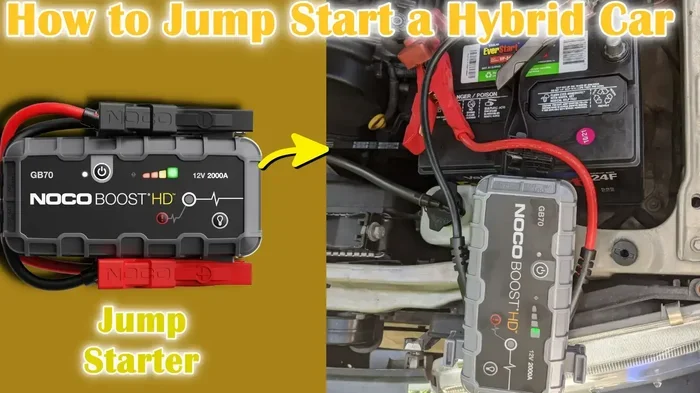
- Connect the red clamp to the positive terminal of the dead hybrid battery.
- Connect the other red clamp to the positive terminal of the good battery in the assisting vehicle.
- Connect the black clamp to the negative terminal of the good battery.
- Connect the other black clamp to an unpainted metal grounding point on the hybrid chassis. Never connect it directly to the hybrid traction battery or the hybrid power cables.
This order prevents sparks near the hybrid battery, which could be dangerous. Always double-check your connections before moving to the next step.
Step 4: Start the Assisting Vehicle
Start the engine of the assisting vehicle and let it idle for about two to three minutes. This allows the working battery to send a charge to your hybrid’s dead battery. Keep the RPMs steady but not high.
Step 5: Start the Hybrid
Now try to start your hybrid. Press the power button or turn the ignition key as you normally would. If the hybrid starts, let it run for at least 15 to 20 minutes. This gives the alternator time to recharge the auxiliary battery. If the hybrid does not start on the first try, wait a minute and try again. Do not keep trying repeatedly, as this can strain the cables and batteries.
Step 6: Disconnect the Cables
Once your hybrid is running, disconnect the cables in the reverse order:
- Remove the black clamp from the hybrid chassis grounding point.
- Remove the black clamp from the assisting vehicle’s battery.
- Remove the red clamp from the assisting vehicle’s battery.
- Remove the red clamp from the hybrid auxiliary battery.
Take your time and make sure the clamps do not touch each other or any metal surfaces during removal.
Quick Tips
- Always refer to your hybrid owner’s manual before attempting any jump start. Every model has slight differences.
- Keep jumper cables clean and free of corrosion for the best electrical connection.
- Never let the red and black clamps touch each other once they are connected to a battery.
- Wear insulated gloves if you are working near the hybrid high-voltage components.
- If the hybrid does not start after two attempts, stop and call for help. Repeated attempts can damage the electrical system.
Jump Starting a Hybrid vs. a Conventional Car
While the basic jump start procedure is similar, there are important differences between jump starting a hybrid and a conventional car. Understanding these differences can prevent mistakes and keep you safe.
| Feature | Hybrid Vehicle | Conventional Vehicle |
|---|---|---|
| Battery Location | Auxiliary 12V battery often in trunk or rear | 12V battery usually under the hood |
| High-Voltage System | Present; requires extra caution | Not present |
| Grounding Point | Must use chassis ground, not battery negative | Can connect black clamp to battery negative |
| Starting Process | Press power button after cables are connected | Turn ignition key or push start button |
| Risk Level | Higher due to high-voltage components | Lower; standard electrical system only |
| Recharge Time | 15-20 minutes of idling recommended | 10-15 minutes of idling usually sufficient |
The comparison table above shows that while the core process is the same, hybrids require extra attention to safety and battery location. Always take the time to identify the correct hybrid battery terminals and grounding points before you begin.
Common Mistakes to Avoid
Even with the best intentions, mistakes can happen when jump starting a hybrid. Here are the most common errors and how to avoid them.
Mistake 1: Connecting cables to the high-voltage battery. The high-voltage traction battery is sealed and should never be touched during a jump start. The orange cables are a clear warning. Connecting jumper cables to these components can cause a short circuit, serious injury, or fire.
Mistake 2: Reversing the cable connections. Hooking up the cables in the wrong order can fry your vehicle’s electronics. Always follow the positive-positive, negative-ground sequence exactly. If you are unsure, consult your owner’s manual or call for roadside assistance.
Mistake 3: Starting the hybrid before the assisting vehicle is running. The assisting vehicle needs to be running and idling to provide a steady charge. Starting the hybrid before this step gives the dead battery no boost and may not work.
Mistake 4: Leaving the hybrid running for too short a time. A hybrid needs at least 15 to 20 minutes of running time to properly recharge the auxiliary battery. If you turn it off too soon, you may find yourself with the same dead battery problem again.
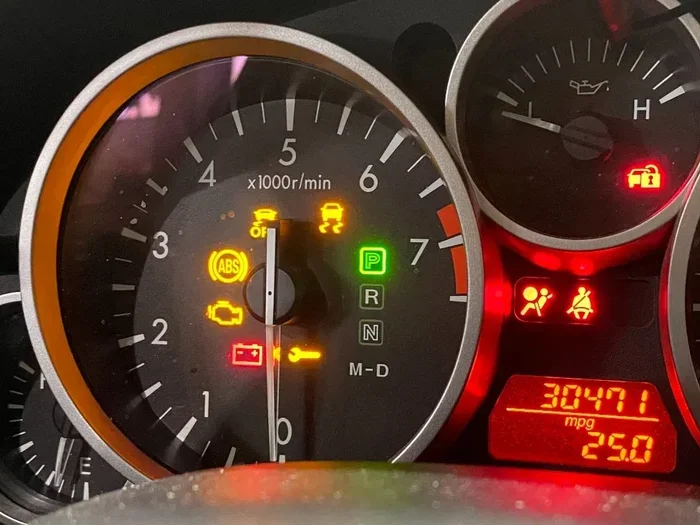
Mistake 5: Ignoring warning lights. If you see any hybrid warning lights on the dashboard during the process, stop immediately. These lights indicate a problem with the electrical system that needs professional attention.
When to Call for Roadside Assistance
There are times when can you jump start a hybrid is not the right question to ask. Sometimes, the safest choice is to call for professional help. You should call roadside assistance if:
- The hybrid battery has been dead for more than a few days.
- You notice a burning smell or visible damage to the battery or cables.
- The hybrid warning lights are flashing on the dashboard.
- You do not have access to another vehicle or jumper cables.
- You are not comfortable working with the electrical system.
- The hybrid has been in an accident or has visible fluid leaks.
Roadside assistance services are trained to handle hybrid vehicles safely. They carry the right equipment and know the specific procedures for different hybrid models. There is no shame in calling for help. It is always better to be safe than sorry.
Hybrid Battery Maintenance Tips
Prevention is the best cure for a dead battery. Here are some simple tips to keep your hybrid battery healthy and avoid unexpected breakdowns.
Keep the Battery Charged
If you drive your hybrid infrequently, the auxiliary battery can slowly lose its charge. Try to take your hybrid for a drive at least once a week for 20 to 30 minutes. This keeps the battery topped up and the electrical systems functioning properly.
Check for Corrosion
Look at the battery terminals regularly. White or blue-green buildup is a sign of corrosion. Clean it off with a baking soda and water solution and a wire brush. Clean terminals ensure a strong connection and reliable starts.
Replace the Battery When Needed
A 12-volt auxiliary battery typically lasts three to five years. If your hybrid is older and you are experiencing frequent electrical issues, it may be time for a replacement. Ask your mechanic to test the battery at your next service visit.
Monitor the Hybrid System
Pay attention to how your hybrid performs. If you notice reduced fuel efficiency, unusual noises, or dim headlights, these could be early signs of a battery problem. Early detection can save you from a full breakdown.
Expert Insights
According to hybrid technicians, most hybrid jump start issues are caused by a drained 12-volt auxiliary battery, not the traction battery. “The high-voltage system in a hybrid is actually very reliable,” says automotive expert Mike Richards. “The problem almost always comes down to the small 12-volt battery that people forget about. Keep that battery healthy, and your hybrid will start every time.”
Another expert tip: If you own a hybrid and frequently take short trips around town, consider investing in a battery maintainer or trickle charger. These devices keep the auxiliary battery at full charge even when the car is not driven often.
Conclusion
Can you jump start a hybrid? Absolutely. The process is straightforward once you understand the basics. The key is to locate the 12-volt auxiliary battery, follow the correct cable connection order, and take the necessary safety precautions around the high-voltage system. By respecting the unique design of hybrid vehicles, you can safely and effectively get your car started when the battery dies.
Remember to always keep jumper cables in your trunk, refer to your owner’s manual, and know when to call for roadside assistance. With the right knowledge and a little preparation, you can handle a dead hybrid battery with confidence. Take the time to learn your specific hybrid model, and you will be ready for whatever the road throws your way.
Jump starting a hybrid is a skill every hybrid owner should have. It saves time, money, and stress. Keep this guide handy, share it with fellow hybrid drivers, and drive with the confidence that comes from being prepared.
Frequently Asked Questions
Is it safe to jump start a hybrid car?
Yes, it is safe as long as you follow the correct procedure and take proper precautions. Always locate the 12-volt auxiliary battery first, never touch the high-voltage components, and follow the cable connection order exactly. If you are unsure about any step, call for roadside assistance instead of risking injury or damage to your vehicle.
Where is the auxiliary battery located in a hybrid?
The auxiliary battery location varies by hybrid model. In many Toyota and Honda hybrids, it is found in the trunk behind a panel or under the rear seat. Some models keep it under the hood like a conventional car. Always check your owner’s manual to find the exact location before attempting a jump start.
Can you jump start a hybrid with a conventional car?
Yes, you can use a conventional gasoline car to jump start a hybrid. The process is essentially the same, with the key difference being where you connect the cables on the hybrid. Always connect the grounding clamp to a metal chassis point on the hybrid, not to the hybrid’s battery negative terminal directly.
What happens if you jump start a hybrid incorrectly?
Incorrect jump starting can damage the hybrid’s sensitive electronics, fry the 12-volt battery, or in worst cases, cause a short circuit near the high-voltage system. Always follow the correct cable order and never connect cables to orange high-voltage cables or the traction battery. If you make a mistake, disconnect everything immediately and seek professional help.
How long should I let the hybrid run after a jump start?
Let the hybrid run for at least 15 to 20 minutes after a successful jump start. This gives the alternator enough time to recharge the 12-volt auxiliary battery. If you turn the car off too soon, the battery may not have enough charge to start the hybrid again the next time you try.
Do all hybrid models use the same jump start procedure?
Most hybrid models follow the same basic jump start procedure, but there can be differences in auxiliary battery location and grounding points. Always consult your specific hybrid’s owner manual before attempting a jump start. The manual will provide model-specific instructions and diagrams to guide you through the process safely.