Can You Drive a Hybrid on Gas Only Without Any Worries
Yes, you can drive a hybrid on gas only without damaging your vehicle or voiding your warranty. Hybrid vehicles are designed to run on gasoline alone when the battery is low or when you choose gas-only mode. Understanding how gas-only driving works helps you get the best fuel economy and keep your hybrid system running smoothly for years to come.
Many car buyers wonder about hybrid vehicles and how they really work in everyday life. One question comes up again and again: can you drive a hybrid on gas only? The short answer is yes. You can drive a hybrid car using nothing but gasoline, and it will run just fine. In fact, millions of hybrid owners do this every single day without any problems at all.
Hybrid cars combine a gasoline engine with an electric motor to save fuel and reduce emissions. But what happens when you skip the electric part and rely only on gas? This article breaks it all down in simple terms. You will learn how gas-only driving works, what to expect, and how to get the most out of your hybrid vehicle.
Whether you just bought a hybrid car or are thinking about making the switch, this guide has you covered. We will walk through the science, the practical tips, and the common mistakes to avoid. By the end, you will feel confident about driving your hybrid on gas only whenever you need to.
Key Takeaways
- Hybrids run perfectly fine on gas only: You can absolutely drive a hybrid vehicle using just gasoline without any harm.
- Gas-only mode is built into every hybrid: The system automatically switches between electric and gasoline power as needed.
- Fuel economy may change: Driving on gas only typically uses more fuel than a combined electric and gas approach.
- No special maintenance is required: Your hybrid needs the same basic care as any gasoline car.
- Plug-in hybrids offer more flexibility: These models let you choose between electric-only, gas-only, or combined driving modes.
- Monitoring fuel levels matters: Running a hybrid on empty can strain the system and should be avoided.
📑 Table of Contents
How Hybrid Vehicles Actually Work
Before diving into gas-only driving, it helps to understand the basics of how a hybrid vehicle operates. Hybrid cars use two power sources: a gasoline engine and an electric motor. These two systems work together to move the car forward while using less fuel than a traditional car.
The Gasoline Engine
The gasoline engine in a hybrid works just like the one in a regular car. It burns fuel to create energy that turns the wheels. In most hybrids, the gas engine is smaller than what you would find in a non-hybrid version of the same car. This is because the electric motor helps share the workload.
When you accelerate quickly or climb a hill, the gas engine kicks in to provide extra power. At steady speeds, the electric motor often takes over. This clever setup is what gives hybrids their impressive fuel economy numbers.
The Electric Motor
The electric motor runs on a rechargeable battery pack. This battery stores energy that comes from two main sources: regenerative braking and the gasoline engine. Regenerative braking captures energy that would normally be lost when you slow down and sends it back to the battery.
In some hybrids, you can plug the car into an outlet to charge the battery. These are called plug-in hybrids. Other hybrids, known as full hybrids, charge their batteries entirely through driving. Both types can run on gas only when needed.
How They Work Together
The hybrid system uses a computer to decide when to use gas, electric power, or both. The computer looks at how hard you are pressing the accelerator, how fast you are going, and how much charge is left in the battery. It then picks the best power source for the moment.
This means you do not need to do anything special. The car handles the switching automatically. You simply drive, and the hybrid system takes care of the rest. But what happens when you want or need to use gas only?
Can You Drive a Hybrid on Gas Only?
The Short Answer
Can you drive a hybrid on gas only? Absolutely yes. Every hybrid vehicle on the market today is designed to run on gasoline alone. You do not need the electric motor to move the car. The gasoline engine is fully capable of powering the vehicle by itself, just like any regular car.
Some people worry that driving on gas only might hurt the hybrid system. This is a common myth. Hybrids are built with durable components that can handle gas-only use for their entire lifespan. Car manufacturers test these vehicles extensively to make sure they work well in all driving conditions, including gas-only driving.
How Gas-Only Mode Works
When you drive a hybrid on gas only, the electric motor stays idle. The gasoline engine does all the work of moving the car. The battery may still charge a little bit through regenerative braking, but the electric motor is not actively helping to push the car forward.
Most hybrids will automatically switch to gas-only mode in certain situations. For example, when the battery is low, the car relies on the gas engine. When you are driving at high speeds on the highway, gas-only mode often kicks in because the electric motor is less efficient at those speeds.
Some hybrids also let you manually select a gas-only mode. This can be useful in situations where you want to save battery power for later use. You can usually find this option in the car’s dashboard settings or through a driving mode selector.
What Happens When You Drive on Gas Only
Fuel Economy Changes
Driving a hybrid on gas only will use more fuel than driving in mixed mode. The whole point of a hybrid is to blend electric and gas power for better fuel economy. When you rely only on the gas engine, you lose that advantage.
Here is a simple way to think about it. A hybrid car might get 50 miles per gallon in combined driving mode. But if you drive it on gas only for a long highway trip, you might see that number drop to around 35 or 40 miles per gallon. The exact number depends on your car model, driving habits, and road conditions.
That said, the fuel economy on gas only is still often better than a comparable non-hybrid car. This is because hybrid engines are designed to be more efficient, even when running on gasoline alone.
Battery Charging Behavior
When you drive on gas only, the battery does not get the same level of charge it would in mixed driving. The gas engine does charge the battery to some extent, but not as efficiently as when the electric motor is actively involved.
If you drive long distances on gas only, the battery level may drop over time. This is completely normal and nothing to worry about. The hybrid system is smart enough to manage the battery even when you are not using electric power. It will keep the battery at a safe charge level to protect the hybrid battery from damage.
Performance Differences
You might notice a slight difference in performance when driving on gas only. Hybrids are designed to deliver smooth and quick acceleration by combining the power of the gas engine and electric motor. When the electric motor is not helping, acceleration might feel a bit slower.
For most everyday driving, this difference is barely noticeable. You will still have more than enough power for highway merging, hill climbing, and normal city driving. Only in situations that demand sudden bursts of speed might you feel the difference between mixed mode and gas-only driving.
Noise and Vibration
Another thing you might notice is that the car sounds different on gas only. When the electric motor is running, hybrids are nearly silent. When the gas engine takes over, you will hear the familiar sound of a combustion engine. Some drivers enjoy this, while others prefer the quiet electric mode.
The engine might also vibrate slightly more in gas-only mode, especially when idling at a stoplight. This is normal and does not indicate any problem with your vehicle.
Types of Hybrids and Their Gas-Only Capabilities
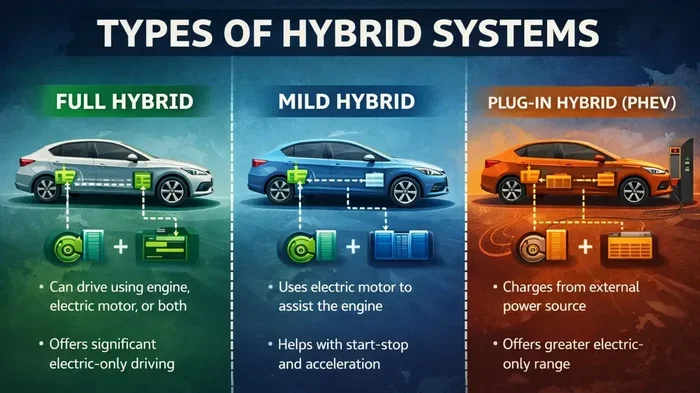
Not all hybrids are the same. Different types of hybrid systems offer different levels of gas-only driving. Understanding these differences can help you choose the right car and know what to expect.
Full Hybrids
Full hybrids are the most common type of hybrid vehicle. They have a gas engine and an electric motor that can work together or independently. Full hybrids can run on electric power alone at low speeds, switch to gas only when needed, or use both for maximum performance.
Toyota’s Prius is one of the most well-known full hybrids. These cars are excellent at gas-only driving because their gas engines are designed to work seamlessly with the electric system. You can drive a full hybrid on gas only for its entire life without any issues.
Mild Hybrids
Mild hybrids use a smaller electric motor that cannot power the car on its own. The electric motor mainly assists the gas engine during acceleration and helps with regenerative braking. In a mild hybrid, you are always using the gas engine to move the car, so gas-only driving is really the only way these cars work.
Mild hybrids offer a smaller boost in fuel economy compared to full hybrids. But they are also more affordable and simpler to maintain. The electric motor in a mild hybrid does not change the way you drive on gas.
Plug-In Hybrids
Plug-in hybrids (also called PHEVs) have larger batteries that you can charge by plugging them into an outlet. These cars can drive significant distances on electric power alone, sometimes 20 to 50 miles. Once the battery runs out, they switch to gas-only mode automatically.
Plug-in hybrids are the most flexible option for gas-only driving. You can choose to drive on electricity, gas, or a mix of both. If you forget to plug in your car overnight, you can simply drive on gas and charge the battery later. This makes plug-in hybrids a great choice for people who want the option of electric-only mode without the worry of running out of charge.
Tips for Driving a Hybrid on Gas Only
Driving a hybrid on gas only is simple, but a few tips can help you get the best experience and protect your vehicle over time.
Monitor Your Fuel Gauge
Even though hybrids can run on gas only, you still need to keep an eye on your fuel level. Hybrids tend to have smaller gas tanks than regular cars because the electric motor helps extend the driving range. This means you may need to refuel more often when driving on gas only.
Try not to let your fuel level drop too low. Running on empty can cause the gas engine to strain and may pull sediment from the bottom of the tank into the fuel system. Keep your tank at least a quarter full for the best performance.
Keep the Battery Healthy
Even when you drive on gas only, your hybrid battery still needs care. The battery management system will keep the battery within a safe charge range, but you can help by avoiding extreme temperatures when possible.
In very hot weather, try to park in the shade. In cold weather, give the car a few minutes to warm up before driving aggressively. These small habits go a long way in keeping your battery strong and your hybrid system running smoothly.
Use Cruise Control Wisely
When driving on gas only for long highway trips, using cruise control can help maintain a steady speed and improve fuel economy. However, avoid using cruise control on hilly terrain, as the gas engine may work harder to maintain speed on inclines.
On flat highways, cruise control is your friend. It keeps your driving smooth and consistent, which helps the gas engine operate at its most efficient level. This is one of the easiest ways to save fuel when driving a hybrid on gas only.
Plan Your Charging (for Plug-In Hybrids)
If you own a plug-in hybrid, you have even more control over your driving mode. You can choose to drive on gas only when you do not have access to a charging outlet. You can also plan your trips so that short commutes are done on electric power and longer drives use gas.
Many plug-in hybrids come with apps that help you track your energy usage and plan charging stops. Using these tools can help you get the most out of your vehicle and keep your fuel economy in check.
Keep Up with Regular Maintenance
Hybrids need the same basic maintenance as any gasoline car. This includes oil changes, tire rotations, brake inspections, and air filter replacements. The gasoline engine in a hybrid still has all the same parts that need regular attention.
One difference is that hybrids often have regenerative braking systems that wear brake pads more slowly. This means you may not need to replace your brakes as often as you would in a regular car. But the rest of the maintenance schedule is very similar.
Common Mistakes Hybrid Owners Make
Even though driving a hybrid on gas only is perfectly safe, some hybrid owners make mistakes that can reduce their car’s performance or lifespan. Here are a few to watch out for.
Ignoring the Electric System
Just because you are driving on gas only does not mean you should ignore the electric system entirely. The battery and electric motor are still part of your car, and they need attention. If you notice warning lights on your dashboard, do not ignore them.
Regular check-ups should include a look at the hybrid battery health and the electric motor connections. Most hybrid warranties cover these components for 8 to 10 years, so you are well protected. But staying on top of maintenance helps you catch small problems before they become big ones.
Overloading the Vehicle
Hybrids are designed for efficiency, and overloading them with heavy cargo can hurt both the gas engine and the battery. When you carry too much weight, the gas engine has to work harder, which reduces your fuel economy even in gas-only mode.
Try to keep your cargo weight within the manufacturer’s recommended limits. This simple step helps your hybrid run smoothly and lasts longer, whether you are driving on gas, electric, or a mix of both.
Skipping Maintenance Because It Is a Hybrid
Some owners assume that because their car is a hybrid, it needs less maintenance. This is not true. The gas engine in a hybrid still needs oil, filters, spark plugs, and other regular services. Skipping these can lead to poor performance and higher fuel costs.
Follow the maintenance schedule in your owner’s manual just as you would for any car. A well-maintained hybrid will give you years of reliable service, whether you drive it on gas only or in mixed mode.
Is Gas-Only Driving Safe for Your Hybrid?
The short answer is yes. Driving a hybrid on gas only is completely safe. Car manufacturers design hybrid vehicles to handle gas-only use as a normal part of their operation. You are not risking damage to your car or your safety by relying solely on gasoline.
In fact, many hybrid owners choose to drive on gas only during long road trips. The electric battery adds weight, and using gas only can sometimes make the car feel lighter and more responsive. There is no rule that says you must use both power sources. Your hybrid is smart enough to handle either scenario.
The key is to stay informed and maintain your vehicle properly. As long as you follow the recommended maintenance schedule and keep an eye on your fuel levels, driving on gas only will not cause any problems. You can enjoy the flexibility of your hybrid without any worries at all.
Final Thoughts
Can you drive a hybrid on gas only without any worries? The answer is a confident yes. Hybrid vehicles are built with the flexibility to run on gasoline alone whenever you need them to. Whether you are taking a long road trip, charging your plug-in hybrid at home, or simply prefer the simplicity of gas-only driving, your hybrid can handle it all.
Understanding how your hybrid works gives you more confidence behind the wheel. You do not need to second-guess your driving choices or worry about damaging the hybrid system. The technology is designed to be forgiving and user-friendly.
Remember to keep up with basic maintenance, monitor your fuel levels, and enjoy the ride. Hybrids offer a great balance of efficiency and convenience, and gas-only driving is just one of the many ways you can get the most out of your vehicle. Drive confidently, save fuel where you can, and let your hybrid do what it does best.
Frequently Asked Questions
Will driving a hybrid on gas only damage the battery?
No, driving a hybrid on gas only will not damage the battery. The hybrid system is designed to manage the battery automatically, even when the electric motor is not in use. The battery will continue to charge through regenerative braking and the gas engine, keeping it healthy and safe.
How much fuel do you lose when driving a hybrid on gas only?
Fuel economy drops somewhat when you drive a hybrid on gas only, but you still get better mileage than most non-hybrid cars. The exact amount depends on your car model and driving conditions. On average, you might see a 15 to 25 percent decrease in miles per gallon compared to mixed driving mode.
Can you turn off the electric motor and drive on gas only?
Some hybrid models allow you to manually select a gas-only driving mode through the dashboard controls. In most hybrids, the car automatically switches to gas only when the battery is low or when you need extra power. Check your owner’s manual for specific instructions on your model.
Is it cheaper to drive a hybrid on gas only or in electric mode?
Driving in electric mode is cheaper because electricity costs less than gasoline per mile. However, gas-only driving is still more affordable than driving a traditional non-hybrid car. The real savings come from combining both power sources for the best overall fuel economy.
Do all hybrids have a gas-only driving mode?
Yes, all hybrid vehicles can run on gasoline alone. Even mild hybrids, which rely mostly on the gas engine, support gas-only driving. Full hybrids and plug-in hybrids offer more flexibility, but every hybrid on the market today can operate without electric power.
What should you do if your hybrid runs out of gas?
Running a hybrid completely out of gas can strain the system and is not recommended. The gas engine needs fuel to operate, and running on empty may cause the fuel pump to overheat. If you run low, find a gas station as soon as possible and refill. Keep your tank at least a quarter full to avoid this situation.
=== CONCLUSION ===
Can you drive a hybrid on gas only? Yes, you absolutely can, and you do not need to worry about it at all. Hybrid vehicles are smartly designed to handle gas-only use with ease. The gasoline engine takes over when needed, and the hybrid system protects the battery and other components automatically.
Whether you choose to drive on gas only for long trips or rely on a mix of electric and gas power for daily commuting, your hybrid is ready for anything. The key is to stay informed, keep up with maintenance, and enjoy the flexibility that hybrid technology offers. Drive confidently, save fuel where you can, and make the most of your hybrid vehicle every single day.