Alfa Romeo Engine Specs Explained and Why They Matter
Alfa Romeo engine specs reveal the heart and soul of every Italian car on the road. Understanding these numbers helps you make smarter buying decisions and keep your vehicle running strong. This guide breaks down every key spec in simple, easy-to-understand terms.
Key Takeaways
- Engine specs define performance: Horsepower, torque, and displacement tell you exactly what your Alfa Romeo can do.
- Each engine tells a story: From the classic twin-spark inline-four to the powerful V6, Alfa Romeo has a rich engineering legacy.
- Decoding engine codes is easier than you think: Once you know the basics, reading your engine spec sheet becomes second nature.
- Maintenance matters more than you realize: Regular care keeps your Italian powertrain reliable for decades.
- Specs should match your needs: Choosing the right engine depends on your driving style, daily use, and performance goals.
- Italian engineering stands apart: Alfa Romeo builds engines that prioritize driving feel and responsiveness over raw numbers alone.
📑 Table of Contents
- What Are Alfa Romeo Engine Specs?
- Popular Alfa Romeo Engines and Their Specifications
- How to Read and Decode Your Alfa Romeo Engine Specs
- Horsepower, Torque, and What They Really Mean
- Common Alfa Romeo Engine Problems and How to Prevent Them
- Why Engine Specs Matter When Choosing Your Alfa Romeo
- Final Thoughts on Alfa Romeo Engine Specs
What Are Alfa Romeo Engine Specs?
When you hear the words Alfa Romeo engine specs, it might sound like something only car geeks care about. But here is the truth. Those numbers on your owner manual or spec sheet control how your car feels every single time you turn the key. They tell you how fast you can go. They tell you how much power your engine makes. And they tell you whether your car will be fun to drive or just plain reliable.
Alfa Romeo engine specs are essentially the blueprint of your engine. They describe everything from the size of the cylinders to how much fuel gets injected. Think of it like a nutrition label, but for your car. Every number has a purpose. Every figure shapes your driving experience.
Italian engineers have always treated the engine as more than just a machine. It is the soul of the car. That is why Alfa Romeo spends so much time perfecting every detail. From the compression ratio to the cylinder configuration, each piece of the puzzle matters. When you understand these specs, you understand your car at a deeper level.
Whether you own a classic Alfa Romeo or you are shopping for a used one, knowing your engine specifications gives you an edge. You can spot problems before they become expensive repairs. You can choose the right engine tuning upgrades. And you can talk to your mechanic with confidence. That is exactly what this guide is built for.
Popular Alfa Romeo Engines and Their Specifications
Alfa Romeo has built many different engines over the decades. Each one has its own personality. Some are meant for speed. Others are built for everyday comfort. Let us look at the most popular Alfa Romeo engine models and what makes each one special.
The Twin-Spark Inline-Four Engines
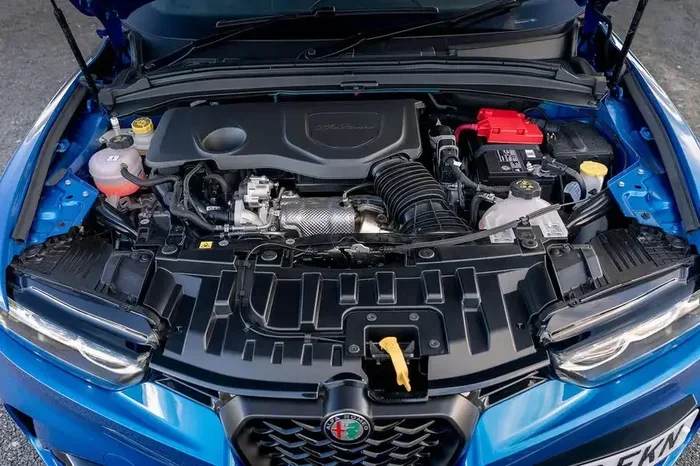
The inline-four engine has been a staple of Alfa Romeo for years. These engines use four cylinders lined up in a row. The twin-spark design means each cylinder has two spark plugs. This gives a cleaner burn and better fuel injection efficiency.
You will find this engine in models like the Alfa Romeo Giulietta and the older 147. The displacement typically ranges from 1.4 liters to 2.0 liters. Horsepower output varies from about 120 hp all the way up to 240 hp in the hotter versions.
These engines are known for being responsive. They rev high and deliver power smoothly. The twin-spark technology was a game changer for Italian engineering. It helped Alfa Romeo meet emissions standards without sacrificing the driving feel fans love.
The V6 Powerhouses
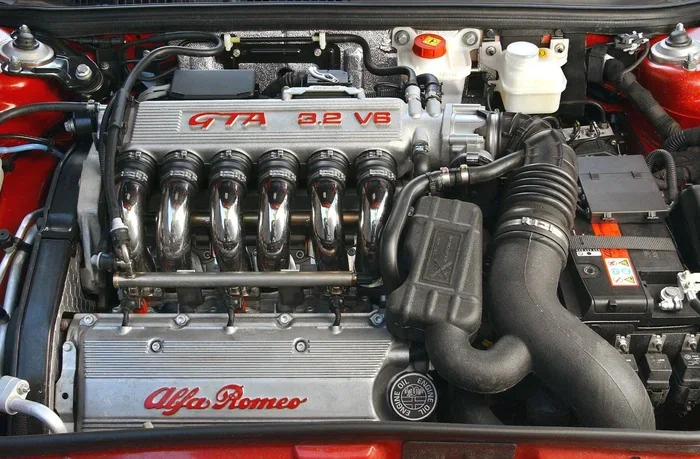
If you want raw power, the Alfa Romeo V6 is what you are looking for. This 6-cylinder engine has been a favorite since the 1990s. It powered legendary cars like the Alfa Romeo GTV and the 166.
V6 engines from Alfa Romeo typically came in displacements of 2.5 liters and 3.0 liters. The 2.5-liter version produced around 190 hp. The 3.0-liter twin-spark variant pushed past 250 hp. The sound alone is worth the price of admission. That deep, throaty growl is pure Italian engineering at its finest.
What makes the V6 special is its balance. Six cylinders in a V shape create smooth power delivery. There is very little vibration. The car feels refined even at high speeds. This is why many enthusiasts still hunt for Alfa Romeo models with the V6 today.
The Turbocharged Engines
More recently, Alfa Romeo has moved toward turbocharged engines. These smaller engines use a turbine to force more air into the combustion chamber. The result is more power from a smaller engine block.
The 2.0-liter turbo four-cylinder is a great example. It produces around 280 hp in the Stelvio Quadrifoglio. That is impressive for an engine this size. Turbocharged engines also tend to be more fuel efficient than their naturally aspirated counterparts.
However, turbo engines do come with some trade-offs. They can be more complex to maintain. The turbocharger itself adds another component that needs attention. But for drivers who want both performance and practicality, the turbo route makes a lot of sense.
How to Read and Decode Your Alfa Romeo Engine Specs
Looking at an engine specification sheet can feel overwhelming at first. All those numbers and abbreviations seem like a foreign language. But once you know what each term means, it all clicks into place. Let us walk through the most important specs you will encounter.
Understanding Engine Displacement
Engine displacement is the total volume of all the cylinders combined. It is measured in liters. A 2.0-liter engine means the cylinders can hold 2.0 liters of air and fuel mixture per complete cycle.
Displacement is one of the first numbers people look at when comparing performance specs. Generally, a larger displacement means more power. But that is not the whole story. Modern turbocharged engines can produce more power than older naturally aspirated engines with the same displacement.
For example, a 2.0-liter turbo might make 280 hp. A 3.0-liter naturally aspirated V6 might make 250 hp. The numbers do not always tell the full story. That is why you need to look at the whole picture.
Compression Ratio and Its Role
The compression ratio tells you how much the air-fuel mixture gets squeezed before ignition. A higher compression ratio generally means more power. But it also requires higher-octane fuel.
Alfa Romeo engines typically have compression ratios between 9.5:1 and 11.5:1. The exact ratio depends on the engine type and the year of production. Higher compression engines extract more energy from each combustion cycle.
Here is a quick tip. If you ever need to buy fuel for your Alfa Romeo, check your owner manual for the recommended octane rating. Using the wrong fuel can cause engine knocking. Over time, that can lead to serious engine maintenance issues.
Reading the Engine Code
Every Alfa Romeo engine has a unique engine code. This code tells you the engine family, displacement, and sometimes the fuel type. For example, the code “939A4000” tells a mechanic exactly which engine is installed.
You can usually find this code on the engine block itself. It also appears on your vehicle registration documents. Knowing your engine code makes it much easier to order the right parts. It also helps when researching OEM specifications for repairs or upgrades.
Horsepower, Torque, and What They Really Mean
Everyone talks about horsepower and torque. But what do these numbers actually mean for your daily driving? Let us break it down in plain language.
Why Horsepower Matters
Horsepower measures how much work your engine can do over time. In simple terms, it tells you your top speed potential and how quickly your car can accelerate.
An Alfa Romeo with 250 hp will feel much faster than one with 150 hp. But horsepower alone does not tell the full story. A lightweight car with 150 hp can feel just as quick as a heavier car with 200 hp. The power-to-weight ratio matters just as much as the raw number.
When you are looking at Alfa Romeo engine specs, pay attention to the power-to-weight ratio. This gives you a more realistic picture of real-world performance. It is calculated by dividing horsepower by the vehicle weight in pounds.
Torque and Real-World Driving Feel
Torque is the twisting force your engine produces. It is what pushes you back in your seat when you step on the gas. While horsepower is about top-end speed, torque is about low-end grunt.
If you have ever driven a diesel truck or a turbocharged Alfa Romeo, you know that satisfying feeling of instant pull. That is torque at work. It is what makes passing on the highway feel effortless.
For most daily drivers, torque matters more than peak horsepower. You spend most of your time driving at moderate speeds. That is where torque shines. A strong mid-range torque curve makes your car feel lively and responsive in everyday situations.
Comparing Horsepower and Torque Side by Side
| Engine Type | Horsepower | Torque | Best For |
|---|---|---|---|
| 1.4L Turbo Inline-4 | 170 hp | 206 lb-ft | City driving, fuel economy |
| 2.0L Turbo Inline-4 | 280 hp | 306 lb-ft | Sport driving, highway cruising |
| 2.5L V6 Naturally Aspirated | 190 hp | 185 lb-ft | Balanced daily use |
| 3.0L V6 Twin-Spark | 250 hp | 210 lb-ft | Performance and touring |
Common Alfa Romeo Engine Problems and How to Prevent Them
Every engine has its quirks. And Alfa Romeo engines are no different. Knowing the common issues helps you stay ahead of problems before they turn into expensive repairs. Let us look at what to watch for.
Engine Reliability Concerns
Some older Alfa Romeo models had engine reliability issues that became well known over time. The 2.0-liter JTS engine from the mid-2000s, for example, was prone to oil sludge buildup. This happens when oil breaks down and forms a thick residue inside the engine.
Regular oil changes are the best defense against this problem. Use the OEM specifications recommended oil weight. Most Alfa Romeo engines perform best with fully synthetic oil changed every 5,000 to 7,500 miles.
Another common issue is the thermostat failing in older models. A stuck thermostat can cause your engine to overheat or run too cold. Both conditions reduce engine reliability over time. If you notice your temperature gauge acting strange, get it checked right away.
Quick Tips for Engine Maintenance
Keeping your Alfa Romeo engine healthy does not have to be complicated. Follow these simple tips and your engine will thank you for years to come.
- Change your oil regularly. Stick to the manufacturer recommended intervals. Do not stretch them out.
- Check your coolant levels. Alfa Romeo engines run warm. Low coolant can cause overheating fast.
- Listen to your engine. Unusual sounds like knocking or ticking should never be ignored.
- Use quality fuel. Top-tier gasoline helps keep your fuel injection system clean.
- Replace spark plugs on schedule. Worn spark plugs reduce performance and fuel economy.
- Keep up with timing belt service. A broken timing belt can destroy your engine in seconds.
Common Mistakes Owners Make
Many Alfa Romeo owners make mistakes that shorten engine life. One of the biggest is ignoring the check engine light. That little yellow symbol is your car telling you something is wrong. Dismissing it can lead to costly repairs down the road.
Another mistake is skipping warm-up periods in cold weather. Your engine oil is thicker when cold. Letting the car idle for 30 to 60 seconds before driving helps the oil circulate properly. This is especially important for older models with higher mileage.
Some owners also push their engines too hard without proper maintenance. If you have a turbocharged model, let the engine cool down for a minute before shutting it off. This allows the turbo to spool down gradually and prevents oil coking. A small habit that saves big repairs.
Why Engine Specs Matter When Choosing Your Alfa Romeo
Now that you understand the basics, let us talk about why this all matters when you are buying or owning an Alfa Romeo. Engine specs are not just numbers on a page. They shape your entire ownership experience.
Matching Specs to Your Driving Style
Think about how you actually drive. Do you commute through city traffic every day? Do you hit open highways on weekends? Do you enjoy spirited driving on winding roads?
If you do mostly city driving, a smaller inline-four engine with moderate horsepower makes sense. It will be fuel efficient and easy to maneuver. The 1.4-liter turbo or the 2.0-liter JTS are great choices for this kind of use.
If you love spirited driving and highway cruising, a V6 or a turbocharged inline-four gives you the performance specs you need. The extra torque makes passing and merging feel effortless. The smooth power delivery keeps you relaxed on long trips.
Expert Insights on Choosing the Right Engine
According to many Alfa Romeo specialists, the best engine for you depends on your priorities. If engine reliability is your top concern, stick with the simpler naturally aspirated engines. They have fewer components that can fail.
If you want maximum powertrain performance, go for the turbocharged options. They offer the best balance of power and efficiency. Just be aware that turbo engines require more attentive maintenance.
For collectors and enthusiasts, the classic V6 models hold their value well. They represent the golden era of Italian engineering. Finding a well-maintained example with clean engine specs is a rewarding experience for any car lover.
Alfa Romeo engine specs are more than just technical data. They are a roadmap to understanding your car. When you know what your engine can do, you can push it to its limits safely. You can maintain it properly. And you can enjoy every moment behind the wheel with confidence.
Final Thoughts on Alfa Romeo Engine Specs
Understanding Alfa Romeo engine specs is one of the best things you can do as a car owner. It empowers you to make better decisions. It helps you communicate with your mechanic. And it deepens your appreciation for the incredible machines these Italian engineers build.
From the classic twin-spark inline-four to the modern turbocharged powerhouses, every Alfa Romeo engine has a story to tell. The numbers on the spec sheet are just the beginning. The real magic happens when you turn the key and feel that power come alive.
Take the time to learn your engine specs. Check your owner manual. Ask your mechanic questions. The more you know, the better your Alfa Romeo experience will be. These cars are built to be driven and enjoyed. And now you have the knowledge to get the most out of every drive.
Frequently Asked Questions
What do Alfa Romeo engine specs include?
Alfa Romeo engine specs include displacement, horsepower, torque, compression ratio, cylinder configuration, and fuel injection type. These numbers describe how the engine is built and how much power it can produce. They help you understand the performance and capabilities of your specific model.
Why are Alfa Romeo engines considered special?
Alfa Romeo engines are special because they prioritize driving feel and responsiveness. The Italian engineering philosophy focuses on creating engines that deliver smooth, linear power. Features like the twin-spark design and carefully tuned compression ratios set them apart from competitors. They are built to be enjoyed, not just measured.
How often should I check my Alfa Romeo engine specs?
You should review your engine specifications whenever you are doing maintenance or considering upgrades. Checking your specs helps you order the right parts and understand what your engine needs. A quick review once or twice a year keeps you informed and prepared for any service needs.
Can I upgrade my Alfa Romeo engine for better performance?
Yes, many owners choose engine tuning upgrades to boost horsepower and torque. Common upgrades include cold air intakes, exhaust systems, and ECU remapping. Always make sure any upgrades match your OEM specifications to avoid damaging your engine. Consulting a specialist before making changes is always a smart move.
What is the most reliable Alfa Romeo engine?
The naturally aspirated inline-four and V6 engines from the early 2000s are often considered the most reliable. They have simpler designs with fewer components prone to failure. However, any Alfa Romeo engine can last a long time with proper engine maintenance and regular servicing. Consistency is the key to long engine life.
How do I find my Alfa Romeo engine code?
Your engine code is stamped on the engine block itself. It also appears on your vehicle registration and owner manual. The code tells you the exact engine variant installed in your car. Knowing this code makes ordering parts and researching performance specs much easier and more accurate.