Why Concave Mirror Is Used in the Headlights of Cars
Concave mirrors are the hidden heroes inside your car’s headlights, turning a simple bulb into a powerful road illuminator. Why concave mirror is used in headlights of car comes down to physics: the curved shape focuses light into a tight beam that boosts night driving safety. This design gives you clear road visibility and ensures the light reaches far ahead without scattering.
You flip the switch and your car’s headlights blaze to life. But have you ever wondered what makes that light so effective? The secret lies in a curved mirror sitting right behind the bulb. Why concave mirror is used in headlights of car is a question that ties directly to how we see the road at night. Without this shaped mirror, your headlights would scatter light in every direction, leaving you with a dim, useless glow. A concave mirror solves this problem by focusing the beam into a tight, powerful cone that cuts through darkness.
This design isn’t just clever engineering—it’s a safety feature. When you drive on a dark highway, you need to see obstacles, signs, and pedestrians far ahead. A standard flat mirror would bounce light backward, blinding you instead of helping you. The concave mirror in car headlights takes the light from the bulb and redirects it forward with precision. This creates a bright, controlled beam that illuminates the road without blinding oncoming traffic. That’s why every modern headlight assembly relies on this curved reflector.
Key Takeaways
- Concave mirrors focus light: They turn a scattered bulb glow into a directed beam that reaches far down the road.
- Parabolic shape is key: The mirror’s curve sits at the focal point, creating a concentrated low beam and high beam pattern.
- Safety first: Properly shaped mirrors improve road visibility and reduce night driving accidents.
- Not all mirrors are equal: Convex mirrors spread light out, which is why they’re never used in headlights.
- Maintenance matters: A clean, undamaged reflector keeps your headlight beam sharp and effective.
- Modern headlights still rely on this design: Even LED and projector units use concave reflector principles.
📑 Table of Contents
- How Car Headlights Actually Work (The Basics)
- Why Concave Mirror Is Used in Headlights of Cars
- Concave Mirror vs. Convex Mirror: Which Shape Wins?
- Types of Headlights That Use Concave Mirrors
- Benefits of Concave Mirrors for Night Driving
- Quick Tips for Headlight Reflector Care and Common Mistakes
- Conclusion
How Car Headlights Actually Work (The Basics)
The Reflector’s Job
The reflector is the metal shell behind the headlight bulb. It’s not just a cover; it’s a carefully shaped concave mirror. When the bulb lights up, it sends rays in all directions. The reflector catches those rays and bounces them forward. Without it, half the light would go backward into the engine bay. The shape of the mirror determines how the light spreads. A parabolic mirror is the most common choice because it creates a parallel beam. This means the light travels straight ahead instead of fanning out.
Inside the headlight housing, the bulb sits at a very specific spot. That spot is called the focal point. The concave mirror is designed so that the focal point lines up perfectly with the filament. When the filament glows, light rays travel outward and hit the mirror. The mirror reflects them back in parallel lines. This creates a strong, concentrated beam that can reach hundreds of feet down the road. The entire headlight assembly is built around this simple but effective principle.
How Light Travels from Bulb to Road
Understanding the light path helps you appreciate the mirror’s role. The bulb emits light in a 360-degree pattern. The rear and side portions of that light would be wasted without the reflector. The concave mirror captures those rays and redirects them forward. A clear lens or projector cover sits in front of the reflector. This lens shapes the final beam pattern. It creates a sharp cutoff on the top so the light doesn’t blind other drivers. The result is a low beam that sits flat and a high beam that reaches far.
The process happens in milliseconds. Every time you turn on the headlights, the concave mirror does its job. It doesn’t matter if you’re driving through fog, rain, or clear night skies. The mirror’s shape ensures the light reaches the road consistently. This consistency is what makes night driving safe and predictable.
Common Bulb Types and Their Reflectors
Different bulbs work with the same basic concave mirror concept. Older vehicles often use a halogen bulb. These contain a tungsten filament surrounded by halogen gas. The filament glows brightly when electricity flows through. Newer cars may use LED headlight technology. LEDs are smaller and more energy-efficient. No matter the bulb type, the concave mirror remains essential. It works with both halogen and LED sources to create a focused beam.
Some advanced systems use HID bulbs (high-intensity discharge). These produce an extremely bright arc of light. The concave mirror captures this intense light and shapes it into a usable pattern. Whether you have a simple reflector housing or a complex projector lens, the mirror is always the core component. It’s the reason your headlights can perform so well across different bulb technologies.
Why Concave Mirror Is Used in Headlights of Cars
The Parabolic Shape and Light Focus
A concave mirror curves inward like the inside of a bowl. This shape has a special property: it focuses parallel rays to a single point called the focal point. In a headlight, the bulb sits right at this focal point. When the filament glows, light rays travel outward and hit the mirror. The mirror reflects them back in parallel lines. This creates a strong, concentrated beam. If the bulb were placed anywhere else, the beam would scatter. The parabolic shape ensures the light travels far and straight.
The focal point is the key to everything. Engineers calculate the exact curve needed to place the focal point at the filament. This precise alignment is what gives you a bright, even illumination pattern. A slight misalignment can cause the beam to tilt or spread unevenly. That’s why headlight alignment is so important during assembly and after repairs. The concave mirror works best when every component is in its correct position.
From Focal Point to Beam Pattern
The beam pattern is what you see on the road at night. A good pattern has a sharp cutoff on the top. This prevents glare for other drivers. The concave mirror shapes the light into a low beam that sits flat. For high beams, the mirror allows more light to project forward. The beam pattern depends on the mirror’s curvature and the bulb’s position. Engineers design each headlight assembly to meet safety standards. They test the light distribution to ensure it covers the road without blinding others.
This is why why concave mirror is used in headlights of car is a question with a clear safety answer. The mirror doesn’t just make the light brighter. It makes the light smarter. It directs the beam exactly where it’s needed. You get a wide, flat pattern for city driving and a concentrated long-range beam for highways. All of this comes from the simple curved shape of the concave mirror.
How Engineers Design the Mirror
Designing a concave mirror for headlights is a precise science. Engineers use computer models to simulate light paths. They adjust the curvature until the beam pattern meets legal requirements. The mirror must work with the specific bulb type and lens design. Some mirrors have a slightly different curve for low and high beam functions. This dual-purpose design allows a single headlight to serve multiple needs.
The material of the mirror also matters. Most reflectors are made from polished metal or have a reflective coating. This coating must be highly reflective to maximize light output. Over time, the coating can degrade. That’s why keeping the reflector clean is so important. A well-maintained concave mirror will outperform a new bulb in a dirty housing. The mirror’s condition directly affects your road visibility.
Concave Mirror vs. Convex Mirror: Which Shape Wins?
The Problem with Convex Mirrors
You might see convex mirrors on the passenger side of your car. They give a wider view but make objects look smaller. A convex mirror spreads light out. If you used a convex mirror in a headlight, the beam would scatter. You’d get a dim, wide glow with no reach. That’s dangerous for night driving. The concave mirror does the opposite. It gathers and focuses light. This is why headlights never use convex reflectors.
Convex mirrors are great for seeing more area in your side mirrors. But they’re terrible for headlight reflectors. The goal of a headlight is to push light forward, not spread it in all directions. A convex reflector type would create a weak, unfocused beam. You wouldn’t be able to see far enough ahead. The concave mirror solves this by creating a tight, powerful beam that reaches deep into the darkness.
Why Convex Mirrors Are Used Elsewhere
Convex mirrors serve a different purpose. They’re used in parking lots, on store ceilings, and on the passenger side of cars. They provide a wider field of view. This is helpful for safety in those contexts. But for headlights, you need the opposite. You need light concentrated in one direction. The concave mirror delivers exactly that. It’s a perfect match for the job of illuminating the road.
Headlight Comparison Table
| Feature | Concave Mirror | Convex Mirror |
|---|---|---|
| Light Focus | Converges light to a focal point | Diverges light outward |
| Beam Pattern | Tight, long-range beam | Wide, short-range scatter |
| Use in Headlights | Yes – standard design | No – causes glare and poor reach |
| Safety | Improves road visibility | Reduces visibility and creates blind spots |
This table shows clearly why concave mirrors win. The concave mirror creates a focused beam that reaches far. Convex mirrors are for side-view mirrors, not headlights. The shape of the mirror directly determines how well you can see at night.
Types of Headlights That Use Concave Mirrors
Traditional Reflector Headlights
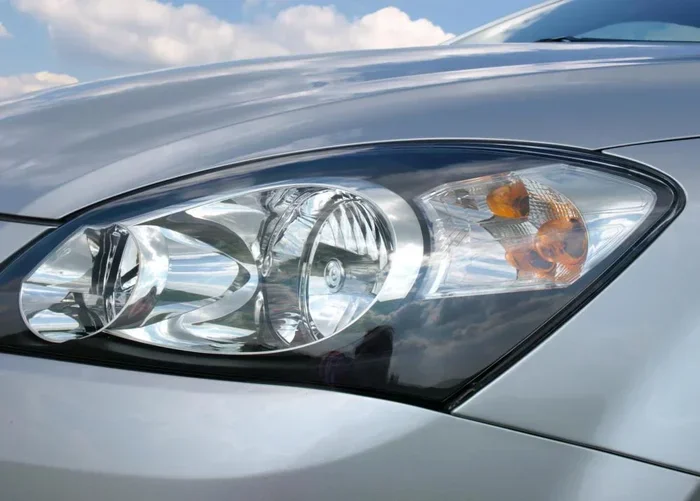
Most older and many modern cars use a reflector headlight. This design places the bulb inside a concave mirror housing. The metal reflector is polished to a high shine. It bounces light forward through a clear lens. The lens may contain a projector lens in some models. Reflector headlights are cost-effective and reliable. They provide good road visibility for everyday driving. The concave mirror shape is baked into the housing. You can’t change the mirror, but you can replace the bulb.
Reflector headlights have been around for decades. They work well with both halogen and modern LED headlight bulbs. The concave mirror doesn’t care what kind of light source you use. It simply does its job of focusing the light. This makes reflector headlights a versatile and popular choice for millions of vehicles worldwide.
Projector Headlights with Concave Elements
Projector headlights look sleek and modern. They use a concave mirror or a parabolic reflector behind the bulb. The light hits a sharp cutoff shield. This shield shapes the beam into a clean horizontal line. Projector headlights often use LED headlight or HID bulb technology. The concave mirror ensures the light is focused precisely. This gives you a bright, even illumination pattern. Many luxury and performance cars use this design. The result is excellent night driving visibility with minimal glare.
The projector lens adds another layer of control. It sits in front of the concave mirror and further shapes the beam. Together, the mirror and lens create a very sharp cutoff. This is why projector headlights often look so crisp on the road. They give you a clean low beam that doesn’t bother other drivers. The concave mirror is the foundation that makes this possible.
Modern LED and Adaptive Headlights
Today’s adaptive headlights use advanced concave mirror designs. These systems can swivel the beam around corners. The concave mirror still focuses the light, but the entire housing moves. LED arrays are becoming more common. Each LED segment can be controlled individually. The concave mirror works with these tiny light sources to create complex patterns. This technology improves road visibility even more. It adapts to driving conditions in real time.
Even with all these advances, the basic principle remains the same. A concave mirror focuses light into a useful beam. Whether it’s a simple reflector or a high-tech adaptive system, the curved mirror is at the heart of the design. Understanding this helps you appreciate why the technology has lasted so long.
Benefits of Concave Mirrors for Night Driving
Better Road Visibility
The main goal of any headlight is to light up the road. A concave mirror does this better than any flat or outward-curving surface. It takes the light from the bulb and pushes it forward. This creates a bright pool of illumination that extends 100 feet or more. You can see curves, animals, and debris early. That extra distance gives you time to react. Road visibility improves dramatically with a well-designed concave mirror.
Think about driving on a dark country road. Without a focused beam, you’d only see a few feet ahead. The concave mirror extends your sightline. You can spot a deer or a pothole long before you reach it. This early warning system is what keeps you safe. The mirror doesn’t just make the light brighter. It makes the light reach farther and cover more area.
Enhanced Safety and Comfort
Driving at night can be tiring. Glare from oncoming headlights or poor beam patterns causes eye strain. A concave mirror shapes the beam to avoid blinding others. This creates a safer environment for everyone. You also get a more comfortable view of the road. The light distribution stays even across the lane. There are no dark spots or sudden bright patches. This reduces fatigue on long trips.
“According to automotive lighting experts, the concave mirror remains the gold standard for headlight reflectors because it perfectly balances intensity and cutoff precision.”
Safety is the biggest reason why concave mirror is used in headlights of car remains unchanged for decades. The mirror doesn’t just help you see better. It helps other drivers see better too. By controlling the beam pattern, the concave mirror reduces overall glare on the road. This makes night driving safer for everyone.
Energy Efficiency and Longevity
A focused beam means less wasted light. When the concave mirror directs all the light forward, you need less bulb power to achieve the same visibility. This is especially true with modern LED headlight systems. LEDs already use less energy than halogen bulbs. Adding a well-designed concave mirror makes the system even more efficient. Your headlights last longer and draw less power from the battery.
The concave mirror also helps the bulb last longer. Because the light is focused forward, less heat builds up around the bulb housing. This keeps the operating temperature lower. A cooler bulb lasts significantly longer. So the mirror benefits both your visibility and your wallet.
Quick Tips for Headlight Reflector Care and Common Mistakes
Keeping Your Concave Mirror Clean
Dirt and oxidation dull the reflector surface. A cloudy mirror scatters light and reduces beam intensity. Clean your headlights regularly with a mild soap and water. Use a microfiber cloth to avoid scratches. For tough haze, a headlight restoration kit works well. A clean concave mirror reflects light efficiently. This keeps your beam pattern sharp and effective.
Here’s a simple cleaning routine you can follow:
- Rinse the headlight with water to remove loose dirt.
- Apply a small amount of car soap to a soft cloth.
- Gently wipe the reflector surface in circular motions.
- Rinse thoroughly and dry with a clean microfiber towel.
- Apply a UV protectant to prevent future oxidation.
Doing this every few weeks makes a big difference. You’ll notice your road visibility improves immediately after a good cleaning. The concave mirror works best when it’s free of grime and haze.
Aligning Your Headlights Properly
Even a clean concave mirror can’t do its job if the headlight is misaligned. The bulb must sit at the exact focal point inside the mirror. If the headlight is tilted too high, it blinds oncoming traffic. If it’s too low, you lose visibility. Check your headlight alignment at least once a year. You can do this by parking facing a wall and turning on the low beams. The beam should hit the wall at a specific height. If it’s off, adjust the mounting screws until it’s correct.
Proper alignment ensures the beam pattern works as designed. It also extends the life of your bulbs. Misaligned headlights force the filament to work harder. This can shorten the life of a halogen bulb or LED headlight. Take a few minutes to check your alignment. It’s one of the easiest ways to maintain your night driving safety.
Common Mistakes That Damage Reflectors
Many car owners make mistakes that harm the concave mirror. One common error is using harsh abrasive cleaners. These can scratch the reflective coating. Another mistake is ignoring cracked housings. Water enters the headlight assembly and corrodes the mirror. Never replace a bulb with the wrong type. A mismatched bulb can overheat and warp the reflector. Always follow the manufacturer’s specifications for headlight bulb replacement.
Another mistake is using high-wattage bulbs without checking the housing. An overpowered bulb can melt the plastic around the concave mirror. This ruins the reflector’s shape and focus. Stick to the recommended bulb wattage. Your headlight assembly is designed for a specific light output. Exceeding that limit causes more harm than good.
When to Replace the Reflector
If the mirror is deeply pitted or corroded, cleaning won’t help. A damaged concave mirror cannot focus light properly. You’ll notice dark spots in the beam. The light may flicker or point in the wrong direction. In such cases, replace the entire headlight assembly. A new reflector restores full road visibility and safety. Don’t wait until the mirror fails completely. Address corrosion early to keep your headlights performing at their best.
Regular inspection is the best way to catch problems early. Look at your headlights from the side. If you see pitting, peeling, or discoloration, it’s time to act. A new concave mirror housing can make your old headlights feel like new again. The investment in replacement pays off in better visibility and safety.
Conclusion
The concave mirror is a simple yet brilliant solution for car headlights. It takes scattered light and turns it into a focused beam that keeps you safe. Whether you drive a classic with halogen bulbs or a modern vehicle with LED headlight technology, the concave mirror does the heavy lifting. Understanding why concave mirror is used in headlights of car helps you appreciate the engineering behind your daily drives. Keep your reflectors clean and aligned, and your headlights will serve you well for years. A clear, bright beam means better road visibility and fewer night driving risks. So next time you flip the switch, remember the curved mirror working hard to light your path.
Frequently Asked Questions
What is the purpose of a concave mirror in a car headlight?
The concave mirror focuses the light from the bulb into a tight, forward-directed beam. It sits behind the bulb at the focal point and reflects rays into a parallel beam pattern. This gives you a bright, long-range view of the road at night.
Can I replace the concave mirror in my headlight?
In most cases, the concave mirror is built into the headlight housing and cannot be replaced separately. If the mirror becomes corroded or damaged, you’ll usually need to replace the entire headlight assembly. Keeping the reflector clean can help extend its life.
Do LED headlights use concave mirrors?
Yes, even modern LED headlights use a concave mirror or parabolic reflector. The mirror works with the LED array to focus the light into a controlled beam pattern. The design principle remains the same regardless of the bulb technology.
Why are convex mirrors not used in car headlights?
Convex mirrors spread light outward, which creates a dim, unfocused beam. This would reduce your ability to see far ahead on dark roads. Concave mirrors concentrate light forward, providing the strong, focused illumination needed for safe night driving.
How does the concave mirror improve road visibility?
The concave mirror takes scattered light from the bulb and directs it into a concentrated beam. This beam reaches much farther and covers a wider area of the road. The result is better visibility of obstacles, signs, and road conditions well before you reach them.
What happens if the concave mirror gets dirty or oxidized?
A dirty or oxidized mirror scatters light instead of focusing it. This reduces beam intensity and creates a dim, uneven pattern. Regular cleaning with a mild soap and a microfiber cloth helps maintain the mirror’s reflective surface and keeps your headlights performing at their best.