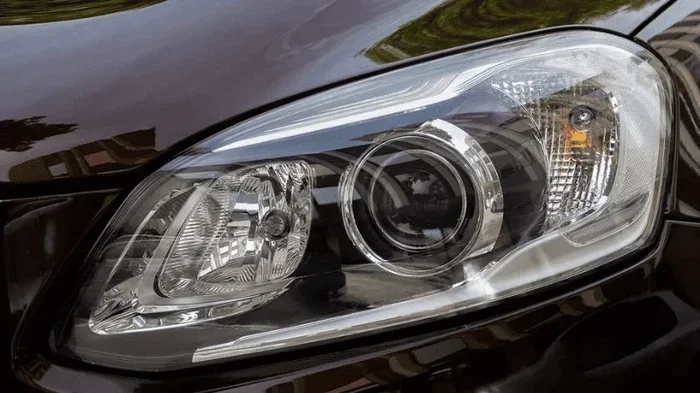
Which Mirror Is Used in Car Headlights and Why It Matters
The mirror used inside car headlights is a concave mirror, specifically a parabolic reflector that directs light forward in a focused beam. Different headlight designs use variations of this mirror system, including reflector headlights and projector headlights. Understanding how your headlight mirror works helps you maintain better visibility and safety on the road at night.
Have you ever wondered what sits inside your car headlights that makes the light shine so far down the road? The answer is simpler than you might think. Every headlight assembly contains a mirror that plays a huge role in how well you see at night. This mirror is not just any ordinary mirror. It is a specially shaped reflective surface designed to focus and direct light in a very specific way.
Knowing which mirror is used in car headlights is more than just a fun fact. It helps you understand why your headlights work the way they do. It also teaches you how to keep them performing at their best. When your headlight mirror is clean and properly aligned, your visibility improves dramatically. When it is damaged or dirty, your safety on the road takes a hit.
In this article, we will break down everything you need to know about the mirror inside your car headlights. We will cover the types of mirrors used, how they work, and why they matter for your daily driving. Whether you drive a new car with LED headlights or an older vehicle with halogen bulbs, the mirror inside your headlight is a critical component. Let us dive in and explore the world of automotive headlight mirrors together.
The mirror used in car headlights is a concave mirror. More specifically, most headlights use what is called a parabolic reflector. This is a curved mirror shaped like a bowl. The light bulb sits at the focal point of this curved surface. When the bulb lights up, the mirror reflects and redirects the light rays into a parallel beam. This beam travels forward and illuminates the road ahead.
A parabolic reflector is not flat. It curves inward, which is what makes it a concave shape. This inward curve is the secret to its effectiveness. Without this curve, the light from the bulb would scatter in all directions. You would get a dim, unfocused glow instead of a powerful beam. The concave shape forces all the light rays to move in the same general direction.
The size of the mirror also matters. Larger headlight mirrors can capture more light from the bulb. This means a brighter and more powerful beam. Smaller mirrors produce a tighter but less intense light. Car manufacturers carefully choose the mirror size based on the type of bulb and the desired light distribution pattern.
The science behind how a concave mirror works in headlights is actually quite elegant. When light rays hit a curved reflective surface, they bounce off and converge. In a concave mirror, the surface curves inward like the inside of a sphere. This shape causes the reflected light rays to travel in a more unified direction.
Here is how the process works step by step:
- The headlight bulb produces light in all directions.
- The light rays travel outward from the filament inside the bulb.
- The concave mirror catches these rays and reflects them forward.
- The curved shape ensures the reflected rays travel in a parallel beam.
- This focused beam travels down the road and illuminates the path ahead.
The position of the bulb inside the mirror is critical. It must sit exactly at the focal point of the parabolic reflector. If the bulb is too far forward or too far back, the beam pattern changes. You might end up with light shining too high, which blinds oncoming drivers. Or the light might spread too wide, reducing the reach of the beam.
This is why headlight alignment is so important during installation and maintenance. Even a slightly shifted bulb position can change how the mirror directs the light. Proper alignment ensures the mirror does its job correctly.
Not all car headlights use the same type of mirror system. Over the years, automotive lighting has evolved significantly. Today, there are three main types of headlight systems that use different mirror and reflector designs. Understanding these differences helps you appreciate the technology in your vehicle.
Reflector Headlights
Reflector headlights are the most common type found in vehicles today. They use a concave mirror shaped housing around the bulb. The mirror surface is polished to a high shine, and it reflects light through a clear or translucent lens on the front of the headlight assembly.
These headlights are simple in design but very effective. The reflector bowl captures most of the light from the bulb and directs it forward. A shield or cutoff line inside the headlight shapes the beam pattern. This prevents light from shining directly into the eyes of oncoming drivers.
Reflector headlights work well with halogen bulbs, which have been the standard in the automotive industry for decades. They also work with newer LED headlight technology, though the mirror design may be slightly different to accommodate the different light output of LEDs.
Projector Headlights
Projector headlights take a different approach. Instead of relying solely on a curved mirror, they use a combination of a mirror and a convex lens. The mirror in a projector headlight is still concave, but the lens adds an extra layer of light control.
Here is how a projector headlight system works:
- The bulb sits at the focal point of a concave mirror.
- The mirror reflects the light toward the front of the assembly.
- A convex lens sits in front of the mirror and lens system.
- The lens focuses the light into a sharp, controlled beam.
- The result is a very precise light distribution pattern with a clear cutoff line.
Projector headlights are known for their clean beam pattern and intense focus. They are commonly found in higher-end vehicles and modern SUVs. Many drivers prefer projector headlights because they provide excellent road illumination without blinding other drivers.
LED and Xenon Headlight Mirror Systems
Modern vehicles increasingly use LED headlights and xenon headlights (also called high-intensity discharge or HID lights). These advanced systems require specially designed mirrors to handle their unique light output.
LED headlights produce light differently from traditional bulbs. They emit light in a more directional pattern, which means the mirror design can be more compact. The reflector surface in an LED headlight is often smaller but highly precise. It channels the directional light into a focused beam.
Xenon headlights produce an extremely bright, bluish-white light. The mirror inside an HID headlight must handle high temperatures and intense brightness. These mirrors are often coated with special reflective materials to maximize light output and durability.
It is easy to confuse a headlight mirror with a headlight lens. They serve different purposes, and understanding the difference helps you appreciate how your headlights work.
The mirror is the curved reflective surface inside the headlight housing. Its job is to capture and redirect light from the bulb. The lens is the clear outer cover on the front of the headlight. Its job is to protect the internal components and shape the final beam pattern.
In a reflector headlight, the mirror does most of the work. The lens simply covers and protects the system. In a projector headlight, the lens plays a more active role. It helps focus the light that the mirror has already reflected. Both components work together to create the final beam that lights up your path at night.
When either the mirror or the lens gets damaged, your headlight performance suffers. A cracked lens scatters light in unwanted directions. A scratched or corroded mirror reduces the amount of light that gets reflected. Both problems lead to dimmer headlights and poorer visibility.
The mirror inside your car headlights directly affects your safety on the road. At night, your headlights are your primary source of visibility. A well-functioning headlight mirror ensures that the maximum amount of light reaches the road ahead. A damaged or misaligned mirror does the opposite.
Here are some reasons why your headlight mirror matters so much:
- Better road illumination: A properly shaped mirror focuses light where you need it most. This helps you see obstacles, pedestrians, and road signs earlier.
- Reduced glare for other drivers: A good mirror system shapes the beam with a clear cutoff. This prevents you from blinding oncoming traffic.
- Improved visibility in bad weather: Rain, fog, and snow reduce visibility. A properly functioning mirror helps your headlights cut through these conditions more effectively.
- Longer bulb life: When the mirror reflects light efficiently, the bulb does not need to work as hard. This can extend the life of your headlight bulb.
- Compliance with traffic laws: Most regions require headlights to meet specific beam pattern standards. A correctly functioning mirror helps your vehicle pass inspections.
Driving at night with dim or misaligned headlights is a serious safety risk. According to traffic safety studies, a significant number of nighttime accidents are linked to poor visibility. Your headlight mirror plays a bigger role in this than most people realize.
Even the best mirror in your headlights will lose effectiveness over time if you do not take care of it. Regular maintenance keeps your headlight assembly performing at its best. Here are some simple tips to follow.
First, keep your headlight mirrors clean. Over time, dust, road grime, and insects build up on the mirror surface inside the headlight housing. This layer of dirt absorbs and scatters light. The result is a dimmer beam that does not reach as far.
To clean your headlight mirror, carefully remove the headlight assembly if possible. Use a soft cloth and a gentle cleaning solution to wipe the reflective surface. Avoid harsh chemicals that could damage the mirror coating. If you are not comfortable doing this yourself, a professional auto detailer can help.
Second, check your headlight alignment regularly. Over time, vibrations from driving can shift the bulb position inside the mirror. This changes the beam pattern. You may notice that your headlights point too high or too low. A simple adjustment can restore proper alignment and improve your light distribution on the road.
Third, replace damaged headlight housings promptly. If the mirror inside your headlight gets cracked or the reflective coating peels off, the mirror cannot do its job. A cracked housing also lets moisture enter, which causes fogging and further reduces light output. Replacing the housing restores proper mirror function.
Fourth, consider upgrading your headlight system. If your vehicle still has old reflector headlights with halogen bulbs, you might benefit from an upgrade. LED retrofit kits and projector headlight conversions can significantly improve your nighttime visibility. These upgrades often include better mirror designs that work with modern bulb technology.
Here are some quick tips to keep your headlight mirrors in top shape:
- Clean your headlights regularly, both inside and outside.
- Check alignment every few months or after hitting a pothole.
- Replace bulbs in pairs to ensure even light output.
- Use headlight restoration kits for cloudy or yellowed lenses.
- Avoid touching the mirror surface with bare hands, as oils can reduce reflectivity.
Even experienced car owners make mistakes when it comes to headlight mirrors. Here are some common errors to avoid:
- Using the wrong bulb type: A bulb that does not match your headlight mirror design will not produce the correct beam pattern. Always check your owner manual for the correct bulb specification.
- Ignoring foggy headlight lenses: A cloudy lens scatters the light that the mirror has already reflected. This makes your headlights look dim even if the mirror is in good condition.
- Over-brightening without proper alignment: Installing a brighter bulb without adjusting the mirror and bulb position can blind other drivers. Brightness without control is dangerous.
- Neglecting moisture issues: Water inside the headlight housing damages the mirror coating and reduces reflectivity. Fix any cracks or seal issues promptly.
- DIY retrofits without research: Swapping out a reflector system for a projector setup without proper knowledge can lead to poor beam patterns and legal issues.
The automotive lighting industry has come a long way. Early cars used simple candles or oil lamps with no mirror at all. As technology advanced, manufacturers began using concave mirrors to focus light and improve visibility. The first automotive headlight mirrors were simple concave surfaces made from polished metal.
Over the decades, mirror technology evolved alongside bulb technology. Halogen bulbs introduced in the 1960s worked well with refined parabolic reflector designs. The 1990s brought projector headlights, which added a convex lens to the mirror system for sharper beam control. Today, LED and laser headlight systems use computer-designed mirror surfaces that are far more precise than anything from the past.
Modern automotive lighting engineers use computer simulations to design mirror shapes that maximize light output and minimize glare. Some luxury vehicles even use adaptive headlight systems. These systems use movable mirrors or lenses that adjust the beam direction based on steering input and road conditions. The mirror inside your headlight has truly come a long way from its early beginnings.
Looking ahead, the future of headlight mirrors is exciting. Adaptive driving beam systems use digital micromirror devices instead of traditional reflective surfaces. These systems can adjust the beam pattern in real time, darkening specific areas to avoid blinding other drivers while keeping the road fully lit. As automotive lighting technology continues to advance, the mirror inside your headlight will only become more sophisticated and effective.
The mirror used in car headlights is a concave or parabolic reflector that focuses and directs light from the bulb into a forward beam. This simple but brilliant design has been the backbone of automotive lighting for over a century. Whether your vehicle uses reflector headlights, projector headlights, or the latest LED systems, the mirror plays a vital role in your nighttime safety.
Taking care of your headlight mirror means taking care of your safety. Keep it clean, check the alignment, and replace damaged components promptly. A well-maintained headlight mirror gives you better visibility, reduces glare for other drivers, and ensures your vehicle meets safety standards.
Next time you turn on your headlights at night, take a moment to appreciate the mirror working hard inside each assembly. It is a small component that makes a big difference. Understanding which mirror is used in car headlights empowers you to make better maintenance decisions and drives home the importance of keeping your lighting system in top condition.
The road ahead is brighter when your headlights are working correctly. And it all starts with the mirror inside them.
What type of mirror is used in car headlights?
Car headlights use a concave mirror, specifically a parabolic reflector. This curved mirror shape captures light from the bulb and reflects it forward in a focused beam. The concave design ensures that light rays travel in a parallel direction, providing maximum illumination down the road.
Can I replace a damaged headlight mirror myself?
In most cases, the mirror is part of the headlight housing and cannot be replaced separately. If the mirror surface is damaged, scratched, or the reflective coating has peeled off, you will typically need to replace the entire headlight assembly. However, cleaning and minor adjustments can often be done at home with basic tools.
Why do my headlights seem dim even with new bulbs?
A dim headlight is often caused by a dirty or corroded mirror surface inside the headlight housing. Over time, dust and moisture can reduce the reflectivity of the mirror. Cloudy or yellowed headlight lenses also scatter light, reducing output. Cleaning the mirror and lens can often restore brightness without replacing any parts.
What is the difference between reflector and projector headlights?
Reflector headlights use a concave mirror to direct light through a lens, while projector headlights add a convex lens after the mirror for a sharper beam pattern. Projector headlights produce a more focused and precise light distribution with a clear cutoff line, reducing glare for oncoming drivers. Reflector headlights are simpler and more common in standard vehicles.
How often should I check my headlight mirror alignment?
You should check your headlight alignment at least twice a year or whenever you notice the beam pattern looking off. Hitting potholes, curbs, or getting into minor accidents can shift the bulb and mirror position. Proper alignment ensures the mirror directs light correctly for optimal road visibility and safety.
Do LED headlights use the same mirror design as halogen headlights?
LED headlights often use a slightly different mirror design because they emit light more directionally than halogen bulbs. The reflector surface in an LED headlight is typically smaller and more precisely shaped to channel the directional light output. However, the basic principle of using a concave mirror to focus and direct light remains the same across all headlight types.
Key Takeaways
- Concave mirrors are the standard: Most car headlights use a concave or parabolic reflector to focus light forward.
- Reflector headlights are common: These use a curved mirror surface around the bulb to create a wide beam pattern.
- Projector headlights use a different approach: They combine a mirror with a convex lens for a sharper, more controlled beam.
- The mirror shape matters a lot: A damaged or misaligned headlight mirror reduces visibility and can blind other drivers.
- Maintenance is key: Keeping your headlight mirror clean and properly aligned ensures the best road illumination.
- Modern vehicles use advanced systems: LED and xenon headlights have evolved mirror designs for better light distribution.
- Safety depends on your mirrors: A well-functioning headlight mirror directly impacts your ability to see and be seen at night.
Frequently Asked Questions
What is which mirror is used in headlights of a car?
which mirror is used in headlights of a car is an important topic with many practical applications.