How Do You Change Toyota Wiper Rubber And Save Money
Changing your Toyota wiper rubber at home is one of the easiest ways to save money and keep your windshield clear all year long. This guide walks you through the entire process, from picking the right Toyota wiper blades to installing them in minutes. You will learn the correct wiper blade size Toyota models need, avoid common mistakes, and get expert tips that make the job even simpler.
Key Takeaways
- Saves Money: Changing Toyota wiper rubber yourself costs a fraction of what a shop charges.
- Easy DIY Job: Most Toyota models take just 5 to 10 minutes per blade.
- Right Parts Matter: Using the correct wiper blade size Toyota ensures a perfect fit and streak-free wipes.
- Two Blade Types: You can choose between conventional and beam wiper blades depending on your needs.
- Regular Maintenance: Replacing wiper rubber every 6 to 12 months keeps your visibility safe.
- No Tools Needed: Most replacements require only your hands and a little patience.
- Year-Round Safety: Fresh wiper rubber improves driving safety in rain, snow, and fog.
📑 Table of Contents
- How Do You Change Toyota Wiper Rubber And Keep Your Wallet Happy
- Why Changing Toyota Wiper Rubber Matters
- Understanding Wiper Blade Types for Toyota
- Finding the Correct Wiper Blade Size for Your Toyota
- Tools and Materials You Will Need
- Step-by-Step Guide to Changing Toyota Wiper Rubber
- Common Mistakes to Avoid When Changing Wiper Rubber
- Expert Insights on Wiper Blade Maintenance
- How Much Money Can You Save by Doing It Yourself
- Best Wiper Blades for Toyota Models
- When to Consider Professional Help
- Conclusion
How Do You Change Toyota Wiper Rubber And Keep Your Wallet Happy
Dirty or worn-out wiper rubber makes driving dangerous. Streaks, squeaks, and smears on your windshield block your view when you need it most. The good news is that how do you change Toyota wiper rubber is a skill anyone can learn. You do not need to be a mechanic. You do not need fancy tools. And you certainly do not need to pay a dealership or auto shop to do it for you.
Most Toyota owners spend between $15 and $30 per wiper blade when buying them from a shop. But the exact same blades cost half that online or at any auto parts store. Multiply that by two blades, and you are looking at a savings of $15 to $30 every time you replace them. Over a few years, those savings add up fast. This guide shows you exactly how to do it right.
We will cover everything from finding the correct wiper blade size Toyota models use, to picking between different blade types, and walking you through each step of the Toyota wiper installation process. Whether you drive a Camry, Corolla, RAV4, or Tacoma, this guide has you covered. Let us get started.
Why Changing Toyota Wiper Rubber Matters
Your windshield wipers work hard every time it rains, snows, or even when bugs splatter on your windshield during a road trip. The rubber squeegee on the end of each blade is the part that actually touches the glass and clears it. Over time, that rubber hardens, cracks, and loses its flexibility. When that happens, your wipers leave streaks, skip across the glass, or simply do not clear water anymore.
Driving with worn wiper rubber is a safety risk. You cannot see the road clearly, and that makes every drive more dangerous. The Toyota wiper maintenance schedule recommended by most experts is to replace the rubber or the entire blade every six to twelve months. If you live in a place with harsh winters or lots of sun, you may need to replace them even more often.
Many people do not realize that the metal frame inside the blade can also rust and corrode over time. When that happens, the blade does not press evenly against the windshield. Even if the rubber looks okay, a bent frame causes streaks and poor performance. This is why many drivers choose to replace the entire blade assembly rather than just the rubber insert.
Signs Your Toyota Wiper Rubber Needs Replacing
How do you know it is time to change your wiper rubber? Here are the most common signs:
- Streaks and Smears: Your windshield still has lines after wiping.
- Squeaking Noise: The blades make a squeak or chirp as they move.
- Skipping: The rubber lifts off the glass in certain spots.
- Cracked or Brittle Rubber: You can see visible cracks or splits in the rubber edge.
- Water Not Clearing: The wipers leave pools of water instead of clearing it.
- Vibration: The blades shake or bounce while wiping.
If you notice any of these signs, it is time to act. The longer you wait, the worse your visibility gets. And poor visibility in bad weather is one of the leading causes of accidents.
Understanding Wiper Blade Types for Toyota
Not all wiper blades are the same. Before you buy replacements, it helps to understand the two main types of Toyota wiper blades available on the market. Each type has its own advantages and fits different driving needs.
Conventional Wiper Blades
Conventional wiper blades are the traditional design. They have a metal frame with a rubber squeegee attached. These blades are the most common and the most affordable. They work well for most Toyota models and are easy to replace. If you are doing a basic wiper rubber refill, conventional blades are often the go-to choice.
However, conventional blades have one downside. The metal frame can collect ice and debris in winter. The frame joints can also corrode over time, which affects how evenly the blade presses against the glass.
Beam Wiper Blades
Beam wiper blades, also called bracketless blades, do not have a visible metal frame. Instead, they use a single piece of flexible steel or plastic that conforms to the shape of your windshield. This design provides even pressure across the entire blade, which means better contact and cleaner wipes.
Beam blades are more aerodynamic and resist ice buildup better than conventional blades. They also look sleeker and more modern. Many Toyota owners prefer beam blades because they last longer and perform better in a wider range of weather conditions.
The trade-off is price. Beam blades typically cost more than conventional blades. But if you factor in their longer lifespan and better performance, many people find them worth the extra investment.
Winter Wiper Blades
If you live in a cold climate, you might want to consider winter wiper blades. These blades have a special rubber compound that stays flexible in freezing temperatures. They also often come with a protective cover that prevents ice from building up on the blade. Winter blades are a great option for Toyota owners in northern states or mountainous areas.
Finding the Correct Wiper Blade Size for Your Toyota
One of the most important steps in the Toyota wiper installation process is finding the right size. Using the wrong size blade means poor coverage, streaks, and a frustrating experience. Every Toyota model and year uses a specific wiper blade size Toyota specification.
How to Find Your Wiper Blade Size
There are three easy ways to find the correct size for your Toyota:
- Check Your Owner Manual: The owner manual lists the exact wiper blade sizes for both the driver and passenger sides.
- Measure the Blades Yourself: Use a tape measure to measure the length of each existing blade from end to end.
- Use an Online Size Finder: Many auto parts websites have a size lookup tool. You enter your Toyota model, year, and trim, and the tool tells you the correct sizes.
Keep in mind that the driver and passenger sides often use different sizes. For example, a 2020 Toyota Camry might use a 26-inch blade on the driver side and a 16-inch blade on the passenger side. Always double-check before you order.
Common Toyota Wiper Blade Sizes
Here is a quick reference table for some popular Toyota models:
| Toyota Model | Year Range | Driver Side | Passenger Side |
|---|---|---|---|
| Camry | 2018-2023 | 26 inches | 16 inches |
| Corolla | 2019-2023 | 26 inches | 14 inches |
| RAV4 | 2019-2023 | 26 inches | 16 inches |
| Tacoma | 2016-2023 | 26 inches | 16 inches |
| Highlander | 2020-2023 | 26 inches | 20 inches |
Always verify the sizes for your specific year and trim. Toyota sometimes changes sizes between model years, and trim levels can also affect the correct blade size.
Tools and Materials You Will Need
One of the best things about learning how do you change Toyota wiper rubber is that you need almost nothing. Here is a short list of what you will need:
- Replacement wiper blades (the correct size for your Toyota model)
- Rubber squeegee refills (if you are replacing just the rubber, not the whole blade)
- A clean microfiber cloth
- Windshield washer fluid (optional, but nice to top off while you are at it)
- A small flat-head screwdriver or plastic pry tool (helpful but not always necessary)
That is it. No special tools. No mechanic skills required. Most people complete the entire job in under 15 minutes.
Quick Tips Before You Start
- Lift the wiper arm away from the windshield before starting. This gives you room to work and prevents accidental scratches to the glass.
- Work on a cool windshield. If the car has been sitting in the sun, wait a few minutes for the glass to cool down.
- Have a towel or cloth ready to place under the wiper arm when you remove the old blade. This prevents the arm from snapping back and cracking the windshield.
- Take a photo of the old blade before removing it. This helps you remember how the connector works when you install the new one.
Step-by-Step Guide to Changing Toyota Wiper Rubber
Now for the part you have been waiting for. Here is the complete Toyota wiper installation process, step by step. We will walk you through replacing both the driver and passenger side blades.
Step 1: Remove the Old Wiper Blades
Start by lifting the wiper arm away from the windshield. The arm is the metal piece that holds the blade. It should stay upright on its own thanks to a spring inside.
Locate the release tab or button on the connector where the blade meets the arm. On most Toyota models, this is a small plastic tab that you press or slide. While holding the tab, slide the blade down and off the arm.
Be careful when removing the old blade. The wiper arm has a spring that is under tension. If the blade comes off suddenly, the arm can snap back onto the windshield and crack the glass. To prevent this, place a folded towel between the arm and the windshield as you remove the blade.
Step 2: Remove the Old Rubber (If Refilling)
If you are only replacing the rubber insert and not the entire blade, you need to remove the old rubber first. Most wiper blades have a plastic housing that holds the rubber in place. Look for a small clip or retaining piece along the length of the blade.
Use a flat-head screwdriver or your fingernails to gently pry the retaining clip away from the rubber. Slide the old rubber out of the housing. Be careful not to scratch the plastic channel that holds the rubber in place.
Some older Toyota models use a different connector system where the rubber is attached directly to the frame with small metal clips. If your blade looks like this, simply unhook the metal clips to free the rubber.
Step 3: Install the New Wiper Rubber or Blade
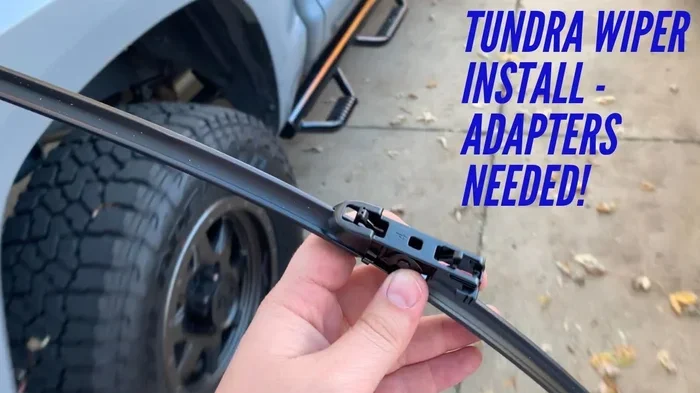
If you are installing a complete new blade, slide the new blade connector onto the wiper arm until you hear a click. Make sure it is securely attached and does not wiggle. Gently lower the blade back onto the windshield.
If you are refilling just the rubber insert, slide the new rubber into the plastic housing. Make sure it sits evenly along the entire length of the channel. Reattach the retaining clip to lock the rubber in place. Double-check that the rubber is secure and does not have any gaps or bends.
Repeat the same process for the other wiper blade. Do not mix up the sizes. The driver and passenger sides often use different lengths.
Step 4: Test the New Blades
Once both blades are installed, spray some windshield washer fluid on the glass. Turn on the wipers and let them run for a few cycles. Watch for streaks, skipping, or uneven wiping.
If the new blades wipe cleanly and smoothly, you are done. If you notice any issues, check that the blades are the correct size and that they are seated properly on the wiper arm. Sometimes a new blade just needs a few wipes to fully seat against the glass.
Common Mistakes to Avoid When Changing Wiper Rubber
Even though this is a simple job, there are a few common mistakes that people make. Avoiding these errors will save you time and frustration.
Mistake 1: Buying the Wrong Size Blades
This is the number one mistake. If you do not double-check the wiper blade size Toyota for your specific model and year, you may end up with blades that do not fit properly. Always verify the size before you buy.
Mistake 2: Forcing the Connector
Every wiper blade connector is a little different. If the new blade does not seem to fit the arm, do not force it. Go back and check that you have the right connector type. Toyota uses several different connector systems, including side-lock, bayonet, and push-button styles.
Mistake 3: Forgetting to Clean the Windshield
When you replace your wiper blades, take a moment to clean the windshield with a microfiber cloth. Dirt and grime trapped under the new rubber can cause streaks and reduce the life of the new blade.
Mistake 4: Leaving Wiper Arms Sitting on the Glass
In winter, the wiper arms can freeze to the windshield. If you try to force them loose, you can damage the wiper motor or crack the glass. Always lift the arms away from the glass after use, especially in cold weather.
Expert Insights on Wiper Blade Maintenance
Professional mechanics and Toyota specialists agree on a few key practices that extend the life of your wiper blades and keep your windshield clear.
Clean your blades regularly. A quick wipe of the rubber edge with a damp cloth removes dirt, oil, and road grime that build up over time. This simple habit can add months to the life of your wiper rubber.
Lift the blades in winter. During freezing weather, lift the wiper arms away from the windshield when the car is parked. This prevents the rubber from freezing to the glass and reduces ice buildup on the blade.
Use washer fluid, not water. Tap water contains minerals that can degrade the rubber and leave deposits on the glass. Dedicated windshield washer fluid is formulated to clean effectively and protect the wiper rubber.
Replace both blades at the same time. Even if only one blade looks worse than the other, replace both at the same time. This ensures even wiping performance and consistent visibility across the entire windshield.
Store your car in a garage when possible. Exposure to direct sunlight, rain, and extreme temperatures accelerates the breakdown of wiper rubber. A garage provides protection and helps your blades last longer.
How Much Money Can You Save by Doing It Yourself
Let us talk numbers. A typical Toyota dealership or auto repair shop charges between $20 and $50 per wiper blade for parts and labor. If you replace both blades at a shop, you are looking at $40 to $100.
When you buy Toyota wiper blades online or at an auto parts store, the same quality blades cost between $8 and $20 each. That means a pair of new blades costs you $16 to $40. And if you are just replacing the rubber inserts, the cost drops even further to about $5 to $10 per insert.
Doing it yourself saves you at least $20 to $60 per replacement. Over a period of five years, replacing wiper blades twice a year, that adds up to $200 to $600 in savings. Plus, you get the satisfaction of knowing you handled the job yourself.
Best Wiper Blades for Toyota Models
Not all wiper blades are created equal. Here are some of the best options for Toyota owners looking for quality, durability, and value:
- Bosch Icon: A top-rated beam blade known for its durability and streak-free performance. Works well on most Toyota models.
- Rain-X Latitude: Features a sleek design and water-repellent coating for improved visibility in rain.
- PIAA Super Silicone: Uses a silicone rubber compound that lasts longer than traditional rubber blades.
- Anco Premium: An affordable option that delivers solid performance and easy installation.
- OEM Toyota Blades: If you prefer factory-spec parts, Toyota dealerships sell genuine OEM wiper blades designed specifically for each model.
When choosing between OEM wiper blades and aftermarket options, consider your budget and performance needs. OEM blades are guaranteed to fit perfectly, but aftermarket brands often match or exceed OEM quality at a lower price point.
When to Consider Professional Help
While changing Toyota wiper rubber is a straightforward DIY task, there are times when professional help makes sense. If your Toyota has rear wiper blades that are difficult to access, or if the wiper arm itself is damaged or stuck, a professional can handle the job quickly and safely.
Also, if you are not comfortable working on your car at all, there is no shame in having a shop do it. Many quick-lube shops and tire centers will replace wiper blades for free or for a small fee when you purchase the blades from them.
The key takeaway is that you have options. Whether you do it yourself or pay someone else, the important thing is that your wiper rubber is in good condition. Clear visibility saves lives.
Conclusion
Learning how do you change Toyota wiper rubber is one of the most useful skills any Toyota owner can develop. It is quick, easy, and incredibly rewarding. You save money, you gain confidence in maintaining your vehicle, and you improve your safety on the road.
By following the steps in this guide, you can replace your Toyota wiper blades in minutes. You will know the correct wiper blade size Toyota models need, you can choose between conventional and beam blades, and you will avoid the common mistakes that trip up first-time DIYers.
Make it a habit to check your wiper rubber every few months. Replace it at the first sign of streaking or squeaking. Your windshield is your window to the road, and keeping it clear should always be a priority. Now that you know exactly how to do it, grab your replacement blades and give it a try. Your Toyota and your wallet will thank you.
Frequently Asked Questions
How Often Should You Change Toyota Wiper Rubber?
Most experts recommend replacing Toyota wiper rubber every six to twelve months. If you notice streaks, squeaking, or skipping, replace the rubber immediately. Drivers in harsh climates may need to replace them more frequently.
Can You Replace Just the Rubber and Not the Entire Wiper Blade?
Yes, you can replace just the rubber insert on most wiper blades. This is the most cost-effective option. You can buy rubber refills for a few dollars each and slide them into the existing blade housing.
What Is the Difference Between OEM and Aftermarket Wiper Blades for Toyota?
OEM wiper blades are made by Toyota or their authorized suppliers and are designed to fit perfectly. Aftermarket blades are made by third-party manufacturers and often cost less. Many aftermarket brands match or exceed OEM quality while saving you money.
Do I Need Any Special Tools to Change Toyota Wiper Rubber?
No special tools are needed. Most Toyota wiper blade replacements require only your hands. A small flat-head screwdriver or plastic pry tool can be helpful but is not essential. A microfiber cloth and some windshield washer fluid are nice additions.
Are Beam Wiper Blades Better Than Conventional Blades for Toyota?
Beam wiper blades offer several advantages over conventional blades. They provide even pressure across the windshield, resist ice buildup better, and have a sleeker design. They also tend to last longer. However, they cost more than conventional blades.
Can I Leave My Wiper Arms Up During Winter?
Yes, lifting your wiper arms away from the windshield during winter is a great practice. It prevents the rubber from freezing to the glass and reduces the risk of cracking the windshield when the arms snap back. Just remember to lower them before driving.