Does the Toyota Tacoma Have a Transmission Dipstick
The question of whether the Toyota Tacoma has a transmission dipstick is one of the most common concerns among Tacoma owners. The answer depends on your specific model year and transmission type. Some Tacoma models include a transmission dipstick while others have moved to a sealed transmission design that requires a different approach. Understanding your specific Tacoma’s setup is essential for proper transmission maintenance and long-term reliability.
For many Toyota Tacoma owners, the question of whether their truck has a transmission dipstick comes up at the most unexpected moments. Maybe you are checking under the hood for the first time, or perhaps you noticed your transmission is shifting a bit differently than usual. Whatever the reason, understanding the dipstick situation on your Tacoma is an important part of owning and maintaining this popular pickup truck.
The Toyota Tacoma has been a staple in the compact truck market for decades. It is known for its reliability, off-road capability, and rugged build. But when it comes to transmission maintenance, there is a lot of confusion about whether a dipstick even exists on these trucks. The answer is not as straightforward as you might think, and it changes depending on the model year and the type of transmission your Tacoma uses.
Key Takeaways
- Not all Toyota Tacomas have a transmission dipstick: The presence of a dipstick varies by model year and trim level.
- Automatic and manual transmissions differ: Each type has its own dipstick configuration or lack thereof.
- Newer model years often lack a dipstick: Many recent Tacoma models use sealed transmissions that do not include a traditional dipstick.
- You can still check your fluid level: Even without a dipstick, there are reliable methods to check your transmission fluid.
- Regular transmission maintenance matters: Keeping your fluid at the proper level prevents costly repairs down the road.
- Consult your owner’s manual: It is the best resource for your specific Tacoma’s transmission service requirements.
📑 Table of Contents
- Does the Toyota Tacoma Have a Transmission Dipstick?
- Which Tacoma Model Years Have a Transmission Dipstick?
- Transmission Dipstick Comparison by Model Year
- How to Check Your Transmission Fluid Without a Dipstick
- Transmission Fluid Maintenance Tips for Tacoma Owners
- Common Mistakes People Make When Checking Transmission Fluid
- Should You Add a Dipstick to a Sealed Transmission?
- When to See a Professional for Transmission Help
- Final Thoughts on the Toyota Tacoma Transmission Dipstick
Does the Toyota Tacoma Have a Transmission Dipstick?
The short answer is: it depends. Does the Toyota Tacoma have a transmission dipstick? Some models do, and some do not. Older Tacoma models, particularly those from the late 1990s through the mid-2000s, typically included a transmission dipstick that was easy to access. You could pop the hood, locate the dipstick, and check your fluid level in just a few minutes.
However, as Toyota updated the Tacoma over the years, the approach to transmission design changed. Starting with certain model years in the mid-2000s and continuing into the newer generations, Toyota began using sealed transmissions on many Tacoma configurations. These sealed units do not have a traditional dipstick. Instead, they require a different method for checking and maintaining the fluid level.
Why Did Toyota Remove the Dipstick?
Toyota made the shift away from traditional dipsticks for a few important reasons. Sealed transmissions are designed to be more airtight, which helps prevent contamination from dirt, debris, and moisture. This design also reduces fluid evaporation, which can be a problem with older dipstick-style setups. The trade-off is that checking the fluid level is not as simple as pulling out a stick and reading the marks.
For Tacoma owners, this means that knowing your specific model year and transmission type is critical. A 2005 Tacoma with an automatic transmission likely has a dipstick, while a 2020 Tacoma might not. Always check your owner’s manual or consult with a Toyota dealership to confirm what your specific truck has. Think of it this way: Toyota traded convenience for a cleaner, more sealed system that requires less external exposure to the elements.
The Role of the Engine Oil Dipstick vs. the Transmission Dipstick
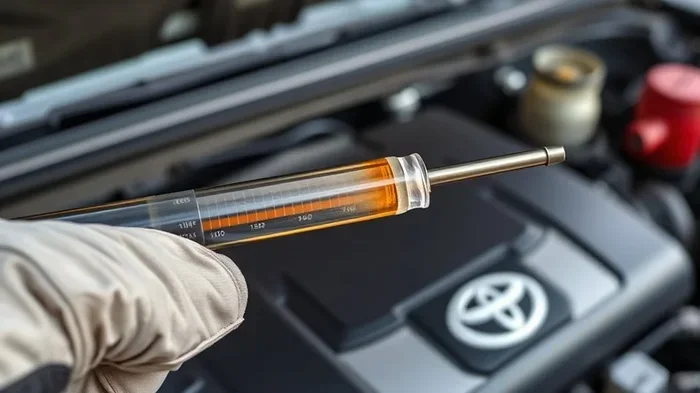
It is easy to confuse the engine oil dipstick with the transmission dipstick. The engine oil dipstick is typically located near the front of the engine bay and has a bright-colored handle. The transmission dipstick, when present, is usually positioned further back and may have a different colored handle. On trucks that have both, knowing which is which saves you from adding the wrong fluid to the wrong system. If you are ever unsure, your owner’s manual includes a clear diagram of under-hood components.
Which Tacoma Model Years Have a Transmission Dipstick?
The presence of a transmission dipstick on a Toyota Tacoma varies significantly across different generations and model years. Below is a general overview of what to expect based on the era of your truck.
First Generation (1995-2004)
The first-generation Toyota Tacoma is widely regarded as a simple and dependable truck. During this era, most Tacoma models came equipped with a transmission dipstick. Whether you had the base model or the higher-end TRD trim, the dipstick was easy to find under the hood. The automatic transmission in these early Tacomas was the A750F or A760F, both of which included an accessible transmission tube for the dipstick.
Manual transmission models from this era did not always have a dipstick in the traditional sense. Instead, they had a fill plug on the side of the transmission housing that you would remove to check and add fluid. This is a common setup for manual transmissions across many truck brands and is straightforward once you know where to look.
Second Generation (2005-2015)
The second-generation Tacoma brought significant updates to the truck’s design and capabilities. During this period, Toyota started transitioning some models away from the traditional dipstick. Early second-generation Tacomas (2005-2010) still included a transmission dipstick on most configurations, especially for the automatic transmission.
However, as the generation progressed, Toyota began phasing out the dipstick on certain trims and engine combinations. By the 2014 and 2015 model years, some Tacomas were being sold with sealed automatic transmissions that had no dipstick at all. This was a gradual shift, so two Tacomas from the same generation could have very different maintenance setups based on their specific trim and configuration.
Third Generation (2016-Present)
The current generation of the Toyota Tacoma, which launched in 2016 and continues through today, has largely moved away from the traditional transmission dipstick. Most third-generation Tacomas, especially those with the 8-speed automatic transmission, do not include a dipstick. Toyota designed these transmissions to be sealed and maintenance-friendly for the most part.
That said, the transmission fluid in these sealed units still needs to be checked and eventually changed. The process is different, but the importance of maintaining proper fluid levels remains the same. Always refer to your specific model year’s owner manual for the exact procedure and fluid specifications.
Transmission Dipstick Comparison by Model Year
| Model Year Range | Transmission Type | Dipstick Included? | How to Check Fluid |
|---|---|---|---|
| 1995-2004 | Automatic (A750F/A760F) | Yes | Use the dipstick under the hood |
| 1995-2004 | Manual | No (fill plug) | Remove fill plug on transmission housing |
| 2005-2010 | Automatic | Mostly Yes | Use the dipstick under the hood |
| 2011-2015 | Automatic | Some models No | Check via fill plug or service port |
| 2016-Present | 8-Speed Automatic | No | Check via fill plug or service port |
Note: This table provides a general overview. Always verify with your specific model year and trim configuration. Some variations exist within each generation based on the engine and transmission pairing.
How to Check Your Transmission Fluid Without a Dipstick
If your Tacoma does not have a transmission dipstick, do not worry. You can still check the fluid level and maintain proper transmission fluid levels. The process is a bit different, but it is straightforward once you know the steps.
Method 1: Using the Fill Plug
Many sealed transmissions on the Tacoma use a fill plug located on the side of the transmission. Here is how the process works:
- Park your Tacoma on a level surface and let the engine warm up to normal operating temperature.
- Shift the transmission through all gears and then return it to park.
- Locate the fill plug on the side of the transmission housing.
- Remove the fill plug carefully. Fluid should be present at or near the opening.
- If no fluid drips out, the fluid level is low and needs to be topped off.
- Add the correct type of transmission fluid through the opening until fluid reaches the plug hole.
- Reinstall the fill plug and tighten it to the proper torque specification.
Method 2: Using the Service Port
Some newer Tacoma models have a service port on the transmission that allows you to check the fluid level without removing the fill plug. This method involves:
- Locating the service port on the transmission housing.
- Removing the port plug with the engine off and the transmission at operating temperature.
- Checking if fluid is present at the port opening.
- Adding fluid as needed until it begins to seep out of the port.
- Reinstalling the port plug securely.
Quick Tip
Always use the transmission fluid type specified by Toyota for your specific Tacoma model year. Using the wrong fluid can cause transmission damage and void your warranty. Check your owner’s manual or ask a Toyota dealership for the correct fluid specification. The transmission cooler lines should also be inspected during any fluid service to make sure there are no leaks or blockages.
Transmission Fluid Maintenance Tips for Tacoma Owners
Keeping your transmission fluid in good condition is one of the best things you can do for your Tacoma. Regular transmission maintenance helps ensure smooth shifting, prevents overheating, and extends the life of your transmission.
When to Change Your Transmission Fluid
Toyota does not always specify a strict interval for transmission fluid change on all Tacoma models. However, most experts recommend the following guidelines:
- For Tacomas with a dipstick: Check the fluid every 30,000 miles and change it every 60,000 to 100,000 miles depending on driving conditions.
- For sealed transmissions: Have the fluid inspected every 30,000 to 60,000 miles. A fluid change may be recommended every 100,000 miles or as needed.
- For heavy-duty use: If you use your Tacoma for towing, off-roading, or hauling, consider changing the fluid more frequently, around every 40,000 to 60,000 miles.
Signs Your Transmission Fluid Needs Attention
Watch for these warning signs that indicate your transmission fluid may need to be checked or changed:
- Rough or delayed shifting between gears
- Slipping gears under acceleration
- A burning smell coming from under the hood
- Dark or discolored fluid visible during a fluid level check
- Unusual noises such as whining or grinding from the transmission area
- Transmission warning light illuminated on the dashboard
Quick Tips for Transmission Fluid Health
- Always check your fluid with the engine warm and the truck on a level surface.
- Never overfill the transmission. Too much fluid can cause foaming and pressure issues.
- Use only OEM or Toyota-recommended transmission fluid.
- Keep an eye on the transmission pan for any leaks or debris buildup.
- Consider a fluid change before any long road trips or heavy towing jobs.
- Compare the condition of your fluid to the appearance of fresh fluid for a quick visual assessment.
Expert Insight
Many Tacoma owners underestimate the importance of regular transmission fluid checks. Even sealed transmissions that claim to be “lifetime filled” benefit from periodic fluid changes. The fluid breaks down over time from heat and use, and replacing it at appropriate intervals can prevent expensive transmission repairs. A simple fluid change costs a fraction of what a new transmission would cost. As one experienced mechanic put it, “The transmission is the heart of your truck’s drivetrain. Treat it well, and it will serve you for a very long time.”
Common Mistakes People Make When Checking Transmission Fluid
Checking transmission fluid might seem simple, but there are several common mistakes that Tacoma owners make. Avoiding these errors can save you time, money, and potential damage to your truck.
Checking the Fluid When the Engine Is Cold
One of the biggest mistakes is checking the transmission fluid with a cold engine. Fluid contracts when it is cold, which gives you an inaccurate reading. Always let your Tacoma warm up to normal operating temperature before checking the fluid level. The engine should be running and the transmission should be in park. This ensures the fluid is at its proper operating level and temperature for an accurate reading.
Using the Wrong Type of Fluid
Not all transmission fluids are the same. Toyota specifies particular fluid types for each Tacoma model year and transmission combination. Using the wrong fluid can lead to poor shifting, increased wear, and even transmission failure. Always verify the correct fluid type with your owner’s manual or a Toyota dealership before adding or changing fluid. The transmission filter should also be inspected to make sure it is compatible with the fluid you are using.
Ignoring the Transmission Filter
When you are checking or changing your transmission fluid, it is also a good idea to inspect the transmission filter. A clogged filter can restrict fluid flow and cause shifting problems. Replacing the filter at the same time as a fluid change is a smart preventive maintenance step that many owners overlook. The filter is relatively inexpensive and can make a noticeable difference in how smoothly your transmission operates.
Overlooking the Rear Differential
While you are under the truck checking your transmission, take a moment to inspect the rear differential as well. The rear differential also has its own fluid that needs periodic attention. Neglecting differential fluid can lead to premature wear on gears and bearings. Since the rear differential and the transmission work together as part of the drivetrain, keeping both in good condition is essential for overall truck performance.
Common Mistakes at a Glance
- Checking fluid with a cold engine
- Using the wrong transmission fluid type
- Ignoring the transmission filter
- Overlooking rear differential fluid
- Overfilling the transmission with fluid
- Skipping regular fluid checks and changes
- Forgetting to check transmission cooler lines for leaks
Should You Add a Dipstick to a Sealed Transmission?
Some Tacoma owners who have sealed transmissions wonder if they can have a dipstick installed. The answer is technically yes, but it is not a simple or recommended modification for most people.
The Risks of Aftermarket Dipstick Installations
Installing an aftermarket dipstick tube on a sealed transmission involves drilling into the transmission housing. This can compromise the sealed design that Toyota engineered into the unit. It may also void your warranty and introduce potential leak points. Most Toyota dealerships and certified mechanics advise against this modification. The sealed design exists for a reason, and tampering with it can create more problems than it solves.
Better Alternatives to a DIY Dipstick
Instead of adding a dipstick, focus on learning the proper procedure for checking your sealed transmission fluid through the fill plug or service port. It takes a little extra time, but it keeps your transmission sealed and protected. If you find the process too difficult, you can always have a Toyota dealership or trusted mechanic perform the check during routine transmission service appointments. Many service centers offer this as part of a standard maintenance package at a very reasonable cost.
When to See a Professional for Transmission Help
While many Tacoma owners can handle basic transmission fluid checks and changes, there are times when professional help is the right call. Knowing when to seek expert assistance can save you from costly mistakes and keep your truck running smoothly.
You should consider seeing a professional if you notice any of the following:
- Your transmission is slipping or failing to engage gears properly
- You see metal particles or debris in the transmission fluid
- There is a significant fluid leak under your Tacoma
- The transmission makes grinding or whining noises that do not go away
- Your transmission warning light is illuminated on the dashboard
- You are unsure about the correct procedure for your specific Tacoma model year
A Toyota dealership has access to the latest diagnostic tools and OEM transmission parts. They can also pull up your truck’s service history and provide recommendations specific to your configuration. Regular transmission service at a professional facility is a worthwhile investment that can extend the life of your truck significantly. Think of it as preventive care that pays for itself by avoiding major repairs down the road.
Final Thoughts on the Toyota Tacoma Transmission Dipstick
The question of whether the Toyota Tacoma has a transmission dipstick does not have a one-size-fits-all answer. It depends on your model year, your transmission type, and the specific configuration of your truck. Older Tacomas generally have a dipstick, while newer models increasingly use sealed transmissions without one.
Regardless of whether your Tacoma has a dipstick, the most important thing is to stay on top of your transmission maintenance. Regular fluid checks, timely fluid changes, and paying attention to warning signs will help your Tacoma transmission last for hundreds of thousands of miles. Your Tacoma is a tough, reliable truck, and with proper care, it will continue to serve you well for years to come.
Take a few minutes to familiarize yourself with your specific Tacoma’s transmission setup. Open the owner’s manual, locate the relevant components under the hood, and make a plan for regular maintenance. A little proactive care goes a long way toward avoiding major transmission repairs and keeping your Toyota Tacoma in top shape. When in doubt, reach out to a Toyota dealership or trusted mechanic. They are always happy to help you keep your truck running its best.
Frequently Asked Questions
Can I check my Toyota Tacoma transmission fluid without a dipstick?
Yes, you can. Most sealed transmissions on newer Tacoma models use a fill plug or service port method. You simply locate the plug on the transmission housing, remove it with the engine warm, and check if fluid is present at the opening. Add fluid as needed until it reaches the plug hole.
What type of transmission fluid does the Toyota Tacoma use?
The fluid type varies by model year and transmission. Older automatic Tacomas typically use Toyota Type T-IV fluid, while newer models may require a different specification. Always check your owner’s manual or consult a Toyota dealership to confirm the correct fluid for your specific truck.
How often should I change the transmission fluid in my Toyota Tacoma?
For Tacomas with a dipstick, changing the fluid every 60,000 to 100,000 miles is a good general guideline. For sealed transmissions, a change every 100,000 miles or as recommended by a professional is typical. If you tow frequently or drive in harsh conditions, consider changing it more often.
Is it bad if my Toyota Tacoma does not have a transmission dipstick?
Not at all. Sealed transmissions are designed by Toyota to be maintenance-friendly and reliable. They reduce fluid contamination and evaporation. While checking the fluid requires a slightly different process, the sealed design offers its own set of benefits for long-term transmission health.
Can I install a dipstick on my sealed Toyota Tacoma transmission?
It is technically possible but not recommended. Drilling into the sealed transmission housing can compromise its design, potentially cause leaks, and void your warranty. It is better to learn the proper fill plug or service port method for checking your fluid level.
Where can I find the transmission fill plug on my Toyota Tacoma?
The fill plug is typically located on the side of the transmission housing, near the middle of the truck underneath. The exact location varies by model year and transmission type. Consult your owner’s manual or ask a mechanic at a Toyota dealership for the precise location on your specific Tacoma.
=== CONCLUSION ===
Does the Toyota Tacoma have a transmission dipstick? The answer depends on your model year and transmission type. Whether your Tacoma has a traditional dipstick or uses a sealed transmission, the key is staying consistent with your maintenance routine. Check your fluid regularly, use the correct fluid type, and address any issues promptly. Your Toyota Tacoma is built to last, and proper transmission care is one of the best ways to ensure it keeps running strong for many miles ahead.