Do Toyotas Have a Check Engine Light and Why It Matters
Do Toyotas Have a Check Engine Light? is an essential topic that provides valuable insights.
Key Takeaways
- All Toyotas have a check engine light: Every Toyota model built since 1996 includes the OBD-II system and a dashboard warning light for engine issues.
- A steady light means a non-emergency: A steady check engine light usually signals a minor issue like a loose gas cap or sensor problem. Get it checked soon but it is not urgent.
- A flashing light is serious: A flashing light indicates a severe engine misfire or catalytic converter problem. Stop driving and seek help immediately.
- Common causes include gas cap, oxygen sensor, and spark plugs: These are the most frequent reasons the light comes on and are often affordable to fix.
- An OBD-II scanner is your best diagnostic tool: You can buy one for under $30 and read diagnostic trouble codes at home to understand what triggered the light.
- Repair costs vary widely: From a free gas cap fix to a $2,500 catalytic converter replacement, the cost depends entirely on the root cause.
- Regular maintenance prevents issues: Following Toyota’s recommended service schedule and using quality fuel helps keep the check engine light off and your vehicle running smoothly.
📑 Table of Contents
- Do Toyotas Have a Check Engine Light?
- Common Reasons the Check Engine Light Comes On in Toyotas
- How to Diagnose a Check Engine Light on Your Toyota
- How Much Does It Cost to Fix a Check Engine Light Issue on a Toyota?
- When to Worry About Your Toyota Check Engine Light
- How to Reset the Check Engine Light on a Toyota
- Toyota Check Engine Light by Model
- Preventing Check Engine Light Issues on Your Toyota
- Conclusion
Do Toyotas Have a Check Engine Light?
Yes, without a doubt. Every Toyota model sold in the United States since 1996 includes a check engine light as part of its onboard diagnostics system. This system is called OBD-II, which stands for On-Board Diagnostics II. It is a standardized system that monitors your engine, transmission, and emission controls.
Toyota vehicles use this system just like Honda, Ford, and every other major brand. The check engine light connects to a network of sensors throughout your car. These sensors track everything from fuel mixture to oxygen levels. When something goes wrong, the system triggers the light to alert you.
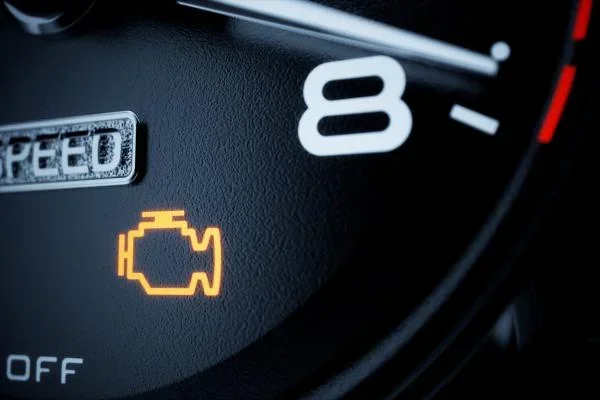
The light usually appears as a yellow or orange engine shape on your dashboard. Sometimes it says “CHECK ENGINE” in plain text. Either way, it is your vehicle’s way of saying, “Hey, something needs attention.” Ignoring it is never a good idea.
How the OBD-II System Works in Toyotas
The OBD-II system in your Toyota runs constant checks. It monitors hundreds of data points every second. When a sensor reading falls outside the expected range, the system stores a diagnostic trouble code, or DTC. This code is what triggers the check engine light on your dash.
You can read these codes using an OBD-II scanner. These tools plug into a port under your steering column. Once connected, they pull up the specific codes stored in your Toyota’s computer. This is the fastest way to know exactly what is going on under the hood.
Common Reasons the Check Engine Light Comes On in Toyotas
When that little engine icon lights up, it can mean dozens of different things. Some issues are minor. Others are serious. Here are the most common reasons a Toyota check engine light activates:
Loose or Damaged Gas Cap
This is the number one simplest cause. Your gas cap seals the fuel system and keeps fumes from escaping. If it is loose, cracked, or missing, the EVAP system (Evaporative Emission Control) detects a leak and turns on the light. A new gas cap costs just a few dollars and often solves the problem instantly.
Faulty Oxygen Sensor
The oxygen sensor measures how much unburned oxygen is in your exhaust. Toyota vehicles typically have two to four of these sensors. When one fails, it can reduce fuel efficiency and increase emissions. Replacing an oxygen sensor is a common and affordable repair.
Catalytic Converter Issues
The catalytic converter reduces harmful emissions from your exhaust. Over time, it can wear out or become clogged. A failing catalytic converter is more expensive to fix than a loose gas cap. It is also a key part of your Toyota emission control system.
Spark Plug or Ignition Coil Problems
Spark plugs ignite the air-fuel mixture in your engine cylinders. When they wear out, you may experience engine misfire Toyota symptoms. The light comes on because the engine is not running smoothly. Ignoring misfires can lead to bigger damage over time.
Mass Airflow Sensor Failure
The mass airflow sensor tells your Toyota’s computer how much air is entering the engine. A dirty or faulty sensor causes poor fuel economy and rough idling. Regular air filter changes help prevent this issue.
How to Diagnose a Check Engine Light on Your Toyota
Seeing the light is only the first step. The next step is figuring out what it means. Here is a practical guide to Toyota engine diagnostics:
Step 1: Check for Simple Fixes First
Before you rush to a mechanic, do a quick visual check. Look at your gas cap. Is it tight? Is it cracked? Tighten it and drive for a day or two. Sometimes the light will turn off on its own once the seal is restored.
Step 2: Use an OBD-II Scanner
An OBD-II scanner is one of the best tools you can own. You can buy a basic scanner for under $30 at any auto parts store. Plug it into the port under your steering wheel, and it will display the diagnostic trouble codes. Write them down and look them up online or ask your mechanic.
Step 3: Visit a Mechanic or Toyota Dealership
If the light stays on or flashes, get professional help. A certified Toyota technician has advanced diagnostic tools. They can read the codes, run tests, and pinpoint the exact problem. Many dealerships offer free check engine light diagnostics as part of a service visit.
Quick Tips for Diagnosing Your Check Engine Light
- Do not panic. A steady light usually means a non-emergency issue.
- Check your gas cap first. It is the easiest fix.
- Buy an OBD-II scanner if you want to diagnose at home.
- Note when the light appeared. Did it come on suddenly or gradually?
- Watch for other symptoms. Listen for unusual sounds or smells.
- Do not ignore a flashing light. A flashing light signals a serious problem.
How Much Does It Cost to Fix a Check Engine Light Issue on a Toyota?
The cost varies widely depending on the cause. Some fixes cost under $20. Others can run into the hundreds or even thousands. Here is a general breakdown of common Toyota check engine light cost estimates:
| Issue | Estimated Repair Cost | Urgency Level |
|---|---|---|
| Loose or Missing Gas Cap | $0 – $20 | Low |
| Faulty Oxygen Sensor | $100 – $300 | Medium |
| Spark Plug Replacement | $50 – $150 | Medium |
| Mass Airflow Sensor | $100 – $350 | Medium |
| Catalytic Converter | $500 – $2,500 | High |
| Engine Misfire (Ignition Coil) | $100 – $400 | High |
These numbers are estimates and can vary by location and model year. A 2023 Toyota Camry repair might cost differently than a 2010 model. Always get a detailed quote before authorizing any work.
When to Worry About Your Toyota Check Engine Light
Not every check engine light situation is the same. Understanding the difference between a steady light and a flashing light can save you from a costly breakdown.
Steady Check Engine Light
A steady Toyota check engine light usually means a non-emergency issue. It is a warning, not an alarm. You should get it checked soon, but you do not need to pull over immediately. Plan a visit to your mechanic within a few days or weeks.
Flashing Check Engine Light
A flashing light is a different story entirely. It typically signals a severe engine misfire. Unburned fuel is entering the exhaust system, which can damage the catalytic converter quickly. If your light is flashing, reduce your speed, avoid heavy acceleration, and get to a repair shop as soon as possible.
Other Warning Signs to Watch For
The check engine light does not always appear alone. Pay attention to other symptoms that may accompany it:
- Rough idling or stalling
- Reduced fuel economy
- Unusual noises like knocking or ticking
- Burning smells from the engine bay
- Loss of power when accelerating
- Dashboard warning lights for oil pressure or temperature
If you notice any of these alongside the engine warning light, do not delay. Pull over safely and seek help.
How to Reset the Check Engine Light on a Toyota
Once you fix the problem, the light will not always turn off right away. Here is how to reset it properly:
- Fix the underlying issue. This is the most important step. Do not just reset the light without addressing the root cause.
- Use an OBD-II scanner to clear the diagnostic trouble codes.
- Disconnect the battery for about 15 minutes as an alternative method.
- Drive your Toyota for a few days. The system will run self-tests and confirm the repair.
- Verify the light stays off. If it returns, the problem is not fully resolved.
Expert Insight: Many people make the mistake of simply clearing the code and driving on. This does not fix the actual problem. The light will come back, and you may cause more damage to your Toyota emission control system in the meantime.
Common Mistakes People Make with the Check Engine Light
- Ignoring the light entirely. Small problems become big, expensive ones fast.
- Assuming it is just the gas cap. Always verify with a scanner.
- Using cheap aftermarket parts. Poor-quality sensors can trigger the light again.
- Delaying repairs. The longer you wait, the more damage accumulates.
- Trying to reset without fixing. This masks the real issue and can hurt your vehicle.
Toyota Check Engine Light by Model
Different Toyota models may show the check engine light for slightly different reasons based on their engine type and age. Here are a few model-specific insights:
- Toyota Corolla: The most popular Toyota model worldwide. Corolla owners often see the light triggered by oxygen sensor issues or spark plug wear.
- Toyota Camry: Known for reliability, but the Camry can develop catalytic converter problems as it ages past 100,000 miles.
- Toyota RAV4: RAV4 owners should watch for EVAP system leaks, often caused by a faulty gas cap or vent valve.
- Toyota Tacoma: Truck owners sometimes see the light due to aftermarket accessory installations that interfere with sensors.
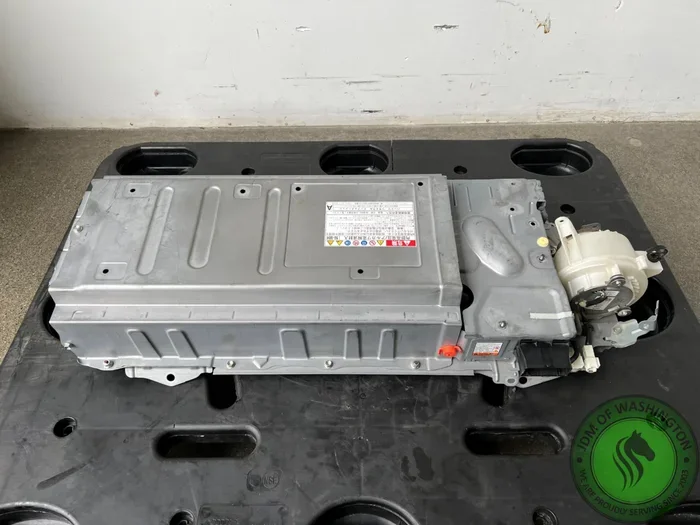
- Toyota Highlander: Hybrid Highlanders have additional systems that can trigger the light, including the hybrid battery management system.
No matter which Toyota you drive, the check engine light works the same way. The key is to respond quickly and get the right diagnosis.
Preventing Check Engine Light Issues on Your Toyota
You cannot prevent every issue, but regular Toyota maintenance goes a long way. Here is how to keep your check engine light off and your Toyota running strong:
- Follow the maintenance schedule. Stick to Toyota’s recommended service intervals for oil changes, spark plugs, and air filters.
- Check your gas cap regularly. Make sure it seals properly after every fill-up.
- Use quality fuel. Cheap gasoline can cause sensor issues and rough running.
- Address small problems early. A minor sensor issue today can become a major repair tomorrow.
- Get annual diagnostics. Even if the light is off, a yearly OBD-II scan can catch problems before they become visible.
Taking care of your Toyota with regular engine maintenance not only prevents the check engine light from coming on. It also extends the life of your vehicle and keeps it running at peak performance.
Conclusion
So, do Toyotas have a check engine light? Absolutely. Every Toyota on the road today has one, and it is there for a very good reason. The check engine light is your vehicle’s built-in early warning system. It helps you catch problems before they turn into expensive repairs.
Whether the cause is a loose gas cap or a failing catalytic converter, understanding what the light means puts you in control. Use an OBD-II scanner for quick diagnostics. Visit a trusted mechanic when needed. And never ignore the light, especially if it is flashing.
Your Toyota is a reliable machine, but even the best vehicles need attention. The check engine light is your signal to pay attention. Respond to it wisely, and your Toyota will reward you with years of dependable service.
Frequently Asked Questions
Can I keep driving my Toyota if the check engine light is on?
If the light is steady and your Toyota is running normally, you can usually drive a short distance to get it checked. However, if the light is flashing, pull over and stop driving immediately. A flashing light indicates a serious issue that can cause further engine damage if you keep driving.
How much does it cost to diagnose a check engine light on a Toyota?
Many auto parts stores offer free check engine light diagnostics using an OBD-II scanner. Toyota dealerships may charge a diagnostic fee, which is often waived if you proceed with the repair. Expect to pay between $0 and $150 for a diagnosis depending on where you go.
Will the check engine light turn off by itself?
Sometimes, yes. If the issue was minor, like a loose gas cap, the light may turn off after a few drive cycles. However, if the underlying problem is not fixed, the light will usually come back. It is best to address the root cause rather than waiting for it to go away on its own.
What is the most common cause of a check engine light on a Toyota?
The most common cause is a loose or damaged gas cap. Other frequent triggers include faulty oxygen sensors, worn spark plugs, and catalytic converter issues. Using an OBD-II scanner will tell you exactly which diagnostic trouble code is causing the light.
Can I reset the check engine light without fixing the problem?
You can, but you should not. Disconnecting the battery or using a scanner to clear codes will turn the light off temporarily. However, the light will return once the system detects the same problem again. Always fix the underlying issue first before resetting the light.
How often should I scan my Toyota for check engine light codes?
There is no set schedule, but it is a good idea to run a scan once a year as part of routine Toyota maintenance. You should also scan anytime the light comes on or if you notice changes in how your Toyota drives, such as rough idling or reduced fuel economy.
=== KEY TAKEAWAYS ===
Key Takeaways
- All Toyotas have a check engine light: Every Toyota model built since 1996 includes the OBD-II system and a dashboard warning light for engine issues.
- A steady light means a non-emergency: A steady check engine light usually signals a minor issue like a loose gas cap or sensor problem. Get it checked soon but it is not urgent.
- A flashing light is serious: A flashing light indicates a severe engine misfire or catalytic converter problem. Stop driving and seek help immediately.
- Common causes include gas cap, oxygen sensor, and spark plugs: These are the most frequent reasons the light comes on and are often affordable to fix.
- An OBD-II scanner is your best diagnostic tool: You can buy one for under $30 and read diagnostic trouble codes at home to understand what triggered the light.
- Repair costs vary widely: From a free gas cap fix to a $2,500 catalytic converter replacement, the cost depends entirely on the root cause.
- Regular maintenance prevents issues: Following Toyota’s recommended service schedule and using quality fuel helps keep the check engine light off and your vehicle running smoothly.