Can a Toyota Last 30 Years The Truth Nobody Tells You
Can a Toyota last 30 years? The short answer is yes, and it happens more often than you might think. Toyota vehicles are built with durability and reliability in mind, which is why millions of owners hit the 300,000-mile mark and keep driving. With proper maintenance and care, a Toyota can easily serve you for three decades or more. Let us show you the real reasons behind this incredible Toyota reliability and what you can do to make it happen for your own vehicle.
You have probably heard the rumor. Maybe a friend told you about their uncle who still drives a 1994 Toyota pickup. Or perhaps you saw a weathered Corolla on the highway with over 400,000 miles on the odometer. It sounds almost too good to be true. But here is the thing. Can a Toyota last 30 years? Yes. It really can. And it is not magic. It is engineering, discipline, and a long track record of proven results.
The idea that a car can survive three decades might feel unrealistic in today’s world. Most people trade in their vehicles every five to seven years. But Toyotas have a reputation that goes back decades. They were built to endure. And unlike many brands that cut corners to save money, Toyota has stuck to a philosophy of simplicity, quality, and long-term thinking. This is why Toyota longevity is not just a marketing slogan. It is a real phenomenon that millions of owners experience every year.
In this article, we are going to pull back the curtain. We will look at the real reasons Toyotas last so long. We will share what owners say after 20 and 30 years of driving. And we will give you practical tips to make sure your Toyota reaches that magical three-decade mark. Whether you already own a Toyota or are thinking about buying one, this guide has everything you need to know about Toyota vehicle lifespan and how to get the most out of your investment.
Key Takeaways
- Toyota engineering quality is designed to last far beyond the average vehicle lifespan of 15 years.
- Regular maintenance is the single biggest factor in reaching the 30-year mark with any Toyota model.
- Certain Toyota models like the Land Cruiser and Corolla are famous for crossing 300,000 miles with ease.
- Toyota resale value remains strong even after 20 years, proving long-term ownership pays off.
- Avoiding common maintenance mistakes can add years or even decades to your Toyota’s life.
- Toyota parts availability makes long-term ownership affordable and convenient.
- High mileage Toyotas are still worth buying because of their proven engine durability.
📑 Table of Contents
Why Toyota Vehicles Have Legendary Longevity
The Engineering Philosophy Behind Toyota
Toyota does not build cars to be flashy for one season. They build them to keep running. This mindset goes all the way back to the company’s founding. Kiichiro Toyoda, the founder, believed that a car should be dependable. Not just on day one. But on day ten thousand and day three hundred thousand.
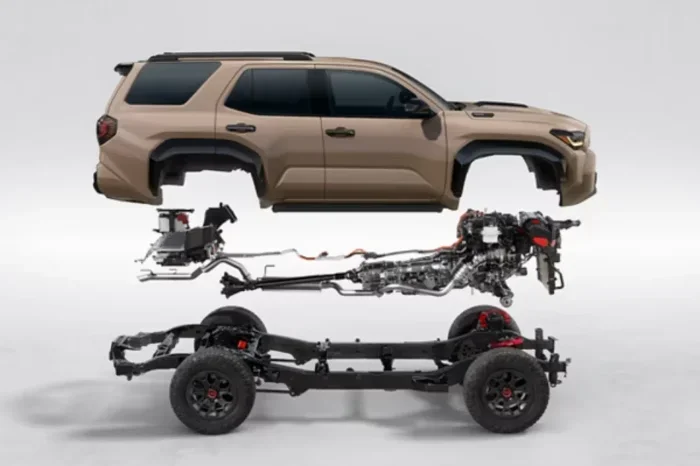
Toyota engineers use a concept called kaizen, which means continuous improvement. Every part of a Toyota vehicle is designed with simplicity in mind. Fewer complex parts means fewer things that can break. This is a huge reason why Toyota reliability is so well documented. The engines are straightforward. The transmissions are built tough. The chassis is over-engineered for most real-world driving conditions.
Another factor is how Toyota tests its vehicles. Before any model hits the market, it goes through thousands of hours of testing. Toyota simulates extreme heat, extreme cold, rough roads, and heavy loads. They want to know exactly how the vehicle will hold up over time. This rigorous testing process is a big part of why Toyotas age so well compared to competitors.
Quality Control That Sets Toyota Apart
Toyota’s build quality is legendary for a reason. The company pioneered the concept of total quality management in manufacturing. Every single bolt, wire, and seal is checked multiple times during production. Defects are caught early. Problems are fixed before they reach the customer.
This attention to detail shows up over time. A Toyota built in 2005 often feels as solid as the day it rolled off the assembly line. The paint holds up better. The seals do not crack as quickly. The interior materials resist wear. All of these small details add up to a vehicle that looks and feels good even after 20 years.
Toyota also uses high-grade materials in critical areas. The engine blocks are made from durable cast iron or strong aluminum alloys. The suspension components are designed to handle millions of cycles of driving. This is not about using the cheapest parts. It is about choosing the right parts that will stand the test of time.
The Real-World Lifespan of Toyota Models
Models Known to Hit 300,000 Miles and Beyond
Not all Toyotas are created equal when it comes to longevity. Some models have a much stronger reputation for lasting 30 years or more. Let us look at the ones that owners and experts agree are the toughest.
- Toyota Land Cruiser: This is the king of Toyota longevity. Many Land Cruisers have been documented with over 500,000 miles. The body-on-frame design and simple drivetrain make it nearly indestructible.
- Toyota Corolla: The Corolla is the best-selling car in history for a reason. It is reliable, affordable, and surprisingly durable. Many Corollas easily reach 300,000 miles with basic care.
- Toyota Camry: The Camry has been a staple of the American sedan market for decades. Owners regularly report 250,000 to 300,000 miles with proper maintenance.
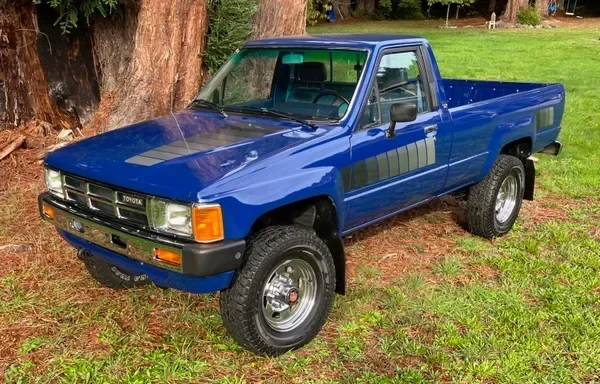
- Toyota Tacoma: This mid-size pickup truck is built like a tank. The Tacoma is one of the most reliable trucks on the road and routinely passes the 300,000-mile mark.
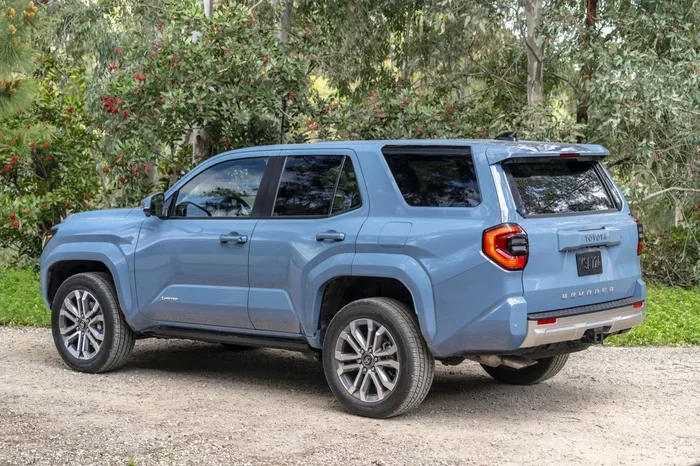
- Toyota 4Runner: With its body-on-frame construction and proven V6 engine, the 4Runner is another model that loves to keep going.
What Owners Report After a Decade Plus
If you browse Toyota owner forums, you will find thousands of stories about vehicles that have lasted 20, 25, and even 30 years. These are not rare exceptions. They are the norm for Toyotas that are well cared for.
One common theme in these stories is that Toyotas become more valuable in the owner’s eyes as they age. A 20-year-old Camry that still runs perfectly is a source of pride. The owner knows they have a vehicle that most people would have long since replaced. This emotional connection adds to the overall ownership experience.
High mileage Toyotas also hold up surprisingly well on the used market. A 15-year-old Toyota with 200,000 miles often sells for a reasonable price because buyers know the vehicle has many more miles left in it. This is a direct result of Toyota’s reputation for engine durability and long-lasting components.
Maintenance: The Secret to a 30-Year Toyota
Following the Toyota Maintenance Schedule
Here is the honest truth. Even the best-built Toyota will not last 30 years without proper care. Toyota maintenance is the backbone of vehicle longevity. You can have the most reliable car in the world, but if you skip oil changes and ignore warning signs, it will not make it to 30 years.
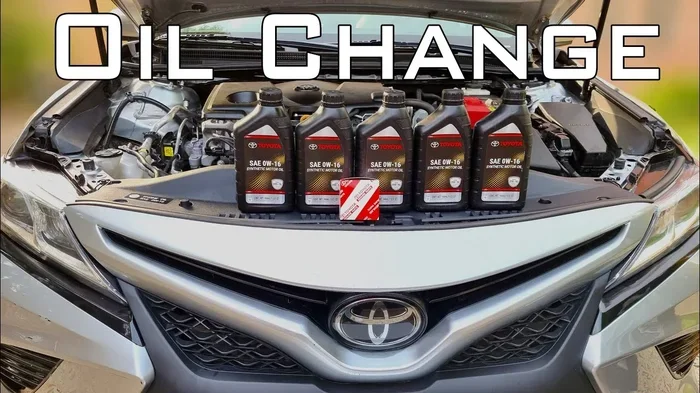
The Toyota maintenance schedule is straightforward. Oil changes every 5,000 to 10,000 miles depending on the model and driving conditions. Regular transmission fluid changes. Brake inspections. Coolant flushes. Timing belt replacements at the recommended intervals. These are all simple tasks that add up to a huge impact over decades of ownership.
The key is consistency. Do not skip services just because the car “seems fine.” By the time you notice a problem, it may already be too late. Staying ahead of the maintenance schedule is the single best thing you can do for your Toyota’s Toyota lifespan.
Common Mistakes That Shorten Toyota Lifespan
Even dedicated Toyota owners can make mistakes that shorten their vehicle’s life. Here are the most common ones to avoid:
- Ignoring small leaks: A small oil leak might seem harmless. But over months and years, it can cause serious engine damage.
- Skipping coolant flushes: Old coolant becomes acidic and can corrode the engine from the inside. This is one of the biggest causes of premature engine failure.
- Using cheap parts: Aftermarket parts vary wildly in quality. Using the cheapest option can lead to premature failures that cost more in the long run.
- Neglecting the cooling system: Overheating is the number one killer of engines. Make sure your radiator, hoses, and thermostat are in good shape.
- Driving on worn brakes: This damages rotors and calipers, leading to more expensive repairs down the road.
Toyota Reliability vs. Other Brands
How Toyota Compares in Long-Term Studies
Toyota consistently ranks at the top of Toyota reliability ratings from organizations like Consumer Reports, J.D. Power, and RepairPal. But how does it actually compare to other brands over the long term?
Studies show that Toyota vehicles require fewer repairs than the industry average. The Toyota ownership costs are lower over time because of fewer breakdowns and longer-lasting components. When a Toyota does need repair, the parts are widely available and reasonably priced.
Compare this to brands that use more complex technology or cheaper components. Those vehicles may perform well for the first five years. But by year 10 or 15, repair costs start to climb. Electronics fail. Plastic parts become brittle. The vehicle starts a slow decline that leads to the scrapyard.
Toyota avoids this path. The simplicity of Toyota designs means there are fewer electronic modules to fail. The mechanical components are proven and time-tested. This is why Toyota long-term ownership has such a strong track record.
Cost of Ownership Over Three Decades
Maintenance Costs Over Time
One of the biggest concerns people have about keeping a car for 30 years is the cost. Will maintenance eat up all the savings? The answer is actually the opposite. Toyotas are some of the most affordable vehicles to own over the long term.
Here is why. First, Toyota parts are widely available. You can find them at dealerships, auto parts stores, and online retailers. Second, Toyota engines and transmissions are built to last, so major replacements are rare. Third, the simple design of most Toyotas means mechanics can work on them quickly and efficiently.
According to data from various automotive studies, the average annual maintenance cost for a Toyota is lower than the industry average. Over 30 years, this adds up to thousands of dollars saved compared to owning multiple vehicles that need to be replaced every 10 to 15 years.
Resale Value After 20+ Years
Toyota resale value is one of the best in the automotive industry. Even after 20 years, a well-maintained Toyota holds a surprising percentage of its original value. This is because buyers trust the Toyota name. They know a high-mileage Toyota is often a better bet than a low-mileage vehicle from a less reliable brand.
This strong resale value means that even if you do decide to sell your Toyota after 25 or 30 years, you will get a fair price. The vehicle has retained its worth because it has proven itself over time. This is a financial advantage that many car buyers overlook when comparing brands.
Can Any Toyota Really Last 30 Years?
Factors That Determine Your Toyota’s Lifespan
The honest answer is that not every Toyota will last 30 years. But many can, and the factors that determine this are well within your control. Here are the key elements that decide whether your Toyota reaches the three-decade mark.
Driving conditions play a huge role. A Toyota driven mainly on highways in moderate climates will last far longer than one used for short trips in harsh winter conditions. Short trips cause moisture to build up in the engine oil, which leads to accelerated wear. If you only drive short distances, consider extending your oil change intervals.
Climate also matters. Salt and road chemicals in northern states can cause severe corrosion over time. Regular washing, especially of the undercarriage, can help prevent rust from eating through the body. Toyota vehicles are generally good at resisting corrosion, but they are not immune to it.
How the vehicle is driven is another major factor. Aggressive driving, hard braking, and rapid acceleration all put extra stress on the engine, transmission, and brakes. Gentle, steady driving is much easier on the vehicle and helps it last longer.
Expert Tips for Making It to 30 Years
So how do you actually make your Toyota last 30 years? Here are some proven tips from long-term Toyota owners and mechanics who have seen it done.
- Never skip oil changes. This is the single most important thing you can do. Fresh oil keeps the engine lubricated and clean. Change it on time, every time.
- Address small problems immediately. A minor rattle or a small leak today can become a major repair next year. Fix small issues before they grow.
- Keep the car clean. Regular washing protects the paint and undercarriage from corrosion. Waxing adds an extra layer of protection.
- Store the car properly. If you have a garage, use it. Keeping the Toyota out of direct sun and harsh weather slows down aging of the paint, seals, and interior.
- Use quality fluids and filters. Do not cheap out on oil, coolant, transmission fluid, or air filters. These are the lifeblood of your vehicle.
- Drive it regularly. A Toyota that sits unused for months can develop battery drain, flat spots on tires, and stale fluids. Regular use keeps everything in good working order.
- Find a trusted mechanic. A good independent mechanic who knows Toyotas can catch problems early and keep your vehicle running smoothly for decades.
Quick Tips for Long-Term Toyota Owners
Here are some quick, practical tips to keep in mind if you want your Toyota to reach the 30-year milestone:
- Keep a detailed maintenance log. Write down every service, every repair, and every part replacement. This record proves the vehicle’s history to future buyers.
- Replace rubber seals and gaskets proactively. These parts dry out and crack with age. Replacing them before they fail prevents leaks and bigger problems.
- Check the timing belt or chain at every service interval. A broken timing belt can destroy an engine in seconds.
- Keep the fuel system clean. Use quality fuel and consider a fuel system cleaner every 30,000 miles.
- Do not ignore the battery. A weak battery can cause electrical issues that mimic more serious problems.
The bottom line is that Toyota reliability is real. It is backed by decades of data, millions of satisfied owners, and a company culture that prioritizes durability over everything else. A Toyota can absolutely last 30 years. But it takes commitment. You need to stay on top of maintenance, drive responsibly, and address issues before they become major problems.
If you are willing to put in the effort, the reward is enormous. A 30-year-old Toyota is not just a car. It is a testament to smart engineering and smart ownership. It is a vehicle that has earned its place in your life and proven that it is worth every mile.
So the next time someone tells you that cars are not built like they used to, smile. You know better. You know that with the right brand and the right care, a Toyota can keep going and going. And when you reach that 30-year milestone, you will feel the same pride that millions of Toyota owners feel. That feeling is worth every bit of effort it takes to get there.
Can a Toyota last 30 years? The answer is a resounding yes. Now you have the knowledge and the tools to make it happen. Take care of your Toyota, and it will take care of you for decades to come.
Frequently Asked Questions
What is the average lifespan of a Toyota?
Most Toyotas are designed to last between 200,000 and 300,000 miles. With proper Toyota maintenance, many models can exceed 300,000 miles and serve their owners for 25 to 30 years or more. The key is consistent care and addressing small issues before they grow.
Which Toyota model lasts the longest?
The Toyota Land Cruiser holds the record for the longest-lasting Toyota model. Many Land Cruisers have been documented with over 500,000 miles. Other long-lasting models include the Corolla, Camry, and Tacoma. These vehicles are known for their engine durability and simple, proven designs.
Is it expensive to maintain a Toyota for 30 years?
Surprisingly, no. Toyota ownership costs are lower than the industry average over the long term. Toyota parts are widely available and reasonably priced. Regular maintenance like oil changes and fluid replacements keeps costs manageable. The savings compared to buying multiple vehicles over 30 years are substantial.
Do Toyotas really hold their value?
Yes, Toyotas are among the best at holding resale value. Even after 15 or 20 years, a well-maintained Toyota retains a strong percentage of its original value. Buyers trust the Toyota name for Toyota reliability, which keeps demand high for used Toyotas of all ages.
What maintenance does a Toyota need to last 30 years?
Regular oil changes, coolant flushes, transmission fluid changes, brake inspections, and timing belt replacements are essential. Staying on top of the Toyota maintenance schedule and addressing small problems immediately will help your vehicle reach the 30-year mark in excellent condition.
Are older Toyotas still worth buying?
Absolutely. Older Toyotas are often some of the best used car buys available. Their proven Toyota vehicle lifespan means they still have many miles left. Just make sure to get a pre-purchase inspection and review the maintenance history before buying any older vehicle.
=== CONCLUSION ===
The truth about Toyota longevity is simple and powerful. Toyota vehicles are built to last. Their engineering, quality control, and proven track record speak for themselves. A Toyota can absolutely last 30 years when it receives the care and attention it deserves.
The factors that determine a Toyota’s lifespan are mostly within your control. Regular maintenance, gentle driving, proper storage, and prompt repairs all contribute to reaching that incredible three-decade milestone. And the rewards are worth it. Lower costs, strong resale value, and the pride of owning a vehicle that has stood the test of time.
If you are considering buying a Toyota or already own one, remember that your commitment to care is what makes the difference. Follow the maintenance schedule. Listen to your vehicle. Address problems early. And drive with confidence knowing that your Toyota is built to go the distance.
Can a Toyota last 30 years? The answer is yes. And now you know exactly how to make it happen.