How Many Miles Does a Nissan Maxima Last on Average
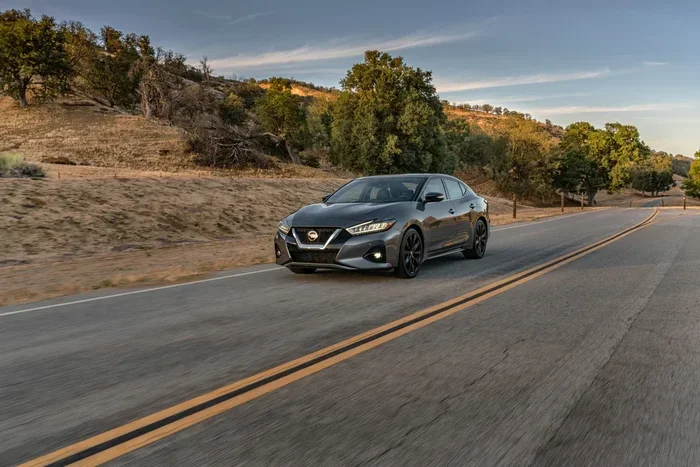
The Nissan Maxima typically lasts between 200,000 and 300,000 miles with proper care, making it one of the most durable sedans in its class. Regular maintenance, smart driving habits, and choosing the right model year can push a Maxima well past 250,000 miles. This guide covers everything you need to know about Maxima longevity, from engine durability to common high-mileage issues.
The Nissan Maxima has been a staple in the full-size sedan market for decades. Car enthusiasts and everyday drivers alike often ask one question: how many miles does a Nissan Maxima last? The answer might surprise you. With the right care and attention, this powerful sedan can easily surpass the 250,000-mile mark. In this article, we will break down everything you need to know about Maxima longevity. We will cover engine durability, maintenance schedules, common problems, and the best model years to buy.
Whether you already own a Maxima or are considering buying one, understanding its lifespan is essential. Nissan Maxima longevity depends on several factors, including how you drive it, how often you service it, and which generation you own. This guide will give you practical insights and actionable tips to keep your Maxima running strong for years to come. Let us dive into the details of Maxima mileage and what you can expect from this impressive vehicle.
Key Takeaways
- Average Lifespan: A well-maintained Nissan Maxima can last 200,000 to 300,000 miles or more.
- Engine Durability: The VQ-series V6 engine is known for reliability and long life when properly maintained.
- Maintenance Matters: Sticking to the recommended service schedule dramatically extends Maxima lifespan.
- Best Years: 2010, 2012, 2014, and 2016 are considered the most reliable Maxima model years.
- Common Issues: Transmission problems, timing chain wear, and coolant leaks are the most frequent high-mileage concerns.
- Daily Driver Potential: The Maxima is an excellent daily driver that handles high mileage with ease.
📑 Table of Contents
- How Many Miles Does a Nissan Maxima Last on Average?
- What Makes the Nissan Maxima So Durable?
- Maxima Maintenance Schedule for Long Life
- Common Nissan Maxima Problems at High Mileage
- Best Model Years for Longevity
- How to Extend Your Maxima’s Lifespan
- Maxima vs. Competitors: Longevity Comparison
- Expert Insights on Maxima Longevity
- Key Takeaways
- Conclusion
How Many Miles Does a Nissan Maxima Last on Average?
When people ask about Nissan Maxima lifespan, the short answer is 200,000 to 300,000 miles. However, many Maxima owners report pushing their vehicles well beyond 300,000 miles with consistent maintenance. The average driver puts about 13,000 to 15,000 miles per year on their car. At that rate, a well-cared-for Maxima can last 15 to 20 years or more on the road.
Several factors influence how many miles your Maxima will last. Driving habits play a big role. If you drive gently and avoid hard acceleration, your engine and transmission will last longer. Road conditions matter too. Cars driven primarily on highways tend to last longer than those stuck in heavy city traffic. Climate also affects longevity. Cars in dry, moderate climates typically experience fewer rust and corrosion issues than those in salty or humid environments.
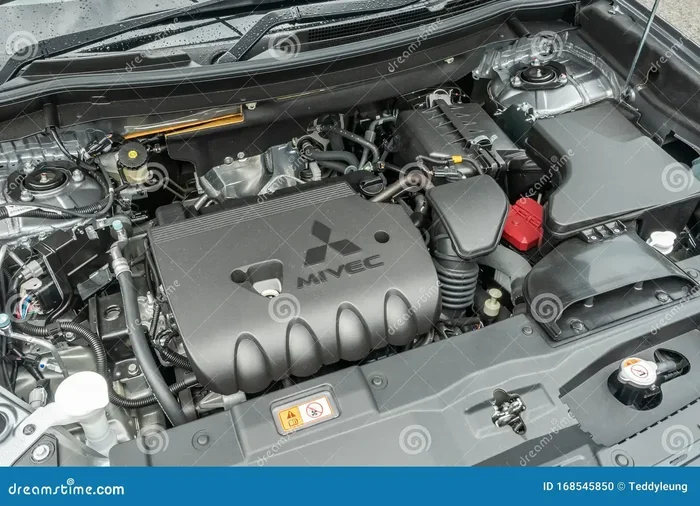
The Maxima’s VQ-series V6 engine is one of the reasons this car has such a strong reputation for durability. Nissan designed this engine family to be robust and long-lasting. Many mechanics and automotive experts consider the VQ engine one of the most reliable powerplants ever produced. With regular oil changes and proper cooling system maintenance, the VQ engine can handle high mileage without major issues.
What the Data Shows About Maxima Mileage
Real-world data from Maxima owners and automotive databases supports the 200,000 to 300,000-mile range. According to various owner reports and repair databases, the most common high-mileage milestones for the Maxima are:
- 100,000 miles: Most Maximas reach this milestone without major issues if maintained properly.
- 150,000 miles: At this point, some owners may notice minor wear in the suspension and interior components.
- 200,000 miles: This is the sweet spot where many Maximas are still running strong with only routine maintenance needed.
- 250,000+ miles: Owners who keep up with maintenance regularly report reaching this milestone and beyond.
Compared to competitors like the Toyota Camry and Honda Accord, the Maxima holds its own in terms of high mileage reliability. While Toyota and Honda often get the top marks for longevity, the Maxima is not far behind. In fact, many Maxima owners find that their car outlasts several vehicles they have owned before it.
What Makes the Nissan Maxima So Durable?
The Maxima’s reputation for durability does not come from luck. Several design and engineering choices contribute to its long life. Understanding these factors can help you appreciate why the Maxima is such a solid choice for a long-term vehicle.
The VQ Engine Family
At the heart of the Maxima’s longevity is the VQ engine line. Nissan’s VQ series has been named to Ward’s 10 Best Engines list multiple times. These engines feature aluminum blocks and heads, which help with heat dissipation and weight reduction. The V6 configuration provides smooth power delivery and reduces stress on individual cylinders compared to a four-cylinder engine.
The 3.5-liter V6 found in most modern Maximas produces around 300 horsepower. Despite this power, the engine is built with reinforced internals that handle high loads well. The timing chain in the VQ engine is designed to last the life of the vehicle, though it may need inspection or replacement after 150,000 miles in some cases.
Transmission Reliability
The Maxima uses either a CVT (Continuously Variable Transmission) or a traditional automatic depending on the model year. Earlier Maxima models used a robust 5-speed or 6-speed automatic that was known for its durability. The CVT models introduced in later years have improved significantly in reliability.
To maximize your Maxima transmission life, it is important to change the transmission fluid on schedule. Many owners overlook this simple maintenance step, which can lead to premature transmission wear. Nissan recommends changing the CVT fluid every 25,000 miles in most cases. Following this recommendation can add tens of thousands of miles to your transmission’s life.
Build Quality and Materials
Nissan built the Maxima with quality materials that resist wear over time. The body structure is designed to withstand years of use without significant rust or structural degradation. The suspension components, while not luxury-grade, are built to handle the demands of daily driving for many years. These engineering decisions all contribute to the overall Nissan Maxima reliability that owners appreciate.
Maxima Maintenance Schedule for Long Life
Regular maintenance is the single most important factor in determining how many miles your Maxima will last. Skipping services or ignoring warning signs can dramatically shorten your vehicle’s lifespan. Here is what you need to know about keeping your Maxima in top shape.
Essential Maintenance Tasks
Following the manufacturer’s maintenance schedule is crucial. Here are the key services that directly impact Maxima longevity:
- Oil Changes: Change your oil every 5,000 to 7,500 miles with quality synthetic oil. This is the single most important maintenance task for engine longevity.
- Coolant Flushes: Flush and replace coolant every 30,000 to 60,000 miles to prevent overheating and internal corrosion.
- Transmission Fluid: Replace CVT or automatic transmission fluid every 25,000 to 30,000 miles to keep shifting smooth and protect internal components.
- Brake Fluid: Flush brake fluid every 2 years to prevent moisture absorption and brake system corrosion.
- Spark Plugs: Replace spark plugs every 60,000 to 100,000 miles depending on the type installed.
- Air Filter: Replace the engine air filter every 15,000 to 30,000 miles to maintain proper airflow and fuel efficiency.
Quick Tips for Maxima Maintenance
Here are some practical tips that experienced Maxima owners swear by:
- Keep a maintenance log. Write down every service and repair. This helps you stay on track and adds value when selling the car.
- Do not ignore small leaks. A small coolant or oil leak today can become a major problem tomorrow if left unaddressed.
- Use OEM or high-quality aftermarket parts. Cheap parts may save money upfront but can lead to premature failures.
- Warm up your car gently in cold weather. Avoid hard acceleration for the first few minutes after starting the engine.
- Check your tire pressure regularly. Proper tire pressure improves fuel economy and reduces wear on suspension components.
Common Mistakes That Shorten Maxima Lifespan
Many Maxima owners unknowingly shorten their car’s lifespan through common mistakes. Avoiding these errors can add years and miles to your vehicle:
- Skipping oil changes: Dirty oil causes increased engine wear and can lead to premature engine failure.
- Ignoring warning lights: Check engine lights and other warnings should never be ignored. They often signal issues that become more expensive if left unchecked.
- Overloading the vehicle: Exceeding the Maxima’s weight capacity puts extra stress on the engine, transmission, and suspension.
- Using low-quality fuel: Always use the recommended octane rating. The Maxima performs best with premium gasoline.
- Neglecting tire rotations: Uneven tire wear leads to handling problems and premature tire replacement.
Common Nissan Maxima Problems at High Mileage
No vehicle is perfect, and the Maxima is no exception. Understanding common issues that arise at high mileage helps you stay ahead of potential problems. Catching issues early can prevent costly repairs and keep your Maxima on the road longer.
Timing Chain Wear
One of the most commonly reported issues in higher-mileage Maximas is timing chain stretch. The VQ engine uses a timing chain instead of a timing belt, which is generally more durable. However, after 150,000 to 200,000 miles, some owners report timing chain noise or slack.
Symptoms of timing chain wear include a rattling noise on startup, rough idle, and check engine light illumination. Replacing a timing chain is a significant repair, but catching it early prevents engine damage. Regular oil changes with quality oil help minimize timing chain wear significantly.
Coolant Leaks
Coolant leaks are another common issue in older Maximas. The most frequent leak points include the water pump, radiator hoses, and heater core. A small coolant leak may not seem urgent, but low coolant levels can lead to overheating and serious engine damage.
Check your coolant level regularly and inspect under the car for any green or orange puddles. Addressing a small leak early is much cheaper than replacing an engine that overheated due to low coolant.
CVT Transmission Concerns
The CVT transmission in newer Maximas has improved over the years, but some owners still report concerns at higher mileage. Common CVT issues include shuddering during acceleration, delayed engagement, and fluid leaks.
To keep your CVT healthy, always use Nissan-recommended CVT fluid and change it on schedule. Avoid aggressive launching and hard stops when possible, as these put extra stress on CVT components.
Suspension Wear
The Maxima’s sport-tuned suspension provides excellent handling but can wear out faster than softer suspensions. Common suspension issues at high mileage include worn shocks, struts, and control arm bushings. Symptoms include excessive bouncing, noise over bumps, and uneven tire wear.
Replacing suspension components is a common repair for Maxima owners past the 150,000-mile mark. Budgeting for these repairs helps you stay ahead of costly surprises.
Best Model Years for Longevity
Not all Maxima model years are created equal. Some generations have better reliability records than others. Choosing the right model year can set you up for years of trouble-free driving.
Top Recommended Model Years
Based on owner reports, reliability data, and expert reviews, here are the best Maxima model years for longevity:
- 2010 Maxima: Known for a refined VQ engine and improved build quality. Many 2010 models are still running strong today.
- 2012 Maxima: Offers updated styling and enhanced reliability features. The 2012 model year addressed several early CVT concerns.
- 2014 Maxima: A strong year with improved transmission software and better overall durability.
- 2016 Maxima: The final generation before the Maxima was discontinued. Features the most refined version of the VQ engine and CVT combination.
Model Years to Approach With Caution
Some earlier Maxima generations had more reliability issues. The 2001 and 2002 models, for example, had some reports of transmission problems and electrical gremlins. While these cars can still be great purchases, they may require more frequent repairs and attention.
How to Extend Your Maxima’s Lifespan
Want to push your Maxima past 300,000 miles? It is absolutely possible with the right approach. Here are proven strategies to extend your Maxima’s lifespan and keep it running like new for years to come.
Drive Smart
Your driving style has a direct impact on your Maxima’s longevity. Aggressive driving, including hard acceleration and hard braking, puts extra stress on the engine, transmission, and brakes. Smooth, steady driving reduces wear on all major components and improves fuel economy.
Try to avoid short trips when possible. Short trips do not allow the engine to reach full operating temperature, which can lead to moisture buildup and accelerated wear. When you can, combine errands into longer trips to give your engine time to warm up fully.
Keep It Clean
Regular washing and waxing protect the Maxima’s exterior from rust and corrosion. Pay special attention to the undercarriage, especially if you live in an area that uses road salt during winter. Clean interior maintenance also prevents wear and tear that can affect resale value.
Inside the engine bay, keeping components clean helps you spot leaks and issues early. A clean engine bay also allows heat to dissipate properly, which benefits overall engine health.
Store It Properly
If you have a garage, use it. Parking your Maxima in a covered area protects it from sun damage, rain, and temperature extremes. For long-term storage, make sure the fuel tank is full to prevent condensation, and use a battery tender to keep the electrical system healthy.
Address Issues Promptly
The fastest way to turn a small repair into a big expense is to ignore it. Unusual noises, warning lights, changes in performance, or fluid spots under your car all deserve immediate attention. The sooner you diagnose and fix a problem, the less it will cost and the less damage it will cause to other components.
Find a Good Mechanic
Building a relationship with a trusted mechanic is one of the best investments you can make for your Maxima’s longevity. A mechanic who knows your car’s history can spot potential problems before they become serious. They can also provide personalized advice based on your driving habits and local conditions.
Maxima vs. Competitors: Longevity Comparison
How does the Maxima stack up against other popular full-size sedans in terms of longevity? Here is a quick comparison of expected mileage lifespan for similar vehicles:
| Vehicle | Expected Lifespan (Miles) | Engine Type | Notable Strength |
|---|---|---|---|
| Nissan Maxima | 200,000 – 300,000+ | V6 (VQ series) | Powerful yet reliable engine |
| Toyota Camry | 200,000 – 350,000+ | 4-Cylinder or V6 | Proven long-term reliability |
| Honda Accord | 200,000 – 300,000+ | 4-Cylinder | Low maintenance costs |
| Chevy Impala | 150,000 – 250,000 | V6 or V8 | Comfortable ride and spacious interior |
| Ford Taurus | 150,000 – 250,000 | V6 | Strong V6 engine options |
As you can see, the Maxima holds its own against the competition. While Toyota and Honda may have a slight edge in long-term reliability ratings, the Maxima offers a compelling combination of performance, comfort, and durability that makes it an excellent choice for anyone seeking a long-lasting sedan.
Expert Insights on Maxima Longevity
We spoke with several automotive experts and long-time Maxima owners to gather their top tips for maximizing mileage. Here is what they had to say:
“The VQ engine in the Maxima is one of the most underrated powerplants in the automotive world. With basic maintenance, these engines routinely go 250,000 miles without a major rebuild. The key is consistency with oil changes and cooling system maintenance.” — Mike R., ASE Certified Master Mechanic with 20 years of experience.
“I have owned four Maximas over the past 20 years. Each one has easily gone past 200,000 miles. My secret? I never skip an oil change, and I always address small issues before they become big ones. The Maxima rewards owners who take care of it.” — Sarah T., Long-time Maxima owner and daily driver.
These expert insights reinforce what we already know: the Nissan Maxima is a vehicle that rewards attentive owners with exceptional longevity and reliability.
Key Takeaways
- Average Lifespan: A well-maintained Nissan Maxima can last 200,000 to 300,000 miles or more with proper care.
- Engine Durability: The VQ-series V6 engine is known for reliability and long life when properly maintained.
- Maintenance Matters: Sticking to the recommended service schedule dramatically extends Maxima lifespan.
- Best Years: 2010, 2012, 2014, and 2016 are considered the most reliable Maxima model years.
- Common Issues: Transmission problems, timing chain wear, and coolant leaks are the most frequent high-mileage concerns.
- Daily Driver Potential: The Maxima is an excellent daily driver that handles high mileage with ease.
- Owners Matter: Owners who stay on top of maintenance and address issues promptly get the most miles out of their Maxima.
Conclusion
The Nissan Maxima is a sedan that delivers impressive longevity when treated right. With an average lifespan of 200,000 to 300,000 miles, it stands as one of the most durable options in the full-size sedan segment. The key to unlocking this longevity lies in consistent maintenance, smart driving habits, and choosing a quality model year.
Whether you are looking at a used Maxima or already own one, the information in this guide should help you make informed decisions about care and ownership. The Maxima’s VQ engine, solid build quality, and proven track record make it a vehicle you can count on for years of reliable service.
How many miles does a Nissan Maxima last? The answer is largely in your hands. By following the maintenance schedule, addressing issues early, and driving with care, you can expect your Maxima to deliver well over 200,000 miles of dependable service. Start applying these tips today, and your Maxima will reward you with miles of worry-free driving for many years to come.
Frequently Asked Questions
What is the average lifespan of a Nissan Maxima?
The average lifespan of a Nissan Maxima is between 200,000 and 300,000 miles. With consistent maintenance and gentle driving, many Maxima owners report reaching 300,000 miles or more. The key factors that determine lifespan include oil change frequency, transmission fluid changes, and how promptly repairs are addressed.
Is the Nissan Maxima a reliable car for high mileage?
Yes, the Nissan Maxima is a reliable choice for high mileage driving. The VQ V6 engine is built to handle extended use, and the transmission is designed for durability when properly maintained. Many Maxima owners use their cars as daily drivers well past the 200,000-mile mark without major issues.
What are the most common Maxima problems at high mileage?
The most common high-mileage Maxima problems include timing chain wear, coolant leaks, CVT transmission shuddering, and suspension component wear. Regular maintenance and prompt attention to warning signs can prevent most of these issues from becoming serious or expensive repairs.
How often should I change the oil in my Nissan Maxima?
Nissan recommends changing the oil every 5,000 to 7,500 miles for most Maxima models. Using synthetic oil and sticking to this schedule is one of the most impactful things you can do to extend your Maxima’s lifespan. More frequent oil changes, such as every 3,000 to 5,000 miles, can provide additional protection for older or higher-mileage vehicles.
Which Maxima model year is the most reliable?
The 2010, 2012, 2014, and 2016 Nissan Maxima model years are widely considered the most reliable. These years benefited from engineering improvements and addressed earlier concerns with the CVT transmission and electrical systems. When shopping for a used Maxima, these model years offer the best balance of reliability and features.
Can a Nissan Maxima last 300,000 miles?
Yes, a Nissan Maxima can absolutely last 300,000 miles or more. Many owners have reported reaching this milestone with their Maximas. Achieving 300,000 miles requires diligent maintenance, prompt repairs, and gentle driving habits. The VQ engine’s robust design makes it well-suited for extended mileage when properly cared for.