Honda Civic Wont Start but Has Power: Causes and Fixes
A Honda Civic that won’t start but has power is a frustrating but common problem. The issue usually stems from a weak battery, faulty starter motor, bad ignition switch, or fuel pump failure. Knowing the root cause helps you fix it faster and saves money on unnecessary repairs. This guide covers every likely reason with step-by-step solutions anyone can follow. You’ll learn how to diagnose the problem yourself and decide when to call a professional mechanic.
Key Takeaways
- Battery issues are the #1 cause: Corroded terminals or a weak battery give your Civic power but prevent starting.
- The starter motor or relay can fail silently: You may hear nothing or just a single click when turning the key.
- Ignition switch problems are common in older Civics: Worn contacts inside the switch stop the engine from cranking.
- A failed fuel pump starves the engine of fuel: Your Civic has power but simply won’t fire up.
- The security lockout system can block starting: The immobilizer may prevent the engine from turning over even with a good key.
- Neutral safety switch faults affect automatic transmissions: The car thinks it’s not in park or neutral.
- Regular maintenance prevents most of these issues: Simple checks keep your Honda Civic running reliably for years.
📑 Table of Contents
- Why Your Honda Civic Has Power But Won’t Start
- Common Causes of Honda Civic Won’t Start but Has Power
- How to Diagnose the Problem Yourself
- Step-by-Step Fixes for Each Cause
- When to See a Professional Mechanic
- Preventive Maintenance Tips to Avoid Starting Problems
- Final Thoughts on Honda Civic Starting Problems
- Frequently Asked Questions
Why Your Honda Civic Has Power But Won’t Start
You turn the key. The dashboard lights up. The radio plays. But the engine refuses to turn over. This exact scenario happens to thousands of Honda Civic owners every year. It’s one of the most common car problems people search for online.
The reason is simple. Your Civic has two separate systems. One system provides electrical power. The other system actually starts the engine. When power is present but the engine won’t crank, something is blocking the starting process. Pinpointing which system is failing is the first step toward a fix.
This guide walks you through every possible cause. We keep things simple and practical. You don’t need to be a mechanic to understand what’s going on. By the end, you’ll know exactly what to check and how to fix it. Let’s dive in.
Common Causes of Honda Civic Won’t Start but Has Power
Several components can cause this exact symptom. Some are easy and cheap to fix. Others need a professional touch. Here are the most common reasons your Honda Civic won’t start but has power.
Dead or Weak Battery
A battery might still power your lights and radio but lack the cranking amps needed to start the engine. This happens more often than people think. Batteries degrade over time, especially in hot or cold climates. Corrosion on the terminals creates resistance that blocks current flow.
Try this test first. Turn on the headlights. If they appear dim when you turn the key, your battery is likely the culprit. A fully charged battery should read 12.6 volts or higher with the engine off. Anything below 12.2 volts means the battery needs charging or replacement.
Faulty Starter Motor or Starter Relay
The starter motor is what actually cranks your engine. When it fails, you get silence or a single click. The starter relay acts as a switch that sends power to the motor. If the relay goes bad, the motor never receives the signal to engage.
Listen carefully when you turn the key. A rapid clicking sound usually means the relay is trying to engage but can’t. No sound at all points to a dead relay or a seized starter motor. Replacing a starter relay costs under $30, while a new starter motor runs between $200 and $400 for most Honda Civic models.
Ignition Switch Failure
The ignition switch is the component you interact with every time you start your car. Inside the switch, electrical contacts wear down over time. When these contacts fail, the signal to start the engine never reaches the starter.
This problem is especially common in Honda Civics from the 2000s and 2010s. You might notice the key feels loose or wobbly in the ignition. Sometimes the accessory power works but the engine cranking circuit does not. Replacing an ignition switch typically costs between $100 and $250 at a repair shop.
Fuel Pump Failure
Your engine needs fuel to run. The fuel pump delivers gasoline from the tank to the engine. When the pump fails, your Civic has full electrical power but simply can’t start because there’s no fuel reaching the combustion chambers.
Here’s a quick check. Turn the key to the “ON” position without starting the engine. You should hear a brief hum from the back of the car near the fuel tank. That’s the fuel pump priming. No hum means the pump might be dead. A failed fuel pump replacement costs between $400 and $700 for most Honda Civic models.
Security System Lockout
Modern Honda Civics come equipped with an immobilizer system. This system prevents the engine from starting unless it recognizes the correct key. Sometimes the system locks out the engine even when you’re using the right key.
This can happen after a battery disconnect or when the key fob battery is weak. The dashboard security light will usually flash if the immobilizer is active. Trying a spare key often resolves this issue. If not, the key fob or the immobilizer module may need replacement.
Neutral Safety Switch Problems
The neutral safety switch prevents your Civic from starting unless the transmission is in Park or Neutral. When this switch fails, the car thinks it’s in gear and blocks the starting circuit for safety reasons.
This issue affects automatic transmission Civics more often. Try shifting into Neutral and attempting to start. If the engine cranks in Neutral but not in Park, the switch is likely the problem. Adjusting or replacing the neutral safety switch is a straightforward repair.
How to Diagnose the Problem Yourself
You don’t need expensive tools to figure out what’s wrong with your Honda Civic. A few simple checks can narrow down the cause quickly. Here’s a step-by-step diagnostic approach you can follow right now.
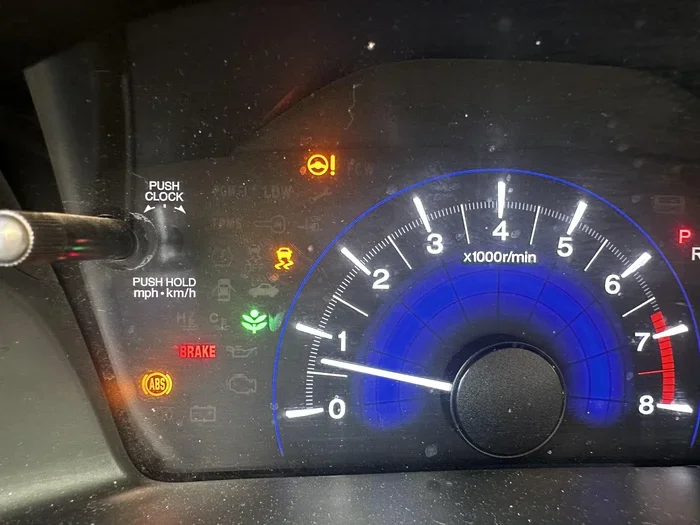
Step 1: Check the dashboard lights. Turn the key to the “ON” position. Do all the lights come on normally? Dim or flickering lights suggest a battery problem.
Step 2: Listen for the fuel pump hum. Turn the key to “ON” without cranking. Listen near the rear seats or the fuel tank area. A brief hum means the pump is working.
Step 3: Check for clicking sounds. Rapid clicking points to a starter relay or battery issue. A single click might indicate a bad starter motor or ignition switch.
Step 4: Try the spare key. If your security light is flashing, the immobilizer might be blocking the start. A spare key can confirm this.
Step 5: Shift into Neutral and try starting. If the engine cranks in Neutral, your neutral safety switch needs adjustment.
These five checks cover most of the common causes. They take less than five minutes and cost nothing. Write down what you find. This information helps any mechanic diagnose the issue faster.
Step-by-Step Fixes for Each Cause
Once you’ve identified the likely cause, you can take action. Some fixes you can do at home. Others are best left to a professional.
Fixing a Dead Battery: Clean the battery terminals with a wire brush and baking soda solution. Tighten any loose connections. If the battery is old (over three years), replace it. Jump-starting your Civic with jumper cables or a portable jump starter can get you going temporarily. Always drive to a shop to test the charging system afterward.
Replacing a Starter Relay: Locate the relay box under your hood. Find the starter relay using your owner’s manual. Swap it with a similar relay of the same amperage. If the engine starts, you’ve confirmed the relay was bad. Buy a replacement relay for a few dollars at any auto parts store.
Fixing the Ignition Switch: This repair requires removing the steering column covers. Disconnect the battery first. Replace the switch and reconnect all wiring. Unless you’re comfortable working around airbags and steering components, have a mechanic handle this one.
Replacing the Fuel Pump: This job involves dropping the fuel tank or accessing the pump through an access panel inside the trunk. It requires disconnecting fuel lines and handling pressurized fuel. This is definitely a job for a qualified technician.
Resetting the Immobilizer: Try using a spare key first. If that doesn’t work, disconnect the battery for 15 minutes and reconnect. This sometimes resets the security system. If the problem persists, a Honda dealer can reprogram the key or replace the immobilizer module.
Adjusting the Neutral Safety Switch: Locate the switch on the transmission linkage. Loosen the mounting bolt and adjust the position so the switch activates in both Park and Neutral. Tighten and test. This is a simple fix that takes about 20 minutes.
When to See a Professional Mechanic
Some problems are beyond DIY fixes. Knowing when to call for help saves time and prevents costly mistakes.
You should see a mechanic if your Honda Civic cranks but never fires. This points to deeper issues like a broken timing belt or internal engine damage. If you smell gasoline or notice fuel leaks, stop immediately and get professional help. Fuel system repairs require special training and equipment.
Electrical gremlins that come and go are hard to diagnose at home. Intermittent starting problems often indicate wiring issues or failing sensors that need diagnostic computer equipment to identify. A professional mechanic with a Honda-specific diagnostic tool can read error codes that point directly to the problem.
Also see a pro if your Civic is under warranty. DIY repairs might void your coverage. Dealers and authorized shops can fix the issue without affecting your warranty. It’s always worth checking before you start tearing things apart.
Preventive Maintenance Tips to Avoid Starting Problems
The best way to deal with a Honda Civic that won’t start is to prevent it from happening in the first place. Regular maintenance keeps your Civic reliable for hundreds of thousands of miles.
- Test your battery every six months. Most auto parts stores do this for free. Replace batteries older than four years before they fail.
- Clean battery terminals twice a year. A simple wire brush and baking soda paste prevents corrosion buildup.
- Keep your fuel tank at least a quarter full. Running on empty causes the fuel pump to overheat and wear out faster.
- Replace your key fob battery annually. A weak fob battery can trigger the immobilizer system and prevent starting.
- Follow Honda’s maintenance schedule. Regular oil changes, spark plug replacements, and filter changes keep the engine in top shape.
- Listen to your car. Unusual sounds when turning the key are early warning signs. Address them before they become full-blown failures.
Small preventive actions add up to big savings over time. A $50 battery replacement beats a $500 towing bill any day. Make these checks part of your routine and your Honda Civic will reward you with reliable starts every single time.
Final Thoughts on Honda Civic Starting Problems
A Honda Civic that won’t start but has power is almost always fixable. The most common causes are batteries, starter components, ignition switches, fuel pumps, and security systems. Most of these issues are affordable and straightforward to repair.
Start with the simple checks first. Look at the battery. Listen for the fuel pump hum. Try the spare key. You might solve the problem in five minutes without spending a dime. If the issue is more complex, you’ll at least know what to tell the mechanic, which saves diagnostic fees.
Don’t panic when your Civic won’t start. Thousands of owners face this exact problem every month. With the right knowledge and a little patience, you’ll be back on the road in no time. Keep this guide bookmarked for future reference. Share it with fellow Honda Civic owners who might need it too.
Frequently Asked Questions
Why does my Honda Civic have power but won’t start when it’s cold outside?
Cold weather weakens battery performance significantly. A battery that works fine in summer might not deliver enough cranking amps in winter. Have your battery tested before the cold season hits and replace it if the cold cranking amps are below the recommended level for your Honda Civic model.
Can a bad key fob prevent my Honda Civic from starting?
Yes, absolutely. Modern Honda Civics use a smart key or transponder key system. If the key fob battery is dead or the chip is damaged, the immobilizer system blocks the engine from starting. Try replacing the key fob battery first and then attempt to start the car again.
How do I know if my starter motor is bad or if it’s the ignition switch?
A bad starter motor usually produces a single loud click or complete silence when you turn the key. An ignition switch problem often shows additional symptoms like flickering dashboard lights or the key feeling loose. A mechanic can test both components quickly with a multimeter to pinpoint exactly which one has failed.
Is it safe to keep trying to start my Honda Civic if it won’t turn over?
It’s generally safe to try a few times, but repeated attempts can drain your battery further and overheat the starter motor. Wait at least 10 seconds between each attempt to let the starter cool down. If the car won’t start after three or four tries, stop and diagnose the problem rather than continuing to crank.
How much does it cost to fix a Honda Civic that won’t start but has power?
The cost varies widely depending on the cause. A battery replacement runs $100 to $200. A starter relay costs $15 to $40. An ignition switch replacement runs $100 to $250. Fuel pump repairs can reach $400 to $700. Always get a diagnosis first so you don’t pay for unnecessary parts and focus on the actual problem.
What should I do if my Honda Civic starts sometimes but not others?
Intermittent starting problems are often caused by a failing ignition switch, loose wiring connections, or a weak battery that works sometimes but not under load. Have the battery and charging system tested at an auto parts store and inspect the ignition switch for wear. These intermittent issues tend to worsen over time, so address them early before they leave you stranded.