Does the Mitsubishi Outlander Have the Timing Chain
The Mitsubishi Outlander uses a timing chain in most of its engine configurations, not a timing belt. This design choice improves long-term durability and reduces maintenance costs over the life of the vehicle. Understanding how the timing chain works and when it may need attention helps you keep your Outlander running smoothly for years to come.
So, does the Mitsubishi Outlander have a timing chain? The short answer is yes. Most Mitsubishi Outlander models use a timing chain instead of a timing belt. This is good news for owners because timing chains are designed to last much longer than belts. They are also more durable and require less frequent replacement. If you own an Outlander or are thinking about buying one, understanding the timing chain setup is essential. It affects your maintenance schedule, your repair costs, and the overall reliability of the vehicle.
The timing chain is one of the most important engine components. It connects the crankshaft to the camshaft. This connection keeps the engine valves opening and closing at the right time. Without a working timing chain, your engine simply will not run. And in interference engines like the Mitsubishi Outlander, a broken chain can cause catastrophic internal damage. That is why knowing what you are working with matters so much.
Key Takeaways
- Timing Chain Design: Most Mitsubishi Outlander models use a timing chain, not a timing belt, for better long-term reliability.
- Engine Variants Matter: The 2.4L inline-four engine uses a timing chain, while older 3.0L V6 models may differ in their drivetrain setup.
- Durability: A timing chain is built to last the life of the engine under normal driving conditions.
- Warning Signs: Listen for rattling noises, check for rough idling, and watch for the check engine light as potential chain issues.
- Replacement Cost: Timing chain replacement can be expensive, ranging from $1,000 to $2,500 depending on the model year and labor rates.
- Maintenance Matters: Regular oil changes and using the correct oil weight extend the life of your timing chain significantly.
- Interference Engine Risk: The Outlander is an interference engine, meaning a broken timing chain can cause serious internal damage.
📑 Table of Contents
- What Is a Timing Chain and Why Does It Matter?
- Does the Mitsubishi Outlander Use a Timing Chain?
- Which Mitsubishi Outlander Models and Engines Use a Timing Chain?
- Warning Signs That Your Timing Chain Is Failing
- Timing Chain Replacement: What to Expect and How Much It Costs
- Common Mistakes Owners Make with Timing Chain Maintenance
- Expert Insights on Mitsubishi Outlander Timing Chain Longevity
- Conclusion
What Is a Timing Chain and Why Does It Matter?
A timing chain is a metal roller chain. It sits inside the engine and synchronizes the rotation of the crankshaft and the camshaft. The crankshaft controls the movement of the pistons. The camshaft controls the opening and closing of the engine valves. When these two components work together perfectly, your engine runs smoothly. When they are out of sync, things go wrong fast.
The timing chain wraps around gears on both the crankshaft and the camshaft. It often has a timing chain tensioner that keeps it tight. A timing chain tensioner prevents the chain from stretching or slipping. Over time, the chain can stretch. The tensioner can also wear out. When that happens, you may notice engine timing issues.
So why does this matter for your Mitsubishi Outlander? Because the timing chain directly affects engine performance. A well-maintained chain keeps your engine running like clockwork. A worn chain can cause poor fuel economy, rough idling, and even engine failure. This is why regular maintenance and early detection of problems are so important.
Timing Chain vs. Timing Belt
Many car owners confuse a timing chain with a timing belt. They do the same job, but they are very different. A timing belt is made of rubber and teeth. It is quieter and cheaper to replace. A timing chain is made of metal. It is louder but lasts much longer. Most modern Mitsubishi Outlander models use a timing chain for this reason. The durability of a metal chain makes it a smart choice for a family SUV.
Here is a quick look at the key differences:
- Timing Chain: Metal construction, lasts the life of the engine, higher initial cost, louder operation, found in most modern Outlander models.
- Timing Belt: Rubber construction, needs replacement every 60,000 to 100,000 miles, lower initial cost, quieter operation, found in older or different engine designs.
The Mitsubishi Outlander uses the timing chain approach across most of its engine options. This means fewer replacement trips to the mechanic. It also means lower long-term maintenance costs compared to vehicles that use timing belts.
Does the Mitsubishi Outlander Use a Timing Chain?
Yes, the Mitsubishi Outlander uses a timing chain in its current and recent engine configurations. The 2.4L inline-four engine, which is the most common engine in the Outlander lineup, uses a timing chain system. This engine is paired with either a front-wheel-drive or an all-wheel-drive system. The timing chain is located at the front of the engine, which makes it accessible for inspection and repair.
The 2.4L engine in the Mitsubishi Outlander is what engineers call an interference engine. This means the pistons and valves share the same space inside the cylinder head. When the timing chain is working properly, the valves and pistons never collide. But if the chain breaks or stretches, the pistons can hit the valves. This causes serious engine damage. That is why keeping the timing chain in good shape is so critical.
Older Outlander models, especially those from the early 2000s, sometimes used different engine configurations. The 3.0L V6 engine found in some first-generation Outlanders also used a timing chain. However, it is always a good idea to check your specific model year and engine type. You can find this information in your owner manual or by consulting a certified Mitsubishi mechanic.
Which Outlander Model Years Use a Timing Chain?
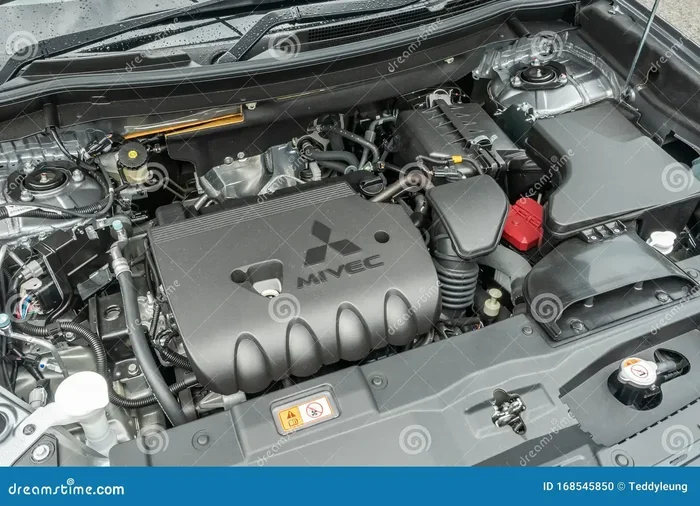
The vast majority of Mitsubishi Outlander models from 2007 onward use a timing chain. This includes the 2007, 2008, 2009, 2010, 2011, 2012, 2013, 2014, 2015, 2016, 2017, 2018, 2019, 2020, 2021, 2022, and 2023 model years. The 2.4L MIVEC engine, which stands for Mitsubishi Innovative Valve timing Electronic Control, is the primary engine in these vehicles. It uses a timing chain to manage the variable valve timing system.
If you own a first-generation Outlander from 2001 to 2006, the engine setup may differ depending on the trim level and market. Some versions of the 3.0L V6 used a timing chain, while other engine variants in different markets may have used a timing belt. Always double-check your specific vehicle to be sure.
The Role of the Timing Chain Tensioner
The timing chain tensioner plays a vital role in the Outlander engine. It keeps the chain taut and prevents it from skipping teeth on the sprockets. There are two main types of tensioners: hydraulic and mechanical. Most Mitsubishi Outlander models use a hydraulic tensioner. This type uses engine oil pressure to maintain proper chain tension. If your oil pressure drops or your oil is dirty, the tensioner may not work correctly.
This is one reason why regular oil changes are so important for your Outlander. Clean oil at the right pressure keeps the tensioner working properly. It also keeps the timing chain lubricated and reduces wear. Skipping oil changes is one of the fastest ways to shorten the life of your timing chain.
Which Mitsubishi Outlander Models and Engines Use a Timing Chain?
The Mitsubishi Outlander has been around since 2001, and over the years, it has offered several engine options. Let us break down which engines use a timing chain and which ones you should be aware of.
The 2.4L inline-four engine is the workhorse of the Outlander lineup. It has been used across multiple generations of the vehicle. This engine uses a timing chain to drive both the intake camshaft and the exhaust camshaft. The MIVEC system in this engine adjusts valve timing for better performance and fuel efficiency. The timing chain is a key part of making this system work.
The 3.0L V6 engine was available in earlier Outlander models. This engine also used a timing chain. It was a more powerful option that gave the Outlander better highway performance. However, it was eventually phased out in favor of the more fuel-efficient 2.4L engine in later model years.
In the 2024 and newer Outlander models, Mitsubishi continues to use the 2.4L engine with a timing chain. The company has stuck with this proven design because it offers a good balance of durability, performance, and cost. There are no current Mitsubishi Outlander models that use a timing belt in the main engine drivetrain.
Engine Comparison Table
| Engine | Model Years | Timing System | Engine Type |
|---|---|---|---|
| 2.4L Inline-4 | 2007 – Present | Timing Chain | Interference Engine |
| 3.0L V6 | 2001 – 2012 | Timing Chain | Interference Engine |
| 2.0L Inline-4 (Hybrid) | 2024+ (some markets) | Timing Chain | Interference Engine |
As you can see, every engine option in the Mitsubishi Outlander uses a timing chain. This is a consistent design choice by Mitsubishi across the vehicle’s lifespan. It gives owners peace of mind knowing that the timing system is built for long-term use.
Warning Signs That Your Timing Chain Is Failing
A timing chain does not usually fail overnight. It wears down gradually over time and with mileage. Catching the early warning signs can save you from a costly engine repair. Here are the most common symptoms of a failing timing chain in the Mitsubishi Outlander.
Engine Rattling or Knocking Noise
This is the most common sign of a loose or worn timing chain. You may hear a rattling noise when you first start the engine. The sound often comes from the front of the engine. It may go away after the engine warms up, but do not ignore it. A rattling noise means the chain is loose and may be skipping teeth on the sprockets.
Rough Idle or Engine Misfires
If the timing chain has stretched or the tensioner has failed, the engine timing will be off. This can cause a rough idle or engine misfires. You may feel the vehicle vibrating more than usual when sitting at a stoplight. The engine may also hesitate or stumble when you accelerate. These are clear signs that the camshaft and crankshaft are not synchronized properly.
Check Engine Light
A failing timing chain can trigger the check engine light. The engine control module detects timing irregularities and stores a diagnostic trouble code. Common codes related to timing chain issues include P0016, P0017, and P0340. If your check engine light comes on, do not delay getting it checked. A diagnostic scan at a repair shop can reveal whether the timing chain is the culprit.
Poor Fuel Economy
When the engine timing is off, the valves open and close at the wrong time. This affects combustion efficiency. You may notice that you are filling up the gas tank more often than usual. Poor fuel economy is a subtle sign, but it is worth paying attention to if you notice other symptoms at the same time.
Engine Will Not Start
In the worst-case scenario, a completely broken timing chain will prevent the engine from starting. If you turn the key and hear the starter motor engage but the engine does not crank, the chain may have snapped. This is a serious situation that requires immediate towing and engine repair.
Quick Tips for Early Detection
- Listen for rattling noises when starting the engine, especially in the morning.
- Do not ignore the check engine light. Get it scanned promptly.
- Keep up with regular oil changes using the recommended oil weight.
- Check your owner manual for the recommended inspection intervals.
- Address rough idling or misfires immediately before they worsen.
Timing Chain Replacement: What to Expect and How Much It Costs
Even though a timing chain is designed to last a long time, it does not last forever. Under extreme conditions or with poor maintenance, the chain may need to be replaced. Understanding what the replacement process involves can help you plan and budget for the repair.
The timing chain replacement process is not a quick job. It requires removing several engine components to access the chain. In the Mitsubishi Outlander, the mechanic typically needs to remove the engine cover, the valve cover, and sometimes the front engine mount. The entire process can take anywhere from 6 to 10 hours depending on the model year and the condition of the engine.
Timing Chain Replacement Cost Breakdown
The cost of replacing a timing chain on a Mitsubishi Outlander can vary widely. Here is a general breakdown of what you can expect:
- Parts Cost: The timing chain kit, which includes the chain, tensioner, guides, and sprockets, typically costs between $400 and $800 for an OEM kit.
- Labor Cost: Labor rates vary by region, but expect to pay between $600 and $1,700 for the 6 to 10 hours of work required.
- Total Cost: The total cost for a timing chain replacement on a Mitsubishi Outlander usually ranges from $1,000 to $2,500.
If the engine has suffered internal damage due to a broken chain, the repair costs can increase significantly. In some cases, a full engine rebuild or replacement may be necessary. This is why early detection and prevention are so important.
When Should the Timing Chain Be Replaced?
There is no set interval for replacing a timing chain on the Mitsubishi Outlander. Unlike a timing belt, which has a recommended replacement schedule, the timing chain is designed to last the life of the engine. However, if you notice any of the warning signs mentioned earlier, it is wise to have the chain inspected. Some mechanics recommend inspecting the timing chain at around 100,000 miles as a preventive measure, especially for higher-mileage vehicles.
OEM vs. Aftermarket Parts
When it comes to replacing the timing chain, you have two main options: OEM (Original Equipment Manufacturer) parts and aftermarket parts. OEM parts are made by the same supplier that provided the original chain. They match the exact specifications of your engine. Aftermarket parts are made by third-party manufacturers and are usually less expensive. However, the quality can vary. For a critical engine component like the timing chain, using OEM parts is generally the safer choice.
Common Mistakes Owners Make with Timing Chain Maintenance
Many Mitsubishi Outlander owners make mistakes that can shorten the life of their timing chain. Avoiding these common errors can save you time, money, and headaches.
Skipping Oil Changes
This is the number one mistake. Dirty or low oil causes increased friction on the timing chain and tensioner. Over time, this accelerates wear and can lead to chain stretch. Stick to your regular oil change schedule and use the oil weight recommended by Mitsubishi, which is typically 0W-20 or 5W-30 for most Outlander models.
Ignoring Early Warning Signs
Some owners hear a rattle and assume it is normal. It is not. A small rattling noise today can become a broken chain tomorrow. Addressing minor symptoms early can prevent major engine damage and save thousands of dollars in repair costs.
Using Low-Quality Oil
Not all engine oils are created equal. Using oil that does not meet the specifications in your owner manual can cause excessive wear on engine components, including the timing chain. Always use quality oil that meets the API and Mitsubishi specifications for your vehicle.
Neglecting the Timing Chain Tensioner
The tensioner is a wear item, even though it is part of the timing chain system. If the tensioner fails, the chain will loosen and skip. During any timing chain inspection, the tensioner should be checked and replaced if it shows signs of wear.
Expert Insights on Mitsubishi Outlander Timing Chain Longevity
So what do the experts say about the Mitsubishi Outlander timing chain? According to certified Mitsubishi technicians and automotive engineers, the timing chain in the 2.4L engine is designed to last well beyond 150,000 miles under normal driving conditions. Some owners have reported their timing chains lasting over 200,000 miles without any issues.
However, experts also note that driving conditions play a big role. Stop-and-go city driving, towing heavy loads, and driving in extreme temperatures can all put extra stress on the timing chain. If you drive your Outlander in harsh conditions, it is even more important to stay on top of oil changes and regular maintenance.
Automotive forums and owner communities also share valuable insights. Many Outlander owners report that the timing chain is one of the most reliable components of the vehicle. Common complaints tend to focus on other areas, such as the transmission or electrical systems. This is a good sign for anyone considering buying a used Outlander or wondering about long-term ownership costs.
One expert tip from seasoned mechanics is to always check the oil level and quality when inspecting the timing chain. The chain relies on clean, pressurized oil for proper tension and lubrication. If the oil is dirty or the level is low, the chain and tensioner will wear faster. Keeping your oil fresh is one of the simplest and most effective ways to protect your timing chain.
Another piece of expert advice is to be proactive about inspections. If your Outlander has over 100,000 miles, consider asking your mechanic to inspect the timing chain during your next major service. They can check the chain stretch, tensioner condition, and guide wear. Catching minor issues early can prevent a major breakdown on the road.
Conclusion
So, does the Mitsubishi Outlander have a timing chain? The answer is a clear yes. The Mitsubishi Outlander uses a timing chain across all of its current and recent engine configurations. This includes the popular 2.4L inline-four engine and the older 3.0L V6 engine. The timing chain is a durable, long-lasting component designed to handle the demands of daily driving.
While the timing chain is built to last, it is not completely maintenance-free. Regular oil changes, attention to warning signs, and timely inspections go a long way in keeping your chain in great shape. A well-maintained timing chain means a reliable engine, better fuel economy, and fewer surprises at the repair shop.
If you have noticed any symptoms of a failing timing chain, do not wait. Get your vehicle inspected by a qualified mechanic as soon as possible. The cost of a preventive inspection is small compared to the cost of repairing a damaged engine. Your Mitsubishi Outlander is a capable and reliable SUV, and taking care of the timing chain is one of the best ways to keep it running strong for many miles to come.
Frequently Asked Questions
Is the Mitsubishi Outlander an interference engine?
Yes, the Mitsubishi Outlander is classified as an interference engine. This means the pistons and valves share the same space in the cylinder head. If the timing chain breaks, the pistons can collide with the valves, causing serious engine damage. This is why maintaining the timing chain is so important.
How long does a Mitsubishi Outlander timing chain last?
Under normal driving conditions and with regular maintenance, the timing chain in a Mitsubishi Outlander can last well over 150,000 miles. Some owners have reported chains lasting beyond 200,000 miles. However, driving habits and maintenance schedules can affect the chain’s lifespan.
What is the difference between a timing chain and a timing belt?
A timing chain is made of metal and is more durable, while a timing belt is made of rubber and needs to be replaced more frequently. The Mitsubishi Outlander uses a timing chain, which is designed to last the life of the engine without regular replacement.
Can I drive my Mitsubishi Outlander with a bad timing chain?
It is not recommended. Driving with a failing timing chain can lead to complete chain failure, which may cause catastrophic engine damage. If you notice symptoms like rattling noises, rough idling, or the check engine light, have the vehicle inspected immediately.
How much does it cost to replace the timing chain on a Mitsubishi Outlander?
The total cost typically ranges from $1,000 to $2,500, depending on the model year, engine type, and labor rates in your area. This includes both the parts and the labor required to complete the replacement.
What maintenance helps extend the life of the timing chain?
Regular oil changes using the recommended oil weight are the most important maintenance task. Keeping the oil clean and at the proper level ensures the timing chain tensioner and chain receive proper lubrication. Also, address any engine warning signs promptly to prevent minor issues from becoming major problems.