Does Car Insurance Cover Acts of God Weather Damage
Car insurance may cover acts of god weather damage, but only if you have comprehensive coverage. Standard policies like collision and liability do not pay for natural disasters. Floods, hurricanes, hail, and tornadoes fall under the acts of god category, and your payout depends on your policy type, deductible, and the specific peril involved.
Every year, millions of drivers face a scary reality. A sudden storm rolls in. A tree falls on their car. Floodwater rises around their wheels. Hail dents every panel. And then the question hits hard. Does car insurance cover acts of god weather damage?
The short answer is yes, but with important conditions. Your coverage type, your policy details, and the specific event all matter. Many drivers assume their basic policy will pay for everything. That is not always true. Understanding how acts of god car insurance works can save you from big surprises when disaster strikes.
In this guide, we break down everything you need to know. We will cover what counts as an act of god, which types of car insurance pay for weather damage, and how to file a claim the right way. By the end, you will know exactly where you stand with your own policy.
Key Takeaways
- Comprehensive coverage is essential: It is the only part of a standard car insurance policy that pays for acts of god weather damage.
- Collision and liability do not help here: These coverages handle accidents with other vehicles or property, not natural disasters.
- Deductibles apply: You must pay your comprehensive deductible before your insurer covers the rest of the repair or replacement cost.
- Flood damage often requires separate flood insurance: Standard comprehensive policies may exclude flooding in certain regions or policies.
- Filing a claim quickly matters: Documenting damage with photos and filing promptly increases your chances of a smooth payout.
- Acts of god do not mean you are out of luck: Most comprehensive policies include natural disaster coverage, so you are likely protected if you have the right plan.
- Review your policy annually: Coverage limits and exclusions can change, so make sure your policy matches your current risk exposure.
📑 Table of Contents
- What Is an Act of God in Car Insurance?
- Does Car Insurance Cover Acts of God?
- Types of Weather Damage Covered by Car Insurance
- When Does Car Insurance NOT Cover Acts of God?
- How to File an Act of God Insurance Claim
- How to Protect Your Car from Weather Damage
- Common Mistakes Drivers Make with Acts of God Claims
- Frequently Asked Questions
- Final Thoughts
What Is an Act of God in Car Insurance?
The term acts of god sounds dramatic, but it has a specific meaning in the insurance world. An act of god refers to a natural event that humans cannot predict or prevent. These events are outside anyone’s control. They happen suddenly and often cause significant damage.
Insurance companies use this term to describe events that are not caused by human error or negligence. They are purely natural occurrences. When your car suffers damage from one of these events, it falls into a specific category on your policy.
Common Examples of Acts of God
Not all weather events qualify as acts of god. Here are the most common examples that insurance companies recognize:
- Hurricanes and tropical storms: High winds, heavy rain, and flying debris can wreck your vehicle.
- Tornadoes: These powerful twisters can lift cars, flip trucks, and scatter debris over wide areas.
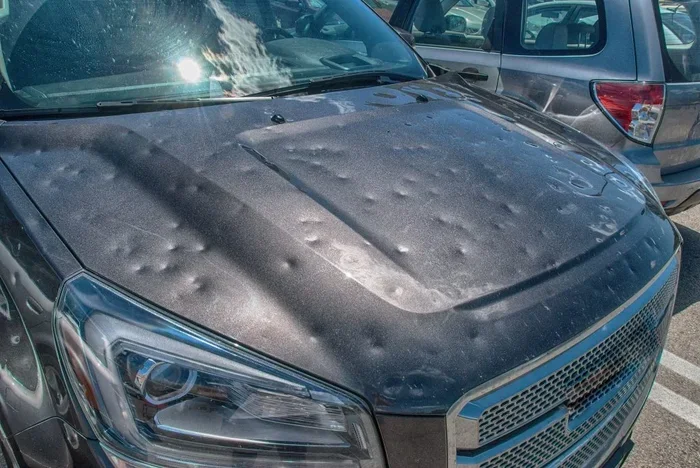
- Hailstorms: Hail can dent every exposed surface on your car and crack windshields.
- Floods: Rising water from heavy rain, rivers, or storm surges can inundate and destroy vehicles.
- Lightning strikes: A direct bolt can fry electrical systems and start fires.
- Earthquakes: Ground shaking can shift parked cars and cause structural damage to buildings that fall on vehicles.
- Wildfires: Flames and smoke can char and total a vehicle.
- Snow and ice storms: Heavy accumulation can collapse roofs onto cars or cause ice damage to glass and body panels.
These events share one thing in common. No person or company caused them. They are forces of nature. That is why they fall under the acts of god umbrella in most insurance policies.
Does Car Insurance Cover Acts of God?
The answer depends entirely on the type of car insurance you carry. Not all policies include acts of god coverage. Some drivers have basic plans that only cover accidents with other cars. Others have broader protection that includes weather-related perils.
Here is the key distinction. Your coverage type determines whether your insurer pays for natural disaster damage. Let us look at the main types of car insurance and how they relate to acts of god events.
Comprehensive Coverage and Acts of God
Comprehensive coverage is the part of your policy that pays for acts of god weather damage. This coverage handles events that are not related to a collision with another vehicle or object. It covers damage from weather, theft, vandalism, falling objects, and animal encounters.
When a storm damages your car, comprehensive coverage is what steps in. It pays for repairs or replacement, minus your deductible. Without comprehensive coverage, your insurer will not pay for any natural disaster damage.
Collision Coverage and Acts of God
Collision coverage does not cover acts of god events. It only pays when your car hits or is hit by another vehicle or object during a collision. If a tree falls on your car during a storm, collision coverage will not apply. Comprehensive coverage will.
However, there is a tricky scenario. If you swerve to avoid a falling branch and crash into a guardrail, collision coverage may apply. That is because the damage comes from the collision, not the tree itself. Understanding this difference matters when you file a claim.
Liability Coverage and Acts of God
Liability coverage pays for damage you cause to other people or their property. It has nothing to do with acts of god weather damage to your own vehicle. If a hailstorm damages your hood, liability coverage will not help. It is designed for situations where you are at fault in an accident.
Comparison Table: Coverage Types and Acts of God
| Coverage Type | Covers Acts of God? | What It Covers |
|---|---|---|
| Comprehensive | Yes | Weather damage, theft, vandalism, falling objects, animal strikes |
| Collision | No | Damage from collisions with vehicles or objects |
| Liability | No | Damage you cause to others and their property |
| Uninsured Motorist | No | Damage from drivers without insurance |
| Gap Insurance | No | Difference between loan balance and actual cash value |
The table makes one thing clear. If you want protection against weather damage, comprehensive coverage is non-negotiable. It is the only standard coverage type that includes acts of god car insurance protection.
Types of Weather Damage Covered by Car Insurance
Not all weather events are treated the same way by insurance companies. Some are straightforward claims. Others require additional coverage or fall into gray areas. Let us explore the most common types of weather damage and how comprehensive policies handle them.
Flood Damage
Flood damage is one of the most common and costly acts of god claims. Heavy rainfall, river overflow, and storm surges can leave vehicles submerged. Comprehensive coverage typically includes flood damage, but there are exceptions.
Some policies in flood-prone areas may exclude water damage or require a separate flood endorsement. If you live in a coastal zone or a low-lying area, check your policy carefully. Standard comprehensive coverage may not be enough on its own.
Hail Damage
Hailstorms are a major source of car insurance claims every year. Hail can cause thousands of dollars in damage to a vehicle’s roof, hood, and trunk. The good news is that comprehensive coverage almost always pays for hail damage.
Hail claims are among the most common weather-related claims. They are also among the fastest to process because the damage is visible and easy to document. Take photos of every dent and cracked glass as soon as it is safe to do so.
Wind and Storm Damage
High winds from hurricanes and severe thunderstorms can turn loose objects into dangerous projectiles. A flying sign, a broken fence, or a tree branch can all cause serious damage to your car. Comprehensive coverage handles wind-related damage.
Wind damage also includes damage from debris. If a storm blows a trash can into your car, your comprehensive coverage should pay for it. The same applies if wind tears a branch off a tree and it lands on your hood.
Lightning and Fire Damage
Lightning strikes are rare but devastating when they happen. A direct strike can destroy a vehicle’s electrical system, engine, and interior. Comprehensive coverage typically pays for lightning damage, including fire damage caused by a strike.
Wildfire damage is another scenario where comprehensive coverage applies. If flames or heavy smoke damage your car, your policy should cover the repairs or total loss payout. Keep in mind that policies in wildfire-prone regions may have specific exclusions or requirements.
Earthquake Damage
Earthquake coverage for vehicles is less common than other types of acts of god protection. Some comprehensive policies include earthquake damage, while others exclude it or require a separate endorsement. If you live in a seismic zone, review your policy with your agent to confirm you have earthquake protection.
When Does Car Insurance NOT Cover Acts of God?
Even with comprehensive coverage, there are situations where your insurer will deny an acts of god claim. Understanding these exclusions helps you avoid surprises and plan ahead.
Excluded Weather Events
Some policies exclude specific natural disasters. Earthquakes, for example, are often excluded from standard comprehensive policies in certain states. Flood damage may also be excluded unless you have a separate flood insurance policy or endorsement.
Always read the fine print of your policy. Know what is covered and what is not. If you live in an area prone to a specific type of natural disaster, ask your insurance agent about adding coverage for that risk.
Wear and Tear vs. Sudden Damage
Insurance companies do not cover gradual damage. If your car’s paint fades from years of sun exposure, that is wear and tear. It is not an act of god. However, if a sudden hailstorm chips the paint and dents the body, that is sudden damage and likely covered.
The line between wear and tear and sudden damage matters. Your insurer will investigate the cause and timing of the damage before approving a claim. Keep maintenance records and document any pre-existing conditions to avoid disputes.
Negligence and Poor Preparation
If you park your car in a known flood zone during a hurricane warning, your insurer may deny the claim. Negligence plays a role in acts of god claims. You have a duty to take reasonable steps to protect your vehicle.
For example, if you leave your car parked under a dead tree during a storm and it falls, the claim might be denied. The insurer could argue you should have moved the car. Always try to park in a safe, covered location during severe weather events.
Missing Comprehensive Coverage
The most common reason for a denied acts of god claim is simple. The driver does not have comprehensive coverage. If you only carry liability and collision, your policy will not pay for weather damage. This is a costly mistake that many drivers make.
Comprehensive coverage is optional in most states, but it is one of the most important add-ons you can purchase. It protects your investment from the unpredictable forces of nature.
How to File an Act of God Insurance Claim
Filing a claim for acts of god weather damage follows a process similar to other insurance claims. But there are specific steps you should take to ensure your claim is approved and processed smoothly.
Step 1: Document the Damage
As soon as it is safe, take photos and videos of all damage. Capture every dent, crack, and scratch. Photograph the surrounding area too. If a tree fell on your car, show the tree and the damage. If floodwater reached your doors, show the water line and the interior damage.
Documenting damage thoroughly gives your insurer clear evidence. It speeds up the claims process and reduces the chance of disputes.
Step 2: Contact Your Insurance Company
Call your insurance provider as soon as possible after the event. Report the damage and start the claims process. Most companies have 24-hour claim hotlines for emergency situations like natural disasters.
Have your policy number, photos, and a detailed description of the event ready. The more information you provide upfront, the faster your claim will move forward.
Step 3: Get an Estimate
Your insurer will likely require a repair estimate from a licensed mechanic or body shop. Get this estimate as soon as possible. Some companies have preferred repair shops, but you usually have the right to choose your own.
The estimate helps your insurer determine the payout amount. If the damage exceeds your car’s actual cash value, you may receive a total loss payout instead of a repair check.
Step 4: Pay Your Deductible
Your comprehensive deductible is the amount you pay out of pocket before your insurance kicks in. Deductibles for comprehensive coverage typically range from $250 to $1,000. Choose a deductible you can afford in an emergency.
A higher deductible means lower monthly premiums. But it also means you pay more when a claim happens. Balance your budget and your risk tolerance when choosing your deductible amount.
Step 5: Wait for the Payout
After your claim is approved, your insurer will issue a payout. This amount is the repair cost minus your deductible. If your car is a total loss, the payout is the actual cash value of the vehicle minus your deductible.
Act of god claims can take longer than standard collision claims. Large-scale weather events often lead to a high volume of claims. Be patient and follow up regularly with your adjuster.
Quick Tips for a Smooth Claim
- File your claim within 24 to 48 hours of the event.
- Keep all receipts for temporary repairs, like a tarp over a broken window.
- Do not start permanent repairs until your adjuster has inspected the vehicle.
- Keep a copy of your policy and all claim correspondence in a safe place.
- If your car is undrivable, ask about rental car coverage or towing benefits.
How to Protect Your Car from Weather Damage
Prevention is always better than filing a claim. While you cannot stop an act of god from happening, you can take steps to reduce the risk of damage to your vehicle.
Park Smart
Where you park matters more than you think. During severe weather forecasts, park your car in a garage or covered parking structure. Avoid parking under trees, near power lines, or in low-lying flood zones.
A simple decision to park in a safer spot can prevent thousands of dollars in damage. It takes two minutes and can save you a major headache.
Invest in a Weather-Appropriate Car Cover
A quality car cover protects against hail, UV rays, tree sap, and light rain. For areas prone to hail, a thick padded cover can reduce dents significantly. For sunny climates, a UV-resistant cover prevents paint fading and interior cracking.
Car covers are a small investment compared to the cost of repairing hail damage or sun-faded paint. Look for covers rated for your specific climate conditions.
Keep Up with Regular Maintenance
A well-maintained car handles weather events better. Keep your windshield wipers in good condition so you can see clearly during storms. Check your tire tread for traction on wet roads. Maintain your brakes for emergency stops.
Regular maintenance also helps your insurer. If a claim arises, they want to see that you took proper care of your vehicle. Neglect can lead to claim denials or reduced payouts.
Consider Additional Coverage
If you live in a high-risk area, ask your insurance agent about additional endorsements. Flood insurance, earthquake coverage, and windstorm endorsements can fill gaps in your standard comprehensive policy.
These add-ons may cost a little extra each month, but they provide valuable peace of mind. When a natural disaster hits, you do not want to discover that your policy has a gap in coverage.
Expert Insight
“Many drivers assume their basic policy covers everything. It does not. Acts of god damage requires comprehensive coverage. Review your policy every year, especially before storm season, and make sure you have the right protection in place.” Sarah Mitchell, Licensed Insurance Agent with 15 years of experience.
Common Mistakes Drivers Make with Acts of God Claims
Avoid these common pitfalls to ensure your claim goes smoothly and you get the payout you deserve.
Waiting Too Long to File
Time is of the essence when filing an insurance claim. Delaying can raise questions about the cause of damage. File as soon as possible after the event, ideally within 24 hours.
Not Reading the Policy
Many drivers never read their full policy. They assume comprehensive coverage means everything. It does not. Read your policy to understand exclusions, limits, and deductible amounts. Know exactly what you are paying for.
Making Repairs Before the Adjuster Visits
Starting permanent repairs before your adjuster inspects the vehicle can lead to a denied claim. Your insurer needs to see the original damage. You can make temporary repairs to prevent further damage, but save all receipts and wait for approval.
Underestimating the Deductible
Some drivers forget about their deductible until the claim is processed. If your deductible is $1,000 and the repair cost is $1,200, you may be better off paying out of pocket. Consider your deductible when deciding whether to file a claim.
Assuming Flood Is Always Covered
Flood damage is one of the most common exclusions in standard comprehensive policies. If you live in a flood zone, verify that your policy includes flood protection. You may need a separate flood insurance policy through the National Flood Insurance Program or a private insurer.
Frequently Asked Questions
What does acts of god mean in car insurance?
In car insurance, acts of god refers to natural disasters and severe weather events that are beyond human control. These include hurricanes, tornadoes, hail, floods, lightning strikes, earthquakes, and wildfires. Most comprehensive car insurance policies cover acts of god weather damage, but you need to check your specific policy for exclusions and limits.
Is comprehensive coverage required to file an act of god claim?
Yes, comprehensive coverage is required to file a claim for acts of god weather damage. Liability and collision coverage do not cover natural disasters. If you do not have comprehensive coverage on your policy, your insurer will not pay for weather-related damage to your vehicle.
Does car insurance cover flood damage from storms?
Comprehensive coverage typically covers flood damage from storms. However, some policies exclude flood damage or require a separate flood endorsement. If you live in a flood-prone area, verify that your policy includes flood protection or consider purchasing a separate flood insurance policy.
How long does it take to process an act of god insurance claim?
Act of god claims can take longer than standard collision claims, especially after large-scale weather events. Processing times vary depending on the severity of the disaster, the volume of claims, and your insurance company. Most claims are resolved within two to four weeks, but major disasters can extend timelines to several months.
Will my insurance rates go up after an act of god claim?
Generally, acts of god claims do not raise your insurance rates. These claims are not considered at-fault incidents. However, if you file multiple claims in a short period, your rates may increase. Check with your specific insurance company to understand their rate policies for weather-related claims.
What should I do immediately after weather damage to my car?
First, ensure your safety and move your vehicle to a secure location if possible. Take detailed photos and videos of all damage. Contact your insurance company to report the claim and get a claim number. Do not make permanent repairs until your adjuster has inspected the vehicle. Keep all receipts for any temporary repairs you make.
Final Thoughts
So, does car insurance cover acts of god weather damage? The answer is yes, as long as you have comprehensive coverage on your policy. This coverage type is specifically designed to protect your vehicle from natural disasters and severe weather events that are beyond your control.
Understanding how acts of god car insurance works empowers you as a driver. You know what to look for in a policy. You know what to do when disaster strikes. And you know how to file a claim that gets results.
Take the time to review your policy today. Make sure you have comprehensive coverage with appropriate limits and a deductible you can afford. Consider additional endorsements if you live in a high-risk area. A few minutes of preparation now can save you from financial stress later.
Nature is unpredictable. Storms happen. Floods come. Hail falls. But with the right car insurance in place, you can face these events with confidence. Your vehicle is protected, and you are not left paying for acts of god damage out of your own pocket.