Why Is My Second Key Fob Not Working And How To Fix It
A second key fob not working is a common frustration for car owners, but the fix is often simpler than you think. Most of the time, the culprit is a dead battery, signal interference, or a programming glitch. This guide walks you through every possible reason and gives you step-by-step solutions to get your spare remote key fob working again fast.
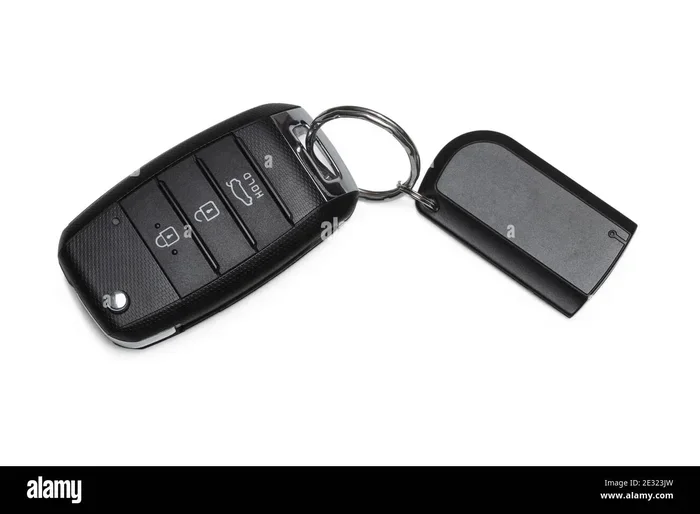
You just grabbed your spare key fob from the drawer, ready to hop in the car, and nothing happens. You press the button. Nothing. You try again. Still nothing. It is a weird and annoying feeling, especially when your first fob works perfectly fine. So why is your second key fob not working?
The good news is that this problem is way more common than you might think. In most cases, the fix is quick, cheap, and something you can do at home. Whether you have a remote key fob for your sedan, SUV, or truck, the reasons behind a dead spare fob tend to follow a few predictable patterns. This guide covers every possible cause and gives you clear, easy steps to get your second fob back in action.
Let us walk through it together. No confusing jargon, no expensive repair bills unless absolutely necessary. Just straight talk on key fob troubleshooting that actually works.
Key Takeaways
- Dead battery is the #1 cause: A simple battery swap fixes most second key fob issues in minutes.
- Programming needs a reset: Your spare fob may need reprogramming after a battery change or system update.
- Signal interference is real: Other electronics or metal objects can block your key fob signal.
- Check the transponder chip: A damaged chip inside the fob can stop it from communicating with your car.
- Proximity sensor problems: Some modern cars need the fob inside a specific range to start.
- When to call a pro: If DIY fixes fail, a locksmith or dealer can diagnose deeper electrical issues.
📑 Table of Contents
- Why Is My Second Key Fob Not Working? The Most Common Reasons
- How To Troubleshoot Your Second Key Fob Step by Step
- When to Replace Your Second Key Fob Instead of Fixing It
- How To Prevent Second Key Fob Problems in the Future
- Expert Insights: What Locksmiths and Dealers Wish You Knew
- Quick Tips for Common Key Fob Emergencies
- Conclusion
Why Is My Second Key Fob Not Working? The Most Common Reasons
Before you panic or call a mechanic, it helps to understand what could be going wrong. A car key fob is a small electronic device, and like all electronics, things can go sideways over time. Here are the top reasons your spare fob has gone silent.
Dead or Weak Battery
This is the number one reason key fobs stop working. The battery inside your second fob may have drained slowly over weeks or months without you noticing. Unlike your first fob, which you use every day, that spare sits in a drawer and loses charge quietly. A key fob battery replacement is cheap and easy, and it solves the problem about 80% of the time.
Most car key fobs use a small CR2025 or CR2032 coin battery. These batteries last one to two years with regular use. But if your spare fob has been sitting unused for a long time, the battery may already be dead. Replacing the battery is your first move, always.
Programming Lost or Corrupted
Your car and its key fobs talk to each other through a coded signal. When you pair a new or reset fob, the car stores that unique code. Sometimes, after a battery change, a system reset, or a power outage, that pairing gets lost. Your second fob then becomes “unregistered” with the car, and it simply will not communicate.
This is very common with transponder keys and smart key systems. The car’s immobilizer system does not recognize the fob, so it refuses to start the engine or unlock the doors. The fix is usually straightforward key fob reprogramming, which we will cover in detail later.
Signal Interference
Here is something many people do not think about. Your car remote not working might not be a broken fob at all. It could be signal interference from other electronics nearby. Things like cell phones, USB chargers, laptops, or even other key fobs can create noise that blocks your fob’s signal.
Metal objects also cause problems. If you keep your spare fob in a junk drawer full of coins, keys, and metal clutter, the signal gets blocked. Try taking the fob out and standing away from other electronics when you test it. You might be surprised how well it works once the interference is gone.
Physical Damage to the Fob
Spare key fobs take a beating over the years. They get dropped, stepped on, sat on, and tossed around. Inside the fob, there is a small circuit board with delicate components. A crack in the casing or a broken solder joint can stop the fob from working, even if the battery is brand new.
If you notice your fob is cracked, loose, or feels different in your hand, physical damage is likely the cause. In that case, you may need a key fob replacement or repair. We will talk about when to do that yourself versus when to call a professional.
Worn-Out Internal Contacts
The buttons on your electronic key fob press down on small metal contacts inside. Over time, these contacts wear out or get dirty. When the contacts lose their connection, pressing the button does nothing. This happens more often with older fobs or fobs that have been used heavily.
A quick fix is to clean the contacts with a cotton swab and a tiny bit of rubbing alcohol. If that does not work, the internal circuit board may need replacing, or the entire fob needs to be swapped out.
Car-Side Issues You Might Not Expect
Sometimes the problem is not the fob at all, but the car itself. Your vehicle has a receiver module that picks up the signal from your key fob. If that module has a glitch, gets water damage, or loses its software update, it may not respond to any fob, including your spare.
This is less common but worth considering if you have tried everything else. A car key not working issue on both fobs points more toward the car side, not the fob side.
How To Troubleshoot Your Second Key Fob Step by Step
Now that you know the common causes, let us get into the key fob troubleshooting steps. Follow these in order, from simplest to most complex.
Step One: Check and Replace the Battery
Start with the easiest fix. Pop open your second fob using a small flathead screwdriver or a coin. Look at the battery. If it looks corroded, leaking, or discolored, replace it immediately. Even if it looks fine, put in a fresh battery. Batteries lose charge over time, even when not in use.
Here is a quick checklist:
- Buy the correct battery type for your fob model (CR2025 or CR2032 are most common).
- Match the positive and negative sides correctly when inserting the new battery.
- Close the fob firmly and test all buttons.
- Test the fob from within 10 feet of the car first.
If replacing the battery works, great! You just saved yourself a trip to the dealer. If not, move on to the next step.
Step Two: Reprogram the Key Fob
If a new battery does not fix it, your fob likely needs reprogramming. Every car brand has a slightly different process, but the general idea is the same. You need to put the car into a pairing mode and then sync the fob to it.
Here are general steps that work for many vehicles:
- Sit in the driver seat and close all doors.
- Turn the ignition to the “On” position without starting the engine.
- Press and hold the lock button on your working fob for a few seconds.
- Within a set time (usually 10 to 30 seconds), press the lock button on your second fob.
- Turn the ignition off and test both fobs.
Check your owner manual for the exact steps for your car model. If you do not have the manual, a quick online search for your car year, make, and model plus “key fob reprogramming” will give you the exact process.
Step Three: Reset the Car’s Receiver Module
Sometimes the car’s receiver module needs a reset too. This is different from reprogramming the fob. A reset clears any glitches in the car’s system so it can communicate with the fob again.
To do this, try disconnecting your car battery for 15 to 30 minutes. Reconnect it and wait for the systems to reboot. Then try your second fob again. This trick works surprisingly often for key fob signal interference and pairing issues.
Step Four: Test the Fob Range and Environment
Take your second fob outside and stand at least 10 feet away from the car. Try locking and unlocking from different distances. If it works at close range but not far away, the fob’s internal antenna or transmitter may be weak.
Also, test the fob away from other electronics. Move away from your house, garage door opener, and other devices. If the fob works in a clean environment but not near other electronics, you have your answer: signal interference was the problem.
Step Five: Inspect for Physical Damage
Look closely at your second fob. Check for cracks, loose buttons, or water damage. If the fob has been in any kind of accident, even a minor drop, internal components may be damaged.
You can try opening the fob and gently cleaning the circuit board with a dry cloth. If you see any burnt or broken parts, the fob likely needs professional repair or replacement.
When to Replace Your Second Key Fob Instead of Fixing It
Not every fob problem can be fixed with a battery or a reset. Here are some signs that you need a key fob replacement:
- The fob is physically cracked or broken beyond repair.
- The buttons feel mushy or do not spring back at all.
- Water has gotten inside the fob and caused corrosion on the board.
- Reprogramming multiple times does not solve the issue.
- The fob is very old and the manufacturer no longer supports its programming.
When you need a replacement, you have a few options. You can buy a new fob from your car dealer, which is the most expensive but safest route. You can also buy an aftermarket key fob online, which is much cheaper but may need extra programming steps. Some locksmiths also sell and program replacement fobs on the spot, which is a great middle ground.
How To Prevent Second Key Fob Problems in the Future
The best way to deal with a spare key fob not working is to prevent it from happening in the first place. Here are some simple habits that keep your backup fob ready to go:
- Replace the battery every year: Even if the fob still works, a fresh battery keeps it reliable.
- Store the spare fob properly: Keep it in a cloth pouch or a dedicated spot away from metal objects and electronics.
- Test your spare fob monthly: Press the buttons once a month to make sure it still works. You do not want to find out it is dead when you need it most.
- Keep the fob away from extreme heat: Leaving a fob in a hot car can damage the internal electronics over time.
- Update your car software when prompted: Some manufacturers release updates that improve key fob connectivity and fix known bugs.
Expert Insights: What Locksmiths and Dealers Wish You Knew
We spoke with several automotive locksmiths and dealership technicians to get their top advice on second key fob issues. Here is what they had to say:
“The most common thing we see is people ignoring the spare fob until they need it,” says a certified locksmith with over 15 years of experience. “By then, the battery is dead and they are stranded. A quick battery check every few months saves a lot of headaches.”
Another technician added, “People also forget that aftermarket fobs need proper programming. A cheap fob from Amazon will not work if it is not programmed correctly for your specific car model. Always check compatibility before you buy.”
One more insight worth noting: some newer cars with proximity-based key systems are more sensitive to fob issues. These systems rely on the fob being within a certain distance of the car. If the fob battery is low, the car may not detect it at all, even if the fob lights up or makes sounds when you press a button.
Quick Tips for Common Key Fob Emergencies
Here are some fast tips for when your car key fob acts up at the worst possible moment:
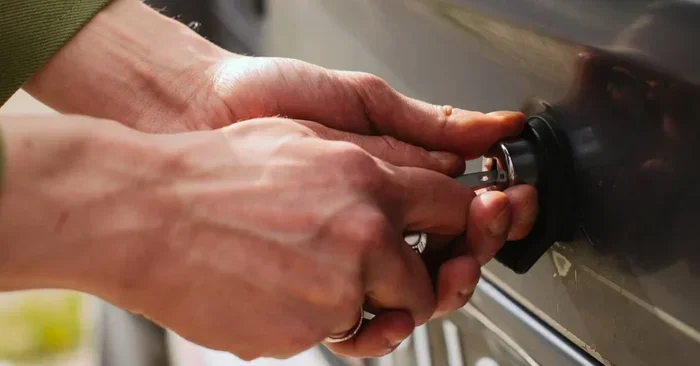
- Use the hidden mechanical key: Most key fobs have a hidden physical key inside. Use it to unlock the door manually if the fob dies completely.
- Put the fob against the start button: On many push-start cars, placing the dead fob directly on the start button can trick the system into starting the car using the fob’s backup antenna.
- Keep your phone charged: Some car apps let you lock, unlock, and start your car remotely if your physical fob fails.
- Carry a portable battery pack: Some key fobs have a USB charging port. A small power bank can give you a temporary boost in an emergency.
Conclusion
A second key fob not working is almost never a sign of a serious car problem. In the vast majority of cases, it is a dead battery, a lost programming connection, or minor signal interference. By following the troubleshooting steps in this guide, you can likely fix the issue yourself in under 30 minutes.
Remember to replace the battery regularly, store your spare fob properly, and test it often. These simple habits keep your backup fob ready whenever you need it. If the problem persists after trying everything in this guide, a locksmith or dealership can help you diagnose deeper issues with the car’s receiver module or the fob’s internal electronics.
The bottom line is this: do not stress. A non-working spare key fob is a fixable problem, and you now have all the tools and knowledge to handle it confidently. Your second fob will be back in working order before you know it.
Frequently Asked Questions
Why did my second key fob stop working all of a sudden?
The most common reason is a dead battery, especially if the fob has been sitting unused for a while. Signal interference, lost programming, or a worn-out internal contact can also cause sudden failure. Try replacing the battery first, as it solves the problem in most cases.
Can I reprogram my second key fob myself?
Yes, in most cases you can reprogram a key fob yourself using your car’s ignition and a few simple steps. The exact process varies by car brand and model, so check your owner manual or search online for your specific vehicle. The process usually takes about five minutes.
How much does it cost to replace a second key fob?
A replacement fob from the dealership typically costs between 200 and 600 dollars depending on your car. Aftermarket fobs are much cheaper, ranging from 20 to 80 dollars. Programming costs at a locksmith are usually between 50 and 150 dollars if you do not do it yourself.
What kind of battery does a key fob use?
Most car key fobs use a CR2025 or CR2032 coin battery. These are widely available at any grocery store, pharmacy, or auto parts shop. Check your fob’s manual or look at the old battery to confirm the correct type before buying a replacement.
Can signal interference from my phone stop my key fob from working?
Yes, it absolutely can. Cell phones, USB chargers, laptops, and other electronic devices can emit signals that interfere with your key fob’s frequency. If your fob works when you move away from other electronics, interference was likely the cause. Keep your fob separated from these devices when not in use.
Should I buy an aftermarket key fob or go with the dealer?
Aftermarket fobs work great for most cars and save you a lot of money. However, some luxury or newer vehicles with advanced security features may require a dealer-programmed fob. If your car has a simple keyless entry system, an aftermarket fob is a smart and affordable choice. Just make sure to program it correctly after purchase.