How Much Oil Does My Engine Take Learn the Exact Amount
Knowing how much oil does my engine take is one of the most important skills every car owner should have. The right oil amount keeps your engine running smooth, cool, and protected from wear. This guide walks you through finding your exact oil capacity, checking levels, and avoiding costly mistakes.
Have you ever popped the hood of your car and wondered, “how much oil does my engine take?” It is a simple question, but the answer matters a lot. Too little oil and your engine parts grind against each other. Too much oil and you risk foaming, leaks, and even engine damage.
Whether you are a first-time car owner or a seasoned driver, understanding your engine oil capacity is essential. This guide breaks everything down in plain language. You will learn how to find the exact amount your engine needs, how to check your current level, and what to do if something goes wrong.
We will also cover common mistakes, expert tips, and frequently asked questions. By the end, you will feel confident about managing your engine oil like a pro. Let us get started.
Key Takeaways
- Check your owner’s manual: It is the most reliable source for your engine oil capacity.
- Use the dipstick: It is the easiest way to verify your current oil level at home.
- Overfilling is just as bad as underfilling: Too much oil can damage seals and cause engine problems.
- Oil capacity varies by engine: A small four-cylinder takes far less oil than a large V8.
- Always replace the oil filter: A fresh filter ensures clean oil flows through your engine.
- Synthetic and conventional oils differ: Choose the right type based on your vehicle and driving conditions.
📑 Table of Contents
- Understanding Your Engine Oil Capacity
- How to Find the Exact Oil Amount for Your Vehicle
- Step-by-Step: Checking and Adding Engine Oil
- Common Oil Capacity by Engine Type
- What Happens When You Overfill or Underfill Your Engine
- Tips for Maintaining the Perfect Oil Level
- Expert Insights on Engine Oil Capacity
- Key Takeaways
- Conclusion
Understanding Your Engine Oil Capacity
Every engine has a specific oil capacity. This is the total volume of oil the crankcase can hold when the oil filter is also filled. The capacity is measured in quarts or liters. It varies widely depending on the engine size, design, and vehicle model.
Your engine oil capacity is not a random number. Engineers calculate it carefully based on the crankcase volume, oil passages, and filter size. Using the wrong amount can lead to poor lubrication, overheating, or increased wear over time.
Why Oil Capacity Matters
The oil in your engine does several critical jobs. It lubricates moving parts, reduces friction, cools hot components, and carries away contaminants. If you do not have enough oil, these jobs suffer. If you have too much, the crankshaft can whip the oil into a foam, which reduces its ability to protect your engine.
Here is a quick look at why getting the oil capacity right matters so much:
- Proper lubrication: Every bearing, camshaft, and piston ring needs a thin film of oil between them.
- Heat dissipation: Oil absorbs heat from combustion chambers and transfers it away.
- Cleanliness: Fresh oil picks up metal particles and sludge, keeping internal surfaces clean.
- Seal protection: Oil conditions rubber seals and gaskets, preventing leaks.
How to Find the Exact Oil Amount for Your Vehicle
Finding the correct oil capacity for your engine is easier than you might think. There are several reliable sources you can use right now, even without a mechanic.
Your Owner’s Manual Is Your Best Friend
The owner’s manual that came with your vehicle is the gold standard. It lists the exact oil capacity, recommended oil type, and viscosity grade. Look for a section called “Capacities and Specifications” or “Lubrication System.”
If you lost your manual, do not worry. Most manufacturers publish digital versions on their websites. Just search for your vehicle year, make, and model, and you will find a downloadable PDF.
Check the Oil Fill Cap
Pop your hood and look at the oil fill cap. Many caps have the oil capacity printed right on them. You might see something like “5W-30, 5QT” which tells you both the oil type and the capacity.
This is a quick and easy way to get a ballpark number. However, always cross-reference with your owner’s manual for the most accurate figure.
Online Oil Capacity Charts
There are many free online resources where you can look up your engine oil capacity by vehicle. Websites like the manufacturer’s site, auto parts retailers, and car forums often have detailed charts. Just enter your vehicle information and the chart will show you the oil capacity and filter details.
Here are some trusted sources to check:
- Manufacturer websites: Most brands offer a “Vehicle Resources” section.
- Auto parts stores: Stores like AutoZone and O’Reilly have online lookup tools.
- Repair databases: Sites like ALLDATA provide detailed specifications.
Step-by-Step: Checking and Adding Engine Oil
Now that you know your engine oil capacity, let us walk through the process of checking and adding oil. This is a simple task you can do at home with basic tools.
Step 1: Park on a Level Surface
First, make sure your car is parked on a flat, level surface. If the ground is sloped, your dipstick reading will be inaccurate. Turn off the engine and wait at least five to ten minutes for the oil to settle back into the oil pan.
Step 2: Locate the Dipstick
Open the hood and find the dipstick. It usually has a brightly colored handle, often yellow or orange. Pull it out, wipe it clean with a rag or paper towel, and then push it all the way back in.
Now pull it out again and look at the oil level. The dipstick has two marks, usually lines or holes, that indicate the minimum and maximum levels. Your oil should fall between these two marks.
Step 3: Add Oil If Needed
If the oil level is low, you will need to add more. Here is how:
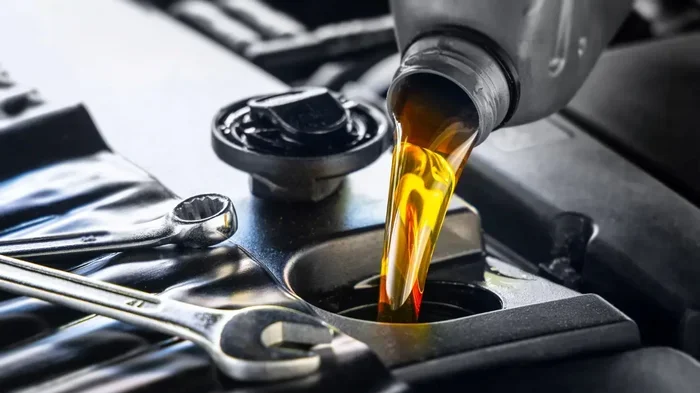
- Find the oil fill cap on top of the engine. It usually has an oil can symbol.
- Remove the cap and insert a funnel into the opening.
- Add a small amount of oil. Wait a minute for it to drain down.
- Recheck the dipstick to see if the level is now in the safe range.
- Repeat until the oil reaches the full mark.
Quick Tip: Always add oil in small increments. Pouring too much at once is the fastest way to overfill your engine. It is much easier to add more than to drain excess oil out.
Step 4: Replace the Oil Fill Cap
Once the oil level is correct, put the fill cap back on tightly. Wipe up any spills and close the hood. Dispose of the used oil and filter properly at a recycling center or auto parts store.
How to Know When to Change Your Oil
Checking oil levels is not the same as changing your oil. Over time, oil breaks down and loses its effectiveness. Most vehicles need an oil change every 5,000 to 7,500 miles for conventional oil, or every 10,000 to 15,000 miles for synthetic oil.
Check your owner’s manual for the recommended oil change interval. Signs that your oil needs changing include dark or gritty oil, a burning oil smell, or the oil pressure warning light on your dashboard.
Common Oil Capacity by Engine Type
Oil capacity varies a lot depending on the type of engine you have. Here is a general breakdown to give you a sense of what to expect.
Small Four-Cylinder Engines
Compact cars and sedans with small four-cylinder engines typically take between 3.5 and 5 quarts of oil. These engines have smaller crankcases and oil passages, so they need less oil overall. Examples include the Honda Civic, Toyota Corolla, and Ford Focus.
Medium Six-Cylinder Engines
V6 engines found in mid-size cars and trucks usually require 5 to 7 quarts. The extra cylinders mean more internal components that need lubrication. Popular V6 engines include the Ford EcoBoost 3.5L and the Chevrolet 3.6L.
Large Eight-Cylinder Engines
V8 engines in trucks, SUVs, and performance cars can take anywhere from 6 to 8 quarts or more. These large engines have bigger crankcases and more oil galleries. Think of trucks like the Ford F-150 with a 5.0L V8 or the Chevrolet Silverado with a 6.2L engine.
Diesel Engines
Diesel engines generally hold more oil than gasoline engines of the same size. They operate at higher pressures and temperatures, so they need a larger oil volume for cooling and filtration. A typical diesel pickup truck can take 10 to 15 quarts.
What Happens When You Overfill or Underfill Your Engine
Getting the oil amount wrong can cause real problems. Both overfilling and underfill have serious consequences for your engine.
Signs of Low Oil Level
An underfilled engine will show warning signs early if you pay attention. Look for these symptoms:
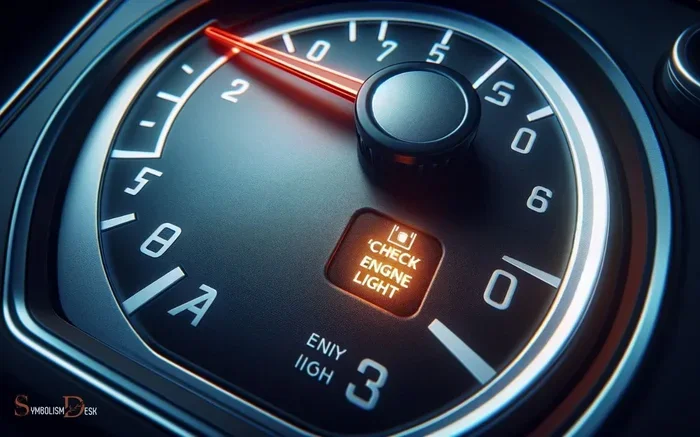
- Oil pressure warning light: This is the most obvious sign. Your dashboard will show a red or yellow oil can icon.
- Engine knocking or ticking: Insufficient oil means metal parts are contacting without proper lubrication.
- Overheating: Oil helps cool the engine. Low oil means less heat absorption.
- Reduced fuel economy: A poorly lubricated engine works harder and uses more fuel.
If you notice any of these signs, check your oil level immediately. Driving with low oil can destroy your engine within minutes.
Signs of Overfilled Oil
Overfilling is just as dangerous, though the symptoms are different:
- Blue or white exhaust smoke: Excess oil gets pulled into the combustion chamber and burns.
- Oil leaks: Too much oil creates pressure that can push past seals and gaskets.
- Foamy oil: The crankshaft churns the excess oil into a foam, which cannot lubricate properly.
- Engine stalling: In severe cases, foamy oil can clog oil passages and starve the engine.
If you accidentally overfill, do not ignore it. You can either drain the excess oil or have a mechanic do it for you. The fix is simple, but leaving it unresolved can lead to expensive repairs.
Tips for Maintaining the Perfect Oil Level
Keeping your engine oil at the right level is part of routine engine maintenance. Here are some practical tips to help you stay on track.
Check Your Oil Regularly
Make it a habit to check your oil level at least once a month. It takes less than five minutes and can save you from major engine problems. The best time to check is when the engine is cool and the car is on a level surface.
Use the Right Oil Type
Not all engine oil is the same. The two main types are conventional oil and synthetic oil. Conventional oil is refined from crude oil and is more affordable. Synthetic oil is chemically engineered for better performance, longer life, and improved protection in extreme temperatures.
Always use the oil type and viscosity recommended by your vehicle manufacturer. The viscosity grade, such as 5W-30 or 10W-40, tells you how the oil flows at different temperatures. Using the wrong viscosity can affect lubrication and fuel economy.
Replace Your Oil Filter Every Time
When you change your oil, always replace the oil filter too. The filter traps contaminants and keeps your oil clean. A clogged or old filter reduces oil flow and can cause premature engine wear.
Keep an Oil Log
Track your oil changes, oil type, and oil capacity in a simple notebook or phone app. This helps you stay organized and gives you a record to share with your mechanic if anything goes wrong.
Watch for Oil Consumption
Some engines burn oil more than others. If you find yourself adding oil between changes, your engine may have a higher oil consumption rate. This is common in older vehicles and high-performance engines. However, excessive oil consumption can signal worn piston rings or valve seals that need attention.
Expert Insights on Engine Oil Capacity
We spoke with certified mechanics about the most common oil capacity questions they hear. Here is what the experts want you to know.
Always measure from a cold engine. Warm oil is thinner and can give you a false reading on the dipstick. Wait at least ten minutes after turning off the engine before you check the level.
The oil filter adds to the total capacity. When you are calculating how much oil your engine takes, remember that a new oil filter holds about half a quart. This is why the oil capacity listed by the manufacturer includes the filter.
Do not mix oil types. Combining conventional and synthetic oil is not dangerous, but it reduces the benefits of synthetic oil. Stick with one type for the best results.
Aftermarket oil additives are usually unnecessary. Most modern oils already contain the additives they need. Adding extra chemicals can sometimes do more harm than good.
Key Takeaways
- Check your owner’s manual: It is the most reliable source for your engine oil capacity.
- Use the dipstick: It is the easiest way to verify your current oil level at home.
- Overfilling is just as bad as underfilling: Too much oil can damage seals and cause engine problems.
- Oil capacity varies by engine: A small four-cylinder takes far less oil than a large V8.
- Always replace the oil filter: A fresh filter ensures clean oil flows through your engine.
- Synthetic and conventional oils differ: Choose the right type based on your vehicle and driving conditions.
Conclusion
So, how much oil does my engine take? The answer depends on your specific vehicle and engine. The best way to find out is to consult your owner’s manual, check the oil fill cap, or use an online capacity chart. Once you know the exact amount, you can confidently maintain your engine oil at the right level.
Regular oil checks and timely oil changes are the foundation of good engine maintenance. They keep your engine running smoothly, improve fuel economy, and extend the life of your vehicle. A few minutes of attention now can save you thousands of dollars in repairs later.
Take charge of your engine health today. Check your oil level this week, make sure you are using the right type and amount, and keep up with your oil change schedule. Your engine will thank you for it.
Frequently Asked Questions
How do I know if my engine has the right oil level?
The dipstick is your best tool for checking oil level. Pull it out, wipe it clean, reinsert it fully, and pull it out again. The oil should fall between the minimum and maximum marks. If it is below the minimum mark, add oil in small amounts until it reaches the correct range.
Can I use a different oil type than what my manufacturer recommends?
It is always best to use the oil type and viscosity specified in your owner’s manual. Switching oil types occasionally is not harmful, but consistently using the wrong oil can reduce engine protection and void your warranty. Stick with what the manufacturer recommends for optimal performance.
How often should I check my engine oil level?
You should check your oil level at least once a month. It is also a good idea to check before long road trips. Make it part of your routine vehicle maintenance so you never have to worry about running low.
What happens if I put too much oil in my engine?
Overfilling causes excess oil to get whipped into a foam by the crankshaft. Foam cannot lubricate properly and can lead to increased engine wear. It can also cause oil leaks, blue exhaust smoke, and in severe cases, engine stalling. If you overfill, have the excess oil drained promptly.
Does the oil filter count toward the total oil capacity?
Yes, it does. The total oil capacity listed by manufacturers includes the oil filter. A new oil filter typically holds about half a quart of oil. Always factor this in when you are measuring how much oil to add after an oil change.
Is synthetic oil better than conventional oil for oil capacity?
Synthetic oil offers better performance and protection, but it does not change your engine’s oil capacity. The amount of oil your engine holds remains the same regardless of oil type. Synthetic oil simply lasts longer and performs better under extreme temperatures and heavy loads.