How Many Miles Do You Have to Drive After OBD Reset
After an OBD reset, most vehicles need between 50 and 100 miles of driving to fully complete the drive cycle and clear all fault codes. The exact number of miles you have to drive after OBD reset depends on your car’s make, model, the type of codes cleared, and your driving conditions. This guide breaks down everything you need to know so you can complete the process correctly and avoid common mistakes.
Have you ever cleared a check engine light and then wondered exactly how many miles you need to drive before your car’s computer fully resets?
This is one of the most common questions car owners ask after performing an OBD reset. Whether you just fixed a problem, cleared fault codes, or did a full ECU reset, the miles you drive afterward really do matter.
The short answer is that most vehicles need between 50 and 100 miles of driving after an OBD reset. However, the exact number depends on your car’s make, model, and the type of codes you cleared. In this guide, we will walk you through everything you need to know about how many miles you have to drive after OBD reset, including what a drive cycle is, what factors change the mileage needed, and how to avoid common mistakes that trip people up.
By the end of this article, you will feel confident about completing your drive cycle correctly the first time. You will also understand why patience matters and how to keep your vehicle maintenance on track.
Key Takeaways
- Drive 50 to 100 miles after an OBD reset: Most vehicles need this distance to complete their full drive cycle and reset all readiness monitors.
- A drive cycle is a specific driving pattern: It includes cold starts, highway driving, idle periods, and varied speeds to test all emissions systems.
- Your vehicle type matters: Different makes and models require different drive cycle lengths and conditions.
- Rushing the process causes problems: Driving too short a distance or in the wrong conditions will leave readiness monitors incomplete.
- Always fix the root problem first: Clearing codes without repairing the issue will just trigger the check engine light again.
- Readiness monitors must all show “ready”: This is essential for passing an emissions test or smog check after a reset.
📑 Table of Contents
- What Is an OBD Reset and Why Do People Do It?
- How Many Miles Do You Have to Drive After OBD Reset?
- Understanding the Drive Cycle Process
- Factors That Affect How Many Miles You Need to Drive
- Common Mistakes After an OBD Reset
- Tips for a Successful OBD Reset Drive Cycle
- Frequently Asked Questions About OBD Resets and Mileage
- Final Thoughts on Driving Miles After an OBD Reset
What Is an OBD Reset and Why Do People Do It?
Before we answer the big question about mileage, let us first understand what an OBD reset actually is. OBD stands for On-Board Diagnostics. Every car sold in the United States since 1996 comes with an OBD-II system. This system monitors your engine, fuel system, emissions controls, and many other components. When something goes wrong, the system stores a diagnostic trouble code and lights up your dashboard.
What Does OBD Stand For?
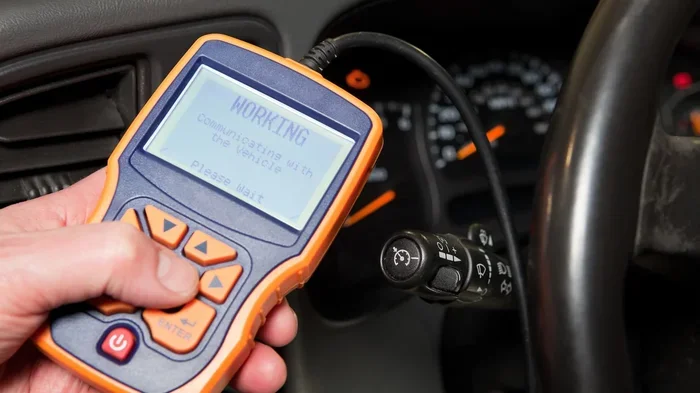
OBD stands for On-Board Diagnostics. The OBD-II system is a standardized computer system that watches over your car’s engine and emissions controls. It uses sensors throughout the vehicle to detect problems. When it finds an issue, it saves a fault code and triggers the check engine light. You can read these codes using an OBD scanner, which plugs into the OBD-II port usually found under your dashboard.
Why Do People Reset Their OBD System?
There are several reasons car owners perform an engine light reset. Some people clear codes after fixing a problem. They want to see if the repair worked. Others reset the system during car diagnostics to get a fresh start. Sometimes a mechanic needs to clear codes after replacing a part like an oxygen sensor or a catalytic converter. And some people reset the system before an emissions test or smog check to see if the vehicle passes.
No matter the reason, one thing is the same. After you clear the codes, your car needs time and miles to relearn everything. The readiness monitors inside the powertrain control module need to run through their tests. This is where the mileage question comes in.
How Many Miles Do You Have to Drive After OBD Reset?
The Short Answer
For most cars, you need to drive between 50 and 100 miles after an OBD reset. This distance gives the drive cycle enough time to run and allow all readiness monitors to complete their self-tests. But “50 to 100 miles” is a general range. The real answer depends on several factors we will cover below.
The Longer Answer
The number of miles you have to drive after OBD reset varies based on your specific vehicle. Some cars complete their full drive cycle in as few as 30 miles. Others may need 150 miles or more. Here are some general guidelines based on vehicle type:
- Compact cars and sedans: Usually need 50 to 80 miles.
- Trucks and SUVs: Often need 70 to 120 miles.
- Luxury and European vehicles: May require 100 miles or more due to complex systems.
- Hybrid and electric vehicles: Follow different patterns because of their unique powertrain setups.
The key point is this. You cannot just drive 10 miles and assume everything is reset. The drive cycle must fully complete for all readiness monitors to show a “ready” status. If they do not, your car may fail an emissions test.
Understanding the Drive Cycle Process
What Is a Drive Cycle?
A drive cycle is a specific set of driving conditions designed to test every emissions-related system in your vehicle. It is not just about putting miles on the odometer. The drive cycle includes cold starts, highway driving, idle periods, and stops. Each phase tests a different part of your car’s fuel system, oxygen sensor, catalytic converter, and misfire detection systems.
Think of it like a health checkup for your car. The powertrain control module runs through a series of tests during the drive cycle. Each test checks a different component. Only when all tests pass do the readiness monitors switch to “ready.”
How Does a Drive Cycle Work?
A typical drive cycle follows this general pattern:
- Cold start: You start the engine when it is cold. This tests the fuel system and fuel trim values.
- Idle period: The engine runs at a stop. This checks idle speed control and oxygen sensor response.
- Low-speed driving: You drive at moderate speeds in the city. This tests misfire detection and fuel trim adjustments.
- Highway driving: You drive at steady highway speeds. This tests the catalytic converter efficiency and oxygen sensor performance.
- Cool-down period: You turn off the engine after highway driving. This final phase checks for any stored fault codes.
Each phase must be completed in the right order and under the right conditions. Simply driving around town will not always trigger all the phases. This is why many people wonder why their check engine light comes back on even after they drove for a while.
Factors That Affect How Many Miles You Need to Drive
Vehicle Make and Model
Different cars have different drive cycle requirements. A Toyota Camry and a BMW X5 will not need the same number of miles. European vehicles often have more complex diagnostic trouble codes and longer drive cycles. Asian vehicles tend to have shorter, more straightforward cycles. Always check your owner’s manual or search for your specific model’s drive cycle requirements.
The Type of Fault Code Cleared
Not all fault codes are the same. Some codes relate to minor issues like a loose gas cap. Others relate to serious problems like a failing catalytic converter. The type of code you cleared affects how long the readiness monitors need to run. A minor code may only require a short drive cycle. A major code may trigger extended monitoring that takes more miles to complete.
Driving Conditions and Habits
How you drive matters a lot. If you only drive in stop-and-go traffic, you may not complete the highway portion of the drive cycle. If you only drive short trips, the engine may never reach the right operating temperature. Both situations can leave readiness monitors incomplete, meaning you still need more miles.
Here are some tips for ensuring your driving conditions support a full drive cycle:
- Include both city and highway driving in your trips.
- Let the engine warm up fully before driving hard.
- Avoid excessive idling for long periods.
- Drive at steady speeds when possible.
- Complete at least one full cold start during the process.
Common Mistakes After an OBD Reset
Rushing the Drive Cycle
The biggest mistake people make is rushing. They clear the codes, drive five miles to the store, and assume everything is fine. It is not. The readiness monitors need time and specific conditions to complete their tests. Rushing the process often leads to the check engine light coming back on or failing an emissions test weeks later.
Ignoring the Root Problem
Another common mistake is clearing codes without fixing the actual problem. An OBD reset does not fix anything. It only clears the stored data. If the underlying issue is still there, the diagnostic trouble codes will come right back. Always diagnose and repair the problem first. Then clear the codes and complete the drive cycle.
Not Checking Readiness Monitors
After you finish your drive cycle, you should check your readiness monitors with an OBD scanner. If any monitor still shows “not ready,” you need to keep driving. Do not assume that because the check engine light is off that everything is complete. The readiness monitors tell the full story.
Tips for a Successful OBD Reset Drive Cycle
Follow the Right Route
Plan your post-reset driving carefully. Include a mix of city streets and highways. A good approach is to drive 20 miles on city roads, then 30 miles on the highway, then return home on city roads. This combination covers most of the drive cycle phases in one trip.
Use the Right Speed and Temperature
Your engine needs to reach normal operating temperature for the drive cycle to work properly. In cold weather, this may take longer. Try to drive during mild weather when possible. Keep your speed between 30 and 60 mph during city driving and between 50 and 70 mph on the highway. These ranges help trigger the right sensor responses.
Be Patient and Let the System Do Its Work
Patience is the most important tip of all. Do not keep plugging in your OBD scanner to check if the codes are gone. Let the system run its course. Give it the miles and conditions it needs. If you rush, you will likely end up back at square one. Trust the process and let your car’s vehicle maintenance systems do what they are designed to do.
Frequently Asked Questions About OBD Resets and Mileage
Can I pass an emissions test immediately after an OBD reset?
No, you should not try to take an emissions test right after an OBD reset. Your readiness monitors need time to complete their self-tests. If any monitor shows “not ready,” your vehicle will likely fail the test. Wait until you have driven the full required distance and all monitors show “ready” before scheduling your smog check or emissions inspection.
What happens if I don’t complete the full drive cycle after an OBD reset?
If you do not complete the full drive cycle, some readiness monitors will remain incomplete. This can cause your check engine light to return or your vehicle to fail an emissions test. Incomplete monitors also mean the powertrain control module has not fully relearned all its parameters, which can affect fuel economy and engine performance.
How can I check if my readiness monitors are complete?
You can check your readiness monitors by plugging an OBD scanner into your OBD-II port. Most scanners will show the status of each monitor. Look for “ready” or “complete” next to each monitor name. If any show “not ready” or “incomplete,” you need to continue driving to finish the drive cycle.
Does clearing codes with an OBD scanner erase permanent codes?
Some fault codes are temporary and clear with a standard reset. Others are permanent and require the underlying problem to be fixed before they will clear. Permanent codes, also called history codes, stay stored even after an OBD reset until the issue is resolved and the drive cycle is completed. If a code keeps coming back, you have not fixed the root cause yet.
How long does a complete drive cycle usually take?
A complete drive cycle typically takes between 30 minutes and two hours of driving, depending on your vehicle and the route you take. The total distance usually falls between 50 and 100 miles. Some vehicles with more complex systems may require longer cycles. Always refer to your vehicle’s service manual for the exact drive cycle procedure.
Will an OBD reset affect my car’s performance or settings?
A standard OBD reset should not affect your car’s performance or personal settings. It only clears diagnostic trouble codes and resets readiness monitors. Your radio presets, power seat positions, and other personal settings will remain unchanged. However, if the reset also involves the ECU or powertrain control module, some adaptive learning data may reset temporarily. This can cause slight changes in idle quality or fuel trim for the first few miles of driving.
Final Thoughts on Driving Miles After an OBD Reset
The question of how many miles you have to drive after OBD reset does not have a single universal answer. Most vehicles need between 50 and 100 miles, but your specific car may need more or less. The key is to let the full drive cycle complete and to check that all readiness monitors show “ready” before you assume the process is done.
Remember to always fix the underlying problem before clearing any codes. Rushing the drive cycle or ignoring the root cause will only lead to more trouble down the road. Be patient, drive a variety of routes, and use an OBD scanner to verify your progress.
Proper vehicle maintenance includes understanding how your car’s computer systems work. By following the steps in this guide, you will be well-equipped to handle any OBD reset with confidence. Your car will run better, your emissions tests will be easier to pass, and you will have peace of mind knowing the job was done right.