How Does a Remote Starter Switch Work and Why It Matters
A remote starter switch lets you start your car from a distance using a handheld transmitter and receiver system. It engages the ignition, starter motor, and fuel system without a physical key, offering comfort and security. This guide explains how it works, its components, benefits, and common mistakes.
A remote starter switch lets you start your car from a distance. It uses a handheld transmitter to send a signal to a receiver in the vehicle. The system then engages the ignition, starter motor, and fuel system without you touching the key. This technology offers comfort, security, and pre-conditioning in extreme weather. Understanding how it works helps you choose the right system and avoid common mistakes.
You might wonder why anyone needs to start a car remotely. The answer is simple: comfort and protection. On a freezing morning, you can warm up the engine and defrost the windshield before you even step outside. In summer, you can cool the interior. Beyond comfort, a remote starter switch adds a layer of security by allowing you to lock the doors and keep the engine running while you’re away. This guide will walk you through the mechanics, benefits, and tips for getting the most out of your system.
Key Takeaways
- A remote starter switch uses a transmitter and receiver to start your engine remotely. It sends a coded signal that triggers the ignition system safely.
- The system includes a control module, wiring harness, and safety bypass feature to prevent theft and ensure proper engine engagement.
- Benefits include pre-conditioning your vehicle in extreme cold or heat, saving fuel, and reducing engine wear.
- Common mistakes include ignoring compatibility and skipping professional installation, which can damage your electrical system.
- Choose a system with a long range and features like keyless entry integration for maximum convenience.
- Regular maintenance of the remote and receiver ensures reliable performance over time.
- A remote starter switch adds resale value to your vehicle by offering a modern, desirable feature.
📑 Table of Contents
What Is a Remote Starter Switch?
A remote starter switch is an aftermarket device that allows you to start a vehicle’s engine from a distance. It typically includes a handheld transmitter, a receiver module, and a control interface. The system integrates with the existing ignition and starter circuits. When you press a button on the remote, it sends a coded radio signal to the car. The receiver picks up the signal and activates the necessary components to turn over the engine.
Modern systems often include features like keyless entry, push-button start compatibility, and smartphone integration. They work with most gasoline and diesel engines. Some advanced units can even monitor fuel levels and engine temperature. The core idea remains the same: a wireless command triggers a mechanical action.
How Does a Remote Starter Switch Work?
This section breaks down the exact process step by step. I’ll explain the signal path and the internal actions that happen in milliseconds.
The Transmitter and Receiver
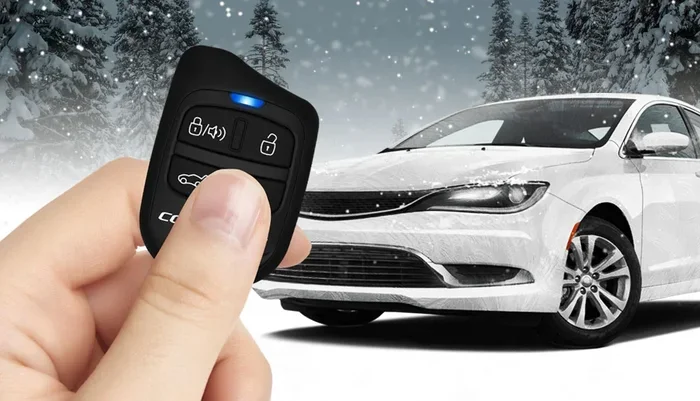
The handheld transmitter is the remote control you carry. It contains a small battery and a radio frequency (RF) chip. When you press the start button, the chip generates a unique coded signal. This code is specific to your vehicle to prevent unauthorized use. The signal travels through the air to the receiver module installed inside the car.
The receiver module is usually hidden under the dashboard or near the steering column. It has an antenna that picks up the RF signal. The receiver then decodes the signal and sends a command to the control module. Think of it like a walkie-talkie, but with a very specific, encrypted message.
Signal Transmission Process
Once the receiver decodes the signal, it passes the command to the main control unit. This unit is the brain of the system. It checks for safety conditions before allowing the engine to start. For example, it verifies that the transmission is in Park (for automatics) or the clutch pedal is pressed (for manuals). It also checks if the doors are locked and the brake is applied.
If all conditions are met, the control module sends an electrical pulse to the starter motor. At the same time, it activates the fuel pump and ignition coil. The engine cranks and fires up. The whole process takes about two to five seconds. You can then walk to your car knowing the engine is already running and the interior is at a comfortable temperature.
Ignition and Engine Engagement
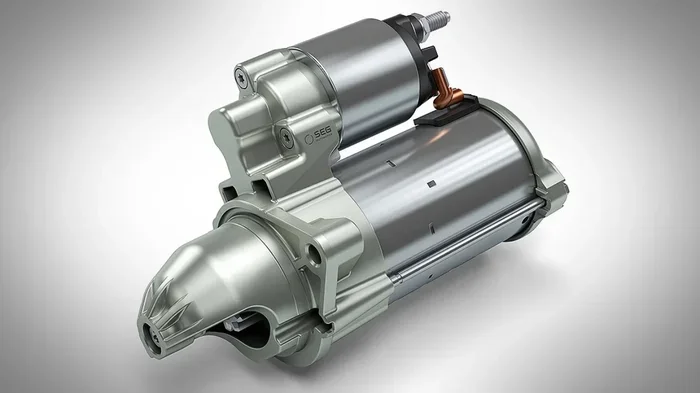
The ignition system receives a signal to energize the spark plugs. The starter motor engages the flywheel to crank the engine. The fuel pump delivers pressurized fuel to the injectors. Once the engine catches, the control module maintains the idle speed. It also keeps the remote start active for a preset time, usually 10 to 15 minutes, before shutting down if you don’t get in.
Some systems use a bypass module to trick the factory immobilizer. This allows the engine to start without a physical key in the ignition. The bypass module reads the immobilizer’s signal and relays it to the receiver. This ensures the factory security system remains intact while allowing remote operation.
Quick Tips
- Always use a high-quality transmitter battery to ensure reliable signal range.
- Keep the receiver module away from heat sources and moisture.
- Test the system in a safe, open area before relying on it daily.
Key Components of a Remote Starter System
A remote starter switch isn’t just the remote control. It’s a complete system with several parts working together. Here are the main components.
Control Module
The control module is the central processing unit. It receives signals from the receiver and coordinates all actions. It manages the starter relay, ignition trigger, and fuel pump activation. High-end modules include built-in temperature sensors and timers. They can also connect to smartphone apps via Bluetooth or Wi-Fi.
Wiring Harness and Safety Features
The wiring harness connects the control module to the vehicle’s existing circuits. It taps into the ignition switch, starter relay, and battery. A professional installer will use a wiring diagram specific to your car model. Safety features include a neutral safety switch, a hood pin, and a door lock integration. These prevent the car from starting if the hood is open or the doors are unlocked.
Transmitter Options
Transmitters come in different styles. The most common is the key fob style, similar to a keyless entry remote. Some systems use a small pendant that you can clip to your belt. Advanced setups offer smartphone control, where your phone acts as the transmitter. The range varies from 500 feet to over a mile, depending on the model and environment.
Common Mistakes
- Using a transmitter with a weak battery can cause intermittent failures.
- Ignoring the wiring diagram can lead to short circuits.
- Skipping the hood pin safety feature is a theft risk.
Benefits of Using a Remote Starter Switch
Why should you invest in a remote starter switch? The advantages go far beyond just starting the car with a button.
Comfort and Convenience
Imagine stepping into a warm car on a bitter winter day. The seats are heated, the windshield is clear, and the engine is at optimal operating temperature. In summer, you can cool the interior before you get in. This level of comfort is especially valuable for people with long commutes or those who work outdoors.
A remote starter switch also lets you warm up the engine without sitting in the car idling. This saves fuel and reduces emissions. You can start the car from your bedroom, garage, or office. The convenience adds up over years of use.
Engine Health and Security
Starting your car in cold weather helps circulate oil and reduce engine wear. A cold engine causes more friction on internal components. By letting the engine warm up remotely, you extend the life of your engine. The oil reaches optimal viscosity faster, and the transmission fluid circulates more evenly.
Security is another major benefit. Most remote start systems automatically lock the doors when you start the car remotely. The engine can only be turned off with the physical key or a valid transponder. This means a thief cannot simply drive away even if they break a window. The car stays locked and the engine will shut down if someone tries to move it without the key.
| Feature | Basic System | Mid-Range System | Advanced System |
|---|---|---|---|
| Range | 500–1,000 ft | 1,000–3,000 ft | 1–3 miles |
| Keyless Entry | No | Yes | Yes |
| Smartphone Control | No | Optional | Yes |
| Two-Way Feedback | No | Yes (LED confirmation) | Yes (LCD screen) |
| Security Bypass | Basic | Full | Full with GPS tracking |
| Installation Complexity | Low | Medium | High |
| Price Range | $50–$150 | $150–$400 | $400–$800+ |
Expert Insight
“Always choose a system that matches your climate and usage patterns. If you live in a very cold region, invest in a system with a longer remote start duration and a dual-zone temperature control.” — Automotive Specialist
Common Mistakes and How to Avoid Them
Even a simple system can cause problems if installed or used incorrectly. Here are the most common mistakes and how to avoid them.
Incorrect Installation
One of the biggest mistakes is a sloppy wiring job. Tapping into the wrong wire can blow fuses or damage the engine control unit. Always follow the vehicle-specific wiring diagram. If you’re not experienced with automotive electrical work, hire a professional. A proper installation includes a clean ground connection and secure connectors. Loose wires can vibrate loose over time and cause intermittent failures.
Ignoring Compatibility
Not every remote starter works with every car. Vehicles with push-button start or smart key systems require a specific type of bypass module. Installing a basic system on a modern car can lead to error codes or a non-functional immobilizer. Check the compatibility list before purchasing. Many manufacturers offer vehicle-specific fit guides online.
Forgetting Maintenance
The remote control battery needs replacement every 1–2 years. A weak transmitter battery reduces range and can cause the system to fail to start the car. The receiver module can also develop issues if exposed to moisture. Inspect the wiring harness annually for corrosion or chafing. Keeping the system clean and dry ensures long-term reliability.
Quick Reminders
- Skipping the hood pin: This is a security risk. A thief could lift the hood and access the engine wiring.
- Using a universal wiring kit: Vehicle-specific kits ensure proper connections and avoid damage.
- Ignoring local laws: Some areas have regulations about idling vehicles unattended. Check local ordinances.
Expert Tips for Choosing the Right System
Not all remote starter switches are created equal. Here’s how to pick the best one for your needs.
Range and Features to Consider
Range is the first thing people notice. A 1,000-foot range is fine for a suburban driveway. If you park far away or have a large property, look for a 3,000-foot or longer range. Two-way feedback is another valuable feature. It confirms that your command was received and executed. This is especially useful if you have a lot of vehicles or park in crowded lots.
Consider extra features like GPS tracking, temperature monitoring, and smartphone integration. These add convenience and peace of mind. Some systems can even detect tilt and shock, alerting you if someone tries to tow or break into your car.
Professional vs. DIY Installation
Professional installation is recommended for most people. A certified technician knows how to integrate the system without voiding your warranty. They can also program the bypass module correctly. DIY installation is possible if you have experience with car electronics. However, mistakes can be costly. A single short circuit can fry the engine control module, leading to thousands of dollars in repairs.
If you do install it yourself, buy a system with a detailed manual and video tutorials. Always disconnect the battery before working on the wiring. Use a multimeter to verify connections before powering up.
Quick Tips
- Read reviews from other owners of the same car model.
- Ask the installer about warranty coverage for both parts and labor.
- Consider a system with a lifetime warranty on the control module.
Conclusion: Why a Remote Starter Switch Matters
A remote starter switch is more than a luxury gadget. It’s a practical tool that improves your daily routine and protects your vehicle. From the comfort of a pre-warmed car to the security of a locked, running engine, the benefits are clear. The system relies on a simple yet clever combination of radio signals, control modules, and safety features to get the job done.
Whether you’re battling a harsh winter or just want to save time, a remote starter switch delivers real value. Choose a quality system, have it installed correctly, and maintain it regularly. You’ll enjoy the convenience for years to come. Invest in a remote starter switch today and experience the difference it makes every morning.
Frequently Asked Questions
Can a remote starter switch damage my engine?
No, when installed correctly, a remote starter switch does not damage your engine. In fact, it can reduce wear by allowing the oil to circulate before you drive. The key is proper installation and using the system as intended. Avoid leaving the car running unattended for extended periods in enclosed spaces.
How far can a remote starter switch reach?
The range depends on the system you choose. Basic models work up to 1,000 feet, while advanced systems can reach 1–3 miles. Obstacles like buildings and hills can reduce the effective range. A two-way feedback system helps confirm if the signal was received.
Is a remote starter switch compatible with all cars?
Most vehicles can support a remote starter switch, but modern cars with push-button start require a specific bypass module. Always check compatibility before buying. Vehicle-specific kits ensure proper integration with your car’s immobilizer and ignition system.
Can I install a remote starter switch myself?
Yes, if you have experience with automotive wiring. However, professional installation is recommended to avoid errors. A professional will ensure correct wiring, programming, and safety features. Mistakes can lead to electrical damage or void your vehicle’s warranty.
Does a remote starter switch work in extreme cold?
Yes, remote starters are especially useful in cold climates. They allow you to warm up the engine and defrost the windshield before you get in. The system is designed to handle cold starts safely. Just make sure your battery is in good condition, as extreme cold can reduce its capacity.
Will a remote starter switch void my car’s warranty?
This depends on your manufacturer’s policy. In many cases, an aftermarket system won’t void the warranty unless it directly causes a problem. Choose a reputable brand and have it installed by a certified professional. Keep the installation receipt and documentation in case of a warranty dispute.