Which Is the Low Beam Headlight for Safer Night Driving
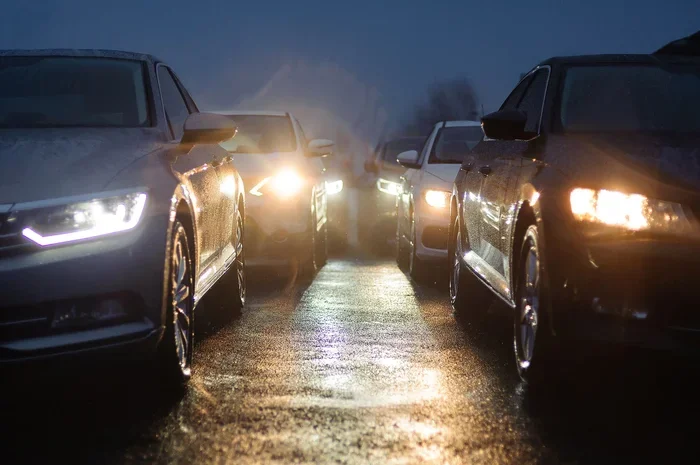
The low beam headlight is the standard nighttime driving light designed to illuminate the road without blinding oncoming drivers. It casts a short, wide beam pattern aimed downward to keep your path visible while maintaining safety for others. Understanding the difference between low beam and high beam headlights is essential for every driver who wants safer night driving. This guide covers everything from bulb types to beam patterns and how to get the most out of your headlights.
Driving at night can be stressful. Roads are dark, visibility is limited, and other drivers can blind you with their lights in an instant. One of the simplest ways to make night driving safer is to understand your low beam headlight and how it works. Many drivers never think about which light they are using or whether their headlights are properly aimed. This guide breaks it all down so you can drive with confidence when the sun goes down.
The low beam headlight is the default light setting for nighttime driving. It provides enough road illumination without sending a blinding glare into the eyes of oncoming drivers. Knowing how to use it correctly, how it differs from high beams, and how to maintain it can make a huge difference in your safety on dark roads. Let us dive into everything you need to know about low beam headlights and night driving visibility.
Key Takeaways
- Low beam headlights point downward: They are designed to light the road without blinding other drivers, making them the safest choice for nighttime driving.
- Multiple bulb types exist: Halogen, LED, and xenon HID headlights all offer different levels of brightness, lifespan, and cost.
- Proper alignment matters: Even the best low beam headlight will underperform if it is not correctly aimed at the road.
- Low beam vs high beam is not optional: Using the wrong beam in the wrong situation creates dangerous glare and reduces visibility.
- Regular maintenance extends headlight life: Cleaning lenses, replacing bulbs on time, and checking wiring keeps your headlights performing at their best.
- Adaptive headlights add a new level of safety: Modern systems adjust beam direction based on steering and speed for even better night driving visibility.
📑 Table of Contents
- What Exactly Is a Low Beam Headlight?
- Low Beam vs High Beam: Understanding the Difference
- Types of Low Beam Headlight Bulbs
- How to Properly Aim Your Low Beam Headlights
- Common Low Beam Headlight Problems and How to Fix Them
- Tips for Better Night Driving with Low Beam Headlights
- Expert Insights on Low Beam Headlight Technology
- Common Mistakes Drivers Make with Low Beam Headlights
- Conclusion
What Exactly Is a Low Beam Headlight?
A low beam headlight is the dipped beam setting on your vehicle. It produces a wide, flat spread of light that illuminates the road ahead without pointing too high into the air. The beam pattern is designed to light up the first 50 to 100 meters of road in front of you. At the same time, it angles downward so that drivers coming toward you are not blinded.
When you turn on your headlights in the evening or at night, the low beam setting is what activates by default in most vehicles. Some cars have automatic headlight systems that switch between low beam and high beam on their own. But in most older and even many newer vehicles, you need to manually select the correct beam setting.
How Low Beam Headlights Work
The low beam headlight works by using a reflector or lens system inside the headlight housing to shape the light output. The bulb sits at the focal point of this reflector, and the shape of the housing controls how the light spreads. A shield or cutoff line blocks the upper part of the beam, preventing light from shooting straight ahead at eye level with oncoming drivers.
Here is how the system works step by step:
- The bulb produces light in all directions.
- The reflector behind the bulb focuses the light forward.
- The lens or housing shape directs the light downward and outward.
- The cutoff shield blocks light from going too high.
- The result is a wide, low pattern that lights the road safely.
This entire process is what makes the low beam headlight different from the high beam. High beams point straight ahead with no cutoff, which creates a much longer range of visibility but also causes serious glare for other drivers.
Low Beam vs High Beam: Understanding the Difference
Many new drivers confuse low beam and high beam settings. Some even drive with high beams on in residential areas without realizing the danger they create. Understanding the difference between these two beam types is the foundation of safe nighttime driving visibility.
Beam Pattern and Range
The low beam headlight produces a short, wide spread of light. It is designed for driving speeds up to about 40 to 50 miles per hour on dark roads. The range is typically 50 to 100 feet ahead of the vehicle. This is enough distance to stop safely if you see an obstacle in the road.
High beams, on the other hand, produce a narrow, long-range beam. They can illuminate objects 300 feet or more ahead. While this sounds better, it comes with a major drawback. High beams blind oncoming drivers and can also reflect off fog, rain, and snow, making visibility worse for everyone.
When to Use Each Setting
Here is a simple breakdown of when to use each beam type:
- Low beam: Use in all nighttime driving situations, in cities, on poorly lit roads, and when other vehicles are present.
- High beam: Use only on dark, empty roads with no oncoming traffic and no streetlights nearby.
- Low beam in fog: Low beams are better than high beams in fog because the light does not reflect back at you.
- High beam in heavy rain: Avoid high beams in rain or snow because the light scatters and creates glare.
A good rule of thumb is to always default to low beam headlights and only switch to high beam when you are certain no other drivers are nearby. When you see an oncoming vehicle, switch back to low beam immediately.
Types of Low Beam Headlight Bulbs
Not all low beam headlight bulbs are the same. The type of bulb you use affects brightness, color temperature, lifespan, and cost. Understanding the different options helps you choose the right bulb for your vehicle and your driving needs.
Halogen Bulbs
Halogen bulbs are the most common type of low beam headlight found in older and budget vehicles. They use a tungsten filament inside a halogen gas-filled capsule. When electricity flows through the filament, it glows and produces light.
Halogen bulbs are affordable and easy to replace. They produce a warm, yellowish light that works well for standard night driving visibility. However, they are not the brightest option and tend to consume more energy than modern alternatives. A typical halogen bulb lasts about 450 to 1,000 hours before needing replacement.
LED Bulbs
LED low beam headlight bulbs are becoming increasingly popular in newer vehicles. LED stands for Light Emitting Diode. Instead of a filament, LEDs use a semiconductor to produce light. This makes them much more energy efficient and longer lasting than halogen bulbs.
LED headlights produce a bright, white light that closely mimics daylight. This improves road illumination and makes it easier to spot pedestrians, animals, and obstacles at night. LED bulbs can last 10,000 to 30,000 hours, which is significantly longer than halogen. The main downside is that they cost more upfront, but they save money in the long run due to their longevity.
Xenon HID Bulbs
Xenon High-Intensity Discharge (HID) bulbs were once the premium choice for low beam headlight systems. They use an electric arc between two electrodes inside a xenon gas capsule. This produces an extremely bright, blue-white light that offers excellent nighttime driving visibility.
Xenon HID bulbs are brighter than both halogen and LED in most cases. They also have a long lifespan of around 2,000 to 3,000 hours. However, they require a ballast to regulate the electrical current, which adds complexity and cost. Many modern vehicles are moving away from xenon HID in favor of LED or laser technology.
Comparison Table: Headlight Bulb Types
| Feature | Halogen | LED | Xenon HID |
|---|---|---|---|
| Brightness | Moderate | High | Very High |
| Lifespan | 450-1,000 hrs | 10,000-30,000 hrs | 2,000-3,000 hrs |
| Energy Efficiency | Low | High | Medium |
| Cost | Low | Medium to High | High |
| Color Temperature | Warm Yellow | White | Blue-White |
| Replacement Ease | Very Easy | Easy | Moderate |
How to Properly Aim Your Low Beam Headlights
Even the most expensive low beam headlight bulb will not help you if the light is not aimed correctly. Misaligned headlights are one of the most common causes of poor night driving visibility and driver complaints. Headlights can shift out of alignment over time due to vibrations, accidents, or simply the aging of the vehicle’s suspension components.
Signs Your Headlights Are Misaligned
Watch for these warning signs that your low beam headlight alignment is off:
- The light pattern shines too high and blinds oncoming drivers.
- The light points too far to one side, leaving part of the road dark.
- You notice that other drivers frequently flash their lights at you.
- Your road illumination seems dimmer than it used to be.
- The headlight housing looks cracked or loose.
How to Check Headlight Alignment at Home
You can perform a basic headlight alignment check at home with just a few tools. Park your vehicle about 25 feet from a flat wall or garage door. Turn on the low beam headlights and observe the light pattern on the wall.
The center of the light should be at or slightly below the height of the headlight housing. The left-right pattern should be relatively even on both sides. If one side is significantly higher or lower, you likely have a misalignment issue. Many vehicles have adjustment screws on top of the headlight housing that let you fine-tune the aim. Consult your vehicle owner manual for the exact procedure.
When to Get Professional Alignment
If you are not comfortable adjusting your headlights yourself, visit a mechanic or auto shop. Most shops will check and adjust your headlight alignment for a small fee or sometimes for free with a service visit. This is especially important after any front-end collision or suspension repair. Properly aimed low beam headlights dramatically improve your safety and the safety of drivers around you.
Common Low Beam Headlight Problems and How to Fix Them
Even well-maintained vehicles can experience low beam headlight issues over time. Knowing what to look for helps you catch problems early before they become safety hazards on dark roads.
Dim or Flickering Headlights
If your low beam headlights seem dim or flicker while driving, several issues could be at play. The most common cause is a failing bulb. As halogen bulbs age, the filament weakens and produces less light. Replacing the bulb is usually a simple fix.
Another possible cause is a corroded or loose ground wire. The ground connection provides the electrical path back to the battery, and if it is compromised, the bulb receives inconsistent power. Cleaning the ground connection or replacing the wire often solves this problem quickly.
Cloudy or Yellowed Headlight Lenses
The plastic lens that covers your low beam headlight can become cloudy or yellowed over time due to UV exposure and road debris. This is not just a cosmetic issue. Cloudy lenses can reduce headlight brightness by up to 50 or 60 percent, significantly reducing your nighttime driving visibility.
You can restore cloudy headlights using a headlight restoration kit. These kits typically include sandpaper of varying grits, a polishing compound, and a protective sealant. The process involves sanding the lens to remove the oxidized layer, polishing it to a clear finish, and then sealing it to prevent future damage. It is a relatively inexpensive DIY project that can make a big difference in your road illumination quality.
Burned-Out Headlight Bulbs
A burned-out bulb is the most obvious low beam headlight problem. If one headlight is out, replace it as soon as possible. Driving with only one working headlight reduces your visibility and confuses other drivers about your vehicle’s position on the road.
When replacing bulbs, always match the bulb type and wattage specified by your vehicle manufacturer. Using the wrong bulb can damage the headlight housing, cause electrical issues, or even create a fire hazard. If you are unsure which bulb your vehicle needs, check the owner manual or ask a parts store associate for help.
Tips for Better Night Driving with Low Beam Headlights
Using your low beam headlight correctly is only part of the equation. There are several additional steps you can take to improve your night driving visibility and stay safer on dark roads.
Keep Your Windshield Clean
A dirty windshield can scatter low beam headlight light and create glare, especially when oncoming vehicles use their high beams. Clean your windshield inside and out regularly. The inside of the windshield often accumulates a film from off-gassing materials in the car interior, which can significantly scatter light at night.
Clean Your Headlights Regularly
Dust, bugs, and road grime on the headlight lens reduce the amount of light that reaches the road. A quick wipe-down during your regular car wash routine can keep your low beam headlights performing at their best. Pay special attention to the headlight lenses after long highway drives where bug splatter is common.
Replace Headlights in Pairs
When one low beam headlight bulb burns out, replace both bulbs on that side at the same time. Even if the other bulb still works, it may be close to the end of its lifespan. Replacing bulbs in pairs ensures both sides produce equal headlight brightness and prevents one side from dimming before you notice it.
Consider Upgrading Your Bulbs
If your vehicle still uses halogen low beam headlights, you may want to consider upgrading to LED bulbs. LED upgrades offer significantly better road illumination and a whiter, more natural light that reduces eye strain during long night drives. Make sure any LED bulb you choose is DOT or ECE approved for road use in your area.
Adjust Your Driving Speed
Even with perfectly functioning low beam headlights, your stopping distance at night should be shorter than during the day. The headlight beam pattern only illuminates about 50 to 100 feet ahead, so you need enough time to react and stop within that distance. Slow down on dark, unfamiliar roads and always scan for hazards beyond the lit area.
Expert Insights on Low Beam Headlight Technology
Headlight technology has evolved significantly in recent years. Automakers are constantly developing new ways to improve low beam headlight performance and safety for night driving. Here are some insights from automotive lighting experts.
Adaptive headlights are one of the most exciting developments in this space. These systems use sensors and motors to adjust the direction of the low beam headlight based on steering input and vehicle speed. When you turn the steering wheel, the headlights swivel to illuminate the curve ahead. This technology is especially helpful on winding roads and in unfamiliar areas where you need every bit of nighttime driving visibility you can get.
Matrix LED and pixel lighting systems take adaptive headlights a step further. These systems use dozens of individual LED elements that can be controlled independently. When the system detects an oncoming vehicle, it dims only the specific LEDs that would glare that driver while keeping the rest of the road illumination bright. This allows you to effectively drive with high beam-like visibility without ever blinding other drivers.
While these advanced systems are still mostly found on luxury and higher-end vehicles, they represent the future of low beam headlight technology. Even if your current vehicle has basic halogen headlights, understanding how these systems work can help you appreciate the importance of proper headlight use and maintenance.
Common Mistakes Drivers Make with Low Beam Headlights
Even experienced drivers make mistakes when it comes to using their low beam headlight correctly. Being aware of these common errors can help you avoid them and stay safer on the road.
Leaving High Beams On in Town
This is perhaps the most common and dangerous mistake. High beams in urban areas and residential neighborhoods create excessive glare for pedestrians, cyclists, and other drivers. Always switch to low beam headlights when driving in populated areas or when streetlights are available.
Ignoring Flickering Lights
A flickering low beam headlight is often a sign of a failing bulb, loose connection, or voltage issue. Some drivers ignore this and continue driving, which can lead to a complete headlight failure at the worst possible moment. If you notice flickering, inspect the bulb and wiring promptly.
Using Aftermarket Bulbs Without Checking Compatibility
Aftermarket bulbs can improve headlight brightness, but using the wrong type can cause electrical problems, premature failure, or even melt the headlight housing. Always verify compatibility before installing any aftermarket low beam headlight bulb.
Neglecting Headlight Maintenance
Many drivers take their headlights for granted until one burns out. Regular maintenance, including cleaning lenses, checking alignment, and replacing bulbs on schedule, keeps your low beam headlights in top condition and ensures reliable night driving visibility every time you get behind the wheel.
Relying Only on Headlights Without Using Fog Lights
In heavy fog, rain, or snow, your low beam headlight alone may not be enough. Front fog lights, when properly installed, sit lower on the vehicle and cut through adverse weather conditions better than standard headlights. Use them in combination with your low beam headlights for maximum road illumination in poor weather.
Conclusion
The low beam headlight is one of the most important safety features on your vehicle, yet it is often overlooked until something goes wrong. Understanding how low beam headlights work, when to use them, and how to maintain them can dramatically improve your safety and confidence during night driving. From choosing the right bulb type to ensuring proper alignment, every step you take to improve your low beam headlight system pays off in better nighttime driving visibility and reduced risk on the road.
Make it a habit to check your headlights regularly. Clean the lenses, replace bulbs before they fully fail, and always use the correct beam setting for the situation. These small actions add up to a significant difference in how safely you can navigate dark roads. Your low beam headlight is your best friend on nighttime drives, so treat it with the care and attention it deserves.
Drive safely, stay visible, and remember that proper low beam headlight use is not just about seeing the road. It is also about being seen by others and making sure everyone on the road gets home safely.
Frequently Asked Questions
What is the difference between low beam and high beam headlights?
The low beam headlight produces a short, wide, downward-angled beam designed for safe driving without blinding other drivers. The high beam produces a long, narrow beam that reaches much farther ahead but creates significant glare for oncoming traffic. Always use low beams when other vehicles are present.
Can I drive with only one low beam headlight working?
You technically can, but it is not safe. A single working low beam headlight reduces your road illumination and confuses other drivers about your vehicle’s position. Replace a burned-out bulb immediately to maintain proper night driving visibility.
How often should I replace my low beam headlight bulbs?
Halogen bulbs typically last 450 to 1,000 hours, while LED bulbs can last 10,000 or more hours. If you notice dimming, flickering, or frequent burnouts, it is time to replace your low beam headlight bulbs. Replacing them in pairs ensures even headlight brightness on both sides.
Are LED low beam headlights worth the upgrade?
Yes, LED low beam headlights offer significantly better brightness, whiter light, and longer lifespan compared to halogen bulbs. They improve nighttime driving visibility and reduce eye strain. Just make sure any LED upgrade is compatible with your vehicle and meets local regulations.
Why are my low beam headlights so dim?
Dim low beam headlights are often caused by aged bulbs, cloudy lenses, corroded wiring, or a weak alternator. Start by cleaning the headlight lenses and checking the bulb. If the problem persists, have a mechanic inspect the electrical system and headlight alignment.
Do low beam headlights use less battery than high beams?
Yes, low beam headlights typically use less power than high beams because they draw less current and produce less light output. However, the difference is small and should not significantly impact your battery or fuel economy. The real benefit of low beams is safer, more responsible driving in all conditions.
=== FOOTER ===
Understanding your low beam headlight is one of the simplest yet most impactful things you can do as a driver. Share this guide with a friend who drives at night and help make the roads safer for everyone.