Where Are the Sensors on Your Pre-Collision Assist System
Pre-collision assist system sensors are placed at key points on your vehicle to detect potential collisions before they happen. These sensors use a combination of cameras, radar, and advanced software to monitor the road ahead and warn you of danger. Understanding where these sensors are helps you maintain them properly and keep your safety features working at their best.
Your pre-collision assist system is one of the most important safety features in your vehicle. But do you know where the sensors actually are? Most drivers never think about this until something goes wrong. The truth is, these sensors are placed at very specific points on your car. Each one plays a unique role in keeping you safe on the road.
In this article, we will show you exactly where every sensor lives on your vehicle. We will also explain how they work, what can go wrong, and how to keep them in top shape. Whether you drive a Ford, Toyota, Honda, or any other brand, this guide will help you understand your pre-collision assist system like never before.
Key Takeaways
- Windshield Camera: The forward-facing camera is mounted behind the rearview mirror and monitors the road ahead.
- Front Radar Sensor: Located behind the front grille or bumper, this radar detects objects and measures distance.
- Rear Sensors: Some systems include rear-facing sensors for detecting obstacles behind your vehicle.
- Sensor Cleanliness Matters: Dirt, snow, and debris can block sensors and cause false warnings or system failures.
- Calibration Is Key: After windshield replacement or sensor damage, professional recalibration is essential.
- Warning Lights Tell the Story: Dashboard alerts let you know when your pre-collision assist system needs attention.
- Regular Maintenance Helps: Simple cleaning routines can prevent most sensor-related issues.
📑 Table of Contents
- Understanding Your Pre-Collision Assist System
- Where Are the Sensors Located on Your Vehicle
- How Pre-Collision Assist Sensors Work Together
- Common Problems That Affect Sensor Performance
- Maintaining and Cleaning Your Sensors for Best Performance
- When to Call a Professional for Sensor Help
- Final Thoughts
Understanding Your Pre-Collision Assist System
A pre-collision assist system is an advanced safety feature designed to help prevent or reduce the severity of crashes. It uses a combination of sensors and software to monitor your surroundings. When it detects a potential collision, it can warn you or even apply the brakes automatically.
What Makes This System So Important
Road conditions change fast. A car ahead might slam on its brakes. A pedestrian might step into the street. Your collision avoidance technology reacts faster than any human can. Studies show that automatic emergency braking systems significantly reduce rear-end collisions. This is why understanding how your system works is so valuable.
The system relies on real-time data from multiple sensors. It processes this information in milliseconds. If it detects an obstacle, it triggers an alert. If you do not react, it can apply the brakes on its own. This entire process happens before you even have time to think about it.
How the System Detects Potential Collisions
The pre-collision assist system uses several types of detection methods. Forward-facing cameras scan the road for vehicles, pedestrians, and cyclists. Radar sensors measure the distance and speed of objects ahead. Together, they create a detailed picture of what is happening in front of your car.
Some systems also use lidar or ultrasonic sensors for close-range detection. These are especially useful in low-speed situations, like parking or driving in heavy traffic. The system constantly updates its assessment of the road. It never gets tired, distracted, or distracted by a phone call.
Where Are the Sensors Located on Your Vehicle
The sensors on your pre-collision assist system are placed at strategic points around your vehicle. Each location serves a specific purpose. Let us break down exactly where you can find them.
| Sensor Type | Location | Primary Function |
|---|---|---|
| Forward-Facing Camera | Behind the rearview mirror, on the windshield | Detects vehicles, pedestrians, road signs, and lane markings |
| Front Radar Sensor | Behind the front grille or bumper | Measures distance and speed of vehicles ahead |
| Rear Radar/Camera | Rear bumper or tailgate area | Detects obstacles and vehicles behind you |
| Ultrasonic Sensors | Front and rear bumpers | Close-range obstacle detection for parking |
| Side Sensors | Mirror-mounted or body panels | Blind spot detection and lane change assistance |
The Windshield-Mounted Camera
The most important sensor in your pre-collision assist system is the forward-facing camera. It is mounted behind the rearview mirror, attached to the inside of the windshield. This camera provides a clear view of the road ahead. It reads traffic signs, detects lane markings, and identifies potential hazards.
Because this camera relies on a clear view through the windshield, it is very sensitive to obstructions. A dirty windshield, foggy residue, or even a sticker near the mirror can interfere with its performance. This is why keeping your windshield clean is so important for the active safety system to function properly.
The Front Radar Sensor
Most vehicles with a pre-collision assist system also have a radar sensor mounted behind the front grille or bumper. This radar sends out radio waves that bounce off objects and return to the sensor. By measuring the time it takes for the waves to return, the system calculates the distance and speed of objects ahead.
The radar sensor works day and night. Unlike the camera, it is not affected by darkness or poor lighting conditions. However, it can be damaged by road debris, ice, or mud covering the front bumper. Keeping the front end of your car clean helps maintain accurate radar-based detection.
Rear and Side Sensors
Some pre-collision assist systems include rear-facing sensors as well. These are usually located in the rear bumper. They detect vehicles or objects approaching from behind, which is especially useful when braking or reversing.
Side sensors are often built into the side mirrors or body panels near the doors. These handle blind spot detection and help you stay safe when changing lanes. They use ultrasonic or radar technology to monitor the areas beside and behind your vehicle.
Quick Tips
- After a car wash, check that no water is pooling near sensor areas.
- Avoid placing stickers or decorations near the rearview mirror area.
- In winter, gently clear ice from the front grille and windshield base.
- Never use high-pressure sprays directly at sensor locations.
How Pre-Collision Assist Sensors Work Together
No single sensor does all the work. The real power of a pre-collision assist system comes from how the sensors work together. Each sensor provides a different piece of the puzzle. When combined, they create a comprehensive view of your surroundings.
The Role of the Forward-Facing Camera
The forward-facing camera is your system’s eyes. It identifies what is on the road ahead. It can read speed limit signs, detect lane changes, and recognize pedestrian crossings. The camera provides visual data that the system’s computer processes in real time.
For example, if the camera sees a car slowing down ahead, it sends this information to the system’s brain. The computer then decides whether a warning or braking action is needed. This happens in a fraction of a second.
How Radar Complements the Camera
The radar sensor adds depth and speed data to the picture. While the camera can tell you that there is a car ahead, the radar tells you how fast it is moving and how far away it is. This combination of visual and distance data makes the collision warning system much more accurate.
Think of it like having two senses working together. The camera is like your eyes, and the radar is like your sense of spatial awareness. Together, they give the system a complete understanding of the driving environment. This is what makes modern driver assistance features so effective at crash prevention.
Expert Insights
Automotive safety engineers emphasize that sensor fusion is the key to reliable collision avoidance technology. No single sensor type is perfect on its own. Cameras can be blinded by bright sunlight or heavy rain. Radar can sometimes struggle with very small objects. But when both work together, the system compensates for each sensor’s weaknesses. This redundancy is what makes modern safety systems so dependable.
Common Problems That Affect Sensor Performance
Even the best pre-collision assist system can run into problems. Understanding what can go wrong helps you stay ahead of issues. Here are the most common problems that affect sensor performance.
Dirty or Obstructed Sensors
This is the number one cause of sensor problems. Dirt, mud, snow, and ice can block both the camera and the radar sensor. When a sensor cannot see clearly, it cannot do its job. You might notice false warnings or, worse, the system might not activate when you need it most.
After a long road trip or a trip through a muddy construction zone, take a moment to check your sensors. A quick wipe with a soft cloth can make a big difference. Sensor calibration can drift if sensors are frequently obstructed, so keeping them clean is a simple but powerful habit.
Electrical and Software Issues
Sometimes the problem is not physical but electrical. A loose connection, a blown fuse, or a software glitch can disable parts of your pre-collision assist system. Modern vehicles rely heavily on software, and like any computer, it can sometimes need an update or a reset.
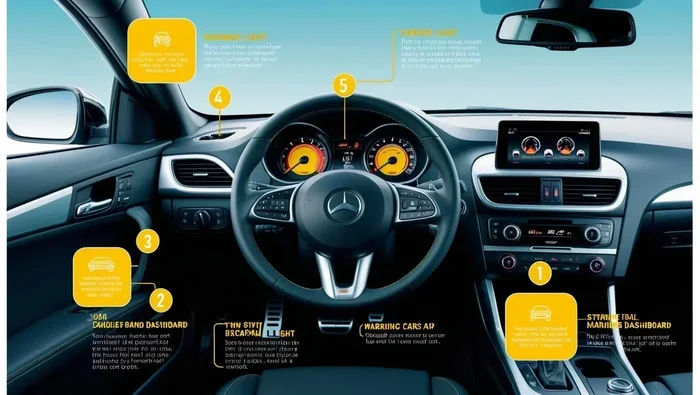
If your dashboard shows a pre-collision assist warning light, do not ignore it. The light is telling you that something is not right. It could be a minor issue, or it could be a sign that your vehicle detection system needs professional attention.
Common Mistakes to Avoid
- Ignoring the warning light on your dashboard.
- Using harsh chemicals to clean sensors, which can damage the lens.
- Aftermarket accessories that block sensor views, like large phone mounts.
- Assuming the system works perfectly after a minor bumper repair without recalibration.
- Never checking sensor condition during routine maintenance visits.
Maintaining and Cleaning Your Sensors for Best Performance
Keeping your pre-collision assist system sensors clean and functional is not hard. It just requires a little regular attention. Think of it as part of your normal car care routine. A few simple steps can keep your safety technology working at its best.
Quick Tips for Daily Care
- Wipe the windshield around the rearview mirror area during your regular car washes.
- Check the front grille after driving through mud, snow, or heavy rain.
- Use a soft microfiber cloth to gently clean sensor lenses. Never use abrasive materials.
- Keep your windshield clean inside and out. Residue from interior off-gassing can fog the camera’s view.
- Remove ice gently in winter. Use a soft brush or ice scraper, and never chip ice near the sensor area.
Common Mistakes to Avoid
One of the biggest mistakes drivers make is using high-pressure washers near sensor areas. The force of the water can push dirt deeper into sensor housings or even damage delicate components. Another mistake is applying wax or sealant directly over sensor locations. This can create a film that blocks the camera or radar signals.
Also, avoid placing heavy objects on or near the front bumper where the radar sensor lives. After a minor accident, even if the damage looks small, have a technician check if the sensors were affected. A misaligned sensor can give false readings or fail to activate when needed.
Expert Insights on Sensor Maintenance
Certified automotive technicians recommend inspecting your pre-collision assist system sensors at every oil change. This is a quick check that can catch problems early. Technicians will look for physical damage, clean the sensor housings, and verify that all warning lights are off. This proactive approach can save you from costly repairs and, more importantly, keep your active safety system ready to protect you when it matters most.
When to Call a Professional for Sensor Help
Most sensor maintenance is simple and can be done at home. But there are times when you need a professional. Knowing when to call for help can save you time, money, and most importantly, keep you safe.
Warning Signs Your Sensors Need Attention
Watch for these signs that your pre-collision assist system might need professional attention:
- A persistent warning light on your dashboard.
- The system gives false warnings for no apparent reason.
- The system fails to warn you of obstacles it previously detected.
- You notice the camera or radar housing is physically damaged.
- After a windshield replacement, the system has not been recalibrated.
- Your vehicle has been in any collision, even a minor one.
If you notice any of these signs, do not wait. A malfunctioning collision avoidance technology is worse than having no system at all. It can give you false confidence, which is a dangerous situation on the road.
Expert Insights on Sensor Calibration
Sensor calibration is a precise process that requires specialized equipment and trained technicians. After a windshield replacement, a front-end repair, or even a sensor cleaning, the system may need to be recalibrated. This ensures that the sensors are aligned correctly and reading accurately.
Calibration typically involves placing targets at specific distances in front of the vehicle. The technician then runs a calibration procedure using diagnostic tools. This process verifies that the radar sensor and camera are working in harmony. It is a critical step that should never be skipped after any work that affects sensor positioning.
Many dealerships and qualified auto repair shops offer calibration services. The cost varies, but it is a small price to pay for the peace of mind that comes with knowing your pre-collision assist system is working exactly as designed.
Final Thoughts
Your pre-collision assist system is a remarkable piece of safety engineering. The sensors work silently every time you drive, watching the road and protecting you from harm. Understanding where these sensors are and how to care for them empowers you as a driver.
Keep your sensors clean. Pay attention to warning lights. Get professional help when you need it. These simple steps go a long way in maintaining your vehicle’s collision warning and automatic emergency braking capabilities. Your safety and the safety of everyone on the road depend on these systems working correctly. Take care of them, and they will take care of you.
Frequently Asked Questions
Can a dirty windshield affect my pre-collision assist system?
Yes, absolutely. The forward-facing camera is mounted behind the rearview mirror on the windshield. Dirt, grime, or fog on the glass can block the camera’s view and reduce the system’s effectiveness. Always keep the windshield clean, especially around the sensor area.
How much does it cost to recalibrate pre-collision assist sensors?
The cost varies depending on your vehicle and where you go. Dealerships typically charge more than independent shops. On average, you can expect to pay between $100 and $400 for calibration. Some insurance policies may even cover this cost after a collision.
Can I drive with the pre-collision assist warning light on?
You can, but you should not. The warning light means the system is not functioning properly. Without a working pre-collision assist system, you lose the benefits of automatic braking and collision warnings. Have the system checked by a professional as soon as possible.
Do all vehicles have the same sensor placement?
No, sensor placement varies by manufacturer and model. While most systems use a windshield camera and front radar, the exact locations can differ. Always refer to your vehicle’s owner manual for the specific sensor locations in your car.
What should I do if my sensor is damaged in an accident?
Have the sensor inspected and replaced if needed. After replacement, the system must be recalibrated to ensure accurate readings. Driving with a damaged sensor means your collision avoidance technology may not work properly, putting you at greater risk.
How often should I have my pre-collision assist sensors checked?
It is a good practice to have the sensors inspected at every oil change or at least twice a year. Regular checks help catch dirt buildup, physical damage, or software issues early. This keeps your active safety system reliable and ready to protect you.