Indiana Window Tint Law Guide Your Ultimate Reference
Navigating the Indiana window tint law is easier than you think. This guide breaks down every legal tint limit, VLT requirement, and penalty you need to know. Whether you drive a sedan, SUV, or truck, you will find clear rules to keep your vehicle compliant and avoid costly fines.
If you live in Indiana or are thinking about moving there, you have probably wondered about the rules for tinting your car windows. The Indiana window tint law sets clear limits on how dark or reflective your tint can be. These rules apply to sedans, SUVs, vans, and every other passenger vehicle on the road.
Understanding these regulations before you tint your windows can save you time, money, and headaches. Nobody wants to get pulled over for a tint ticket Indiana officers can issue on the spot. This guide walks you through every detail you need to know about Indiana tint regulations in plain, simple language.
We will cover legal tint darkness levels, windshield rules, reflection limits, medical exemptions, and the penalties for breaking the law. By the end, you will feel confident choosing the right tint film certification for your vehicle. Let us dive in and make sure your car stays fully compliant.
Key Takeaways
- Legal tint darkness varies by vehicle type: sedans have different limits than SUVs and vans under Indiana law.
- Windshield tint is restricted: only a non-reflective strip at the top is allowed.
- Reflective tint is not permitted: Indiana bans metallic or mirrored finishes on any window.
- Medical exemptions exist: you can get a special permit for darker tint with a doctor’s approval.
- Penalties can be costly: tint violations carry fines and may require you to remove illegal tint.
- Tint film certification matters: always choose certified film to ensure it meets state standards.
- Know your VLT percentage: Visible Light Transmission is the key metric for legal compliance.
📑 Table of Contents
Understanding Indiana Window Tint Law
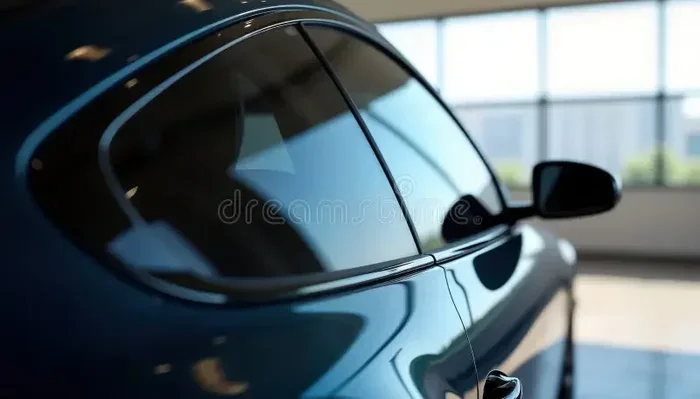
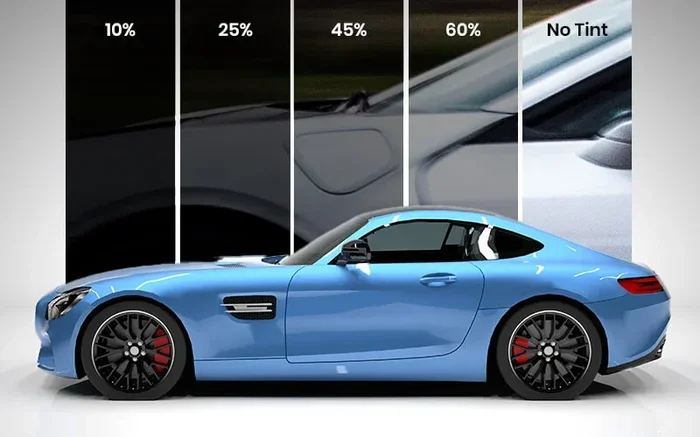
The Indiana window tint law is part of the state vehicle code. It governs how much light can pass through your car windows. The main measurement used is Visible Light Transmission, commonly known as VLT. VLT tells you what percentage of light the tint film allows to pass through the glass.
A higher VLT means a lighter tint. A lower VLT means a darker tint. For example, a film with 70% VLT lets in most of the light, while a film with 5% VLT blocks almost all light. Indiana sets specific VLT limits depending on which window you are tinting and what kind of vehicle you drive.
Why VLT Matters for Legal Compliance
The state of Indiana uses VLT as the standard for measuring tint darkness law compliance. When you buy aftermarket tint, the installer should tell you the VLT percentage of the film. This number is your proof of compliance if you ever get stopped.
Indiana law also requires that any tint film certification be displayed on the vehicle. This sticker is usually placed on the driver side window. It shows that the film meets state standards. Without this sticker, you could face a fine even if your tint is technically legal.
How the Law Applies to Different Windows
Not all windows on your car are treated the same under Indiana tint regulations. The law separates your windows into different zones. Each zone has its own VLT limit. The front windshield, front side windows, rear side windows, and rear window all have different rules. Let us look at each one in detail.
The front windshield has the strictest rules. You can only tint a small strip at the top. The front side windows must let in more light than the rear windows. This design keeps the driver’s view clear and safe. Understanding these zones is the first step to staying legal.
Legal Tint Darkness Levels by Vehicle Type
The Indiana window tint law sets different darkness limits for different vehicle types. Sedans, SUVs, and vans each have their own set of rules. Below, we break down the legal tint darkness limits for each category.
Tint Rules for Sedans
If you drive a sedan in Indiana, here are the legal limits you must follow:
- Front windshield: Non-reflective tint is allowed on the top 5 inches only.
- Front side windows: Must allow more than 30% of light in. That means a VLT of 30% or higher.
- Rear side windows: Must allow more than 30% of light in. Same 30% VLT rule applies.
- Rear window: Must allow more than 30% of light in.
For sedans, all tinted windows must share the same VLT or be within a reasonable range. The goal is to keep the vehicle balanced and safe for the driver and passengers.
Tint Rules for SUVs and Vans
SUVs and vans have slightly different rules under the Indiana window tint law. Here is what you need to know:
- Front windshield: Non-reflective tint on the top 5 inches only, same as sedans.
- Front side windows: Must allow more than 30% of light in. VLT of 30% or higher.
- Rear side windows: Can be tinted darker. No specific VLT minimum is required for rear side windows.
- Rear window: Can be tinted darker with no specific VLT minimum.
The key difference is that SUVs and vans have more flexibility on the rear windows. This is because SUVs and vans typically have larger rear windows and different visibility needs. However, the front side windows still follow the same 30% VLT rule as sedans.
Comparison Table: Sedan vs. SUV Tint Rules
| Window | Sedan Rules | SUV/Van Rules |
|---|---|---|
| Front Windshield | Non-reflective, top 5 inches only | Non-reflective, top 5 inches only |
| Front Side Windows | VLT must be 30% or higher | VLT must be 30% or higher |
| Rear Side Windows | VLT must be 30% or higher | No specific VLT minimum |
| Rear Window | VLT must be 30% or higher | No specific VLT minimum |
| Reflective Tint | Not allowed | Not allowed |
This table makes it easy to compare the rules at a glance. Always double-check the latest regulations before tinting your vehicle. Laws can change, and staying informed protects you from surprises.
Windshield, Mirror, and Reflection Rules
The Indiana window tint law pays close attention to the front windshield and side mirrors. These areas are critical for safe driving. The state wants to make sure drivers have clear visibility at all times.
Windshield Tint Restrictions
You cannot tint the entire windshield in Indiana. The law allows only a non-reflective tint strip at the top. This strip can cover the top 5 inches of the windshield. Anything below that line must remain clear and untinted.
The purpose of this rule is simple. The front windshield provides the driver with the best forward view. Blocking too much light can create dangerous blind spots. The 5-inch strip gives you some sun glare protection without compromising safety.
Side Mirror Requirements
If you tint your rear side windows darker, Indiana law requires you to have functioning side mirrors on both sides. This ensures you can still see behind and beside your vehicle clearly. If your rear visibility is blocked by dark tint, side mirrors become even more important.
Make sure your mirrors are clean and unobstructed. Tinted windows combined with dirty mirrors can reduce your visibility further. Keep your mirrors in good condition to stay safe and legal on Indiana roads.
Reflection and Metallic Tint Bans
One of the most important rules in the Indiana tint regulations is the ban on reflective tint. You cannot use metallic or mirrored finishes on any window. Reflective tint can blind other drivers and distract them on the road.
Indiana law specifically prohibits tint that has a reflective appearance. This includes any film that looks like a mirror from the outside. Even if a dark tint looks cool, if it is reflective, it is illegal. Stick to non-reflective tint film to stay compliant.
Some tint films claim to be “stealth” or “privacy” films with a mirrored look. Avoid these in Indiana. They will not pass inspection and could result in a citation. Always ask your installer about the reflectivity level before you commit to a film.
Medical Exemptions and Special Tint Permits
Not everyone can tolerate normal levels of sunlight. Some people have medical conditions that make them extremely sensitive to light. The Indiana window tint law recognizes this and offers a medical exemption path.
Who Qualifies for a Medical Exemption?
You may qualify for a darker tint exemption if you have a documented medical condition. Common qualifying conditions include:
- Lupus or other autoimmune disorders that cause extreme sun sensitivity
- Photosensitivity or severe allergic reactions to sunlight
- Skin cancer or a history of skin cancer treatment
- Albinism or other conditions that reduce natural sun protection
- Chronic eye conditions that make bright light painful or harmful
You will need a signed letter from a licensed physician. This letter must explain your condition and why darker tint is medically necessary. Keep this letter in your vehicle at all times in case you are stopped by law enforcement.
How to Apply for an Exemption
To get a medical exemption for window tint in Indiana, follow these steps:
- Visit your doctor and get a written statement about your condition.
- Have your tint installed with a VLT that meets your medical needs.
- Keep the doctor’s letter in your glove box or digital records.
- Present the letter if you are stopped or questioned about your tint.
The exemption does not give you unlimited freedom to tint as dark as you want. It allows a reasonable level of darkness based on your medical needs. The state still expects you to maintain a safe level of visibility.
Some people also ask about aftermarket tint for medical reasons. Aftermarket tint is any film applied after the vehicle was manufactured. Indiana allows aftermarket tint as long as it meets the legal VLT limits or has a valid medical exemption. Always work with a reputable installer who understands the exemption process.
Penalties for Illegal Tint Violations
Breaking the Indiana window tint law comes with real consequences. The state takes tint violations seriously, and the penalties can add up quickly. Here is what you need to know about the consequences of illegal tint.
Fines and Penalties
If you are caught driving with illegal tint in Indiana, you can expect a fine. The exact amount varies depending on the violation. A first-time tint ticket Indiana offense typically results in a moderate fine. Repeat offenses can lead to higher penalties.
In some cases, the court may require you to remove the illegal tint before your case is resolved. This means you pay for the tint installation twice. First when you put it on, and then again when you have to take it off and replace it with compliant film.
Impact on Vehicle Inspection
Indiana requires vehicle inspections for safety and emissions. Illegal tint can cause your vehicle to fail the inspection. If your tint violation penalty is not resolved, you may not be able to register your vehicle. This can create a chain of problems including late fees and inability to legally drive.
Keep your tint legal from the start. It saves you from the hassle of re-tinting, paying fines, and dealing with inspection issues. A little research upfront goes a long way.
Points on Your Driving Record
While a tint violation is usually a civil infraction, it can still affect your driving record. Accumulating violations can lead to higher insurance premiums. Insurance companies view any citation as a risk factor. Staying compliant with Indiana state law keeps your record clean and your insurance rates low.
Tips for Choosing Compliant Tint Film
Now that you know the rules, let us talk about how to choose the right tint film for your vehicle. The goal is to find a film that looks great, keeps you cool, and stays within legal limits.
Check the VLT Before You Buy
Always ask your installer for the VLT percentage of the film they plan to use. Do not guess. A reputable car window tinting shop will know the exact VLT of every film they carry. Write it down and keep it with your registration.
If you are tinting a sedan, remember the 30% VLT rule for front and rear side windows. If you are tinting an SUV, you have more flexibility on the rear windows but still need 30% on the front side windows. Know your vehicle type and its specific limits.
Look for Certified Films
Choose films that carry a tint film certification from the manufacturer. Certified films have been tested to meet industry standards. They are more likely to comply with Indiana regulations. Ask your installer if the film they offer is certified.
Some popular certified film brands include 3M, Llumar, and SunTek. These brands are widely available and trusted by installers across Indiana. They offer a range of VLT options so you can find the perfect shade for your needs.
Consider Heat Rejection and UV Protection
Tint is not just about looks. Quality heat rejection tint keeps your car cooler in the Indiana summer. It also blocks harmful UV rays that can damage your skin and fade your interior.
Look for films that offer high heat rejection without violating VLT limits. Many modern films combine sun glare protection with UV blocking in a single layer. This means you get comfort and safety in one product. Ask your installer about the heat rejection rating before you decide.
Work with a Professional Installer
DIY tint kits might seem tempting, but they often lead to bubbles, peeling, and uneven application. A professional vehicle window tinting installer knows how to apply film correctly. They also understand the legal requirements and can recommend compliant options.
Before you choose an installer, read reviews and ask for references. A good installer will walk you through the legal limits and help you pick the right film. They should also provide the certification sticker and VLT documentation for your records.
Common Mistakes to Avoid
Here are some mistakes people make when tinting their windows in Indiana:
- Buying tint without checking VLT: Always verify the VLT before purchase.
- Ignoring the certification sticker requirement: The sticker must be displayed on the driver side window.
- Using reflective or metallic film: This is illegal in Indiana and will result in a citation.
- Tinting the front windshield below the 5-inch strip: This is a direct violation of the law.
- Forgetting about side mirrors: If your rear windows are tinted dark, you need both side mirrors.
- Skipping the medical exemption paperwork: If you qualify, get the documentation and keep it in your car.
Avoiding these mistakes keeps you legal and helps you enjoy your tinted windows without worry. A little preparation makes all the difference.
Conclusion
The Indiana window tint law is clear and straightforward once you understand the basics. Know your vehicle type, check the VLT limits, and choose certified non-reflective film. Whether you drive a sedan, SUV, or van, there is a legal tint option that works for you.
Remember the key rules: 30% VLT for front side windows on all vehicles, a 5-inch non-reflective strip on the windshield, and no reflective or metallic finishes. If you need a medical exemption, get your paperwork in order and keep it with you.
Staying compliant with Indiana tint regulations protects you from fines, inspection failures, and safety risks. Take the time to research, choose the right film, and work with a professional installer. Your car window tinting project will be a success, and you will enjoy the benefits of heat rejection tint and UV protection for years to come.
Drive safe, stay legal, and enjoy the comfort of a properly tinted vehicle on Indiana roads.
Frequently Asked Questions
What is the legal tint darkness for front side windows in Indiana?
In Indiana, the front side windows on all vehicles must have a VLT of 30% or higher. This means the tint must allow at least 30% of visible light to pass through. Any tint darker than this on the front side windows is considered illegal.
Can I tint my windshield in Indiana?
Yes, but only the top 5 inches of the windshield can have a non-reflective tint. The rest of the windshield must remain clear. This strip provides some sun protection without blocking the driver’s forward view.
Are there medical exemptions for window tint in Indiana?
Yes, Indiana allows medical exemptions for darker window tint. You need a signed letter from a licensed physician explaining your condition and why darker tint is necessary. Keep this letter in your vehicle at all times.
What happens if I get caught with illegal tint in Indiana?
You can receive a fine for violating Indiana tint regulations. In some cases, the court may require you to remove the illegal tint. Repeat offenses can lead to higher fines and potential issues with vehicle registration and inspection.
Is reflective tint allowed on any window in Indiana?
No, reflective tint is not allowed on any window in Indiana. The state bans metallic or mirrored finishes on all vehicle windows. Only non-reflective tint films are permitted.
Do I need side mirrors if I tint my rear windows dark in Indiana?
Yes, if you tint your rear side windows darker than the legal limit, Indiana law requires functioning side mirrors on both sides of the vehicle. This ensures you maintain adequate visibility around the car.