Can a Blown Fuse Cause the Airbag Light to Come On
Yes, a blown fuse can absolutely cause the airbag light to come on. The airbag system relies on a dedicated fuse to power its control module, and when that fuse blows, the entire system loses communication, triggering the warning light. Understanding the SRS fuse and its role is the first step toward a proper fix.
Key Takeaways
- A blown fuse is one of the most common reasons the airbag light illuminates on your dashboard.
- The SRS fuse protects the airbag control module and must be intact for the system to work.
- Replacing a blown fuse is a simple fix, but recurring blows signal a deeper electrical problem.
- Driving with the airbag light on means your safety system is disabled and should be addressed immediately.
- A diagnostic scan tool can reveal trouble codes that point directly to fuse-related airbag failures.
- Corroded fuse sockets and damaged wiring are hidden causes that lead to repeated fuse blowouts.
- Professional diagnosis is recommended if you are unsure about checking or replacing fuses yourself.
📑 Table of Contents
- Can a Blown Fuse Cause the Airbag Light to Come On?
- Understanding the Airbag System and the SRS Fuse
- Common Causes of a Blown Airbag Fuse
- Symptoms of a Blown Airbag Fuse
- How to Diagnose a Blown Fuse Causing the Airbag Light
- Common Mistakes When Dealing with Airbag Fuse Issues
- When to See a Professional Mechanic
- How to Prevent Airbag Fuse Problems
- The Safety Risks of Driving with the Airbag Light On
- Quick Tips for Fixing a Blown Airbag Fuse
- Key Takeaways
- Conclusion
Can a Blown Fuse Cause the Airbag Light to Come On?
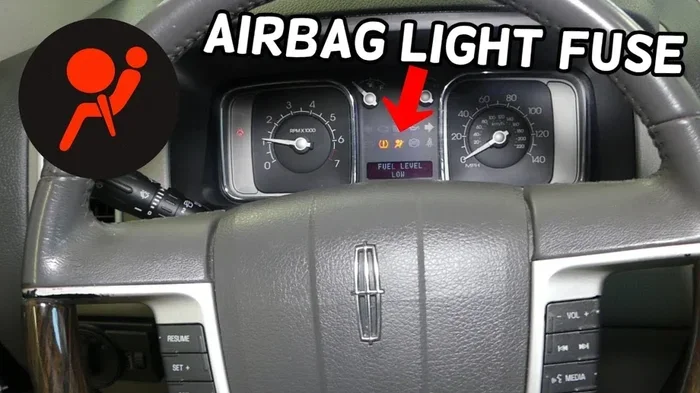
You are driving down the road. You glance at the dashboard. And there it is. That little light shaped like a person sitting in a seat with a circle in front of it. Your airbag warning light is on. Your heart drops a little. You wonder what went wrong. Is it expensive to fix? Is your car safe to drive? And most importantly, can a blown fuse cause the airbag light to come on?
The short answer is yes. A blown fuse is one of the most common reasons your airbag light turns on. The airbag system, also known as the Supplemental Restraint System or SRS, depends on a steady flow of electricity. When the SRS fuse blows, that flow stops. The airbag control module loses power. And the warning light goes on to tell you something is wrong.
But there is more to the story than just a blown fuse. Sometimes the fuse is a symptom of a bigger problem. Corroded wires, a faulty sensor, or a damaged airbag control module can all cause fuses to blow repeatedly. That is why understanding the full picture matters. In this article, we will walk you through everything you need to know. From the basics of the airbag fuse to step-by-step troubleshooting. We will help you understand what is happening under your dashboard and how to fix it.
Let us start with the basics. So you understand exactly how this system works and why a simple blown fuse can bring your entire safety system to a halt.
Understanding the Airbag System and the SRS Fuse
Your car’s airbag system is a complex network of sensors, wires, and modules. It is designed to deploy the airbag within milliseconds of a crash. But none of that can happen without electricity. And that electricity is protected by a fuse.
What Is the SRS Fuse?
The SRS fuse is a small but critical component. It sits in your vehicle’s fuse box and acts as a safety gate for the airbag circuit. If too much current flows through the circuit, the fuse melts and breaks the connection. This prevents damage to the airbag control module and other sensitive parts.
Think of the SRS fuse like a doorkeeper. It lets electricity flow when everything is normal. But it sacrifices itself when there is a surge. Once it blows, the circuit is open. The airbag system goes dark. And the warning light on your dashboard comes on.
Where Is the SRS Fuse Located?
Most vehicles have two fuse boxes. One is usually under the hood near the battery. The other is inside the cabin, often under the dashboard on the driver’s side. The SRS fuse can be in either location depending on your make and model.
To find yours, check your owner’s manual. It will have a diagram showing exactly where the SRS fuse is. Some vehicles also label it on the inside of the fuse box lid. Look for a fuse marked “SRS,” “Airbag,” or “Supplemental Restraint.”
How Does the Airbag System Use Fuses?
The airbag system uses more than one fuse in many vehicles. There is often a main power fuse and a separate fuse for the airbag control module. Some cars also have individual fuses for specific components like the seat belt pretensioner or the crash sensor.
Each fuse serves a specific purpose. If one blows, only part of the system goes down. But if the main SRS fuse blows, the entire airbag system shuts off. That is when you see the warning light on the dashboard.
Common Causes of a Blown Airbag Fuse
A fuse does not blow for no reason. There is always an underlying cause. Understanding what triggers a blown fuse helps you fix the real problem and not just the symptom.
Electrical Surges and Short Circuits
The most common cause of a blown SRS fuse is an electrical short circuit. This happens when a wire touches something it should not. Maybe a wire in the steering column gets pinched during a repair. Or moisture gets into a connector under the dashboard. Either way, the short causes too much current to flow. The fuse blows to protect the system.
Older vehicles are especially prone to this. Wiring insulation can crack and degrade over time. This exposes bare wires that can easily touch each other or the car’s frame.
Faulty Airbag Control Module
The airbag control module is the brain of the system. It monitors sensors and decides when to deploy the airbag. When this module starts to fail, it can draw too much current. That extra draw overloads the circuit and blows the fuse.
A failing module often shows other signs too. You might notice the airbag light flickering or staying on even after replacing the fuse. This is a clear signal that the module itself needs attention.
Damaged Wiring Harness
The wiring harness connects all the parts of the airbag system. It runs from the fuse box through the steering column to the dashboard and crash sensors. Over time, this harness can get damaged. Rodents might chew through the insulation. The harness might rub against a sharp edge and wear through. Any damage creates a path for excess current, which blows the fuse.
Corroded or Loose Fuse Socket
Sometimes the problem is not the fuse itself but the socket it sits in. A corroded socket creates resistance. That resistance generates heat. And heat can warp the socket or cause intermittent electrical issues. A loose socket can also make the fuse feel fine but fail to deliver consistent power to the airbag system.
Aftermarket Accessories and Improper Installations
Did you recently install a new stereo, LED lights, or an alarm system? Aftermarket accessories can overload the electrical system if not installed correctly. They might tap into circuits that were not meant to handle extra load. This can cause the SRS fuse to blow.
Symptoms of a Blown Airbag Fuse
Knowing the symptoms helps you catch the problem early. Here are the most common signs that your airbag fuse has blown:
- The airbag warning light stays on after starting the car. This is the number one sign. The light should turn off within a few seconds of ignition. If it stays on, something is wrong.
- The airbag system will not deploy in a crash. This is the most dangerous symptom. A blown fuse means the airbag is completely disabled.
- The seat belt pretensioner does not engage. Many vehicles share the same circuit for the pretensioner and the airbag. A blown fuse can disable both.
- Diagnostic trouble codes appear when you hook up a scan tool. Codes starting with “B” followed by numbers often point to the SRS system.
- Other electrical issues on the dashboard. Sometimes a blown SRS fuse affects related systems like the dashboard clock or the infotainment unit, depending on your vehicle.
How to Diagnose a Blown Fuse Causing the Airbag Light
Diagnosing a blown fuse is straightforward. You do not need to be a mechanic. But you do need to be careful. The airbag system involves explosive charges. Always disconnect the battery before working on any airbag component.
Step 1: Turn Off the Ignition
Start by turning the key to the off position. Remove the key from the ignition. Wait at least ten minutes. This allows the airbag system capacitor to discharge. Working on the system while it still has stored energy is dangerous.
Step 2: Locate the Fuse Box
Open the fuse box. Check your owner’s manual for the exact location. Pull out the SRS fuse using a fuse puller or a pair of needle-nose pliers. Look closely at the metal strip inside the fuse. If it is broken or melted, the fuse is blown.
Step 3: Check the Fuse Rating
Every fuse has a rating printed on top. The SRS fuse is usually rated between 15 and 30 amps. Check the rating against what is listed in your owner’s manual. Using the wrong amperage can cause the fuse to blow again or damage the system.
Step 4: Replace the Fuse
Replace the blown fuse with a new one of the exact same rating. Push it firmly into the socket. Turn the ignition on and watch the dashboard. If the airbag warning light turns off, the problem is solved.
Step 5: If the Light Comes Back On
If the light returns after replacing the fuse, you have a deeper problem. The new fuse blew because something else is wrong in the circuit. This is when you need to dig deeper. Check for damaged wiring, loose connections, or a failing control module.
Using a Multimeter for Testing
A multimeter is a handy tool for diagnosing electrical issues. Set it to continuity mode. Touch the probes to the fuse terminals. If there is no continuity, the fuse is definitely blown. You can also test the fuse socket for power with the ignition on. If there is power but the fuse still blows, you likely have a short circuit somewhere in the wiring.
Common Mistakes When Dealing with Airbag Fuse Issues
Many people make mistakes when trying to fix a blown airbag fuse. Here are the ones to avoid:
- Using a higher amp fuse. Some people think a bigger fuse will solve the problem. It will not. A higher amp fuse allows more current to flow. This can damage the airbag control module or even cause a fire.
- Ignoring the warning light. Some drivers just disconnect the bulb or ignore the light. This is extremely dangerous. Your airbag will not deploy in a crash if the system is disabled.
- Replacing the fuse without finding the root cause. If the new fuse blows again within minutes, something else is wrong. Keep replacing fuses without diagnosis can lead to expensive repairs down the road.
- Working on the airbag system with the battery connected. The airbag can deploy accidentally if the system still has stored energy. Always disconnect the battery and wait the recommended time.
- Bypassing the fuse entirely. Never remove the fuse and run the circuit without it. The fuse exists to protect you and your vehicle. Bypassing it removes that protection.
When to See a Professional Mechanic
Replacing a blown fuse is easy. But some situations require a professional touch. You should see a mechanic if:
- The airbag light stays on after you replace the fuse with a new one of the correct rating.
- The new fuse blows again shortly after you install it.
- You smell burning plastic or notice melted wires near the fuse box.
- You are not comfortable working with your vehicle’s electrical system.
- Your vehicle has an advanced airbag system with multiple modules and sensors that require specialized diagnostic equipment.
A professional mechanic has the tools and expertise to diagnose the root cause. They can use a diagnostic scan tool to read trouble codes from the airbag control module. These codes tell them exactly which part of the system is failing. This saves time and prevents costly guesswork.
How to Prevent Airbag Fuse Problems
Prevention is always better than repair. Here are some tips to keep your airbag system working properly:
- Check your fuses regularly. Make it part of your routine vehicle maintenance. A quick look at the fuse box every few months can catch problems early.
- Keep the engine bay clean and dry. Moisture is the enemy of electrical connections. Wipe up any spills under the hood promptly.
- Avoid overloading the electrical system. Be careful about adding too many aftermarket accessories. Each one draws power, and the cumulative load can stress the circuit.
- Address warning signs immediately. If you notice flickering lights or intermittent electrical issues, get them checked before they affect the airbag system.
- Use quality replacement parts. Cheap fuses may seem like a good deal. But they often have inconsistent ratings and can fail prematurely.
The Safety Risks of Driving with the Airbag Light On
This cannot be stressed enough. Driving with the airbag light on is a serious safety risk. Your airbag system is designed to protect you in a collision. When the system is disabled due to a blown fuse or other issue, that protection is gone.
In a moderate to severe crash, the airbag will not deploy. This means you and your passengers rely entirely on the seat belts for protection. The seat belt pretensioner may also be disabled if it shares the same circuit. The result is a significantly higher risk of injury.
Even if your car passes inspection in some states with the light on, that does not make it safe. The inspection might not test the airbag deployment system. Do not let a false sense of security put you and your family at risk.
Quick Tips for Fixing a Blown Airbag Fuse
- Always use the correct fuse rating specified in your owner’s manual.
- Keep spare fuses of the correct SRS rating in your glove box.
- Take a photo of the fuse box diagram before pulling any fuses. This makes reinstallation easier.
- Clean corroded fuse sockets with electrical contact cleaner before inserting a new fuse.
- Reset the airbag light after replacing the fuse using an OBD-II scan tool.
- Do not rush the process. Take your time to ensure every connection is secure and every fuse is properly seated.
Key Takeaways
- A blown fuse is one of the most common reasons the airbag light illuminates on your dashboard.
- The SRS fuse protects the airbag control module and must be intact for the system to work.
- Replacing a blown fuse is a simple fix, but recurring blows signal a deeper electrical problem.
- Driving with the airbag light on means your safety system is disabled and should be addressed immediately.
- A diagnostic scan tool can reveal trouble codes that point directly to fuse-related airbag failures.
- Corroded fuse sockets and damaged wiring are hidden causes that lead to repeated fuse blowouts.
- Professional diagnosis is recommended if you are unsure about checking or replacing fuses yourself.
Conclusion
So, can a blown fuse cause the airbag light to come on? Absolutely. A blown SRS fuse is one of the top reasons your airbag warning light turns on. It is often a simple fix that costs just a few dollars. But it should never be ignored. Your airbag system is one of the most important safety features in your vehicle.
If you find a blown fuse, replace it with the correct rating and see if the light goes off. If it does not, or if the new fuse blows again, dig deeper. Check for short circuits, damaged wiring, or a failing airbag control module. And when in doubt, take your car to a trusted mechanic.
Taking care of the airbag system is not just about passing an inspection. It is about keeping you and your passengers safe on every drive. A small fuse can make a big difference. Do not let a simple problem turn into a dangerous one.
FAQs
Can I drive my car if the airbag light is on?
Technically, yes, you can drive the car. But it is not safe. The airbag system is disabled when the light is on. In a crash, the airbag may not deploy, leaving you and your passengers with only the seat belts for protection. Get the issue fixed as soon as possible.
How much does it cost to replace an airbag fuse?
A replacement fuse costs only a few dollars, usually between $1 and $5. If you take it to a mechanic, you will pay for labor as well, which typically runs between $50 and $100. The fuse itself is not expensive, but the diagnosis of why it blew can add to the cost.
What does the airbag warning light look like?
The light shows a figure sitting in a seat with a circle in front of them. The circle represents the airbag. The light is usually red or amber. It should briefly illuminate when you start the car and then turn off. If it stays on, the system has detected a problem.
Can a loose fuse cause the airbag light to come on?
Yes, a loose or improperly seated fuse can cause the light to come on. The fuse may look fine but not make proper contact with the socket. This interrupts the electrical circuit and triggers the airbag warning light. Pushing the fuse back in firmly or cleaning the socket often solves this issue.
Will the airbag light reset itself after replacing the fuse?
In some cases, yes. The light may turn off automatically after you replace the fuse and cycle the ignition. In many vehicles, however, you need to use an OBD-II scan tool to clear the stored diagnostic trouble codes. The light will stay on until the codes are erased even if the underlying issue is fixed.
How do I find the SRS fuse in my vehicle?
Check your owner’s manual for the exact location and diagram. The SRS fuse is typically found in the under-hood fuse box or the interior fuse box under the dashboard. It may be labeled “SRS,” “Airbag,” or “Supplemental Restraint.” The manual will also show the correct fuse rating.