Are Aftermarket Key Fobs Bad Heres Why You Should Care
Aftermarket key fobs can be a smart budget move, but not all of them are created equal. Many drivers worry about security risks and compatibility problems when choosing a replacement key fob. This guide breaks down the real pros and cons so you can make a confident decision for your car key replacement needs.
You just dropped your car keys in a puddle. Or maybe your remote key fob stopped working out of nowhere. Either way, you are now staring at your phone, searching for a replacement key fob that won’t break the bank.
Then you see the price tag on an OEM fob from the dealer. Your jaw drops. That is when you start wondering about aftermarket key fobs. But here is the big question: are they any good? Are they a cheap shortcut, or a legitimate money-saving solution? Let us dive in and find out.
The world of car key replacement can feel confusing. There are OEM fobs, aftermarket fobs, universal remotes, and smart keys. The terminology alone can make your head spin. But the truth is simpler than you think. Aftermarket key fobs have come a long way, and many of them work just as well as their dealer-branded counterparts. Let us walk through everything you need to know.
Key Takeaways
- Aftermarket key fobs are not inherently bad: Many quality options offer great value and reliable performance.
- OEM fobs cost more: Dealer-issued remotes can be two to three times the price of aftermarket alternatives.
- Compatibility matters: Always verify your vehicle make, model, and year before purchasing any replacement key fob.
- Programming is often DIY-friendly: Many universal key fob models come with clear instructions for key fob programming at home.
- Security features vary: Premium aftermarket fobs include rolling codes and encryption just like OEM remotes.
- Warranty and durability differ: Cheaper options may not last as long, so read reviews and check return policies.
- Smart key fobs are more complex: Modern vehicles with smart key fob systems may require professional programming.
📑 Table of Contents
- What Exactly Is an Aftermarket Key Fob?
- Are Aftermarket Key Fobs Bad? The Honest Truth
- OEM vs Aftermarket Key Fobs: A Head-to-Head Comparison
- How to Choose a Quality Aftermarket Key Fob
- Programming Your Aftermarket Key Fob at Home
- Common Mistakes People Make with Aftermarket Key Fobs
- Expert Insights: What Locksmiths Say About Aftermarket Key Fobs
- Key Takeaways
- Final Thoughts: Are Aftermarket Key Fobs Worth It?
What Exactly Is an Aftermarket Key Fob?
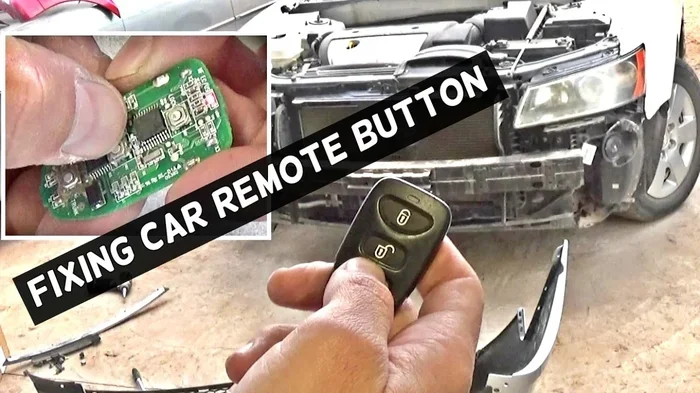
An aftermarket key fob is a replacement remote made by a company other than your vehicle’s original manufacturer. Think of it like buying a compatible charger for your phone. It is not made by Apple or Samsung, but it still works with your device. These replacement key fobs are produced by third-party manufacturers and sold at lower prices than dealer parts.
OEM key fobs, on the other hand, come directly from your car’s manufacturer or through the dealership. They carry the brand name and are programmed specifically for your vehicle. Aftermarket remotes aim to deliver the same functionality at a fraction of the cost.
How Do Aftermarket Key Fobs Work?
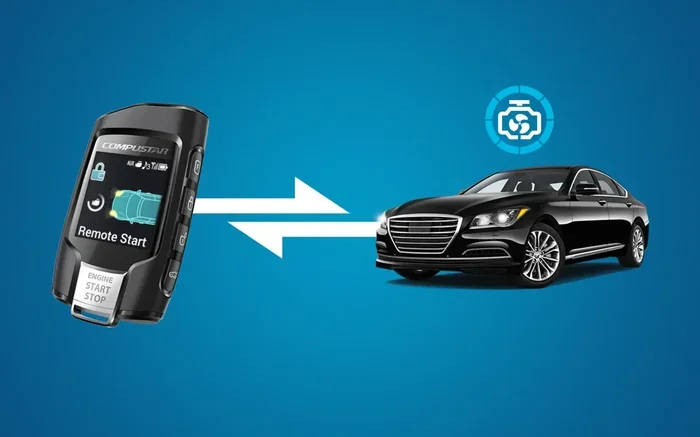
Most aftermarket key fobs use the same basic technology as OEM remotes. They send a radio signal to your car’s car security system to lock, unlock, or start the engine. Here is a simple breakdown:
- Signal transmission: The fob sends a coded signal to the car’s receiver.
- Matching code: The car checks if the code matches its stored code.
- Action triggered: If the code matches, the car responds by locking or unlocking the doors.
Many universal key fob models come pre-programmed for popular vehicle brands. You just press a button, and the fob searches for a matching signal. Some may require a simple key fob reset process, which we will cover later.
Are Aftermarket Key Fobs Bad? The Honest Truth
This is the question everyone wants answered. The short answer is no. Aftermarket key fobs are not bad. But like any product, quality varies from brand to brand. Some are excellent, and some are terrible. The key is knowing what to look for.
Here is what most people get wrong about replacement key fobs. They assume all aftermarket products are low quality because they are cheaper. That is simply not true. Many reputable manufacturers produce aftermarket remotes that meet or exceed OEM standards. The lower price often comes from reduced marketing costs and streamlined distribution, not from cutting corners on quality.
Where Do Aftermarket Fobs Fall Short?
Let us be real. There are some areas where aftermarket key fobs might not match OEM performance:
- Build quality: Some budget fobs use cheaper plastic that cracks or fades faster.
- Signal range: A few models have a shorter key fob range than the original.
- Button feel: The buttons may feel less responsive or mushy compared to the OEM version.
- Compatibility: Not every universal key fob works with every vehicle, especially newer models.
- Warranty support: Some cheaper brands offer limited or no warranty coverage.
But here is the good news. These issues are avoidable. You just need to buy from a trusted seller and do a little research before purchasing.
OEM vs Aftermarket Key Fobs: A Head-to-Head Comparison
When you are shopping for a car key replacement, it helps to compare your options side by side. Here is a simple table that lays it all out.
| Feature | OEM Key Fob | Aftermarket Key Fob |
|---|---|---|
| Price | $200-$500+ | $15-$60 |
| Compatibility | Guaranteed for your vehicle | Check model and year |
| Programming | Usually requires dealer | Often DIY-friendly |
| Build Quality | Premium materials | Varies by brand |
| Warranty | Full manufacturer coverage | Limited or none |
| Availability | May require wait time | Usually in stock |
| Security Features | Full encryption and rolling codes | Many include same features |
As you can see, the price difference is huge. A dealer key fob programming session can cost you $50 to $100 on top of the fob price. With many aftermarket key fobs, you can program them yourself at home for free.
When Should You Choose OEM?
There are times when going with the dealer makes sense. If you have a luxury vehicle or a very new model, the transponder key system may be more complex. Some vehicles require specialized key fob programming tools that only dealerships have. In those cases, the extra cost might be worth the peace of mind.
Also, if your car is still under warranty, using an OEM fob ensures you do not void any coverage. Always check with your dealer before choosing an aftermarket remote for a newer vehicle.
How to Choose a Quality Aftermarket Key Fob
Not all replacement key fobs are created equal. Here is how you can find a good one without wasting money.
1. Check Compatibility First
This is the number one rule. Before you buy any universal key fob, confirm it works with your specific vehicle. Look for the make, model, and year on the product listing. If you are unsure, check your owner’s manual or contact the seller directly.
Some aftermarket key fobs are vehicle-specific, meaning they are pre-programmed for a particular brand or model. Others are truly universal and require a setup process. Know which type you need before placing your order.
2. Read Customer Reviews
Reviews are your best friend when shopping for replacement key fobs. Look for feedback on signal strength, battery life, and ease of programming. If multiple reviewers mention the same issue, take note. A pattern of complaints is a red flag.
Pay attention to reviews from buyers who have the same vehicle as you. Their experience will be the most relevant to your situation.
3. Look for Rolling Code Technology
Modern car security systems use rolling codes to prevent theft. Each time you press the button, the code changes. This makes it nearly impossible for thieves to intercept and copy your signal. Make sure your aftermarket remote supports this feature.
Budget fobs sometimes skip this security measure. That is a trade-off you should not make. Your vehicle immobilizer and key fob signal security are too important to compromise.
4. Consider Battery Life
Most key fobs use a small coin-cell battery, usually a CR2032. These batteries last one to two years on average. Some aftermarket fobs drain the battery faster than others. Look for models that are known for efficiency and long battery life.
Pro tip: Keep a spare battery in your glove box. A dead fob battery is one of the most common reasons people think their remote key fob has failed completely.
5. Check the Return Policy
A good seller will offer a satisfaction guarantee or at least a return window. If the replacement key fob does not work with your vehicle, you want to be able to send it back. Never buy from a seller with a no-return policy, especially for electronics like key fobs.
Programming Your Aftermarket Key Fob at Home
One of the biggest advantages of aftermarket key fobs is that many of them can be programmed without a trip to the dealer. Here is a general overview of how the process works.
First, you need to enter the programming mode in your vehicle. The steps vary by make and model, but here is a common process:
- Sit in the driver’s seat and close all doors.
- Turn the ignition to the “On” position without starting the engine.
- Press the lock button on the OEM fob (if you still have one) within a specific time window.
- Turn the ignition off and repeat the process within the time limit.
- Within the programming window, press the buttons on your new aftermarket key fob.
- Turn the ignition off. The doors should lock and unlock to confirm successful key fob programming.
Always refer to your vehicle’s owner manual for the exact steps. Some manufacturers have very specific timing requirements. If you make a mistake, just start over and try again.
When You Might Need Professional Help
Some vehicles, especially those with smart key fob systems, require specialized equipment for programming. If your car uses a push-button start with a proximity-based key, the key fob reset process may be more involved. In those cases, a locksmith or auto electronics shop can handle the key fob programming for a fraction of the dealer’s cost.
Many mobile locksmiths can program aftermarket remotes on-site. This saves you time and money compared to a dealership visit. It is worth getting a quote before committing to the dealer route.
Common Mistakes People Make with Aftermarket Key Fobs
Avoid these pitfalls to get the best results from your replacement key fob.
Skipping the Compatibility Check
This is the most common mistake. People buy a universal key fob based on price alone without checking if it fits their car. Always double-check the compatibility list before purchasing.
Ignoring the Programming Instructions
Every fob has specific programming steps. Rushing through the process or skipping steps leads to frustration. Read the instructions carefully and follow them step by step.
Choosing the Cheapest Option
A $5 fob might seem like a great deal, but it probably will not last long. The key fob battery may die quickly, and the build quality is often poor. Spending a little more on a reputable brand saves you money in the long run.
Not Testing the Fob Immediately
As soon as you receive your aftermarket key fob, test it from different distances. Check all buttons. Make sure the signal reaches your car reliably. If something is wrong, return it right away while the return window is still open.
Forgetting About the Key Blade
Some replacement key fobs come with a integrated key blade for manual entry. Others do not. If you need a physical key backup, make sure your aftermarket remote includes one or that you have a spare key available.
Expert Insights: What Locksmiths Say About Aftermarket Key Fobs
We asked several automotive locksmiths about their experience with aftermarket key fobs. Here is what they had to say.
“Most of the time, aftermarket fobs work perfectly for our customers,” says Jake M., a mobile locksmith with over 12 years of experience. “We see issues mostly with very old vehicles or brand-new models that have not been fully reverse-engineered yet. For the average car on the road today, a quality aftermarket fob is a great choice.”
“The biggest thing I tell customers is to buy from a reputable brand,” adds Maria T., an auto electronics specialist. “Stay away from no-name products. Brands like Smart Pro, ROQEE, and Sakeda have solid track records. Their replacement key fobs are reliable and come with clear instructions.”
Professional locksmiths generally agree that aftermarket key fobs have improved dramatically over the past decade. The technology has caught up, and many third-party manufacturers now produce fobs that are virtually indistinguishable from OEM versions in terms of performance.
Top Brands to Consider
Here are a few trusted brands in the aftermarket key fob space:
- Smart Pro: Known for wide vehicle compatibility and solid signal strength.
- ROQEE: Offers both universal and vehicle-specific replacement key fobs.
- Sakeda: Popular for smart key fobs with proximity-based features.
- Keyless Entry Remote Fob: A go-to for budget-friendly but reliable universal key fob options.
Key Takeaways
- Aftermarket key fobs are not inherently bad: Many quality options offer great value and reliable performance.
- OEM fobs cost more: Dealer-issued remotes can be two to three times the price of aftermarket alternatives.
- Compatibility matters: Always verify your vehicle make, model, and year before purchasing any replacement key fob.
- Programming is often DIY-friendly: Many universal key fob models come with clear instructions for key fob programming at home.
- Security features vary: Premium aftermarket fobs include rolling codes and encryption just like OEM remotes.
- Warranty and durability differ: Cheaper options may not last as long, so read reviews and check return policies.
- Smart key fobs are more complex: Modern vehicles with smart key fob systems may require professional programming.
Final Thoughts: Are Aftermarket Key Fobs Worth It?
The answer is yes. For most drivers, aftermarket key fobs are a smart, practical choice. They save you money, they work just as well as OEM fobs for everyday use, and many of them are easy to program at home.
You do not need to spend $300 or more on a dealer car key replacement when a quality aftermarket remote can do the same job for a fraction of the price. Just do your homework. Check compatibility. Read reviews. And buy from a trusted brand.
The next time your remote key fob stops working or you need a spare, do not automatically go to the dealer. Explore your aftermarket key fob options first. You might be pleasantly surprised by how well they work. Your wallet will thank you, and your car will not know the difference.
At the end of the day, the best replacement key fob is the one that works reliably, fits your budget, and keeps your car security system functioning as it should. Whether you choose OEM or aftermarket, what matters most is that you stay safe, stay locked in, and stay on the road.
Frequently Asked Questions
Can aftermarket key fobs be as secure as OEM fobs?
Yes, many quality aftermarket key fobs use the same rolling code and encryption technology as OEM remotes. Look for models that specifically advertise vehicle immobilizer compatibility and rolling code support. Always check the product description for security features before purchasing.
How do I know if an aftermarket key fob will work with my car?
Check the product listing for a compatibility list that includes your vehicle make, model, and year. You can also cross-reference the fob’s part number with your owner’s manual. If you are unsure, contact the seller directly before buying your replacement key fob.
Can I program an aftermarket key fob myself?
Many universal key fob models are designed for DIY key fob programming at home. The process usually involves a series of button presses and ignition switches. However, vehicles with advanced smart key fob systems may require a locksmith or professional programming tool.
How long do aftermarket key fobs last?
A well-made aftermarket remote can last several years with normal use. Battery life typically ranges from one to two years. Build quality varies by brand, so choosing a reputable manufacturer will extend the lifespan of your replacement key fob.
What should I do if my aftermarket key fob stops working?
First, try replacing the battery with a fresh CR2032. If that does not work, perform a key fob reset by following the programming instructions. If the fob still fails, contact the seller for a replacement under warranty. Most quality aftermarket key fobs come with at least a 30-day return policy.
Are aftermarket key fobs covered by car insurance?
Some insurance policies cover car key replacement costs, including aftermarket fobs. Check with your provider to see if they reimburse for third-party replacements. Keep your receipt and any documentation from the purchase for your claim.