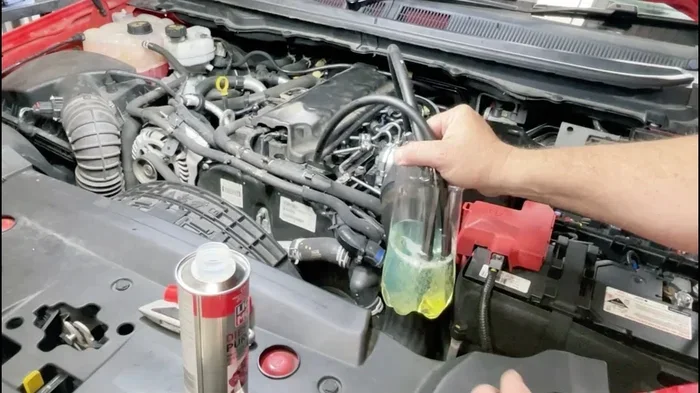
How Do You Use Diesel Injector Cleaner the Right Way
Using diesel injector cleaner is one of the simplest ways to keep your diesel engine running smoothly and efficiently. This guide walks you through the exact steps to add cleaner to your fuel tank, how often to do it, and what results to expect. You will learn how diesel injector cleaner removes harmful deposits, restores fuel flow, and improves overall diesel engine performance without expensive mechanic visits.
Your diesel engine works hard every single day. It powers through long hauls, heavy loads, and tough terrain. But over time, something sneaky happens inside your fuel system. Tiny deposits build up on your fuel injectors. These deposits restrict fuel flow and mess with how your engine burns diesel fuel. The result? Rough idling, poor fuel economy, and sluggish acceleration. This is exactly where a good diesel injector cleaner comes in. It dissolves those deposits and restores proper fuel spray patterns. In this guide, we will show you exactly how to use diesel injector cleaner the right way.
Many drivers wait until something goes wrong before they think about their fuel system. By then, the damage may already be done. But here is the good news. Using a diesel injector cleaner is incredibly simple. You do not need a mechanic. You do not need fancy equipment. All you need is the right product and about five minutes of your time. Whether you own a diesel pickup truck, a work van, or a daily driver SUV, this guide has you covered. Let us dive in and get your fuel system clean and running at its best.
Key Takeaways
- Easy Process: Adding diesel injector cleaner to your fuel tank takes only minutes and requires no special tools.
- Regular Use Matters: Treating your fuel system every 3,000 to 5,000 miles prevents buildup and keeps injectors flowing freely.
- Noticeable Results: You can expect better fuel economy, smoother idling, and improved engine power after a single treatment.
- Choose the Right Product: Not all cleaners are equal. Look for EPA-approved formulas designed for diesel fuel systems.
- Prevention Over Repair: Consistent use of diesel injector cleaner avoids costly injector replacements and engine damage.
- Works With All Diesel Engines: Whether you drive a pickup, SUV, or commercial truck, diesel fuel additives benefit every diesel engine.
📑 Table of Contents
- What Is Diesel Injector Cleaner and Why Does It Matter?
- How to Use Diesel Injector Cleaner Step by Step
- How Often Should You Use Diesel Injector Cleaner?
- Types of Diesel Injector Cleaners
- Common Mistakes to Avoid When Using Diesel Injector Cleaner
- Benefits of Regular Diesel Injector Cleaning
- Quick Tips for Best Results
- Expert Insights on Diesel Fuel System Maintenance
- Conclusion
What Is Diesel Injector Cleaner and Why Does It Matter?
Before you learn how to use diesel injector cleaner, it helps to understand what it actually does. A diesel injector cleaner is a fuel additive. You pour it directly into your fuel tank. It mixes with your diesel fuel and travels through the fuel system. As it passes through the injectors, it dissolves carbon deposits, varnish, and other buildup. Clean injectors spray fuel in a fine, even mist. This mist burns more completely and efficiently inside the combustion chamber.
Over time, diesel injectors can become clogged. This is especially true if you frequently drive short distances or use lower-quality fuel. Carbon buildup inside the injector nozzle changes the spray pattern. Instead of a fine mist, the fuel sprays in uneven streams. This leads to incomplete combustion. Incomplete combustion means less power and more emissions. It also means you burn more fuel than you need to. Using a quality diesel fuel additive prevents this cycle from starting in the first place.
How Dirty Injectors Affect Your Engine
Dirty injectors cause a chain reaction of problems inside your diesel engine. Here are the most common symptoms you might notice:
- Rough or uneven idling. The engine shakes or sounds unstable when you are stopped.
- Reduced fuel economy. You fill up more often even though your driving habits have not changed.
- Difficulty starting the engine. Especially in cold weather when proper fuel atomization matters most.
- Engine misfires. One or more cylinders do not fire correctly, causing a jerky feeling.
- Sluggish acceleration. The engine feels slow to respond when you press the gas pedal.
- Black exhaust smoke. This signals incomplete fuel combustion, often caused by dirty injectors.
If you notice any of these signs, it is a strong signal that your fuel injectors need attention. A quality diesel injector cleaner can often reverse these symptoms quickly and affordably.
How to Use Diesel Injector Cleaner Step by Step
Now let us get into the practical part. Using diesel injector cleaner is one of the easiest maintenance tasks you can do for your vehicle. Follow these steps carefully for the best results.
Step 1: Choose the Right Cleaner
Not all fuel additives are created equal. Some are designed for gasoline engines only. You need a product specifically formulated for diesel fuel systems. Look for a cleaner that is EPA registered and safe for all diesel engines, including those with diesel particulate filters. Popular brands like Chevron Techron, Stanadyne, and Liqui Moly make excellent diesel-specific formulas. Read the label carefully to confirm it works on diesel injectors and not just general fuel system cleaning.
Step 2: Check the Dosage Instructions
Every cleaner has its own dosage recommendation. Some products treat one tank of fuel. Others may require two bottles for larger tanks. The dosage depends on the concentration of the active cleaning ingredients. Always follow the manufacturer’s instructions on the back of the bottle. Using too little may not clean effectively. Using too much will not cause harm in most cases, but it wastes product. The right dosage ensures the cleaner dissolves deposits thoroughly without overwhelming the fuel system.
Step 3: Add the Cleaner to a Nearly Empty Tank
This is the most important step. Pour the diesel injector cleaner into your fuel tank when it is nearly empty. A nearly empty tank means the cleaner will mix more concentrated with the incoming diesel fuel. This creates a stronger cleaning solution that reaches the injectors faster. If you add the cleaner to a full tank, it gets diluted immediately. The cleaning agents may not be strong enough to dissolve heavy deposits. So, drive until your fuel gauge shows about a quarter tank or less before adding the cleaner.
Step 4: Fill Up with Diesel Fuel
After pouring in the cleaner, immediately fill the tank with fresh diesel fuel. The fuel dilutes the cleaner to the proper concentration for safe engine operation. As you drive, the mixture of treated fuel circulates through the fuel pump, fuel filter, and into the injectors. The cleaning agents work continuously as you drive. Most products recommend driving at least 50 to 100 miles after treatment. This allows the cleaner to fully cycle through the entire fuel system and reach all four or more injectors.
Step 5: Drive Normally and Observe Results
There is no need to drive differently after using diesel injector cleaner. Just drive as you normally would. Within a few tanks of fuel, you should start noticing improvements. Your engine may idle more smoothly. Acceleration may feel more responsive. You might even see better fuel economy on your next fill-up. Some drivers report a noticeable difference after just one treatment. For heavily clogged injectors, it may take two or three treatments for full results. Be patient and consistent.
How Often Should You Use Diesel Injector Cleaner?
Frequency depends on several factors. Your driving habits, fuel quality, and engine age all play a role. Here is a general guideline to follow:
- Every 3,000 to 5,000 miles: This is the standard recommendation for most diesel vehicles. It keeps injectors clean and prevents buildup.
- Every oil change: Many diesel owners pair injector cleaning with regular oil changes. This creates a consistent maintenance routine.
- Before seasonal storage: If you store your diesel vehicle for winter or summer, treat the fuel system before storing it. Clean injectors prevent fuel degradation issues.
- After using low-quality fuel: If you have to fill up at a station with questionable fuel quality, use a cleaner at your next tank.
Consistency is the key to long-term engine health. Think of diesel injector cleaner like brushing your teeth. A little effort regularly prevents big problems later. Skipping treatments allows deposits to accumulate. Once deposits harden, they become much harder to remove. Regular use keeps the cleaning process simple and effective.
Signs You Need a Cleaner Right Now
You do not have to wait for a scheduled interval. If you notice any warning signs, treat your fuel system immediately. Watch for these indicators:
- Check engine light illuminating with fuel-related trouble codes.
- Decreased fuel economy that cannot be explained by driving changes.
- Unstable idle that worsens over time.
- Difficulty starting especially after the vehicle sits for a few days.
- Increased exhaust smoke during acceleration or at idle.
Addressing these symptoms early with a diesel injector cleaner can save you from expensive repairs down the road. A small bottle of cleaner costs far less than replacing a set of fuel injectors.
Types of Diesel Injector Cleaners
The market offers several types of fuel system cleaners. Understanding the differences helps you choose the right product for your needs.
Single-Tank Treatments
These are the most common type of diesel injector cleaner. You pour one bottle into your tank and fill it up. The cleaner works over the course of one full tank of fuel. Single-tank treatments are convenient and affordable. They work well for routine maintenance and light deposit removal. Most drivers use these every 3,000 to 5,000 miles as part of regular fuel system maintenance.
Concentrated or Heavy-Duty Cleaners
For severely clogged injectors, a concentrated cleaner works best. These products have a higher concentration of cleaning solvents. They often require a longer soak time or multiple treatments. Heavy-duty cleaners are ideal for older diesel engines or vehicles that have been neglected. They can dissolve stubborn carbon buildup that single-tank treatments cannot handle. Use these when you notice strong symptoms of dirty injectors.
Two-Stage Cleaning Systems
Some premium products offer a two-stage cleaning process. The first stage dissolves loose deposits. The second stage polishes and protects the injector surfaces. These systems provide the most thorough cleaning available in an off-the-shelf product. They are excellent for diesel trucks and commercial vehicles that depend on peak engine performance. While they cost more, they deliver superior results for high-mileage engines.
Common Mistakes to Avoid When Using Diesel Injector Cleaner
Even though using diesel injector cleaner is simple, some mistakes can reduce its effectiveness. Here are the most common errors drivers make:
Adding Cleaner to a Full Tank
This is the number one mistake. When you add cleaner to a full tank, the cleaning agents get immediately diluted. The concentration becomes too weak to dissolve deposits effectively. Always add cleaner to a nearly empty tank for maximum impact. The cleaner needs to sit in the fuel system at full strength before the fresh diesel dilutes it.
Using a Gasoline Engine Cleaner
Gasoline injector cleaners and diesel injector cleaners are not the same. The chemical formulations differ significantly. Using a gasoline cleaner in a diesel engine can cause damage. Always verify the product is specifically labeled for diesel use. Check the back of the bottle for “safe for diesel” or “for diesel fuel systems only.”
Skipping Multiple Treatments for Severe Buildup
Some drivers use one bottle and expect miracles. For light buildup, one treatment may be enough. But for heavy deposit accumulation, one bottle will not do the job. Be prepared to use two or three treatments spaced 500 to 1,000 miles apart. Patience and consistency deliver the best long-term results for your fuel injection system.
Ignoring the Fuel Filter
When you clean your injectors, loosened debris flows through the fuel system. This debris collects in the fuel filter. If your fuel filter is already old and clogged, the cleaning process can make things worse. Replace your fuel filter before or after a cleaning treatment. This ensures the debris has somewhere to go and does not re-enter the system.
Not Driving Enough After Treatment
The cleaner needs to circulate through the entire fuel system to work properly. If you add the cleaner and then let the car sit for a week, the cleaning agents do not reach all the injectors. Drive at least 50 to 100 miles after treatment. This ensures the cleaner fully cycles through the fuel pump, filter, lines, and injectors.
Benefits of Regular Diesel Injector Cleaning
Using diesel injector cleaner regularly delivers a long list of benefits. Here is what you can expect when you make it part of your routine maintenance:
- Improved fuel economy. Clean injectors deliver fuel more efficiently. Your engine burns less diesel for the same amount of work. Over time, this saves you real money at the pump.
- Smoother engine operation. Clean injectors create a perfect fuel mist. This leads to more consistent combustion and a smoother-running engine.
- Better engine power. When fuel burns completely, your engine produces maximum power. You will notice improved throttle response and towing capability.
- Reduced emissions. Complete combustion means fewer harmful exhaust gases. Your engine runs cleaner and meets emissions standards more easily.
- Longer injector lifespan. Regular cleaning prevents the deposits that cause injectors to fail. Your fuel injectors last longer and perform better.
- Easier cold starts. Clean injectors atomize fuel better, which makes starting your diesel engine in cold weather much easier.
- Lower repair costs. Preventive maintenance with diesel injector cleaner costs pennies compared to replacing damaged injectors or repairing engine damage from poor combustion.
Quick Tips for Best Results
Here are some expert tips that make a real difference when using diesel injector cleaner:
- Treat your fuel system before long road trips. Clean injectors ensure your engine performs at its best for the entire journey.
- Store your diesel vehicle with a full tank. This reduces condensation inside the tank and keeps the fuel system in good condition.
- Use premium diesel fuel when possible. Higher-quality diesel contains fewer contaminants that cause injector deposits.
- Combine injector cleaning with fuel filter replacement. This gives the cleaning agents a clean path to reach the injectors.
- Keep a maintenance log. Track when you add cleaner and note any changes in performance. This helps you find the best schedule for your specific vehicle.
- Warm up the engine before adding cleaner. A warm engine allows the cleaner to mix and circulate more effectively after you fill up.
Expert Insights on Diesel Fuel System Maintenance
Experienced diesel mechanics agree on one thing. Prevention is always cheaper than repair. Regular use of diesel injector cleaner is the single most cost-effective thing you can do for your fuel system. Many professional truck drivers treat their fuel systems after every 3,000 miles. They understand that clean injectors translate directly to better performance and lower operating costs.
Modern diesel engines use extremely tight tolerances in their fuel injectors. Even microscopic deposits can disrupt the precise spray pattern needed for optimal combustion. This is why diesel engine maintenance with quality fuel additives is not optional. It is essential. The best approach combines regular injector cleaning with good fuel habits. Use clean, quality diesel fuel. Replace your fuel filter on schedule. And never skip your diesel injector cleaner treatments.
Some drivers worry that fuel additives might damage sensitive engine components. Modern diesel fuel additives are formulated to be safe for all engine parts, including seals, gaskets, and diesel particulate filters. As long as you use a reputable product designed for diesel engines, you have nothing to worry about. The cleaning agents target carbon and varnish deposits specifically. They do not harm rubber seals or metal components when used as directed.
Conclusion
Using diesel injector cleaner the right way is simple, affordable, and incredibly effective. You now know exactly what this product does, how to add it to your fuel tank, and how often to use it. You understand the common mistakes to avoid and the benefits you can expect. The most important takeaway is this: regular maintenance with a quality diesel injector cleaner keeps your engine running strong for years to come.
Do not wait for symptoms to appear. Make injector cleaning part of your regular fuel system maintenance schedule. Your diesel engine will reward you with better fuel economy, smoother operation, and fewer repair bills. Grab a bottle of diesel injector cleaner at your next fuel stop. Your engine will thank you every time you turn the key.
Frequently Asked Questions
Can I use diesel injector cleaner in a gasoline engine?
No, you should never use a diesel injector cleaner in a gasoline engine. The chemical formulations are different and designed for specific fuel types. Always check the product label to confirm it matches your engine type. Using the wrong cleaner can damage fuel system components.
How long does it take for diesel injector cleaner to work?
Most diesel injector cleaners start working immediately after you add them to your fuel tank and drive 50 to 100 miles. However, you may not notice dramatic results until after a few tanks of treated fuel. For heavy buildup, multiple treatments spaced over several hundred miles deliver the best outcomes.
Is it safe to use diesel injector cleaner with every fill-up?
Yes, most diesel injector cleaners are safe for use with every tank. However, following the manufacturer’s recommended frequency is the best approach. For most drivers, treating the fuel system every 3,000 to 5,000 miles provides excellent protection without overuse.
Will diesel injector cleaner fix a completely failed injector?
A cleaner can restore injectors that are clogged or partially blocked by deposits. However, if an injector has a mechanical failure like a cracked nozzle or damaged solenoid, a cleaner will not fix it. In those cases, the injector needs to be replaced or professionally repaired by a qualified diesel mechanic.
What is the difference between diesel injector cleaner and diesel fuel system cleaner?
The terms are often used interchangeably, but there is a subtle difference. An injector cleaner specifically targets the fuel injectors. A fuel system cleaner addresses the entire system, including the fuel pump, fuel lines, and combustion chambers. Some premium products offer both injector and full fuel system cleaning in one formula.
Can diesel injector cleaner improve my fuel economy?
Yes, clean injectors deliver fuel more precisely and efficiently. This leads to more complete combustion and better fuel economy. Many drivers report a 3 to 5 percent improvement in miles per gallon after treating their fuel system with a quality diesel injector cleaner. The exact results depend on how dirty your injectors were before treatment.