How Do I Turn My Car Key Off And Prevent Battery Drain
Knowing how do I turn my car key off is more important than most drivers realize. A simple mistake can lead to car battery drain and a vehicle that won’t start. This guide walks you through the correct steps to shut down your ignition safely. You will also learn proven tips to prevent battery drain and extend your battery life. Follow these easy steps to keep your car running strong.
Key Takeaways
- Know Your Key Positions: Understanding the different key positions helps you turn your car off correctly every time.
- Proper Shutdown Matters: Turning off your ignition the right way prevents electrical issues and car battery drain.
- Parasitic Drain Is Real: Even after you turn the key off, some electrical components continue drawing power.
- Daily Habits Make a Difference: Small changes like removing USB devices can save your battery maintenance routine.
- Watch for Warning Signs: Dim lights and slow cranking are early signs of car battery drain you should not ignore.
- Professional Help When Needed: Some battery issues need a mechanic, especially if the voltage regulator fails.
📑 Table of Contents
Understanding Your Car Key Positions
Every car key has different positions. Each one controls a part of your electrical system. Knowing what these positions do is the first step to turning your car off the right way. When you understand your key positions, you avoid mistakes that cause car battery drain.
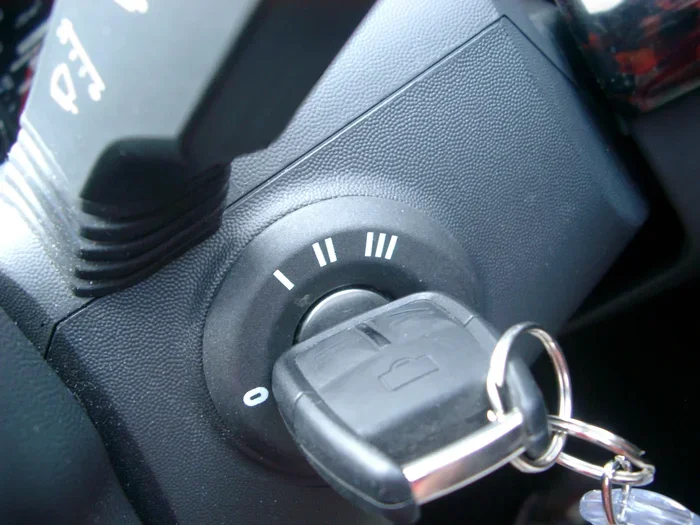
Most traditional keys have four main positions. They are Lock, Accessory, On, and Start. Newer cars with keyless entry work a bit differently. But the idea is the same. You need to know where your key or button should be when you finish driving.
The Standard Key Positions Explained
Let us break down each position so it is easy to understand.
- Lock Position: This is where the key turns off the engine and locks the steering wheel. The ignition switch disconnects the electrical system.
- Accessory Position: This lets you use the radio, power windows, and other car accessories without running the engine.
- On Position: All the electrical components are active. The dashboard lights up. The fuel pump gets power.
- Start Position: This is where the engine cranks and fires up. Once the engine runs, the key springs back to the On position.
What Each Position Does To Your Electrical System
Each position draws a different amount of power. The Lock position draws almost zero power. The On position keeps the dashboard lights and computer systems active. The Accessory position uses a small amount of power for the radio and lights. Understanding this helps you see why key removal matters so much for battery maintenance.
When you leave the key in the Accessory or On position, your car battery drain happens slowly over time. The electrical system keeps pulling power even though the engine is off. This is called parasitic draw. It can kill your battery in just a few days.
Step-by-Step: How Do I Turn My Car Key Off
How do I turn my car key off correctly? It is simpler than you think. But doing it the wrong way can damage your ignition switch or cause car battery drain. Follow these steps every time you park your car.
Turning Off a Traditional Key Ignition
Here is the proper way to shut down a traditional key ignition.
- Park the car completely. Put it in Park (automatic) or Neutral (manual). Apply the parking brake.
- Turn the key to the Off position. This is usually the first click back from the Start position.
- Wait for the dashboard lights to go off. This tells you the electrical system has powered down.
- Remove the key. Pull the key straight out of the ignition cylinder.
- Lock the steering wheel. Turn the wheel slightly after removing the key. This activates the anti-theft system.
Do not rush this process. Taking a few extra seconds protects your vehicle maintenance routine. It also extends the life of your ignition switch.
Turning Off a Keyless Start Vehicle
Cars with keyless start systems work a little differently. You do not insert a physical key. Instead, you press a button. Here is how to do it right.
- Press the engine stop button. Make sure your foot is on the brake pedal first.
- Check the dashboard. All lights should turn off. If they stay on, the car is still in accessory mode.
- Remove the key fob. Walk away with the fob in your pocket or bag. The car should lock automatically.
- Confirm the engine shutdown. Listen for the engine to stop. Watch for the exhaust to stop too.
If you leave the key fob inside the car, the electrical system stays active. This leads to car battery drain overnight. Always double-check before you walk away.
Quick Tips for Smooth Key Removal
- Never force the key out. If it sticks, gently wiggle the steering wheel while turning the key.
- Clean your ignition cylinder once a year to prevent buildup.
- Replace a worn key fob battery before it dies completely.
- Do not turn the key to Start and hold it there. This wears out the starter motor.
Why Does Your Car Battery Drain
Car battery drain is one of the most common problems drivers face. You leave the car parked overnight, and in the morning, the engine won’t start. Understanding why this happens is the best way to stop it.
The Hidden Culprits Behind Battery Drain
Several things drain your battery even when the car is off. Here are the most common ones.
- Interior lights left on: A dome light or trunk light left on can drain a battery in hours.
- Phone chargers plugged in: USB devices draw power even when the phone is fully charged.
- Faulty electrical components: A bad relay or fuse can keep power flowing when it should not.
- Aftermarket accessories: GPS units, dash cams, and audio systems can cause power draw when the car is off.
- Old battery: A battery older than three to five years loses its ability to hold a charge.
Parasitic Drain: What It Is and How It Works
Parasitic drain is the power your car uses even when it is turned off. Your anti-theft system, clock, radio memory, and onboard computer all need a small amount of power. This is normal. But when something goes wrong, the drain becomes too high.
A healthy car should lose less than 50 milliamps of power overnight. If your electrical system draws more than that, something is wrong. A mechanic can test this with a special tool called a multimeter. This test tells you if car battery drain is normal or a sign of a deeper problem.
The voltage regulator also plays a role. It controls how much power flows to the battery while the engine runs. If it fails, your battery either overcharges or undercharges. Both problems lead to a dead battery eventually.
Common Mistakes That Cause Battery Drain
Most car battery drain problems come from simple daily habits. These mistakes are easy to fix once you know what they are.
Mistakes People Make Every Day
- Leaving the key in the Accessory position: This keeps the radio and lights powered without the engine running.
- Forgetting to turn off headlights: Modern cars have auto-off features, but older models do not.
- Not removing the key fob from the car: Even in your pocket, the car may not fully power down if the fob is too close.
- Ignoring dashboard warning lights: A lit check engine light or battery light means something needs attention.
- Short trips without longer drives: Short trips do not give the alternator enough time to recharge the battery fully.
How To Avoid These Habits
Breaking these habits takes a little effort. But the payoff is huge. You will spend less time stranded and more time driving. Here are simple ways to avoid the most common mistakes.
- Make a parking routine. Every time you park, check the lights, remove the key, and unplug chargers.
- Set a phone reminder. If you often forget things, a quick reminder can save your battery.
- Use a battery tender. This device keeps your battery at the right charge level during long storage periods.
- Drive longer trips when possible. A 30-minute drive gives the alternator time to fully recharge the battery.
Practical Tips To Prevent Battery Drain
Preventing car battery drain is much easier than fixing it. A few smart habits can keep your battery strong for years. These tips work for both traditional keys and keyless entry systems.
Daily Habits That Protect Your Battery
Start with these simple daily habits. They take less than a minute and save you from a lot of trouble.
- Turn off all accessories before shutting down. This includes the radio, AC, and heated seats.
- Remove all USB devices and chargers. Do not leave them plugged into the power outlets.
- Close all doors and the trunk completely. A slightly open door can leave interior lights on.
- Turn off the headlights manually if your car does not have auto-off.
- Lock the car using the remote or key. This confirms the anti-theft system is active and the car is fully off.
Long-Term Battery Maintenance Strategies
Beyond daily habits, long-term care keeps your battery in top shape. Here is what you should do.
- Test your battery every six months. Auto parts stores often offer free battery tests.
- Clean the battery terminals. Corrosion on the terminals reduces power flow. Use a wire brush and baking soda solution.
- Check the voltage regulator during oil changes. A mechanic can test the alternator output quickly.
- Replace your battery every three to five years. Even if it seems fine, an old battery is more likely to fail.
- Drive your car at least once a week. If the car sits for too long, the battery loses its charge.
These steps take very little time. But they make a big difference. A well-maintained battery starts your car reliably in any weather. It also saves you money on vehicle maintenance costs over time.
When To See A Mechanic About Battery Drain
Sometimes car battery drain is not your fault. A mechanical problem could be the real cause. Knowing when to see a mechanic saves you from bigger repairs later.
Warning Signs You Should Not Ignore
Watch for these signs. They often point to an electrical problem that needs professional attention.
- The engine cranks slowly when you turn the key. This is one of the first signs of a weak battery.
- Dashboard lights are dimmer than usual. This suggests the electrical system is not getting enough power.
- The battery warning light stays on after startup. This could mean the alternator or voltage regulator is failing.
- You smell a sulfurous or rotten egg odor near the battery. This means the battery may be leaking.
- The car won’t start even after a full night of rest. This points to a serious drain or a dead battery.
What A Mechanic Will Check
When you take your car in, the mechanic will run a few tests. They will check the battery voltage and load capacity. They will also test the alternator output. A parasitic draw test tells them how much power the car uses when off. These tests help pinpoint the exact cause of the drain.
Do not wait too long to get help. A small problem like a bad relay can turn into a dead battery and a tow bill. Early action saves both time and money. It also keeps your vehicle maintenance on track.
Conclusion
How do I turn my car key off the right way? Now you know. The process is simple but important. Always park fully, turn the key to Off, wait for the lights to go dark, and remove the key or fob. These small steps protect your electrical system and prevent car battery drain.
Preventing battery drain goes beyond just turning the key off. It is about building smart daily habits and staying on top of battery maintenance. Clean your terminals, test your battery regularly, and replace it when the time comes. Watch for warning signs and visit a mechanic when something feels off.
Your car is a big investment. Taking care of the small things, like how you turn off the ignition, pays off in the long run. A healthy battery means fewer surprises and more reliable trips. Start following these tips today and feel the difference tomorrow.
Frequently Asked Questions
What happens if I leave my car key in the accessory position?
Leaving the key in the accessory position keeps the radio, dashboard lights, and other electrical components powered. This causes car battery drain over time. If left overnight, you may find your car won’t start in the morning.
How long can a car battery last with the key left in the on position?
It depends on the battery age and condition. A newer battery might last one to two days. An older battery could die in just a few hours. Always remove the key or fob after parking to avoid unnecessary power draw.
Can a faulty key fob battery cause car battery drain?
Yes, a weak key fob battery can cause problems. The car may not recognize when the fob is far enough away to fully power down. This keeps the electrical system active and leads to gradual car battery drain.
How do I know if my car has a parasitic battery drain?
Signs include a dead battery after sitting overnight, dim dashboard lights, or slow cranking. A mechanic can perform a parasitic draw test to measure the exact amount of power lost. Anything over 50 milliamps is considered excessive.
Should I turn off my car accessories before removing the key?
Yes, always turn off the radio, AC, heated seats, and any other car accessories before shutting down. This reduces the load on the electrical system and helps prevent car battery drain when the key is removed.
How often should I replace my car battery to prevent drain issues?
Most car batteries last three to five years. After that, their ability to hold a charge drops significantly. Replacing your battery on schedule is one of the best battery maintenance steps you can take to avoid unexpected engine shutdown problems.