The Hidden Downsides of Ignoring a Damaged Windshield
Driving with a damaged windshield puts your safety at serious risk. A small chip or crack can quickly spread, weaken your car’s structure, and block your view. Ignoring it can lead to costly replacements, failed inspections, and even insurance problems. This guide reveals every downside you need to know.
You see a tiny chip on your windshield. Maybe a small rock kicked up a crack overnight. You tell yourself it is no big deal. You have a lot going on. You will fix it later. Sound familiar?
Here is the truth. That small spot of damage is not just a cosmetic issue. A damaged windshield creates real dangers you cannot see. It weakens your car’s structure. It puts you and your passengers at risk. And it can cost you a lot more money over time.
In this article, we will walk through every downside of ignoring a damaged windshield. You will learn about safety risks, legal issues, hidden costs, and much more. By the end, you will understand why a quick fix today can save you big trouble tomorrow.
Key Takeaways
- Safety Risk: A damaged windshield weakens your car’s roof support and can fail during a crash.
- Cost Trap: Small chips turn into big cracks, forcing expensive full replacements instead of simple repairs.
- Legal Trouble: Many states have laws against driving with visible windshield damage.
- Insurance Impact: Filing a claim early saves money, but delaying can void coverage.
- Visibility Loss: Cracks and chips distort your view, making driving dangerous in all conditions.
- Resale Value: A damaged windshield lowers your car’s trade-in and resale value.
- Easy Fix: Most small chips can be repaired quickly and cheaply if you act fast.
📑 Table of Contents
- Why a Damaged Windshield Is More Than a Cosmetic Problem
- Safety Risks You Cannot Ignore
- How a Small Chip Becomes a Big Crack
- Legal and Insurance Consequences
- Long-Term Damage to Your Vehicle
- Impact on Resale and Trade-In Value
- Common Mistakes People Make With Windshield Damage
- Expert Insights on Windshield Damage
- Quick Tips: What to Do Right Now
- Conclusion
Why a Damaged Windshield Is More Than a Cosmetic Problem
Many people think a chip or crack is just a blemish. They assume the windshield is just a flat piece of glass. That is far from the truth. Your windshield plays a huge role in how your car performs and keeps you safe.
The Windshield Supports Your Car’s Structure
Your auto glass is not just there to keep wind and bugs out. It is a key part of your car’s frame. The windshield helps support the roof. During a rollover crash, a strong windshield keeps the roof from crushing into the cabin. When the glass is cracked or chipped, that support drops significantly.
Studies show that a cracked windshield can reduce the structural strength of your car by up to 30 percent. That number alone should make you pay attention. Even a tiny rock chip can start a chain of weakness that spreads across the glass.
It Keeps Airbags Working Properly
Here is something most drivers do not know. Your side and front airbags rely on the windshield to deploy correctly. The airbag bounces off the glass to cushion you. If the glass is weak or already cracked, it can shatter unevenly. This changes how the airbag works and can lead to serious injuries in a crash.
A damaged windshield can also affect airbag deployment timing. Even a few milliseconds matter in a collision. Keeping your glass intact is one of the easiest ways to protect yourself and your family.
Safety Risks You Cannot Ignore
Driving with a damaged windshield creates real and immediate safety threats. These are not theoretical risks. They happen every day on roads around the world.
Reduced Visibility While Driving
Cracks and chips block your line of sight. Sunlight glares off the damage. Rain fills the crack and makes everything blurry. At night, headlights from oncoming traffic scatter through the crack, creating blinding glare.
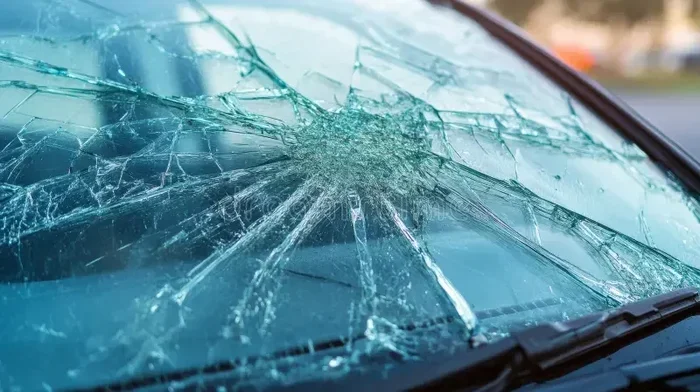
Even a small chip in windshield can distort your view enough to miss a stop sign or a pedestrian. Your eyes constantly adjust to the damage without you even realizing it. This causes eye strain and fatigue on long drives.
Here are common visibility problems caused by windshield damage:
- Glare from sunlight or headlights bouncing off cracks
- Rain or moisture pooling inside the crack
- Blurred lines at the edges of the damage
- Difficulty reading road signs through distorted glass
- Double vision or shadow effects near the crack
Windshield Shattering Risk
A damaged windshield is more likely to shatter on impact. Normal glass would just break into sharp pieces, but modern windshields use windshield lamination. Two layers of glass hold a plastic film in the middle. This keeps the glass from flying apart.
But when damage weakens those layers, the whole system fails. A small bump from a pothole or a minor fender-bender can cause the entire windshield to burst inward. That is a terrifying and dangerous situation no one wants to face.
How a Small Chip Becomes a Big Crack
One of the biggest mistakes drivers make is thinking a chip will stay small forever. It will not. A damaged windshield almost always gets worse over time. Here is why.
The Science Behind Crack Spread
Every time you drive, your car faces vibrations from the road. The engine rumbles. The tires hit bumps. The suspension absorbs uneven surfaces. All of this movement puts stress on the glass around the chip or crack.
Temperature changes make it even worse. On a hot day, the metal frame of your car expands. The glass expands too, but at a different rate. On a cold day, everything contracts. This back-and-forth creates what experts call a stress fracture. The crack grows a little bit each time.
Here is what triggers crack spread in a damaged windshield:
- Daily driving vibrations
- Sudden temperature changes, like blasting AC on a hot windshield
- Washing your car with cold water on a hot surface
- Bumpy roads and highway driving
- Carrying heavy loads that flex the car frame
The 24-Hour Rule
Auto glass experts often talk about the “24-hour rule.” If you get a chip or crack, you should get it looked at within 24 hours. The longer you wait, the more likely it is that dirt, moisture, and stress will work their way into the damage.
A simple windshield repair costs much less than a full windshield replacement. A small chip repair might run you $50 to $100. A full replacement can cost anywhere from $200 to $1,000 or more, depending on your vehicle. The math is clear. Fix it fast and save your money.
Legal and Insurance Consequences
Ignoring a damaged windshield can get you into legal trouble. It can also mess with your car insurance in ways you might not expect.
Traffic Laws and Fines
Most states and countries have laws about auto glass condition. If your crack or chip is in the driver’s direct line of sight, you can be pulled over. Officers consider it a safety violation. Fines vary by location but can range from $50 to $200 or more.
Some states use a “crack size” rule. If the crack is longer than a certain length, it is automatically a violation. Others look at whether the damage blocks your view. Either way, driving with a windshield crack is risky from a legal standpoint.
Insurance Claims and Coverage
Many people have comprehensive car insurance that covers windshield replacement. But here is the catch. Insurance companies expect you to act promptly. If you wait too long and the damage worsens, they may deny your claim.
They might say the damage was not reported in a timely manner. Or they might argue that neglect caused the crack to spread. Either way, you end up paying the full cost out of pocket. Filing a claim early shows good faith and protects your coverage.
Quick tip: Check your policy details. Many insurance plans cover windshield repair with no deductible at all. It costs you nothing to get it fixed. So there is no reason to delay.
Long-Term Damage to Your Vehicle
A damaged windshield does not just affect the glass itself. It can cause a chain of problems throughout your entire vehicle.
Rust and Water Leaks
Your windshield is sealed into the car frame with a special adhesive. When the glass is cracked, that seal weakens. Water and moisture sneak in around the edges. Over time, this causes rust on the metal frame around the window.
Rust is sneaky. It spreads quietly and weakens the structure of your car. A small rust spot can become a major repair job if you do not catch it early. All of this starts with a simple chip in windshield that nobody bothered to fix.
Interior Damage from UV Exposure
Cracks let harmful UV rays into your car. The dashboard, seats, and steering wheel all fade and crack faster when exposed to sunlight without protection. A healthy windshield blocks most UV radiation. A damaged windshield lets it right through.
Over months and years, this adds up. Your car interior ages faster. Your car also loses value. We will talk about that next.
Impact on Resale and Trade-In Value
When it is time to sell or trade in your car, every little detail counts. A damaged windshield is one of the first things buyers and dealers notice. It signals neglect. It tells them the car has not been well cared for.
Even if the crack is small, it drops your trade-in value. Dealers will either offer you less money or ask you to fix it first. A simple repair costs a fraction of what you lose in resale value. It just makes sense to take care of it.
Here is a quick comparison of how windshield damage affects your car’s value:
- No damage: Full market value or trade-in offer
- Small chip (under 1 inch): Minor deduction or repair required
- Crack under 6 inches: Noticeable deduction, usually $200 to $500 off
- Long crack or multiple chips: Major deduction or car marked as damaged
- Shattered or missing windshield: Severe value loss, often 15 to 25 percent off
As you can see, even a small problem creates a big financial hit. The best move is always to fix it before it becomes a selling point against you.
Common Mistakes People Make With Windshield Damage
Let us be honest. We have all done some of these things. Recognizing these mistakes helps you avoid them.
Using DIY Fixes That Make Things Worse
The internet is full of DIY windshield repair kits. Some work okay for tiny chips. But most people do not follow the instructions correctly. They apply the wrong amount of pressure. They use the resin in the wrong temperature. They end up making the crack worse.
A professional auto glass technician has the right tools, training, and environment to do the job correctly. Save yourself the headache and go with the pros.
Waiting for “The Right Time”
“I will fix it this weekend.” “I will take it to the shop next month.” Sound familiar? The problem is that there is no good time to ignore a damaged windshield. Every day you wait, the damage gets worse. You never reach a point where it is perfectly fine to delay.
The right time is always now. Even if it is just a quick inspection. You can find windshield repair shops that offer same-day service in most cities.
Ignoring It Because the Insurance Deductible Is High
Some people skip the repair because they do not want to pay the deductible. But here is the thing. A repair usually costs less than the deductible itself. And many policies now offer zero-deductible windshield repair. Check with your insurance provider before assuming it will cost you.
Expert Insights on Windshield Damage
We spoke with several certified auto glass technicians about the most common misconceptions they hear. Here is what they had to say.
“People always tell me the crack is too small to worry about,” says Jake Moran, a veteran auto glass specialist with over 15 years of experience. “But that is exactly when we want to see them. A small chip today is a full crack next week. The fix is simple and cheap if you come in early.”
Another technician, Maria Chen, adds that temperature swings are the number one cause of crack spread. “I see it every spring and fall,” she explains. “Drivers get a chip in the summer. Then the first cold front hits, and the crack spreads across the whole windshield overnight. It is completely preventable with a simple repair.”
Their advice is clear. Do not wait. Do not try to fix it yourself with random kits. Take your car to a trusted professional as soon as you notice any damage.
Quick Tips: What to Do Right Now
If you have a damaged windshield, here is what you should do today:
- Cover the chip or crack. Use clear tape or a windshield chip cover to keep dirt and moisture out.
- Avoid extreme temperatures. Do not blast hot air directly onto the cracked glass. Park in the shade when possible.
- Drive gently. Avoid rough roads, sudden braking, and heavy loads until the glass is repaired.
- Check your insurance. Call your provider and ask about windshield repair coverage. Many plans cover it fully.
- Find a local repair shop. Look for certified auto glass technicians with good reviews. Same-day service is widely available.
- Get a professional assessment. Even if the damage looks small, a pro can tell you whether a repair will work or if you need a full windshield replacement.
Taking these simple steps protects your safety, your wallet, and your car’s value.
Conclusion
A damaged windshield is never just a small inconvenience. It is a safety hazard, a legal risk, and a money trap all rolled into one. From weakened structural support to spreading cracks and lost resale value, the downsides add up fast.
The good news is that most damage is fixable if you act quickly. A simple windshield repair takes less than an hour and costs a fraction of a full replacement. You protect your safety, your wallet, and your peace of mind all at once.
So do not ignore it. Take care of that chip or crack today. Your future self will thank you. A healthy damaged windshield is one that gets fixed before it becomes a dangerous and expensive problem.
Keep your glass clear. Keep your view sharp. Keep yourself and your passengers safe. A small action now makes all the difference.
Frequently Asked Questions
Can I still drive safely with a small crack in my windshield?
It depends on the size and location of the crack. Small chips away from your line of sight may not block your view, but they can still weaken the glass. Any damage to your auto glass should be inspected by a professional as soon as possible to ensure it does not spread or compromise your safety.
How much does a windshield repair usually cost?
A basic windshield repair for a chip or small crack typically costs between $50 and $100. Many insurance plans cover this cost with no deductible. If the damage is too large or spread out, a full windshield replacement may be needed, which costs more but is still often covered by insurance.
Will my insurance cover windshield damage?
Most comprehensive car insurance policies cover windshield replacement and repair. Some even offer zero-deductible glass coverage. Check with your insurance provider to understand your specific plan. Filing a claim early helps protect your coverage and avoids out-of-pocket costs.
How long does a windshield repair take?
A professional windshield repair usually takes about 30 minutes to one hour. Many shops offer same-day service. The process is quick and painless. You can often drive your car immediately after the repair is complete.
What happens if I ignore a crack and it spreads?
If you ignore a damaged windshield, the crack will almost certainly spread over time. Temperature changes, vibrations, and moisture all speed up the process. Once a crack spreads beyond a certain size, a simple repair is no longer possible. You will need a full windshield replacement, which costs significantly more.
Can a damaged windshield cause the car to fail an inspection?
Yes, in most states and regions, a damaged windshield can cause your vehicle to fail a safety inspection. Inspectors look for cracks in the driver’s line of sight and any damage that affects the structural integrity of the glass. Repairing the damage before an inspection ensures you pass without issues.