Do Mud Flaps Affect Gas Mileage or Your Fuel Costs
Do mud flaps affect gas mileage? The answer is yes, but the impact is smaller than most drivers expect. Mud flaps add a slight amount of aerodynamic drag and air resistance to your vehicle, which can reduce fuel efficiency by a small margin. However, the protection they offer your undercarriage, paint, and other drivers often outweighs the minor fuel economy trade-off. Choosing the right aftermarket accessories and proper tire coverage can help you minimize any negative effects while keeping your vehicle performance strong.
Do mud flaps affect gas mileage? This is a question many drivers ask before adding accessories to their vehicles. The short answer is yes, but the impact is smaller than most people think. Mud flaps create a slight increase in aerodynamic drag, which can marginally reduce your fuel efficiency. However, the real value of mud flaps goes far beyond fuel economy. They protect your vehicle, keep roads cleaner, and can even improve safety for other drivers.
Many truck and SUV owners install mud flaps without thinking twice. They look good, they serve a purpose, and they are relatively affordable. But when fuel prices rise and every mile per gallon counts, drivers start questioning every accessory on their vehicle. If you have been wondering whether those rubber flaps behind your tires are costing you at the pump, you are in the right place.
In this article, we will break down the science behind mud flap aerodynamics, look at real-world fuel economy data, and give you practical advice on choosing the best mud flaps for your vehicle. Whether you drive a pickup truck, a sedan, or an SUV, this guide will help you understand the full picture.
Key Takeaways
- Minor Fuel Impact: Mud flaps create slight aerodynamic drag, but the reduction in gas mileage is typically less than 1% in real-world driving.
- Design Matters: Aerodynamically designed mud flaps with smooth edges and proper fitment reduce wind resistance significantly compared to generic styles.
- Driving Speed Is Key: The impact on fuel economy becomes more noticeable at higher highway speeds where air resistance increases dramatically.
- Material Choice Counts: Flexible rubber and thermoplastic mud flaps are lighter and create less drag than heavy rigid plastic alternatives.
- Protection Outweighs Cost: Mud flaps shield your vehicle from road debris, salt, and mud, potentially saving hundreds in repair costs over time.
- Proper Installation Helps: Correctly fitted mud flaps aligned with your tires minimize gaps and reduce unnecessary wind resistance.
- Hybrid and Electric Vehicles: Even small aerodynamic changes matter more for EVs and hybrids, making smart mud flap selection especially important.
📑 Table of Contents
- How Mud Flaps Work and Why They Matter
- The Aerodynamic Impact of Mud Flaps on Your Vehicle
- Do Mud Flaps Actually Reduce Gas Mileage?
- Factors That Determine How Much Fuel Economy Is Affected
- Benefits of Mud Flaps Beyond Fuel Economy
- How to Choose the Right Mud Flaps for Better Fuel Efficiency
- Conclusion
How Mud Flaps Work and Why They Matter
The Basic Function of Mud Flaps
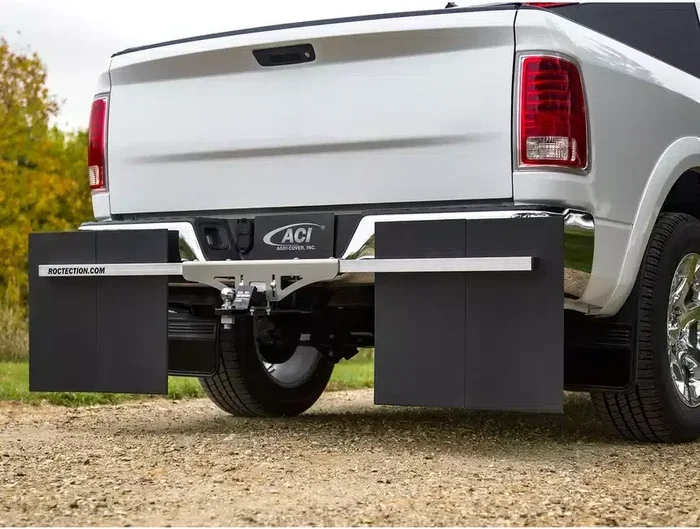
Mud flaps, also called fender flares or splash guards, sit behind your vehicle’s tires. Their main job is to block mud, water, rocks, and other road debris from flying up into the air. When you drive through puddles, dirt roads, or snowy conditions, your tires kick up all kinds of particles. Without mud flaps, that debris flies toward the rear of your vehicle and even onto the car behind you.
Mud flaps act as a barrier. They catch the spray and redirect it back down toward the road. This simple function does a lot more than just keeping your vehicle clean. It protects your paint, your wheel wells, and your undercarriage from corrosion and damage. Over time, this protection can save you significant money on repairs and maintenance.
Beyond their practical purpose, mud flaps also play a role in your vehicle’s overall look. Many drivers choose wide, styled fender flares to give their truck or SUV a more aggressive, rugged appearance. So mud flaps serve both a functional and aesthetic role, which is why they remain one of the most popular aftermarket accessories on the market.
What Mud Flaps Protect Against
Road debris comes in many forms. Small rocks, gravel, sand, mud, water, salt, and even ice can be thrown up by your tires at high speeds. Here is what mud flaps help defend your vehicle against:
- Paint damage: Tiny rocks kicked up by your tires can chip your paint and cause rust over time.
- Undercarriage corrosion: Salt and moisture spray accelerates rust on the underside of your vehicle.
- Windshield and headlight damage: Debris hitting your windshield at highway speeds can cause cracks and chips.
- Damage to following vehicles: Tire spray can obscure the vision of drivers behind you, creating safety hazards.
- Wheel well clogging: Mud and dirt buildup inside wheel wells can affect tire performance and alignment over time.
When you consider all the damage that road debris can cause, the cost of mud flaps becomes a smart investment rather than an unnecessary expense. They act as a first line of defense for your vehicle’s most vulnerable areas.
The Aerodynamic Impact of Mud Flaps on Your Vehicle
Understanding Aerodynamic Drag
Every vehicle moving through the air encounters resistance. This is called aerodynamic drag, and it increases with speed. At lower city speeds, drag has a minimal effect on your fuel economy. But when you hit the highway, drag becomes a major factor in how much fuel your engine burns.
Mud flaps extend outward from your wheel wells and create an additional surface area for the wind to push against. This increases what engineers call the drag coefficient of your vehicle. The drag coefficient is a number that measures how much air resistance a shape creates. A higher drag coefficient means your engine has to work harder to maintain speed, which means more fuel consumption.
However, modern mud flap designs have come a long way. Many manufacturers now use wind-tunnel testing and computer modeling to create mud flaps that minimize air resistance. These aerodynamic designs curve smoothly and sit close to the body of the vehicle, reducing the turbulence they create. So not all mud flaps impact gas mileage equally.
How Drag Coefficient Affects Fuel Economy
The relationship between drag and fuel economy is straightforward. More drag means your engine burns more fuel to overcome the resistance. For most passenger vehicles, aerodynamic drag accounts for about 50% of the total energy used at highway speeds of 65 miles per hour or more.
When you add mud flaps, you are adding a small amount of extra drag. The question is whether that extra drag is enough to noticeably reduce your miles per gallon. The answer depends on several factors, including the size and shape of the mud flaps, your driving speed, and the type of vehicle you drive. For most drivers, the reduction in fuel economy is so small that it is barely noticeable on a day-to-day basis.
Think of it this way. The difference in fuel economy between driving with your windows down versus having them up at highway speed is far greater than the impact of mud flaps. In fact, studies have shown that improperly installed roof racks or cargo carriers have a much larger negative effect on gas mileage than a set of properly fitted mud flaps.
Do Mud Flaps Actually Reduce Gas Mileage?
What the Research Says
Several studies have looked at the impact of mud flaps and other aftermarket accessories on vehicle fuel economy. The general consensus is that mud flaps cause a very slight reduction in gas mileage. Most tests show a decrease of less than 1% in fuel economy, which translates to just a few cents per tank of gas.
One study conducted by a major automotive research group tested various truck configurations with and without mud flaps. The results showed that at highway speeds of 70 miles per hour, trucks with mud flaps experienced about a 0.5% to 0.8% reduction in fuel economy compared to the same trucks without them. While this number is measurable, it is far from significant for most drivers.
It is also worth noting that the type of mud flap matters a great deal. Cheap, oversized, rigid plastic mud flaps create more drag than well-designed, flexible rubber ones. The shape, size, and material of the mud flap all influence how much aerodynamic penalty you pay. A mud flap that sticks out too far or has sharp edges will create more turbulence and wind resistance than one that fits snugly against the body.
Real-World MPG Impact
Let us put this into real-world terms. If your vehicle gets 25 miles per gallon on the highway, a 0.8% reduction from mud flaps would drop that to about 24.8 miles per gallon. Over 10,000 miles of highway driving, that is a difference of about 8 gallons of fuel. At current fuel prices, that might cost you an extra $25 to $35 per year.
Compare that to the cost of replacing a damaged bumper, repairing corroded wheel wells, or fixing a cracked windshield from road debris. The protection mud flaps provide can easily save you hundreds of dollars in repairs over the life of the vehicle. So while there is a tiny fuel economy cost, the return on investment in terms of vehicle protection is substantial.
For drivers who do mostly city driving, the impact is even smaller. Aerodynamic drag is minimal at lower speeds, so mud flaps have virtually no measurable effect on gas mileage during city commutes. The reduction in fuel economy is really only a concern for drivers who spend a lot of time on highways at high speeds.
Factors That Determine How Much Fuel Economy Is Affected
Vehicle Type and Size
The size and shape of your vehicle play a big role in how much mud flaps affect your gas mileage. Large trucks and SUVs have a naturally higher drag coefficient than smaller sedans and compacts. Adding mud flaps to a full-size pickup truck has a different impact than adding them to a compact car.
Taller vehicles with more vertical surface area already deal with more wind resistance. When you add mud flaps to these vehicles, the additional drag is proportionally smaller because the baseline drag is already higher. Smaller vehicles, on the other hand, are more sensitive to any additional drag because they are already more aerodynamic to begin with.
Also, the gap between the mud flap and the tire matters. A mud flap that is too far from the tire allows debris to pass through and creates extra turbulence. A mud flap that fits too tightly can rub against the tire and create rolling resistance, which also hurts fuel economy. Finding the right fit is essential for both protection and efficiency.
Driving Speed and Conditions
Your driving speed has a huge impact on how much mud flaps affect gas mileage. As mentioned earlier, aerodynamic drag increases exponentially with speed. At 45 miles per hour in city traffic, mud flaps barely affect your fuel economy at all. But at 75 miles per hour on the interstate, the effect becomes more pronounced.
Driving conditions also matter. If you frequently drive on dirt roads, gravel highways, or in snowy conditions, the benefits of mud flaps far outweigh the tiny fuel economy cost. The debris protection they provide in these conditions is invaluable. But if you mostly drive on clean, paved highways, the aerodynamic impact becomes a more relevant consideration.
Another factor is whether you drive alone or carry heavy loads. A loaded vehicle already experiences more drag and uses more fuel. Adding mud flaps to a heavily loaded truck compounds the effect slightly. However, for most drivers, this difference is still negligible in everyday terms.
Mud Flap Material and Design
The material and design of your mud flaps have a direct impact on both protection and fuel economy. Here are the most common materials and how they compare:
- Rubber mud flaps: Flexible, lightweight, and aerodynamic. They conform to the shape of the wheel well and create minimal drag. These are the best choice for fuel efficiency.
- Thermoplastic mud flaps: Durable and moderately flexible. They offer a good balance of protection and aerodynamics. Many modern vehicles come with thermoplastic flaps from the factory.
- Rigid plastic mud flaps: Heavy and less aerodynamic. They provide excellent protection but create more wind resistance. These are common on older trucks and off-road vehicles.
- Custom-fit molded mud flaps: Designed specifically for your vehicle model. They fit snugly and are shaped to minimize aerodynamic drag while maximizing tire coverage.
When shopping for mud flaps, look for designs that are specifically engineered for aerodynamics. Many premium brands now offer mud flaps with smooth, curved edges that reduce turbulence. Some even feature venting channels that allow air to flow through rather than pushing against the flap. These designs can nearly eliminate the fuel economy penalty associated with mud flaps.
Benefits of Mud Flaps Beyond Fuel Economy
Protecting Your Vehicle’s Undercarriage
The undercarriage of your vehicle is constantly exposed to road conditions. Mud, salt, water, and debris all contribute to rust and corrosion over time. Mud flaps act as a shield, deflecting much of this material away from the sensitive components underneath your car. This includes brake lines, fuel lines, exhaust systems, and suspension parts.
Rust is one of the biggest threats to a vehicle’s longevity. Once corrosion sets in on the undercarriage, repairs can be extremely expensive. In some cases, rust damage can even compromise the structural integrity of the vehicle. Mud flaps are a simple and affordable way to extend the life of your undercarriage and protect your investment.
Keeping Roads Clean and Safe
Mud flaps do not just protect your vehicle. They also protect other drivers on the road. Tire spray from large trucks can completely obscure the windshield of a following car, especially in wet conditions. This is a serious safety hazard. Mud flaps reduce the amount of spray that comes off your tires, making the road safer for everyone.
In many regions, mud flaps are actually required by law for commercial vehicles. Some states also mandate them for certain types of passenger vehicles that operate on highways. Even if they are not legally required for your vehicle, installing mud flaps is a responsible choice that shows consideration for other drivers.
Legal Requirements and Compliance
Depending on where you live, there may be regulations about mud flap requirements. Many states require trucks and trailers to have mud flaps or splash guards that meet specific standards for tire coverage. These laws exist primarily to reduce road debris and protect other vehicles from damage caused by flying rocks and mud.
Before installing mud flaps, check your local regulations to make sure the ones you choose meet legal requirements. Using non-compliant mud flaps could result in fines or failed vehicle inspections. Choosing mud flaps that are DOT-approved or meet state standards ensures you stay on the right side of the law while also getting the best protection.
How to Choose the Right Mud Flaps for Better Fuel Efficiency
Aerodynamic Designs That Minimize Drag
If fuel economy is a top concern for you, look for mud flaps that are specifically designed with aerodynamics in mind. These designs feature smooth, contoured shapes that follow the flow of air around your vehicle rather than fighting against it. Brands that invest in wind-tunnel testing and computational fluid dynamics tend to produce the most efficient mud flaps.
Avoid oversized mud flaps that extend far beyond the tire. While they might look aggressive, they create significant wind resistance. Instead, choose mud flaps that provide adequate tire coverage without protruding too far from the wheel well. The goal is to block debris without adding unnecessary surface area for the wind to push against.
Some modern mud flaps feature integrated deflectors or spoilers that actively guide airflow. These designs can actually reduce overall aerodynamic drag compared to having no mud flaps at all, though this is more common in high-end aftermarket products. If you want the best of both worlds, look for these advanced designs.
Material Choices and Their Impact
As we discussed earlier, the material of your mud flaps affects both weight and aerodynamics. Lighter materials create less rolling resistance and less drag. Rubber and thermoplastic are the best choices for drivers who want to minimize any fuel economy impact. They are also more durable in cold weather and less prone to cracking than rigid plastic.
If you need maximum protection for off-road use, a heavier rigid mud flap might be necessary. In that case, the trade-off in fuel economy is worth it for the added durability and debris protection. The key is to match the mud flap material to your driving conditions and priorities.
Proper Installation Matters
Even the best mud flaps will hurt your fuel economy if they are not installed correctly. Misaligned mud flaps can rub against the tire, creating friction and rolling resistance. Gaps between the mud flap and the body allow debris to pass through and create additional turbulence. Both of these issues increase fuel consumption beyond what properly installed mud flaps would cause.
Follow the manufacturer’s installation instructions carefully. Make sure the mud flaps are securely fastened but not so tight that they warp or rub against the tire. Check the alignment after driving a few hundred miles, as vibrations can sometimes loosen mounting hardware over time. A properly installed set of mud flaps will provide maximum protection with minimal impact on your gas mileage.
Quick Tip: If you are unsure about installation, have a professional mechanic or auto shop handle it. Proper alignment and fitment make a bigger difference than most people realize, and the small cost of professional installation can save you from costly mistakes down the road.
Conclusion
Do mud flaps affect gas mileage? Yes, but the effect is very small. For most drivers, the reduction in fuel economy is less than 1% and costs only a few dollars per month in extra fuel. The protection mud flaps provide against road debris, corrosion, and damage to other vehicles far outweighs this minor fuel economy trade-off.
The key to minimizing any negative impact is choosing the right mud flaps for your vehicle. Opt for aerodynamic designs made from lightweight materials like rubber or thermoplastic. Make sure they are properly installed and aligned with your tires. And consider your driving habits if fuel economy is a major concern for you.
At the end of the day, mud flaps are a smart investment for any driver who regularly encounters dirt roads, wet conditions, or highway driving. They protect your vehicle, keep roads safer, and add a stylish look to your ride. The tiny impact on gas mileage should not stop you from adding this valuable accessory to your vehicle.
Frequently Asked Questions
Do mud flaps really affect gas mileage?
Yes, mud flaps create a small amount of aerodynamic drag that can reduce gas mileage slightly. However, the impact is typically less than 1% in real-world driving conditions. For most drivers, the difference is barely noticeable and costs only a few dollars per month in extra fuel.
What type of mud flaps have the least impact on fuel economy?
Flexible rubber and thermoplastic mud flaps with aerodynamic designs have the least impact on fuel economy. Look for mud flaps that fit snugly against the wheel well, have smooth edges, and are specifically designed to minimize wind resistance. Custom-fit mud flaps for your specific vehicle model are the best choice.
Are mud flaps worth it if I care about fuel efficiency?
Absolutely. The fuel economy cost of mud flaps is very small compared to the protection they provide. They prevent paint damage, undercarriage corrosion, and windshield chips from road debris. For most drivers, the repair savings far outweigh the tiny increase in fuel costs. If you drive mostly in the city, the fuel impact is essentially negligible.
Do mud flaps affect gas mileage more on trucks than on cars?
Trucks and SUVs generally have a higher baseline drag coefficient than smaller cars. Adding mud flaps to a truck has a proportionally smaller impact on overall fuel economy because the truck already experiences more aerodynamic resistance. However, oversized or poorly designed mud flaps on any vehicle will create more drag than well-fitted ones.
Can removing mud flaps improve my gas mileage significantly?
Removing mud flaps will improve gas mileage by a very small amount, typically less than 1%. You might see a slight improvement in miles per gallon, but the savings at the pump are minimal. You would also lose the protection mud flaps provide against road debris, corrosion, and spray damage to other vehicles.
Do aftermarket mud flaps perform differently than factory-installed ones?
Factory-installed mud flaps are often designed with aerodynamics in mind as part of the vehicle’s overall engineering. Aftermarket mud flaps vary widely in quality and design. Premium aftermarket brands that invest in aerodynamic testing can match or even exceed factory performance, while cheap generic mud flaps may create more drag and fitment issues. Always choose reputable brands that are designed for your specific vehicle model.