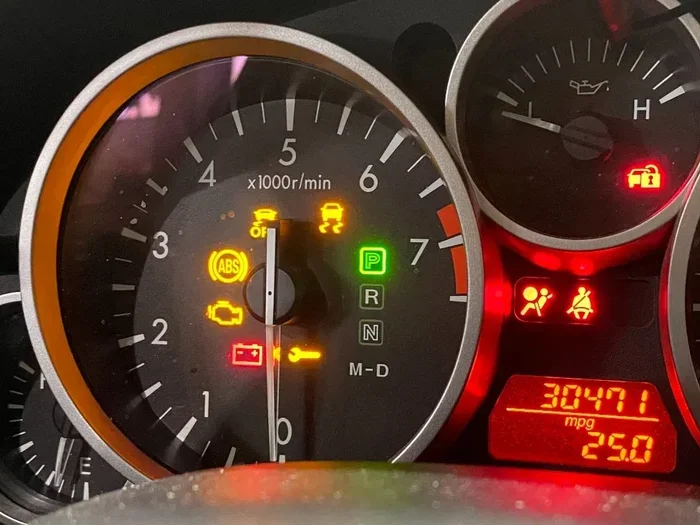
Car Wont Turn Over but Has Power Here Are the Reasons
When your car won’t turn over but has power, it can be frustrating and confusing. This common issue usually points to a few specific culprits that range from simple fixes to more complex repairs. Understanding what car won’t turn over but has power means helps you diagnose the problem faster and decide whether to tackle it yourself or call a mechanic. In this guide, we break down every possible reason, share practical tips, and walk you through step-by-step solutions.
You turn the key or push the start button. The dash lights up. The radio still works. But the engine refuses to turn over. This is one of the most common car troubles drivers face, and it always seems to happen at the worst possible moment. When your car won’t turn over but has power, it means your electrical system is alive but the engine isn’t responding to the start command. Understanding what is happening under the hood can save you time, money, and a lot of stress.
The good news is that this problem usually has a clear cause. Most of the time, it comes down to a few well-known components that wear out or fail over time. Whether it is a weak battery, a bad starter motor, or a corroded connection, each issue leaves clues. This guide walks you through every possible reason your car won’t turn over but has power, gives you practical steps to diagnose the problem, and helps you decide what to do next.
Key Takeaways
- Battery issues are the #1 cause: A weak or dead battery is the most common reason your car won’t turn over even though lights and accessories work.
- Starter motor failure is a close second: A faulty starter motor or solenoid prevents the engine from cranking despite having full electrical power.
- Corroded terminals are an easy fix: Dirty or corroded battery connections can block power from reaching the starter.
- Neutral safety switch problems affect automatics: A bad neutral safety switch can prevent your car from starting even when the key turns.
- Ignition switch wear happens over time: The ignition switch can wear out and fail to send the signal needed to start the engine.
- DIY diagnosis saves money: Many of these issues can be diagnosed at home with basic tools and a little know-how.
- Prevention keeps you running: Regular maintenance of your electrical system helps avoid the no-crank situation altogether.
📑 Table of Contents
What Does “Car Won’t Turn Over but Has Power” Actually Mean?
Let us start by clearing up what this phrase really means. When mechanics say your car won’t turn over, they mean the engine does not crank. Cranking is when the starter motor spins the engine to begin the combustion process. If your car has power, that means the electrical system is working. Your lights, dashboard, and accessories all function normally. But when you turn the key or press the start button, nothing happens with the engine. This is called a no-crank condition. It is different from a car that cranks but won’t start. In a no-crank situation, the problem lies in the starting system, not the fuel or ignition system.
Understanding this distinction matters because it narrows down your list of possible causes. You are not dealing with a fuel pump failure or bad spark plugs. The issue is in the path between your battery and the engine’s ability to turn over. That path includes the battery connections, starter motor, solenoid, ignition switch, and safety switches. Each of these parts plays a role in delivering power from the battery to the starter. When one fails, your engine stays quiet even though everything else in the car works fine.
Common Reasons Your Car Won’t Turn Over but Has Power
Now let us dive into the specific reasons why your car won’t turn over but has power. These are the most common culprits, ranked from most frequent to least frequent. Each one comes with clear symptoms that can help you narrow down the problem.
Dead or Weak Battery
You might think a dead battery means your car has no power at all. But that is not always true. A battery can be partially charged and still power your lights and radio. However, it might not have enough juice to crank the engine. The starter motor needs a big burst of energy to turn the engine over. A weak battery simply cannot deliver that burst. This is especially common in cold weather when battery performance drops significantly.
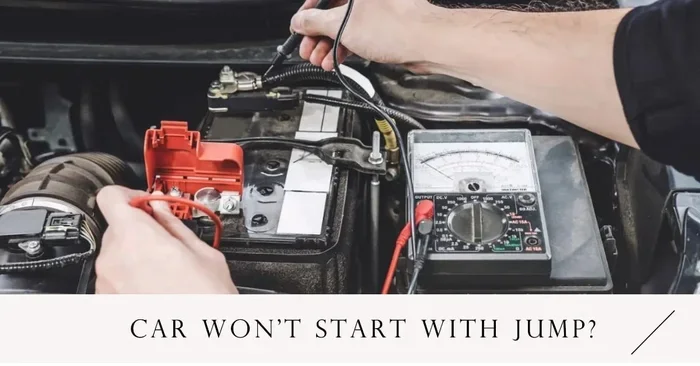
Signs of a weak battery include dim headlights when you turn the key, slow or clicking sounds, and dashboard lights that dim when you try to start. If your battery is more than three to five years old, it is worth testing. You can use a multimeter to check the voltage. A healthy battery should read 12.6 volts or higher when the engine is off. Anything below 12.2 volts means the battery is weak and may need charging or replacement.
Faulty Starter Motor
The starter motor is the workhorse that actually cranks your engine. When you turn the key, the starter motor engages with the flywheel and spins the engine. If the starter motor fails, your engine will not turn over no matter how much power the battery has. A bad starter motor is one of the most common reasons for a no-crank condition. The clicking sound you sometimes hear is often the starter solenoid trying to engage a starter that is stuck or burned out.
Starter motors wear out over time. The brushes inside the motor wear down, and the internal components can fail. Heat damage from frequent short trips can also shorten a starter motor’s life. If you hear a single loud click when you turn the key but nothing else happens, the starter motor is a prime suspect. Replacing a starter motor is a job best left to a professional mechanic in most cases, though some vehicles make it more accessible than others.
Bad Ignition Switch
The ignition switch is the component that sends the electrical signal to start the engine. When you turn your key to the “start” position, the ignition switch completes the circuit that sends power to the starter. Over time, the internal contacts of the ignition switch wear out. This wear prevents the signal from reaching the starter, even though the rest of the electrical system works perfectly.
Symptoms of a bad ignition switch include the key turning but nothing happening, the engine not cranking, or accessories working but the starter staying silent. Some older vehicles are more prone to ignition switch failures. If you notice your key feels loose or wobbly when you turn it, that could also point to ignition switch wear. Replacing an ignition switch is usually a straightforward repair that a mechanic can handle quickly.
Corroded or Loose Battery Terminals
This is one of the easiest fixes, and it is surprisingly common. Battery terminals can corrode over time, especially in humid or coastal climates. Corrosion looks like a white or greenish powdery buildup on the battery posts. When the terminals are corroded, the electrical connection between the battery and the rest of the car becomes weak. Your lights and radio might still work because they need less power, but the starter motor needs a strong, direct connection that corrosion can block.
Loose battery terminals cause the same problem. If the cables are not tight on the posts, the connection can be intermittent. You might notice the car starts sometimes but not other times. Checking your battery terminals is always a good first step when your car won’t turn over but has power. Cleaning the terminals with a wire brush and making sure the connections are tight can often solve the problem in minutes. This simple maintenance task can save you from unnecessary trips to the repair shop.
Neutral Safety Switch Problems
Automatic transmission vehicles have a safety feature called the neutral safety switch. This switch prevents the car from starting unless the transmission is in Park or Neutral. If the switch fails or becomes misaligned, your car will not crank even though everything else works. This is a common issue that many drivers overlook when diagnosing a no-start condition.
The symptoms are straightforward. You turn the key and nothing happens, but the car has full electrical power. Sometimes jiggling the gear shifter while turning the key can get it to start, which is a telltale sign of a neutral safety switch issue. The switch can wear out, get knocked out of alignment, or develop electrical faults. Replacement is usually affordable and not a complicated repair.
Faulty Starter Solenoid
The starter solenoid is a small but critical part of the starting system. It acts as a relay that sends power from the battery to the starter motor. When you turn the key, the solenoid pushes the starter gear into the flywheel and completes the circuit. If the solenoid fails, the starter motor never gets the signal to engage. You might hear a single click or nothing at all when you try to start the car.
A bad solenoid can be caused by worn contacts, a burned-out coil, or electrical corrosion. In some vehicles, the solenoid is built into the starter motor, so replacing it means replacing the entire starter. In others, it is a separate component that can be replaced independently. Testing the solenoid requires a multimeter and some basic electrical knowledge, so this is another repair where a professional might be the safer choice.
How to Diagnose the Problem Yourself
Before you rush to a mechanic, there are several things you can check at home. Diagnosing the problem yourself can save you diagnostic fees and help you understand exactly what is wrong with your vehicle. Here is a step-by-step approach to finding out why your car won’t turn over but has power.
Step 1: Check the dashboard lights. Turn the key to the “on” position without starting the engine. Do all the dashboard lights come on normally? If they are dim or flickering, your battery might be weak. If they are bright and normal, the battery is likely not the issue.
Step 2: Listen carefully when you turn the key. Do you hear nothing at all? A single click? A rapid clicking? Each sound tells a different story. No sound often points to the ignition switch or neutral safety switch. A single click suggests the solenoid is engaging but the starter motor is not turning. Rapid clicking usually means the battery does not have enough power.
Step 3: Inspect the battery terminals. Pop the hood and look at the battery posts. Do you see any white, green, or blue buildup? Are the cables tight? Cleaning the terminals and tightening the connections takes just a few minutes and can resolve the issue immediately.
Step 4: Try the neutral safety switch. If you drive an automatic, move the shifter to Neutral and try starting the car. If it starts in Neutral but not in Park, the neutral safety switch is likely the problem.
Step 5: Test the battery voltage. Use a multimeter to check the battery. A reading below 12.2 volts means the battery needs charging or replacement. A reading above 12.6 volts means the battery is fine and the problem lies elsewhere in the starting system.
When to Call a Professional Mechanic
Not every car problem is a DIY fix. While checking terminals and testing the battery are tasks most homeowners can handle, some repairs require professional tools and expertise. If you have checked the basics and your car still won’t turn over, it is time to call a mechanic. Here are the situations where professional help is the best choice.
Replacing a starter motor or solenoid involves getting under the vehicle and working with heavy electrical components. If you are not comfortable with that, a mechanic can do it safely and quickly. Similarly, diagnosing ignition switch problems or neutral safety switch faults often requires specialized electrical testing equipment. A professional mechanic has the tools and experience to pinpoint the exact cause without wasting time on guesswork.
Another reason to call a pro is if your car is still under warranty. DIY repairs can void your warranty, which could cost you more in the long run. A dealership or authorized service center can fix the problem while keeping your warranty intact. Always check your warranty terms before taking any action on a vehicle that is still covered.
Prevention Tips to Avoid This Problem
The best way to deal with a car that won’t turn over is to prevent it from happening in the first place. Regular maintenance of your vehicle’s electrical system can keep you from being stranded with a no-crank condition. Here are some simple prevention tips that every driver should follow.
- Test your battery regularly. Have your battery tested at least once a year, especially before winter. Most auto parts stores offer free battery testing.
- Clean your battery terminals. Check for corrosion every few months and clean it off with a wire brush or baking soda solution. This keeps the electrical connection strong.
- Drive your car regularly. A car that sits for long periods can develop a weak battery. If you do not drive often, consider using a battery maintainer or trickle charger.
- Listen for warning sounds. If you hear any clicking or unusual sounds when you turn the key, do not ignore them. Addressing small issues early prevents bigger problems later.
- Replace worn ignition keys. A key that is worn down or damaged can put extra strain on the ignition switch. If your key looks battered, consider getting a replacement.
- Keep your transmission in Park. Always make sure your automatic transmission is fully in Park before turning the key. This reduces stress on the neutral safety switch.
- Follow your vehicle’s maintenance schedule. Your owner’s manual includes recommended service intervals for electrical components. Sticking to this schedule keeps everything in good working order.
Key Takeaways
- Battery issues are the #1 cause: A weak or dead battery is the most common reason your car won’t turn over even though lights and accessories work.
- Starter motor failure is a close second: A faulty starter motor or solenoid prevents the engine from cranking despite having full electrical power.
- Corroded terminals are an easy fix: Dirty or corroded battery connections can block power from reaching the starter.
- Neutral safety switch problems affect automatics: A bad neutral safety switch can prevent your car from starting even when the key turns.
- Ignition switch wear happens over time: The ignition switch can wear out and fail to send the signal needed to start the engine.
- DIY diagnosis saves money: Many of these issues can be diagnosed at home with basic tools and a little know-how.
- Prevention keeps you running: Regular maintenance of your electrical system helps avoid the no-crank situation altogether.
Conclusion
Dealing with a car that won’t turn over but has power is never fun, but it is almost always fixable. The most common causes are battery problems, a faulty starter motor, corroded terminals, or a bad ignition switch. By understanding what is happening and following the diagnostic steps in this guide, you can figure out the root cause and decide on the best course of action. Some fixes are simple enough to do at home, while others need a professional mechanic’s touch. Either way, knowing what to look for puts you ahead of the game and saves you time and money.
Remember to take care of your vehicle’s electrical system through regular maintenance. Clean your battery terminals, test your battery yearly, and listen for warning signs. These small habits go a long way in preventing the no-crank condition from ever happening. When your car won’t turn over but has power, stay calm, follow the steps above, and you will be back on the road in no time.
Frequently Asked Questions
Why does my car have power but won’t turn over?
This usually means your battery can power the lights and radio but cannot deliver enough energy to crank the engine. The most common causes are a weak battery, a faulty starter motor, or corroded battery terminals. Each of these issues blocks the electrical signal needed to start the engine.
Can a bad ignition switch cause a car not to start even with power?
Yes, absolutely. The ignition switch sends the electrical signal to the starter motor. When it wears out, it cannot complete the circuit, so the engine won’t crank even though all your accessories work normally. This is a common and often overlooked cause of no-crank conditions.
How do I know if my starter motor is bad?
Listen for a single loud click when you turn the key with no engine cranking. You might also hear a grinding noise. If the dashboard lights are bright but the engine stays silent, the starter motor is a likely culprit. A mechanic can test the starter with a multimeter to confirm the diagnosis.
Is it safe to drive with a car that won’t turn over?
No, you cannot drive a car that will not start. If your car won’t turn over, you need to get it repaired before driving it again. Trying to push-start or tow-start a vehicle with a no-crank condition can cause additional damage to the transmission and engine components.
How much does it cost to fix a car that won’t turn over?
The cost varies widely depending on the cause. Cleaning battery terminals is free or very cheap. A new battery typically costs between 100 and 250 dollars. Replacing a starter motor can range from 300 to 600 dollars including parts and labor. Ignition switch replacement usually costs between 150 and 300 dollars. Always get a quote from a trusted mechanic before committing to repairs.
Can cold weather cause a car not to turn over?
Yes, cold weather is one of the biggest enemies of car batteries. Low temperatures reduce a battery’s ability to deliver power. A battery that works fine in summer might struggle to start the engine in freezing weather. Keeping your battery in good condition and using a battery blanket in extremely cold climates can help prevent this issue.