Car Wont Start With a Jump Why It Happens and How to Fix It
A car won’t start with a jump more often than most drivers realize, and it is usually not just about a dead battery. Common causes include corroded battery terminals, a failing alternator, a bad starter motor, or even a faulty ignition switch. This guide walks you through every reason this happens and gives you clear, actionable steps to diagnose and fix the problem yourself or know when to call a pro.
There are few moments more frustrating than turning your key or pressing the start button and hearing nothing. You grab your jumper cables, flag down a helpful stranger, connect everything properly, and still… nothing. Your car won’t start with a jump, and you are left standing in a parking lot wondering what went wrong. This happens to millions of drivers every year, and the reasons are more varied than you might think.
The truth is that a jump start is not a magic fix. It simply provides a temporary power boost to a battery that cannot start the engine on its own. If something else is wrong, the jump will not solve the problem. Understanding why your vehicle refuses to turn over after a jump is the first step toward a real solution. This guide breaks down every common cause, offers practical fixes, and helps you decide when professional help is the smartest move.
Key Takeaways
- Corroded or loose battery terminals are the number one reason a jump start fails to crank the engine.
- A dying alternator cannot keep the battery charged, which means you will keep facing the same no-start problem.
- Jump-starting the wrong way or skipping safety steps can damage your electrical system or even cause injury.
- Old or weak batteries with low cold cranking amps often cannot hold enough charge, even after a jump.
- Parasitic draw from faulty accessories slowly drains your battery overnight, leading to repeated no-start situations.
- Knowing when to call a mechanic saves you time and prevents costly mistakes from DIY attempts gone wrong.
📑 Table of Contents
- Why Your Car Won’t Start With a Jump
- Common Culprits Behind a No-Start After Jumping
- How to Properly Jump-Start Your Car the Right Way
- When the Problem Is Deeper Than the Battery
- Quick Tips to Prevent a No-Start Situation
- When to Call a Professional Mechanic
- Common Mistakes People Make When Their Car Won’t Start
- Expert Insights on Jump-Start Failures
- Key Takeaways
- Frequently Asked Questions
- Conclusion
Why Your Car Won’t Start With a Jump
When you attempt a jump start and the engine still does not turn over, it is easy to assume the battery is the only problem. In reality, the starting system involves several components working together. If any one of them fails, your car won’t start with a jump no matter how much power you push into the system. Let us look at the main reasons this happens.
The Battery Is More Than Just Dead
A dead battery is the most obvious reason a car needs a jump. But here is the thing a dead battery is not always completely dead. Sometimes the battery has enough charge to power your lights and radio but not enough to crank the engine. This is especially common in cold weather when cold cranking amps drop significantly. Old batteries lose their ability to hold a full charge over time, and no amount of jumping can restore a battery that is at the end of its life.
Most car batteries last between three and five years. If yours is older than that, it might be time for a replacement battery. Before you keep jumping your car, grab a multimeter testing device and check the battery voltage. A healthy battery should read around 12.6 volts when the engine is off. Anything below 12 volts means the battery is weak and likely needs replacement.
Corroded or Loose Battery Terminals
This is the sneaky problem that catches almost everyone off guard. You hook up the jumper cables correctly, the donor car is running fine, and still nothing happens. The culprit is often corroded terminals or a faulty connection at the battery posts. Corrosion looks like a white or greenish powdery buildup on the metal contacts. It acts like an insulator, blocking the electrical current from flowing properly.
Even if the cables are clamped on, corrosion can prevent enough current from reaching the starter. Before you attempt a jump start, always inspect your battery terminals. If you see any buildup, clean it off with a wire brush or a mixture of baking soda and water. Tighten the connections firmly. This simple step solves the problem more often than people realize.
A Failing Alternator
Your alternator keeps the battery charged while the engine runs. If the alternator is failing, it cannot replenish the battery after the jump. This means your car won’t start with a jump again the next morning because the battery drained overnight. A bad alternator is one of the most common reasons drivers find themselves in this frustrating loop.
Watch for warning signs like dimming headlights, a dashboard battery light, or electrical accessories acting strangely. These are all symptoms of an alternator that is not doing its job. Replacing an alternator is not cheap, but driving with a failing one will eventually leave you stranded again. If you suspect alternator trouble, get it tested as soon as possible.
Bad Starter Motor
The starter motor is the component that actually cranks the engine when you turn the key. If the starter is worn out or has a faulty solenoid, no amount of external power will make it work. You might hear a single click when you turn the key, or absolutely nothing at all. A bad starter is a common reason a jump start fails to produce any engine cranking.
Starter motors wear out over time, especially in vehicles with high mileage. Tapping the starter gently with a hammer while someone turns the key can sometimes temporarily free a stuck component, but this is only a short-term fix. Eventually, the starter needs to be replaced by a qualified mechanic.
Fuel System Issues
Here is something many drivers overlook: a car won’t start with a jump even if the electrical system is perfectly fine if the fuel system is not working. The fuel pump delivers gasoline from the tank to the engine. If the fuel pump fails, the engine has no fuel to combust, and it simply will not start.
You can test this by turning the key to the ON position without starting the engine. You should hear a faint humming sound from the back of the fuel tank. That is the fuel pump priming. If you hear nothing, the pump might be dead. Other fuel system problems include clogged fuel filters, empty tanks, or bad fuel quality. Always check the basics first before diving into electrical diagnostics.
Ignition Switch Problems
The ignition switch is the part that tells your car to engage the starting system. When it goes bad, you might notice that the dashboard lights flicker or that the key feels loose when turned. A faulty ignition switch can prevent the electrical system from completing the circuit needed to start the engine, even with a fully charged battery and a working starter.
Ignition switch failures are more common in older vehicles but can happen in newer cars too. If you notice that your car sometimes starts and sometimes does not, the ignition switch could be the culprit. This is a relatively inexpensive repair compared to other starting system components.
Common Culprits Behind a No-Start After Jumping
Now that we have covered the main components, let us put them together in a practical way. When your car won’t start with a jump, the problem usually falls into one of three categories: power supply issues, mechanical failures, or connection problems. Understanding which category your issue falls into helps you narrow down the fix quickly.
Parasitic draw is a hidden cause that many people miss. This happens when something in your vehicle continues to draw power from the battery even when the engine is off. Common offenders include interior lights left on, faulty relays, aftermarket accessories, or a defective module that stays awake. Over time, this slow drain weakens the battery to the point where a jump start is no longer enough.
Battery age plays a huge role too. A battery that is four or five years old simply cannot hold the same charge it once could. Even if the jump provides enough power to start the car once, the battery will drain again quickly. Engine cranking requires a significant burst of energy, and an old battery simply cannot deliver it consistently.
Ground cable problems are another frequent cause. The ground cable connects the battery to the car’s chassis and completes the electrical circuit. If this cable is corroded, loose, or damaged, the electrical current cannot flow properly. This creates a situation where the jump start appears to fail even though the donor car is providing plenty of power.
How to Properly Jump-Start Your Car the Right Way
Believe it or not, many people jump-start their cars incorrectly, which can cause the car won’t start with a jump problem they are trying to solve. Following the right procedure matters more than most drivers realize. Here is the correct way to do it safely and effectively.
Step-by-Step Jump-Starting Process
- Position both vehicles close together but make sure they do not touch. Turn off the engines and all electrical accessories in both cars.
- Identify the terminals on both batteries. The positive terminal is usually marked with a plus sign or red cover. The negative terminal has a minus sign or black cover.
- Connect the red jumper cable to the positive terminal of the dead battery first.
- Connect the other red clamp to the positive terminal of the good battery.
- Connect the black jumper cable to the negative terminal of the good battery.
- Connect the other black clamp to an unpainted metal surface on the dead car’s engine block, away from the battery. This is safer than connecting directly to the negative terminal.
- Start the donor car and let it run for a few minutes to charge the dead battery.
- Try starting the dead car. If it turns over, let it run for at least 15 minutes to recharge.
- Disconnect the cables in reverse order, starting with the black clamp on the engine block.
Safety Precautions You Should Never Skip
Jump-starting a car involves working with electrical systems that can cause sparks or even explosions if done incorrectly. Always wear safety glasses and keep sparks away from the battery. The battery produces hydrogen gas, which is highly flammable. Never smoke near a battery, and make sure your safety precautions are in place before you touch any cables.
If you notice any swelling, leaking, or cracking on the dead battery, do not attempt a jump start. A damaged battery can rupture or explode. In this case, call for roadside assistance and wait for a professional to handle the situation.
When the Problem Is Deeper Than the Battery
Sometimes the battery is fine, the cables are clean, and the connections are tight, but your car won’t start with a jump anyway. This is when you know the problem lies deeper in the vehicle’s systems. At this point, guessing is not an option. You need to diagnose the actual root cause.
Testing the Alternator
A simple way to check your alternator is to measure the battery voltage with the engine running. A healthy alternator should produce between 13.7 and 14.7 volts. If the reading is below 13 volts, the alternator is not charging the battery properly. If the reading is above 15 volts, the alternator regulator might be failing, which can damage the battery over time.
Checking the Starter
When you turn the key and hear a single click but the engine does not crank, the starter is the likely suspect. A mechanic can test the starter by applying power directly to it and checking if it engages. If the starter draws too much current or does not spin at all, replacement is the only real fix.
Inspecting the Fuel System
A fuel pressure test can tell you if the fuel pump is delivering the right amount of fuel. Low fuel pressure usually means a failing pump or a clogged filter. Replacing a fuel filter is inexpensive and easy, but a fuel pump replacement requires more labor and cost.
Quick Tips to Prevent a No-Start Situation
The best way to deal with a car won’t start with a jump problem is to prevent it from happening in the first place. These simple habits can save you from the frustration of a no-start situation.
- Get your battery tested every fall before cold weather arrives. Cold temperatures are the biggest enemy of battery performance.
- Clean your battery terminals at least twice a year to prevent corrosion buildup.
- Turn off all lights and accessories before shutting off the engine. A single forgotten dome light can drain the battery overnight.
- Drive your car regularly. A vehicle that sits unused for long periods will develop a drained battery.
- Replace your battery on schedule. Do not wait until it fails completely. Plan for a replacement battery every three to four years.
- Check for parasitic draw if you notice your battery dying frequently. A mechanic can perform a parasitic draw test to find the culprit.
When to Call a Professional Mechanic
There is absolutely nothing wrong with trying to diagnose a car won’t start with a jump issue yourself. Many drivers successfully identify and fix the problem with basic tools and a little patience. However, some situations call for professional expertise, and knowing when to make that call is important.
If you have tried jumping the car multiple times and it still will not start, it is time to call a mechanic. If you smell burning plastic or sulfur near the battery, get help immediately. If your dashboard lights are flickering or multiple electrical systems are acting erratically, the electrical system might have a complex issue that needs professional diagnostic equipment.
A mechanic can perform a full starting and charging system test, check for parasitic draw, inspect the ground cable and wiring harness, and test the ignition switch and fuel pump. These are tests that require specialized tools and experience. Trying to DIY a complex electrical problem can lead to costly mistakes or even personal injury.
Also, if your vehicle is still under warranty, attempting your own electrical repairs might void the coverage. Always check your warranty terms before starting any DIY work on the starting or charging system.
Common Mistakes People Make When Their Car Won’t Start
Learning what not to do is just as important as learning what to do. Here are the most common mistakes drivers make when faced with a car won’t start with a jump situation.
- Assuming the battery is always the problem. A dead battery is the most common cause, but it is not the only one. Always check other components before replacing the battery.
- Connecting jumper cables in the wrong order. Reversing the polarity can fry your electrical system and damage both vehicles. Always follow the correct sequence.
- Letting the donor car run for too short a time. Five minutes is not enough to charge a deeply discharged battery. Give it at least 15 to 20 minutes.
- Ignoring warning signs. A slow-cranking engine or dimming headlights are early warnings. Address them before they leave you stranded.
- Using cheap or undersized jumper cables. Thin cables cannot carry enough current to start a large engine. Invest in quality cables rated for at least 400 amps.
Expert Insights on Jump-Start Failures
Experienced mechanics agree that the most overlooked cause of a car won’t start with a jump is a combination of factors rather than a single component. For example, a battery that is three years old with slightly corroded terminals will not accept a charge efficiently. The jump provides temporary power, but the battery cannot hold it. The driver thinks the jump failed, when in reality the battery was already on its way out.
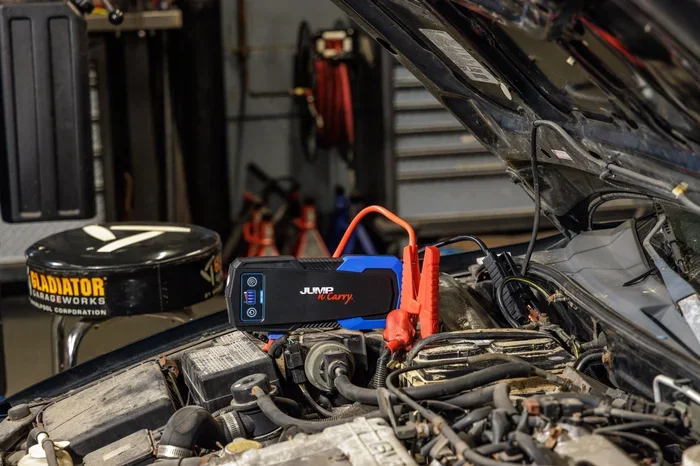
Another insight from professionals is to always carry a portable jump starter pack in your trunk. These compact devices can start your car without needing another vehicle. They are affordable, easy to use, and can be a lifesaver in remote areas or during bad weather. Look for one rated for your engine size and keep it charged.
Mechanics also recommend keeping your battery terminals coated with petroleum jelly or a terminal protectant spray. This prevents corrosion and ensures a solid electrical connection every time you need to start your car.
Key Takeaways
- Corroded or loose battery terminals are the number one reason a jump start fails to crank the engine.
- A dying alternator cannot keep the battery charged, which means you will keep facing the same no-start problem.
- Jump-starting the wrong way or skipping safety steps can damage your electrical system or even cause injury.
- Old or weak batteries with low cold cranking amps often cannot hold enough charge, even after a jump.
- Parasitic draw from faulty accessories slowly drains your battery overnight, leading to repeated no-start situations.
- Knowing when to call a mechanic saves you time and prevents costly mistakes from DIY attempts gone wrong.
Frequently Asked Questions
Why does my car won’t start with a jump even with good jumper cables?
The problem is likely not the cables themselves. Corroded battery terminals, a faulty connection, or a deeper issue like a bad starter motor or failing alternator can prevent the engine from cranking. Always check the terminals and connections first before assuming the cables are the problem.
How long should I let the donor car run before trying to start my car?
Let the donor car run for at least 15 to 20 minutes. This gives the dead battery enough time to accept a meaningful charge. If the battery is severely depleted, you may need to wait longer. After starting your car, let it idle for at least 15 minutes to recharge the battery further.
Can a bad alternator cause a car to not start even after a jump?
Yes, absolutely. If the alternator is not functioning, it cannot keep the battery charged. The battery may have enough power for one jump start, but it will drain again quickly. A failing alternator is one of the most common reasons a car keeps having starting problems even after getting a jump.
Is it safe to jump-start a car in the rain?
Yes, it is generally safe as long as you follow all the normal precautions. Keep the cables away from standing water, make sure your hands are dry, and never touch the metal clamps together when they are connected to the batteries. The electrical system in modern cars is well-insulated to handle wet conditions.
What should I do if my car starts with a jump but dies immediately after?
This almost always points to an alternator problem. The alternator is not charging the battery while the engine runs, so the car runs only on the small amount of charge the battery received from the jump. Have the alternator tested right away and replace it if needed.
How often should I replace my car battery to avoid no-start situations?
Most car batteries last between three and five years. Plan to replace yours every three to four years to avoid unexpected failures. Keep track of your battery’s age and have it tested annually after the third year. This simple habit prevents the frustration of a car won’t start with a jump situation.
Conclusion
Dealing with a car won’t start with a jump is frustrating, but it is almost always solvable once you know what to look for. The problem is rarely just about the battery. Corroded terminals, a failing alternator, a bad starter motor, fuel system issues, or a faulty ignition switch can all prevent your engine from turning over, even after a successful jump. By understanding how your vehicle’s starting system works and following the diagnostic steps in this guide, you can pinpoint the root cause and take the right action.
Remember that prevention is always better than cure. Regular battery maintenance, clean terminals, and smart driving habits go a long way in keeping your car reliable. And when the problem is beyond your expertise, do not hesitate to call a professional. A qualified mechanic can run the full range of tests needed to get your car running again safely and permanently.
Keep this guide handy for your next no-start situation. Share it with a friend who might need it. And most importantly, do not let a car won’t start with a jump problem keep you off the road for longer than it needs to be. With the right knowledge and a little patience, you will be back behind the wheel in no time.