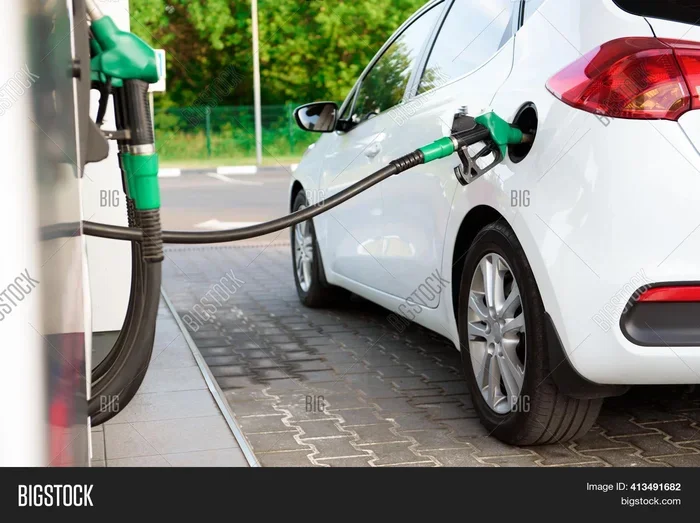
Car Wont Start After Getting Gas Common Causes Explained
When your car won’t start after getting gas, it can be frustrating and stressful. Several common culprits can cause this issue, from a loose fuel cap to a failing fuel pump or vapor lock. Understanding the root causes helps you troubleshoot quickly and avoid costly repairs. This guide covers every major reason your engine won’t crank after refueling and gives you practical steps to fix the problem yourself.
You just pulled into the gas station, filled up the tank, and headed out to go about your day. Then it happens. You turn the key or push the start button, and nothing. The engine cranks weakly, or worse, it makes no sound at all. Your car won’t start after getting gas, and you’re standing in the parking lot wondering what went wrong.
This is a surprisingly common problem that catches drivers off guard every single day. The good news is that most causes are easy to identify and fix. Some are free to repair. Others need a quick trip to the auto shop. Either way, knowing what’s going on helps you stay calm and take the right next step. Let’s walk through every major reason your engine might refuse to start after a trip to the fuel pump.
We’ll cover everything from simple fixes you can do in your driveway to deeper mechanical issues that need professional attention. By the end of this guide, you’ll understand exactly why this happens and how to handle it like a pro. No guesswork. No panic. Just clear, practical answers.
Key Takeaways
- Loose or faulty fuel cap: The most common and easiest fix when your car won’t start after refueling.
- Vapor lock and EVAP issues: Fuel vapor problems can block engine startup after filling up at the pump.
- Fuel pump failure: A weak or dead fuel pump won’t deliver gas to the engine, causing a no-start condition.
- Clogged fuel filter: Dirty filters restrict fuel flow and can stop your car from starting after getting gas.
- Sensor and electrical problems: Faulty crankshaft sensors, spark plugs, and ignition coils can trigger starting issues post-refueling.
- Prevention tips save money: Simple habits like proper fuel cap tightening and regular maintenance reduce the risk of no-start problems.
📑 Table of Contents
- Why Does Your Car Won’t Start After Getting Gas?
- Common Causes of Car Not Starting After Refueling
- Fuel System Issues That Can Stop Your Car
- Electrical and Ignition Problems After Filling Up
- Quick Troubleshooting Steps You Can Take Right Now
- When to See a Mechanic
- How to Prevent Your Car from Not Starting After Getting Gas
- Key Takeaways
- Conclusion
Why Does Your Car Won’t Start After Getting Gas?
When your car won’t start after getting gas, the problem usually traces back to one of a few key systems. Your vehicle needs fuel, air, spark, and a working electrical system to start. If any one of those is disrupted, you get a no-start condition. Filling up at the gas station can accidentally disturb one or more of these systems.
Think of it this way. You’re adding a large volume of liquid fuel into a sealed system. That process creates pressure changes, heat, and vapor movement. Sometimes those changes cause temporary glitches. Other times, they reveal a part that was already worn out. Understanding this helps you see why the timing of the problem matters.
The most important thing to remember is that car won’t start after refueling is almost never a random mystery. There’s always a reason. And that reason is almost always something you can find with a little patience and the right information. Let’s dig into the most common causes now.
The Fuel Cap: Your First Checkpoint
Before you panic, check your fuel cap. It sounds too simple, but a loose or faulty fuel cap is the number one reason cars won’t start after getting gas. When the cap isn’t sealed properly, fuel vapors escape from the tank. This throws off the pressure balance in your fuel system.
Modern cars have a system called the EVAP system, which stands for Evaporative Emission Control. This system captures fuel vapors and recycles them back into the engine. A loose cap disrupts this process completely. The car’s computer, also known as the ECU, detects the leak and may prevent the engine from starting as a safety measure.
Here’s what to do. After you fill up, always twist the fuel cap until you hear it click at least three times. If your cap is cracked, warped, or the seal is worn, replace it immediately. A new fuel cap costs under ten dollars and takes seconds to install. This one simple step solves the problem for thousands of drivers every week.
Common Causes of Car Not Starting After Refueling
Beyond the fuel cap, several other issues can cause your car not to start after filling up. Let’s look at each one in detail so you can narrow down the problem quickly.
Vapor Lock: The Old-School Problem That Still Happens
Vapor lock is a condition where fuel turns into gas inside the fuel lines before it reaches the engine. This used to be a very common problem with older cars that used carburetors. But it still happens today, especially in hot weather or with certain fuel types.
When you fill up your tank on a hot day, the heat from the asphalt and the ambient temperature can cause fuel in the lines to vaporize. The engine then can’t pump liquid fuel properly. It sputters, stalls, or simply won’t start. The fuel pump works hard but pushes vapor instead of liquid, and the engine starves for fuel.
To avoid vapor lock, try to fill up during cooler parts of the day. Also, don’t run your car on low fuel for too long. A near-empty tank has more air space, which increases the chance of vapor formation. If you suspect vapor lock, let the car sit for a few minutes with the hood open. This helps the fuel lines cool down and the vapor to condense back into liquid.
Faulty Fuel Pump: When the Heart of the System Fails
The fuel pump is the heart of your car’s fuel delivery system. It pushes gasoline from the tank to the engine under pressure. When this pump starts to fail, you’ll often notice warning signs before it completely dies. A whining noise from the rear of the car, hesitation during acceleration, or loss of power at highway speeds are all red flags.
After getting gas, a failing fuel pump may simply not have enough power to deliver fuel to the engine. The act of filling up can sometimes trigger a momentary electrical issue that reveals a weak pump. If your engine cranks but won’t fire, the fuel pump is a prime suspect.
Replacing a fuel pump is not a cheap repair. The part itself can cost anywhere from one hundred to three hundred dollars, and labor adds another two hundred to five hundred dollars depending on your vehicle. That’s why catching the early warning signs matters so much. If you notice any of the symptoms above, get your fuel pump tested before it completely fails.
Clogged Fuel Filter: The Silent Culprit
Your fuel filter catches dirt, rust, and debris before they reach the engine. Over time, it gets clogged and restricts fuel flow. A clogged filter is like trying to drink a thick milkshake through a tiny straw. The engine needs fuel, but it can’t get enough of it.
Most fuel filters should be replaced every thirty thousand to fifty thousand miles. If you haven’t changed yours in a while, this could be why your car won’t start after getting gas. The extra fuel demand from a full tank can expose a filter that’s already on its last legs.
Replacing a fuel filter is a relatively inexpensive repair. The part usually costs between fifteen and fifty dollars, and many mechanics can do it in under an hour. Check your owner’s manual for the recommended replacement interval. Staying on top of this simple maintenance task prevents a lot of headaches down the road.
Fuel System Issues That Can Stop Your Car
Your car’s fuel system is a complex network of parts that all need to work together. When one part fails, the whole system suffers. Let’s look at some of the most common fuel system problems that can leave you stranded after a trip to the gas station.
Bad Fuel Injectors: When Fuel Can’t Reach the Engine
Fuel injectors spray precise amounts of fuel into each cylinder. They open and close hundreds of times per second. When an injector gets clogged or fails, that cylinder doesn’t get the fuel it needs. The engine runs rough, misfires, or won’t start at all.
After filling up, dirty or contaminated fuel can make injector problems worse. This is why it’s important to buy gas from reputable stations. Cheap fuel from unreliable sources can contain water, debris, or additives that clog your injectors over time.
You can clean mildly clogged injectors with a fuel system cleaner additive. Add it to your tank and let the engine run for a while. For severely clogged or failed injectors, you’ll need professional cleaning or replacement. A single fuel injector can cost between fifty and three hundred dollars, plus labor.
EVAP System Malfunction: More Than Just a Warning Light
The EVAP system does more than just manage fuel vapors. It also plays a role in maintaining proper tank pressure. When this system malfunctions, it can cause all sorts of strange problems, including a car that won’t start after refueling.
Common EVAP problems include a stuck purge valve, a leaking charcoal canister, or damaged vacuum lines. These issues create a vacuum leak that affects the air-fuel ratio. The engine control unit reads the wrong data and may prevent the engine from starting as a protective measure.
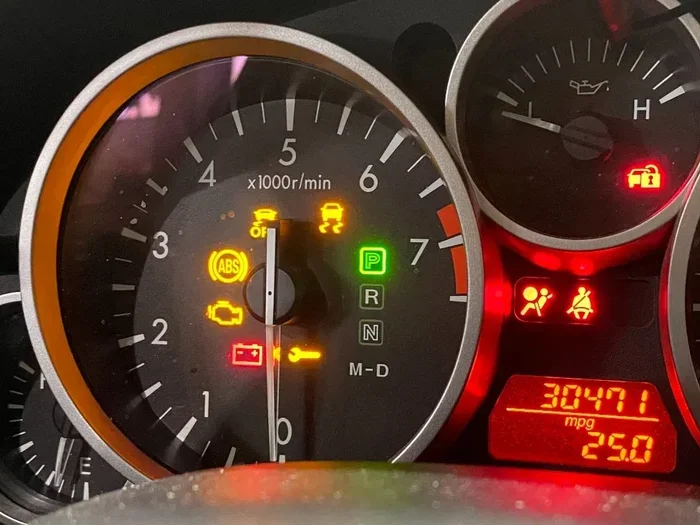
If you see a check engine light after filling up, don’t ignore it. Get the codes read at an auto parts store. Many stores offer free diagnostic scanning. The codes will tell you exactly which part of the EVAP system is causing the problem. From there, you can decide whether to fix it yourself or visit a mechanic.
Electrical and Ignition Problems After Filling Up
Sometimes the problem isn’t in the fuel system at all. It’s in the electrical or ignition system. Filling up at the gas station can accidentally trigger electrical issues, especially if you’re dealing with worn components that were already on the edge of failure.
Spark Plugs and Ignition Coils: The Spark That Starts Everything
Your engine needs a strong spark to ignite the fuel-air mixture in each cylinder. Spark plugs create that spark, and ignition coils provide the electrical energy needed to generate it. When either one fails, the engine cranks but won’t fire.
After filling up, a weakened ignition coil might fail completely due to the slight electrical changes that happen during refueling. This is especially common in humid or wet conditions. Water moisture can find its way into ignition components and cause short circuits.
Check your spark plugs if your car has been running rough or hesitating. Look for signs of wear, carbon buildup, or electrode damage. Most spark plugs need replacement every thirty thousand to one hundred thousand miles, depending on the type. Ignition coils are a bit more expensive, running between fifty and two hundred fifty dollars each. Replacing them is usually a straightforward job for a home mechanic.
Sensor Failures That Prevent Startup
Modern cars rely on dozens of sensors to run properly. Two sensors in particular are known to cause starting problems after refueling. The crankshaft position sensor tells the engine computer when to fire the spark plugs. The camshaft position sensor helps coordinate fuel injection timing.
When either of these sensors fails, the engine has no idea when to spark or inject fuel. The result is a car that cranks and cranks but never starts. These sensors can fail unexpectedly, and the vibration or electrical changes from filling up can sometimes be the final straw.
Replacing a crankshaft or camshaft sensor is usually affordable, ranging from twenty to a hundred dollars for the part. Labor is typically quick, often under an hour. If your check engine light comes on after filling up and your car won’t start, these sensors should be at the top of your diagnostic list.
The Mass Airflow Sensor: Measuring What the Engine Needs
The mass airflow sensor measures the amount of air entering the engine. This information helps the ECU calculate the right fuel-to-air ratio. When this sensor gets dirty or fails, the engine gets too much or too little fuel, which can prevent startup.
Contamination is the biggest enemy of the mass airflow sensor. Dirt, oil, and dust from the air intake system can coat the sensor wire or element. After filling up, if you’ve been driving through dusty or dirty conditions, this sensor may be more vulnerable to contamination.
You can clean a mass airflow sensor with a special cleaner spray available at any auto parts store. Just a few sprays and a gentle wipe can restore proper function. If cleaning doesn’t help, replacement is straightforward and usually costs between fifty and two hundred dollars.
Quick Troubleshooting Steps You Can Take Right Now
If your car won’t start after getting gas, don’t just stand there frustrated. Follow these steps in order and you’ll solve the problem most of the time.
- Check the fuel cap. Remove it, inspect the seal, and reinstall it tightly. Listen for the clicking sound. This fixes the problem more often than you’d think.
- Turn the key to the on position without starting. Wait ten seconds. This gives the fuel pump time to prime the system. You may hear a faint humming sound from the rear of the car. That’s normal.
- Try starting the car again. If it still doesn’t start, move to the next step.
- Check for a check engine light. If it’s on, get the codes read. This gives you a direct clue about what’s wrong.
- Inspect the spark plugs. Pull one out and look for damage or heavy carbon buildup. Replace if needed.
- Listen carefully when you turn the key. A single click means the starter solenoid is engaging but not catching. Repeated rapid clicking usually means a weak battery.
- Call for roadside assistance if needed. Don’t keep turning the key over and over. It can overheat the starter and make the problem worse.
These steps take just a few minutes and can save you a tow truck bill. Always start with the simplest solutions first. Most of the time, the fix is closer than you think.
When to See a Mechanic
Some problems are easy to fix at home. Others need professional tools and expertise. Knowing when to call for help saves you time, money, and a lot of stress.
You should see a mechanic if your car cranks but never fires after checking the fuel cap and waiting for priming. If the check engine light is flashing instead of staying solid, that indicates a serious issue like engine misfiring that could damage the catalytic converter. A flashing light means you need to stop driving and get the car towed.
Also, if you smell strong fuel odors near the car or under the hood, get professional help immediately. Fuel leaks are dangerous and should never be ignored. A mechanic can use diagnostic equipment to read sensor data, test fuel pressure, and inspect electrical components safely.
Don’t wait too long to get help either. A small problem like a weak fuel pump can leave you stranded on a busy highway or in an unsafe location. If the troubleshooting steps above don’t solve the issue, book a service appointment right away.
How to Prevent Your Car from Not Starting After Getting Gas
Prevention is always better than repair. A few simple habits can keep your car running smoothly every time you visit the gas station.
- Always tighten the fuel cap properly. Listen for the clicks. This alone prevents a huge percentage of no-start issues after refueling.
- Don’t overfill the tank. Topping off the tank can cause fuel to enter the EVAP system and create pressure problems. Stop when the pump clicks off the first time.
- Buy gas from reputable stations. Clean fuel protects your injectors, fuel filter, and fuel pump. Cheap gas from questionable sources can contain contaminants that cause long-term damage.
- Follow the maintenance schedule. Replace your fuel filter, spark plugs, and air filter at the recommended intervals. Regular maintenance catches small problems before they become big ones.
- Keep your tank at least a quarter full. This reduces condensation inside the tank and keeps the fuel pump cool. A fuel pump that runs dry burns out faster.
- Address warning signs early. If your car hesitates, stumbles, or the check engine light comes on, don’t ignore it. Early intervention prevents expensive repairs later.
These habits take almost no extra time but pay off enormously in reliability and fuel economy. Your future self will thank you the next time you pull into the driveway and your car starts right up.
Key Takeaways
- Loose fuel cap: The most common cause of car won’t start after getting gas. Always twist until you hear it click.
- Vapor lock: Heat and fuel vapor in the lines can prevent startup, especially on hot days.
- Fuel pump failure: A weak pump can’t deliver fuel after the pressure changes from refueling.
- Clogged fuel filter: Restricts fuel flow and exposes itself under the extra demand of a full tank.
- Ignition system problems: Bad spark plugs, ignition coils, and sensors can all prevent startup after filling up.
- EVAP system issues: A malfunctioning EVAP system disrupts tank pressure and can block engine startup.
- Prevention works: Simple habits like proper fuel cap tightening and regular maintenance prevent most no-start problems.
Conclusion
When your car won’t start after getting gas, the problem is almost always something you can figure out and fix. Start with the simplest explanation: check your fuel cap. That solves the issue for many drivers. If the cap isn’t the problem, move through the troubleshooting steps we covered and work your way toward more complex causes like the fuel pump, fuel filter, and ignition system.
The key is to stay calm and methodical. Don’t throw parts at the problem hoping something will work. Instead, use the diagnostic process to narrow down the exact cause. Most of the time, the fix is quick, affordable, and something you can handle yourself. And if the problem is beyond your skill level, a trusted mechanic can get you back on the road in no time.
Remember that car won’t start after refueling is a common experience shared by millions of drivers. You’re not alone, and the fix is almost always within reach. Take the steps outlined in this guide, keep up with regular maintenance, and you’ll spend a lot less time in parking lots staring at a dead engine. Drive safe, fill up smart, and keep your car running strong for miles to come.
Frequently Asked Questions
Why does my car crank but not start after I put gas in it?
This usually points to a fuel delivery or ignition problem. The fuel pump might not be sending enough fuel, the spark plugs could be worn, or the fuel filter may be clogged. Start by checking the fuel cap and waiting a few seconds for the fuel pump to prime before trying again.
Can a loose gas cap really prevent a car from starting?
Yes, it absolutely can. A loose or damaged fuel cap lets fuel vapors escape and disrupts the EVAP system pressure balance. Many modern cars have a safety feature that prevents starting if a fuel system leak is detected. Tightening or replacing the cap often solves the problem immediately.
How long should I wait after filling up before starting the car?
Wait at least five to ten seconds after turning the key to the on position. This gives the fuel pump time to build pressure and deliver fuel to the engine. If you start immediately, the engine may not get enough fuel to fire properly, especially if the fuel pump is already weak.
Is it safe to drive if my car stalls right after filling up?
It depends on the cause. If the fuel cap was loose, tighten it and try again. If the car stalls repeatedly or shows a check engine light, pull over safely and get it inspected. Continuing to drive with a fuel system problem can damage the catalytic converter or leave you stranded.
What should I do if the check engine light comes on after filling up?
Don’t panic. Get the codes read at an auto parts store or with an OBD2 scanner. Common codes after refueling relate to the EVAP system, oxygen sensor, or fuel trim. These codes give you a clear direction for what to check next, whether it’s the fuel cap or a deeper issue.
Can bad gas cause a car not to start after refueling?
Yes, contaminated or low-quality fuel can clog fuel injectors, damage the fuel pump, and prevent startup. Always buy gas from well-known, reputable stations. If you suspect bad gas, don’t keep driving the car. Have it towed to a shop where the fuel system can be drained and cleaned properly.