Car Has No Power at All: Here Is What Could Be Wrong
When your car has no power at all, it can be scary and frustrating. Several things can cause this problem, including a weak battery, bad fuel pump, or ignition issues. This guide walks you through every possible reason step by step. You will learn how to spot the symptoms and what to do next. Read on to find out how to get your car running again.
There is nothing worse than turning the key and hearing nothing. Or maybe you turn the key and the dashboard lights up, but the engine just will not turn over. When your car has no power at all, it feels like the world stops. You are stuck, confused, and maybe a little worried about the repair bill.
The good news is that most causes of zero power are easy to diagnose. You do not need to be a mechanic to understand what is going on. In this article, we will walk through every possible reason your vehicle might have no power. We will cover electrical problems, fuel system failures, ignition issues, and even mechanical breakdowns. By the end, you will know exactly what to check and what steps to take next.
Key Takeaways
- Dead or weak battery: The most common reason for zero power. Easy to test and replace.
- Fuel pump failure: A bad fuel pump stops gas from reaching the engine.
- Ignition system problems: Worn spark plugs or ignition coils can kill engine power.
- Clogged fuel filter: Restricts fuel flow and causes a complete loss of power.
- Electrical faults: Blown fuses, bad alternators, or wiring issues can shut everything down.
- Sensor failures: Faulty mass airflow or crankshaft sensors can prevent the engine from starting.
- Mechanical issues: Low compression or a broken timing belt can also cause no-power conditions.
📑 Table of Contents
Why Your Car Has No Power at All
Before we dive into specific causes, let us talk about what actually happens when you turn the key. Your car needs three things to run: fuel, air, and spark. If any one of these is missing, the engine will not start. Sometimes it is a simple fix. Other times, it points to a deeper problem. Let us explore each possibility in detail.
The Electrical System: The Heart of Your Car’s Power
The electrical system is the backbone of your vehicle. It powers the starter motor, the fuel pump, the ignition system, and all the sensors. When the electrical system fails, your car has no power at all. Here are the most common electrical culprits.
Dead or Weak Battery
A dead battery is the number one reason people experience zero power. Batteries last three to five years on average. Extreme weather, old age, and leaving lights on can kill a battery fast. If you turn the key and hear nothing, or just a quick click, the battery is likely the problem.
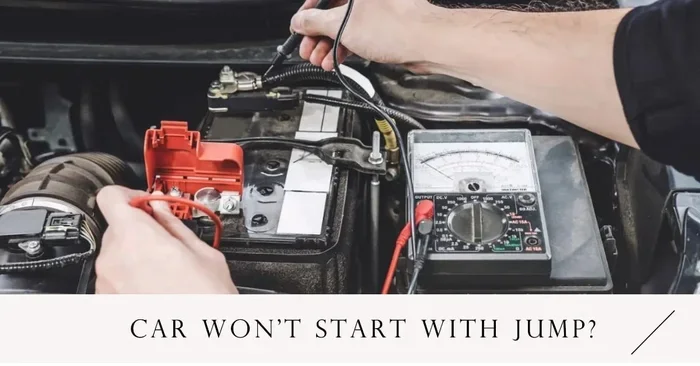
You can test your battery with a simple multimeter. A healthy battery should read 12.6 volts or higher. Anything below 12.0 volts means the battery is weak. If the voltage is below 11.5 volts, it is time for a replacement. Jump-starting the car is a quick temporary fix, but a new battery solves the problem for good.
Bad Alternator
The alternator charges your battery while the engine runs. When the alternator fails, the battery drains quickly. Eventually, you will have no power at all. Warning signs include dimming headlights, a battery warning light on the dashboard, and strange whining noises.
If your car dies right after a jump start, the alternator is probably the issue. Replacing an alternator costs between 300 and 800 dollars depending on your vehicle model. It is a repair you should not ignore, because a failed alternator will leave you stranded again.
Corroded or Loose Battery Terminals
Sometimes the problem is not the battery itself but the connection. Corrosion builds up on battery terminals over time. This greenish-white crust blocks the electrical current from flowing properly. A loose cable can also cause a complete loss of power.
You can clean corroded terminals with a baking soda and water solution. Use a wire brush to scrub away the buildup. Make sure the cables are tight and secure. This simple maintenance step can save you from a lot of headaches.
Blown Fuses and Faulty Wiring
Your car has many fuses that protect different electrical circuits. A blown fuse can cut power to the fuel pump, ignition system, or starter motor. Check your fuse box first if your car has no power at all. Look for any fuse that has a broken filament inside.
Wiring problems are less common but more serious. Rodents can chew through wires, and heat can melt insulation over time. If you suspect a wiring issue, it is best to have a professional mechanic inspect the entire electrical system.
Fuel System Problems That Stop Your Car
The fuel system delivers gasoline from the tank to the engine. If any part of this system fails, your engine will not run. Here are the fuel-related reasons your car might have zero power.
Failed Fuel Pump
The fuel pump pushes gas from the tank to the engine. When it fails, no fuel reaches the combustion chamber. A bad fuel pump is one of the most serious reasons your car has no power at all. You might hear a faint humming sound from the back of the car when you turn the key to the ON position. If you hear nothing, the pump might be dead.
Fuel pumps usually fail because of contaminated fuel, a clogged fuel filter, or simply old age. Replacing a fuel pump can cost 400 to 800 dollars on average. The good news is that you can often prevent pump failure by keeping your tank at least a quarter full at all times.
Clogged Fuel Filter
The fuel filter removes dirt and debris from the gasoline before it reaches the engine. Over time, the filter becomes clogged and restricts fuel flow. A severely clogged filter can completely block fuel delivery, leaving you with no power.
Most fuel filters should be replaced every 30,000 to 40,000 miles. Check your owner’s manual for the exact schedule. Replacing a fuel filter is inexpensive and easy. It is one of the first things a mechanic should check when diagnosing a no-power condition.
Empty Fuel Tank
It sounds obvious, but people run out of gas more often than you think. If your fuel gauge is acting strange, the sensor might be faulty. Always keep a small emergency fuel container in your trunk, especially during winter or long trips.
Dirty or Clogged Fuel Injectors
Fuel injectors spray precise amounts of fuel into the engine cylinders. When they become clogged, the engine struggles to get enough fuel. In severe cases, the engine will not start at all. Using a fuel system cleaner can help prevent injector buildup. If the injectors are badly clogged, they may need to be professionally cleaned or replaced.
Ignition System Failures
The ignition system creates the spark that ignites the fuel-air mixture in the engine. Without a proper spark, the engine simply will not fire. Here is what to look for.
Worn Spark Plugs
Spark plugs wear out over time. The electrodes erode, and the gap between them widens. Old spark plugs produce weak or no spark at all. Most manufacturers recommend replacing spark plugs every 30,000 to 100,000 miles depending on the type.
If you have not changed your spark plugs in a while, this could be the reason your car has no power at all. Replacing spark plugs is one of the cheapest and easiest maintenance tasks. A set of spark plugs usually costs between 20 and 80 dollars.
Faulty Ignition Coils
Ignition coils convert the battery’s low voltage into the high voltage needed for a spark. When a coil fails, one or more cylinders lose spark. This causes a no-start condition or severe power loss while driving.
Ignition coil failure often happens because of worn spark plugs. Always replace spark plugs on schedule to protect the coils. A single ignition coil replacement costs around 150 to 300 dollars.
Ignition Switch Problems
The ignition switch controls the flow of electricity to the starter and ignition system. When it fails, you might notice the dashboard lights flicker or the engine does not respond when you turn the key. Ignition switch problems are less common but can completely prevent your car from starting.
Sensor and Computer Issues
Modern vehicles rely heavily on sensors and the engine control unit (ECU). These components manage fuel delivery, spark timing, and air intake. When a critical sensor fails, your car might have no power at all.
Crankshaft Position Sensor Failure
The crankshaft position sensor tells the ECU the exact position and speed of the crankshaft. Without this information, the engine cannot fire. This sensor failure is a common cause of no-start conditions. You might notice the check engine light comes on before the problem gets worse.
Mass Airflow Sensor (MAF) Problems
The mass airflow sensor measures the amount of air entering the engine. The ECU uses this data to calculate the correct fuel mixture. A dirty or faulty MAF sensor can send incorrect signals, causing the engine to stall or refuse to start.
You can clean a MAF sensor with a specialized cleaner spray. Simply remove the sensor and spray it gently. Do not touch the delicate wires inside. If cleaning does not help, the sensor needs replacement.
Throttle Body Issues
The throttle body controls how much air enters the engine. Carbon buildup can cause the throttle body to stick or malfunction. This can result in a complete loss of power or a no-start condition. Cleaning the throttle body is a straightforward fix that many car owners can do themselves.
Mechanical Problems That Cause No Power
Sometimes the problem is purely mechanical. These issues are more serious and usually require professional help.
Broken Timing Belt or Chain
The timing belt or chain synchronizes the engine’s camshaft and crankshaft. If it breaks, the engine will not turn over properly. In interference engines, a broken timing belt can cause severe internal damage. This is one of the most expensive repairs, costing 500 to 1,500 dollars or more.
Always follow the manufacturer’s replacement schedule for the timing belt or chain. Do not ignore warning signs like a ticking noise from the engine or difficulty starting.
Low Engine Compression
Engine compression is what allows the cylinders to fire properly. Low compression means the engine cannot generate enough force to run. Causes include worn piston rings, damaged head gaskets, or bent valves. A compression test can diagnose this problem quickly.
Catalytic Converter Failure
A clogged catalytic converter restricts exhaust flow. Over time, this can cause a complete loss of power, especially while accelerating. You might notice the engine runs fine at idle but dies when you try to speed up. Replacing a catalytic converter is expensive, often costing over 1,000 dollars.
How to Diagnose the Problem Step by Step
When your car has no power at all, you need a systematic approach. Here is a simple diagnostic checklist you can follow at home.
Step 1: Check the battery voltage. Use a multimeter to test the battery. If it reads below 12.0 volts, charge or replace the battery.
Step 2: Listen for the fuel pump. Turn the key to the ON position (do not start). You should hear a brief humming sound from the back of the car. No sound means the fuel pump might be dead.
Step 3: Check the fuel level. It sounds silly, but always verify you have gas. A faulty fuel gauge can be misleading.
Step 4: Inspect the spark plugs. Remove one and check for wear, fouling, or damage. Replace them if they look old or dirty.
Step 5: Look for blown fuses. Open the fuse box and visually inspect each fuse. Replace any that are blown.
Step 6: Check for error codes. Use an OBD-II scanner to read trouble codes from the ECU. These codes point you directly to the problem area.
Step 7: Visit a mechanic. If you cannot find the problem, take the car to a trusted shop. A professional diagnosis usually costs 50 to 150 dollars and saves you time and guesswork.
Quick Tips to Prevent Power Loss
Prevention is always better than repair. Here are some simple habits that keep your car running strong:
- Replace the battery every three to five years before it fails unexpectedly.
- Keep your fuel tank at least a quarter full to protect the fuel pump.
- Change the fuel filter and spark plugs on schedule.
- Use quality fuel from reputable gas stations to avoid contamination.
- Address the check engine light immediately. Do not ignore warning signs.
- Perform regular maintenance checks on the electrical system and sensors.
- Store your car in a garage during extreme weather to protect the battery.
Common Mistakes People Make When Their Car Loses Power
When you are stressed and your car has no power at all, it is easy to make mistakes. Here are the most common ones to avoid.
Jump-starting without diagnosing the real problem. A jump start gets you going temporarily, but if the root cause is a bad alternator or fuel pump, the problem will return. Always find the real cause before relying on jump starts.
Ignoring the check engine light. Many people ignore this warning until the car breaks down completely. The check engine light is your early alert system. Use it.
Assuming it is always the battery. While the battery is the most common cause, it is not the only one. A thorough check of the fuel system, ignition system, and sensors can save you from replacing parts you do not need.
Using cheap replacement parts. Bargain parts might save money upfront, but they often fail sooner. Invest in quality components from reputable brands to avoid repeat repairs.
Trying complex repairs without knowledge. Some fixes are simple, but others require professional tools and expertise. Know your limits and call a mechanic when needed.
Expert Insights on Car Power Loss
Experienced mechanics see cases of zero power every day. Here are some insights from industry professionals.
Most mechanics agree that the battery and fuel pump are the top two culprits. According to a survey by AAA, battery failure is the leading cause of roadside breakdowns in the United States. Fuel pump failures rank in the top five.
One veteran mechanic shared this tip: always check the simplest things first. Do not jump to expensive repairs without ruling out a dead battery or empty tank. A five-minute check can save you hundreds of dollars.
Another expert emphasizes the importance of regular maintenance. Cars that follow a consistent service schedule rarely experience sudden power loss. Prevention through routine care is far cheaper and less stressful than emergency repairs.
When to Call a Professional
Some problems are safe to tackle at home, but others require a trained professional. Call a mechanic if you notice any of the following:
- The car has no power at all and basic checks do not reveal the cause.
- You smell burning or see smoke under the hood.
- The check engine light is flashing, not just steady.
- The engine makes unusual knocking or grinding noises.
- You have tried jump-starting, and the car dies again within minutes.
- You suspect a broken timing belt or internal engine damage.
A professional diagnosis gives you peace of mind. You know exactly what is wrong and what it will cost to fix. Many shops offer free or low-cost inspections for no-start conditions.
Cost Estimates for Common No-Power Repairs
Understanding the potential cost helps you plan and budget. Here are rough estimates for the most common repairs when your car has no power at all:
- Battery replacement: 100 to 250 dollars
- Alternator replacement: 300 to 800 dollars
- Fuel pump replacement: 400 to 800 dollars
- Fuel filter replacement: 50 to 150 dollars
- Spark plug replacement: 20 to 80 dollars for parts
- Ignition coil replacement: 150 to 300 dollars
- Crankshaft sensor replacement: 150 to 350 dollars
- Timing belt replacement: 500 to 1,500 dollars
- Catalytic converter replacement: 1,000 to 2,500 dollars
These costs vary depending on your vehicle make and model, your location, and the labor rates in your area. Always get a detailed estimate before approving any repair work.
Conclusion
When your car has no power at all, it is easy to panic. But most causes are straightforward and fixable. Start with the simplest possibilities, like a dead battery or empty fuel tank. Work your way through the fuel system, ignition system, and sensors. Use an OBD-II scanner to read error codes, and do not hesitate to call a professional when needed.
Regular maintenance is your best defense against power loss. Keep your battery fresh, your fuel system clean, and your spark plugs in good condition. These small efforts pay off big time in reliability and peace of mind. Now you have the knowledge to tackle the problem with confidence. Get your car back on the road and stay safe out there.
Frequently Asked Questions
Why does my car have no power at all when I turn the key?
The most common reason is a dead or weak battery. Other possible causes include a failed fuel pump, bad ignition coils, or a broken starter motor. Start by checking the battery voltage and listening for the fuel pump hum when you turn the key to the ON position.
Can a bad alternator cause my car to have no power at all?
Yes, a bad alternator can drain your battery quickly, leading to a complete loss of power. If your car starts with a jump but dies shortly after, the alternator is likely the problem. Have it tested and replaced if needed.
How do I know if my fuel pump is bad?
Signs of a failing fuel pump include a humming noise from the back of the car, difficulty starting, and stalling under load. If you turn the key to ON and hear nothing, the fuel pump may be completely dead. A mechanic can test the fuel pump pressure to confirm.
Is it safe to drive a car that has no power at all?
No, it is not safe. A car with no power can stall unexpectedly, which is dangerous especially on highways or busy roads. Have the vehicle towed to a repair shop and get the problem diagnosed before attempting to drive it again.
How much does it cost to fix a car that has no power at all?
The cost depends entirely on the cause. A simple battery replacement costs around 100 to 250 dollars. More serious issues like a fuel pump or timing belt can cost 500 to 1,500 dollars or more. Always get a detailed estimate before approving repairs.
What should I do first when my car has no power at all?
Start with the basics. Check the battery voltage, verify you have fuel, and look for blown fuses. These simple checks often reveal the problem quickly. If the basics check out, use an OBD-II scanner to read error codes from the engine computer.