Car Cranks but Wont Start: Troubleshooting Guide
A car that cranks but won’t start is one of the most common and frustrating problems drivers face. The issue usually comes down to three systems: fuel, spark, or compression. This troubleshooting guide walks you through the most likely causes, from a weak battery to a bad crankshaft position sensor, and gives you clear, actionable steps to diagnose and fix the problem yourself.
There’s nothing quite like the feeling of turning your key or pressing the start button — and hearing your engine crank — only for it to refuse to start. You hear that familiar whirring sound, but the engine just won’t catch. It’s maddening, and it can happen to anyone, no matter how new or old your vehicle is.
When your car cranks but won’t start, the problem usually comes down to one of three things: fuel, spark, or compression. Your engine needs all three to run properly. If even one of these systems fails, you’re stuck. The good news is that many of the most common causes are easy to check and fix on your own.
This troubleshooting guide will walk you through every likely cause, step by step. We’ll cover everything from a dead battery to a bad crankshaft position sensor. By the end, you’ll know exactly what to look for and how to get your car running again.
Key Takeaways
- Fuel delivery problems are one of the top reasons a car cranks but won’t start.
- A weak or dead battery can still let the engine crank but not fire up.
- Ignition system failures like bad spark plugs or coils prevent combustion.
- Sensor issues such as a faulty crankshaft position sensor can stop your car from starting.
- Simple checks first — like listening for the fuel pump — can save you time and money.
- Know when to call a mechanic — some problems need professional tools and expertise.
📑 Table of Contents
- Why Does a Car Crank But Not Start?
- Check Your Battery and Electrical System First
- Fuel Delivery Problems That Stop Your Engine
- Ignition System Failures That Prevent Starting
- Sensor Problems That Fool Your Engine
- Security System and Immobilizer Issues
- Mechanical Problems That Cause No-Start Conditions
- Step-by-Step Troubleshooting Checklist
- When to Call a Professional Mechanic
- Prevention Tips to Avoid Future Starting Problems
- Conclusion
Why Does a Car Crank But Not Start?
Understanding the basics of how your engine starts helps you troubleshoot faster. When you turn the key, the starter motor spins the engine. The engine then needs three things to fire up: fuel, spark, and compression. If any one of these is missing, the engine will crank but not start.
Think of it like a recipe. You need flour, eggs, and sugar to bake a cake. Leave out one ingredient, and you don’t get a cake. Same idea with your engine. Car cranks but won’t start problems almost always trace back to a failure in one of these three areas.
The Three Essential Ingredients for Starting
Let’s break these down quickly so you understand what each one does:
- Fuel: Gasoline or diesel needs to reach the combustion chamber in the right amount. A clogged fuel filter or a failing fuel pump can block delivery.
- Spark: The ignition system creates a spark that ignites the fuel-air mixture. Bad spark plugs or a faulty ignition coil can kill the spark.
- Compression: The engine’s pistons need to compress the fuel-air mixture properly. A broken timing belt or worn piston rings can ruin compression.
When diagnosing a car cranks but won’t start issue, start with the easiest checks first. Fuel and spark are the most common culprits, and they’re the easiest to test.
Check Your Battery and Electrical System First
Before you dig into complicated systems, always start with the simplest explanation. A weak battery is one of the most common reasons a car cranks but won’t start. The battery has enough power to turn the engine over, but not enough to create the spark needed for ignition.
Signs Your Battery Is the Problem
How do you know if your battery is to blame? Look for these telltale signs:
- The engine cranks slowly or sluggishly.
- The dashboard lights dim when you turn the key.
- You hear a rapid clicking sound but no crank.
- The battery is more than three years old.
- You left lights on overnight.
Battery voltage matters a lot here. A fully charged battery should read around 12.6 volts with the engine off. When you try to start the car, voltage should stay above 10 volts. If it drops below that, the battery can’t deliver enough power to create a strong spark.
Quick Battery Tests You Can Do
You don’t need to be a mechanic to test your battery. Grab a multimeter if you have one. Set it to measure DC voltage. Touch the red probe to the positive terminal and the black probe to the negative terminal. Read the number and compare it to the benchmarks above.
If the battery reads low, try jumping it with another car or a portable jump starter. If the car starts and runs fine after a jump, your battery is likely the problem. Replace it soon to avoid getting stranded again.
Quick Tips
- Clean battery terminals with a wire brush if you see corrosion.
- Check cable connections — loose cables can cause starting issues.
- Keep a portable jump starter in your trunk for emergencies.
Fuel Delivery Problems That Stop Your Engine
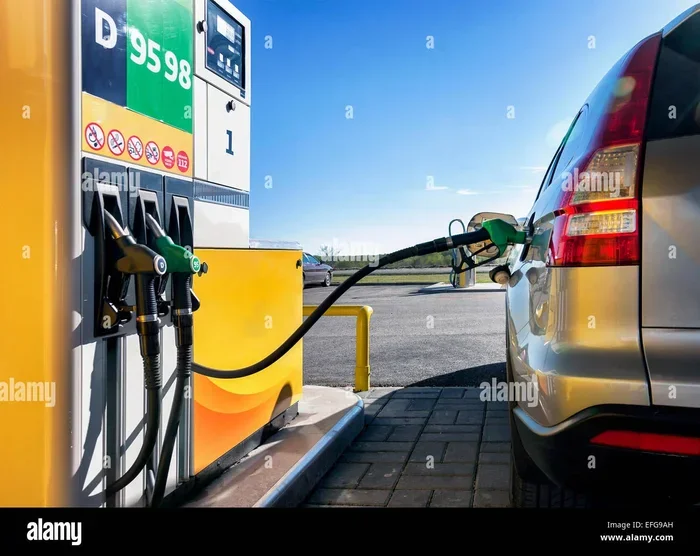
Once the battery checks out, fuel delivery is the next most common cause. Your engine needs the right amount of fuel at the right pressure. When something goes wrong in the fuel system, the engine turns over but can’t catch.
Common Fuel System Failures
Several parts in the fuel delivery system can fail. Here are the ones that cause the most problems:
- Fuel pump failure: The pump sits inside the fuel tank and pushes gas to the engine. When it dies, fuel never reaches the engine. You might hear a brief hum when you turn the key, or you might hear nothing at all.
- Clogged fuel filter: The filter catches debris before it reaches the engine. Over time, it gets blocked and restricts flow. A clogged fuel filter often causes starting problems after the car sits for a while.
- Empty fuel tank: It sounds silly, but it happens more often than you’d think. If the fuel gauge is acting up, the tank might be genuinely empty.
- Clogged fuel injector: Injectors spray fuel into the combustion chamber. When they get dirty or blocked, the engine doesn’t get enough fuel to start.
How to Test Fuel Delivery
Here’s a simple way to check if fuel is reaching the engine. Turn the key to the “On” position (don’t start it). You should hear a brief buzzing or humming sound from the back of the car. That’s the fuel pump priming the system. If you hear nothing, the fuel pump might be dead.
Another trick: spray a small amount of starting fluid into the throttle body. If the engine fires briefly and then dies, you know the problem is fuel delivery. The engine has spark — it just doesn’t have fuel.
Fuel delivery issues can also stem from a bad fuel pressure regulator. This part controls the pressure in the fuel lines. When it fails, the engine gets too much or too little fuel. A mechanic can test fuel pressure with a gauge attached to the fuel rail.
Ignition System Failures That Prevent Starting
If fuel delivery looks fine, the next place to look is the ignition system. The spark plugs, ignition coils, and related components create the spark that ignites the fuel. No spark means no combustion — and no start.
Spark Plugs: The Most Overlooked Cause
Spark plugs wear out over time. They have a limited lifespan, and old plugs are one of the most common reasons a car cranks but won’t start. When the electrodes wear down, they can’t create a strong enough spark to ignite the fuel-air mixture.
Here’s how to check your spark plugs:
- Remove each spark plug with a socket wrench.
- Look for heavy carbon buildup, oil deposits, or worn electrodes.
- Check the gap between the electrodes with a feeler gauge.
- Compare the condition to what the manufacturer recommends.
If the plugs look terrible, replace them. New spark plugs are cheap and they solve a surprising number of starting problems.
Ignition Coils and the Ignition Module
The ignition coil takes the battery’s low voltage and turns it into the thousands of volts needed to create a spark. When a coil fails, one or more cylinders lose their spark. The engine might crank but not start, especially if multiple coils go bad at once.
Modern cars use a coil-on-plug setup where each cylinder has its own coil. When one fails, you might notice the engine running rough before it stops starting entirely. Ignition coil failure is a common cause of no-start conditions in vehicles with higher mileage.
Expert Insights
Experienced mechanics often say, “Check the simple stuff first.” A visual inspection of spark plug wires (if your car has them), coil connections, and the distributor cap can reveal obvious damage like cracks, corrosion, or carbon tracking. These are free checks that take just a few minutes.
Sensor Problems That Fool Your Engine
Modern cars rely on dozens of sensors to run properly. When a critical sensor fails, the engine computer (the ECU) can’t manage fuel delivery or spark timing correctly. This is one of the trickiest categories of car cranks but won’t start problems.
The Crankshaft Position Sensor
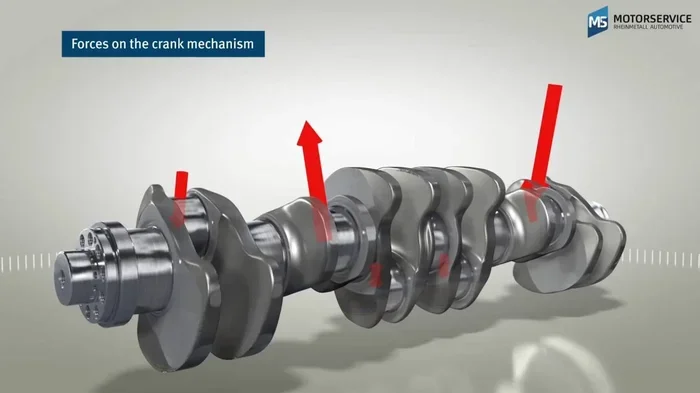
The crankshaft position sensor tells the engine computer where the crankshaft is positioned. This information is essential for timing the spark and fuel injection. When this sensor fails, the engine has no way to know when to fire the spark plugs.
Symptoms of a bad crankshaft position sensor include:
- The engine cranks normally but won’t start.
- The check engine light comes on.
- The car stalls suddenly while driving.
- You notice rough running before the no-start condition.
This sensor is relatively inexpensive and easy to replace on most vehicles. If you have an OBD-II scanner, you can often read a specific trouble code that points to this sensor.
Camshaft Position Sensor
The camshaft position sensor works alongside the crankshaft sensor. It tells the ECU the position of the camshaft, which controls valve timing. When both sensors work together, the ECU can precisely control fuel injection and ignition timing. A failed camshaft sensor can prevent starting in some engine designs.
The Mass Airflow Sensor
The mass airflow (MAF) sensor measures the amount of air entering the engine. The ECU uses this data to calculate how much fuel to inject. A dirty or failing MAF sensor sends incorrect readings, which leads to an imbalanced fuel-air mixture. Too little fuel, and the engine won’t start.
Cleaning the MAF sensor with a dedicated cleaner often fixes the problem. Just be gentle — the sensor wire is delicate.
Security System and Immobilizer Issues
Many modern vehicles have anti-theft systems that can prevent the engine from starting. If your car cranks normally but refuses to fire, the immobilizer might be the culprit.
How the Immobilizer Works
The immobilizer system reads a transponder chip inside your key or key fob. If the chip doesn’t match the code stored in the car’s computer, the engine is allowed to crank but won’t start. This is a security feature designed to prevent theft.
Common immobilizer problems include:
- A dead key fob battery. This is surprisingly common and easy to fix.
- A damaged transponder chip in the key.
- A faulty antenna ring around the ignition lock cylinder.
- An immobilizer module that needs reprogramming.
If your dashboard shows a flashing security light when you try to start the car, the immobilizer is likely engaged. Try a spare key first. If the spare key works, replace the battery in your primary key fob.
Mechanical Problems That Cause No-Start Conditions
Sometimes the problem is purely mechanical. These issues are less common than electrical or fuel problems, but they can be more serious and expensive to repair.
Timing Belt or Chain Failure
The timing belt or chain synchronizes the movement of the crankshaft and camshaft. If it breaks, the pistons and valves can collide, causing catastrophic engine damage. A broken timing belt will prevent the engine from starting, and you’ll usually hear a loud bang before it happens.
If you suspect a timing belt issue, do not keep trying to start the engine. Have the car towed to a repair shop. Continuing to crank a engine with a broken timing belt can bend valves and cause even more damage.
Compression Loss
Engine compression is the pressure created when the pistons move up and compress the fuel-air mixture. Low compression means the engine can’t generate enough pressure to ignite the fuel. Causes include worn piston rings, blown head gaskets, and valve damage.
A compression test is the standard way to check for this problem. A mechanic threads a pressure gauge into the spark plug hole and measures the pressure in each cylinder. Low readings in one or more cylinders point to a compression issue.
Hydrolocked Engine
In rare cases, water can enter the combustion chamber through the air intake or a blown head gasket. Since water doesn’t compress like air, the piston can’t move up. The engine will crank freely but won’t start. This is a serious condition that requires immediate attention.
Step-by-Step Troubleshooting Checklist
When you’re faced with a car cranks but won’t start situation, follow this systematic approach. Working through the checklist in order helps you narrow down the cause quickly.
- Check the battery. Test voltage and clean terminals. Jump-start if needed.
- Listen for the fuel pump. Turn the key to “On” and listen for a brief hum from the rear of the car.
- Check for fuel. Look at the gauge and add a small amount of starting fluid to the throttle body.
- Inspect the spark plugs. Remove them and look for wear, fouling, or damage.
- Check for spark. Remove a spark plug, ground it against the engine, and crank the engine. Look for a blue spark.
- Scan for error codes. Use an OBD-II scanner to read trouble codes from the ECU.
- Check the immobilizer. Look for a flashing security light and try a spare key.
- Inspect timing components. If nothing else works, check the timing belt or chain.
This checklist covers the vast majority of no-start causes. Most of these checks take only a few minutes and require basic tools. You’ll be surprised how often the fix is simple — a dead battery, a clogged fuel filter, or worn spark plugs.
When to Call a Professional Mechanic
Not every starting problem is a DIY fix. Some issues require specialized tools, advanced knowledge, or professional diagnostics. Here’s when you should stop troubleshooting and call a mechanic:
- The engine turns over normally but you can’t identify the cause after basic checks.
- You suspect internal engine damage like a broken timing belt or hydrolock.
- You need a compression test or fuel pressure test with professional-grade equipment.
- The check engine light is flashing, which often indicates a serious misfire.
- The car starts sometimes but not consistently, which suggests an intermittent electrical fault.
Don’t feel bad about calling for help. A professional mechanic has diagnostic tools and experience that can save you hours of guesswork. Sometimes, a quick visit to the shop costs less than buying parts you don’t actually need.
Prevention Tips to Avoid Future Starting Problems
The best way to deal with a car cranks but won’t start problem is to prevent it from happening in the first place. Regular maintenance keeps your fuel system, ignition system, and electrical components in good shape.
Simple Maintenance Habits
- Replace spark plugs on schedule — typically every 30,000 to 100,000 miles depending on the type.
- Change the fuel filter every 20,000 to 40,000 miles.
- Keep the battery terminals clean and check voltage regularly.
- Replace the fuel pump before it fails — they often last 100,000+ miles but can fail earlier.
- Use quality fuel and consider a fuel system cleaner every 10,000 miles.
- Replace the key fob battery once a year to avoid immobilizer issues.
Staying on top of these simple maintenance tasks dramatically reduces your chances of being stranded with a car that cranks but won’t start. Prevention is always cheaper and easier than repair.
Conclusion
A car cranks but won’t start is a stressful situation, but it’s almost always a solvable problem. The vast majority of cases trace back to fuel delivery, spark, or sensor issues — all of which you can diagnose with basic tools and a little patience.
Start with the simplest explanations: check the battery, listen for the fuel pump, and inspect the spark plugs. Work your way through the troubleshooting checklist systematically. Most of the time, you’ll find the fix without ever needing a mechanic.
For the more complex issues — like sensor failures, immobilizer problems, or mechanical damage — don’t hesitate to seek professional help. The goal is to get you back on the road safely and quickly. Keep this guide bookmarked, share it with a friend who might need it, and remember: most starting problems have a simple solution waiting to be found.
Frequently Asked Questions
What are the top 3 reasons a car cranks but won’t start?
The three most common causes are fuel delivery problems, ignition system failures, and sensor issues. A weak battery that can crank but not create enough spark is also a frequent culprit. Start by checking the battery, fuel pump, and spark plugs before moving to more complex diagnostics.
Can a bad crankshaft position sensor cause a no-start condition?
Yes, absolutely. The crankshaft position sensor tells the engine computer when to fire the spark plugs. When it fails, the ECU loses critical timing information and the engine won’t start. This is one of the most common sensor-related no-start problems in modern vehicles.
How do I know if my fuel pump is bad?
Turn the key to the “On” position and listen for a brief humming sound from the back of the car. If you hear nothing, the fuel pump might be dead. Other signs include the engine stalling under load, loss of power when accelerating, and difficulty starting after the car sits for a while.
Why does my car start sometimes but not other times?
Intermittent starting problems often point to a failing ignition coil, a weak battery, or a sensor that works inconsistently. Heat-related failures are common — coils and sensors can work fine when cold but fail when hot. An OBD-II scanner can help identify the pattern.
Is it safe to keep cranking the engine when it won’t start?
Short bursts of cranking are generally safe, but holding the key for long periods can overheat the starter motor and drain the battery. Try cranking for 10 seconds, wait 30 seconds, and try again. If the engine still won’t start after several attempts, stop and diagnose the problem before continuing.
How much does it cost to fix a car that cranks but won’t start?
The cost varies widely depending on the cause. A new battery costs $50 to $150, spark plugs run $20 to $60, and a fuel pump replacement typically runs $200 to $600. Sensor replacements usually fall between $50 and $250. Mechanical repairs like a timing belt can cost $500 or more. Always get a diagnosis before committing to a repair.