Can You Use a CR2032 Instead of a CR2016 Coin Cell
Using a CR2032 instead of a CR2016 is possible in some devices, but it comes with important differences you need to know. The CR2032 is thicker and has a higher capacity, which can affect fit and performance. Always check your device manual before swapping these two popular lithium coin cell batteries.
Have you ever been stuck with a dead CR2016 battery and only a CR2032 on hand? It is a frustrating situation that happens to the best of us. You look at the two batteries, notice they look almost the same, and wonder if you can just swap them. The short answer is maybe, but the full answer is a bit more complicated. In this guide, we will walk you through everything you need to know about using a CR2032 instead of a CR2016 coin cell battery. We will cover size differences, voltage, compatibility, risks, and practical tips to keep your devices running safely.
Coin cell batteries power some of the most essential items in our daily lives. From car key fobs to garage door openers, these small batteries do big jobs. When one dies unexpectedly, it is tempting to grab whatever coin cell battery you have nearby. But not all coin cell batteries are created equal. Even though the CR2032 and CR2016 share the same prefix and voltage rating, they differ in important ways that can affect your device. Let us break it all down so you can make the right call every time.
Key Takeaways
- Different Thickness: The CR2032 is 3.2mm thick while the CR2016 is only 1.6mm, which can cause fit issues.
- Voltage Match: Both batteries deliver 3 volts, making them compatible in terms of electrical output.
- Capacity Difference: The CR2032 holds more energy (about 235 mAh) compared to the CR2016 (about 90 mAh).
- Device Compatibility Matters: Some devices can accommodate the thicker CR2032, while others cannot.
- Never Force a Battery: Forcing a battery into a compartment can damage your device.
- Check the Manual First: Always refer to your device manufacturer’s recommendations before swapping.
- Short-Term Use Is Safer: Using a CR2032 temporarily is generally safer than long-term use in incompatible devices.
📑 Table of Contents
- What Are CR2016 and CR2032 Batteries?
- Key Differences Between CR2016 and CR2032
- Can You Use a CR2032 Instead of a CR2016?
- Risks of Using the Wrong Battery
- Best Practices for Battery Replacement
- Common Mistakes People Make When Swapping Coin Cell Batteries
- Expert Insights on Coin Cell Battery Compatibility
- Key Takeaways
- Frequently Asked Questions
- Conclusion
What Are CR2016 and CR2032 Batteries?
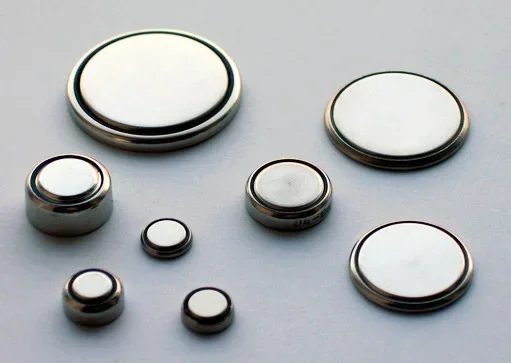
Before we dive into swapping, let us understand what these two batteries actually are. Both the CR2016 and CR2032 belong to the lithium coin cell battery family. They get their names from their dimensions. The “CR” stands for the chemical composition, which is lithium manganese dioxide. This chemistry gives them a long shelf life and stable voltage output. The numbers that follow tell you the size of the battery in millimeters.
The CR2016 is 20mm in diameter and 1.6mm thick. The CR2032 is also 20mm in diameter but 3.2mm thick. That doubling of thickness is the key difference between the two. Despite looking similar at first glance, these two batteries have different capacities and physical profiles. They are both 3-volt batteries, which is why people assume they are interchangeable. But voltage is only one piece of the puzzle.
Why the Names Matter
The naming convention for coin cell batteries follows an international standard. The first two digits represent the diameter in millimeters. The last two digits represent the thickness. So CR2016 means 20mm diameter and 1.6mm thickness. CR2032 means 20mm diameter and 3.2mm thickness. This system applies to other popular coin cells too, like the CR2025, which is 20mm by 2.5mm. Understanding this naming system helps you quickly identify which battery fits your device.
Key Differences Between CR2016 and CR2032
Now that we know the basics, let us look at the specific differences. These details matter more than you might think when deciding whether to swap batteries.
Physical Size and Thickness
The most obvious difference is thickness. The CR2032 is exactly twice as thick as the CR2016. This might not sound like a lot, but in the tight confines of a battery compartment, every millimeter counts. A device designed for a thin CR2016 may not close properly with a thicker CR2032 inside. On the other hand, some devices have extra room and can handle the larger battery just fine.
Capacity and Energy Storage
The CR2032 has a significantly higher capacity than the CR2016. Here is a quick comparison:
- CR2016 Capacity: Around 90 mAh (milliamp hours)
- CR2032 Capacity: Around 235 mAh
- CR2025 Capacity (for reference): Around 150 mAh
What does this mean for you? A CR2032 will generally last longer than a CR2016 in the same device. That is because it stores more than twice the energy. However, this advantage only matters if the battery fits properly in the first place.
Voltage Output
Both batteries deliver 3 volts of nominal voltage. This is the main reason people think they can swap them. In most cases, a device will work fine with either battery from a voltage standpoint. The problem lies in the physical fit and the current draw characteristics. Some devices are sensitive to the internal resistance of the battery, which can vary slightly between models and brands.
Can You Use a CR2032 Instead of a CR2016?
This is the big question, and the answer is: it depends. The CR2032 and CR2016 share the same diameter and voltage, which gives them some overlap in compatibility. But the thickness difference creates real limitations. Let us explore when it works and when it does not.
When It Works
You can safely use a CR2032 instead of a CR2016 when the device has a deep enough battery compartment to accommodate the extra thickness. Some devices are designed with a bit of extra space. In these cases, the thicker CR2032 sits snugly and makes good contact with the battery terminals. Common devices where this swap works include:
- Some car key fobs with removable battery covers
- Certain garage door openers
- Digital thermometers with adjustable compartments
- Some remote controls with spring-loaded battery contacts
In these situations, the CR2032 may even last longer than the CR2016 did. The higher capacity means fewer battery replacements over time. Just make sure the battery seat sits flush and the compartment closes without pressure.
When It Does Not Work
The CR2032 will not work in devices with very tight battery compartments. If the device was designed specifically for a thin CR2016, the extra 1.6mm of thickness can cause problems. Here are some common issues:
- The battery compartment will not close properly
- The battery does not make solid contact with the terminals
- The device powers on and off intermittently
- The thicker battery puts pressure on internal components
Forcing the compartment shut is a bad idea. It can damage the battery contacts, crack the plastic housing, or even cause a short circuit. Always choose the correct battery size for your device when possible.
Devices That Commonly Use CR2016 Batteries
CR2016 batteries show up in a variety of everyday items. Knowing where they are used can help you decide if a swap is worth trying:
- Older car key fobs
- Small remote controls
- Wristwatches
- Calculators
- Medical devices like glucose monitors
- Small electronic toys
If your device falls into any of these categories, check the battery compartment before assuming the CR2032 will fit. Some of these devices have very snug designs that leave no room for a thicker battery.
Risks of Using the Wrong Battery
Swapping batteries without checking compatibility can lead to several problems. Understanding these risks helps you make smarter decisions.
Device Damage
The most common risk of forcing a CR2032 into a CR2016 compartment is physical damage. The pressure can crack the battery hatch or deform the internal components. In rare cases, the pressure on the battery itself can cause it to leak or swell. Lithium batteries are generally stable, but physical stress is never good for them.
Electrical Issues
Even if the battery physically fits, electrical issues can arise. A poor connection caused by incorrect battery depth can lead to intermittent power. This is especially problematic in devices like car key fobs, where a unreliable connection means your car might not start when you need it most.
Voiding Your Warranty
Many device manufacturers specify the exact battery type in their manuals. Using a different battery can void your warranty if it causes damage. This is especially true for newer devices that are still under coverage. Always check the user manual or the manufacturer’s website for approved battery types.
Leakage and Corrosion
While lithium coin cells are less prone to leakage than alkaline batteries, forcing an ill-fitting battery can still cause problems. Pressure on the battery casing can compromise the seal over time. This can lead to electrolyte leakage, which corrodes the battery contacts and damages the device interior.
Best Practices for Battery Replacement
Replacing a coin cell battery is simple, but doing it right saves you headaches. Follow these best practices every time you swap out a battery.
Check Your Device Manual
The user manual is your best friend when it comes to battery replacement. It will list the exact battery type, voltage, and dimensions your device needs. If you have lost the manual, most manufacturers post digital versions on their websites. A quick search for your device model number and the word “manual” usually brings up the PDF in seconds.
Match the Battery Exactly
The safest approach is always to replace a battery with the exact same model. If your device calls for a CR2016, buy a CR2016. If it needs a CR2032, get a CR2032. This ensures perfect fit, proper contact, and optimal performance. Keep a small stash of common battery sizes at home so you are never caught off guard.
Check the Expiration Date
Coin cell batteries have a long shelf life, but they do expire. A battery that has been sitting on a shelf for three years may not perform as well as a fresh one. Look for the manufacture date or expiration date on the packaging. Fresh batteries also reduce the risk of leakage and ensure reliable power.
Clean the Battery Contacts
Before inserting a new battery, take a moment to clean the battery contacts. A quick wipe with a dry cloth or a cotton swab dipped in white vinegar can remove corrosion and improve conductivity. Clean contacts help the battery deliver consistent power and extend its lifespan.
Dispose of Old Batteries Properly
Lithium coin cell batteries should not go in your regular trash. They contain materials that can harm the environment if not disposed of properly. Many hardware stores, electronics retailers, and recycling centers accept used batteries. Some communities also have household hazardous waste collection days where you can drop off old batteries safely.
Buy from Reputable Brands
Not all coin cell batteries are made equal. Cheap, no-name batteries may have inconsistent voltage output and shorter lifespans. Stick with well-known brands like Energizer, Duracell, Panasonic, or Eveready. These brands follow strict quality control standards and offer reliable performance in your devices.
Quick Tips for Battery Swapping
Here are some quick tips to keep in mind when swapping coin cell batteries:
- Always match the positive and negative sides correctly
- Do not mix old and new batteries in the same device
- Store batteries in a cool, dry place
- Do not recharge primary lithium batteries unless the package specifically says they are rechargeable
- Keep batteries away from small children and pets
- Test the device after replacing the battery to confirm proper operation
Common Mistakes People Make When Swapping Coin Cell Batteries
Even experienced people make mistakes when replacing coin cell batteries. Here are some common errors to avoid.
Assuming All 3-Volt Batteries Are the Same
Just because two batteries both output 3 volts does not mean they are interchangeable. The CR2016 and CR2032 are a perfect example. The voltage matches, but the size does not. Always check the full battery designation, not just the voltage.
Forcing the Battery Compartment Closed
If the compartment does not close easily, do not force it. This is a clear sign that the battery does not fit. Forcing it can break the compartment, damage the battery, or create a safety hazard. Remove the battery and try a different size or brand.
Ignoring the Device Manual
It is tempting to guess which battery your device needs, especially if the compartment is hard to access. But guessing often leads to buying the wrong battery. A quick check of the manual or the old battery itself saves time and money.
Using Damaged or Old Batteries
A battery that looks fine on the outside may be degraded on the inside. If a battery has been stored for a very long time or has visible damage, do not use it. A weak battery can underpower your device and cause erratic behavior.
Expert Insights on Coin Cell Battery Compatibility
Battery engineers and electronics technicians agree on one thing: the safest swap is an exact match. Dr. Michael Chen, a battery technology researcher, explains that while the CR2032 and CR2016 share the same chemistry and voltage, the physical differences are significant. “The thickness alone changes how the battery sits in the compartment,” he notes. “This affects the pressure on the contacts and the overall electrical connection.”
Technicians in the automotive industry also emphasize the importance of using the right battery in key fobs and remote start systems. A loose or oversized battery can cause the fob to malfunction, leaving you locked out of your car. In these situations, the cost of buying the correct battery is tiny compared to the inconvenience of a dead fob.
For those who want to know more about battery equivalencies, the International Electrotechnical Commission (IEC) maintains standards for coin cell battery naming and dimensions. These standards help ensure that batteries from different manufacturers are truly interchangeable when the model numbers match.
Key Takeaways
- Different Thickness: The CR2032 is 3.2mm thick while the CR2016 is only 1.6mm, which can cause fit issues.
- Voltage Match: Both batteries deliver 3 volts, making them compatible in terms of electrical output.
- Capacity Difference: The CR2032 holds more energy (about 235 mAh) compared to the CR2016 (about 90 mAh).
- Device Compatibility Matters: Some devices can accommodate the thicker CR2032, while others cannot.
- Never Force a Battery: Forcing a battery into a compartment can damage your device.
- Check the Manual First: Always refer to your device manufacturer’s recommendations before swapping.
- Short-Term Use Is Safer: Using a CR2032 temporarily is generally safer than long-term use in incompatible devices.
Frequently Asked Questions
Can I use a CR2032 instead of a CR2016 in my car key fob?
It depends on your key fob model. Some key fobs have enough space in the battery compartment to fit the thicker CR2032. Others are designed specifically for the thinner CR2016 and will not close properly with a CR2032 inside. Check your vehicle’s owner manual or inspect the battery compartment before attempting the swap. If the compartment closes without pressure and the fob works normally, the swap is likely safe.
What happens if I put a CR2032 in a device that needs a CR2016?
If the device has enough room, nothing bad will happen and the device should work fine. If the compartment is too tight, the battery will not make proper contact or the compartment will not close. Forcing it can damage the device. In some cases, a poor connection will cause the device to work intermittently, which can be frustrating and confusing.
Is the CR2032 better than the CR2016?
Neither battery is universally better. The CR2032 has higher capacity and lasts longer, but it is thicker. The CR2016 is thinner and fits in more compact devices. The right battery depends entirely on what your device needs. Using the wrong size, even if it has more capacity, will not help if it does not fit properly.
Can I use a CR2025 instead of a CR2016 or CR2032?
The CR2025 is 20mm in diameter like the CR2016 and CR2032, but it is 2.5mm thick. This makes it a middle-ground option in some cases. However, it is still not an exact match for either battery. Use a CR2025 only if your device manual specifically lists it as an acceptable replacement.
How long does a CR2032 last compared to a CR2016?
A CR2032 typically lasts longer than a CR2016 because it has more than twice the capacity. In devices that draw very little current, like a car key fob, the CR2032 might last two to three times longer than the CR2016. However, actual battery life depends on usage patterns, temperature, and the specific device.
Are CR2016 and CR2032 batteries rechargeable?
Standard CR2016 and CR2032 batteries are primary lithium batteries, which means they are not rechargeable. Do not attempt to recharge them, as this can cause overheating, leakage, or even explosion. If you need a rechargeable option, look for LIR2032 or LIR2016 batteries, which are specifically designed for rechargeable use.
Conclusion
So, can you use a CR2032 instead of a CR2016? The answer is yes, but with important caveats. Both batteries share the same diameter and voltage, which gives them some overlap in compatibility. The CR2032 offers higher capacity and may last longer in devices where it fits properly. However, the thickness difference means it will not work in all devices. Always check your device manual, inspect the battery compartment, and never force a battery into place. Using the correct battery size is the safest and most reliable approach. When in doubt, buy the exact battery type your device requires. A few extra dollars spent on the right battery saves you from costly repairs and frustrating downtime. Keep this guide handy the next time you need a quick battery swap, and you will always know exactly what to do.