Can You Shift Into Sport Mode While Driving On The Road
Yes, you can shift into sport mode while driving on most modern vehicles. This simple change alters your car’s transmission settings, throttle response, and shift points to deliver a more engaging driving experience. However, it comes with trade-offs like reduced fuel efficiency and increased engine wear if overused. Understanding when and how to use sport mode helps you get the most out of your vehicle without risking damage.
Have you ever been cruising down the highway and thought, “I wish my car had more punch right now?” That is exactly the moment when sport mode comes to mind. Whether you drive a sedan, SUV, or truck, the idea of pressing a button and feeling your car come alive is exciting. But here is the real question: can you shift into sport mode while driving? The short answer is yes. The longer answer involves understanding how your car’s transmission and engine work together, when it is safe to make the switch, and what trade-offs you should expect.
In this guide, we will walk through everything you need to know about using drive modes on the road. You will learn what sport mode actually does, how it changes your gear shifting behavior, and whether it is safe to toggle it on and off while you are in motion. We will also cover common mistakes people make, expert tips for getting the best experience, and practical advice for everyday drivers. By the end, you will feel confident about using sport mode the right way.
Key Takeaways
- Yes, you can shift into sport mode while driving: Most modern cars allow this without any risk to the transmission.
- Sport mode changes how your car behaves: It raises RPM limits, delays upshifts, and sharpens throttle response.
- It is safe for everyday use in moderation: Switching between modes while driving is designed to be seamless.
- Fuel economy drops in sport mode: Expect to use more gas when your engine works harder.
- Not all cars support it: Older vehicles and some base models may lack a sport mode option.
- Paddle shifters complement sport mode: They give you even more control over gear selection.
- Use sport mode wisely: Reserve it for open roads, highway driving, or when you need extra power.
📑 Table of Contents
- What Does Sport Mode Actually Do?
- Can You Shift Into Sport Mode While Driving?
- Benefits of Using Sport Mode on the Road
- Drawbacks and Things to Watch Out For
- Sport Mode vs. Normal Mode: A Quick Comparison
- When Should You Use Sport Mode?
- Common Mistakes People Make with Sport Mode
- Expert Tips for Getting the Most Out of Sport Mode
- The Future of Driving Modes
- Conclusion
What Does Sport Mode Actually Do?
Before you can understand whether it is safe to switch modes while driving, you need to know what sport mode does inside your car. Think of it as a personality change for your vehicle. When you activate it, your car rewrites how it handles power and speed.
Transmission Behavior Changes
In normal driving mode, your automatic transmission tries to be efficient. It upshifts early to keep the engine at low RPMs. This saves fuel and keeps things smooth. Sport mode flips that strategy. It holds gears longer before shifting up. This means your engine stays in a higher RPM range, which delivers more engine power when you need it.
For example, imagine you are cruising at 45 miles per hour in normal mode. Your transmission might shift into sixth gear to save fuel. In sport mode, it might hold fourth or fifth gear instead. This keeps the engine revving higher, which gives you faster acceleration when you press the gas pedal.
Throttle Response Gets Sharper
Another big change is in throttle response. In normal mode, pressing the gas pedal gently gives you a gentle acceleration. Sport mode makes the pedal more sensitive. A light press now delivers a quicker burst of speed. This is because the car adjusts how much fuel and air enter the engine with each pedal input.
You will notice this the most during passing maneuvers or when you need to merge onto a highway quickly. The car feels more eager and responsive. It is a small change that makes a big difference in how the car feels behind the wheel.
Sport Suspension and Steering Adjustments
Some vehicles go even further with sport mode. They tighten the sport suspension to reduce body roll during cornering. Steering may also become heavier and more precise. These changes work together to give you a more connected feeling to the road. Not every car offers all of these features, but many modern vehicles bundle them together in a single button press.
Can You Shift Into Sport Mode While Driving?
This is the question at the heart of this article, and the answer is a clear yes. Shifting into sport mode while driving is not only possible on most vehicles, it is designed to be done exactly this way. Car manufacturers know that drivers want flexibility. They want to switch between efficient cruising and lively acceleration depending on the road conditions.
How the Switch Works
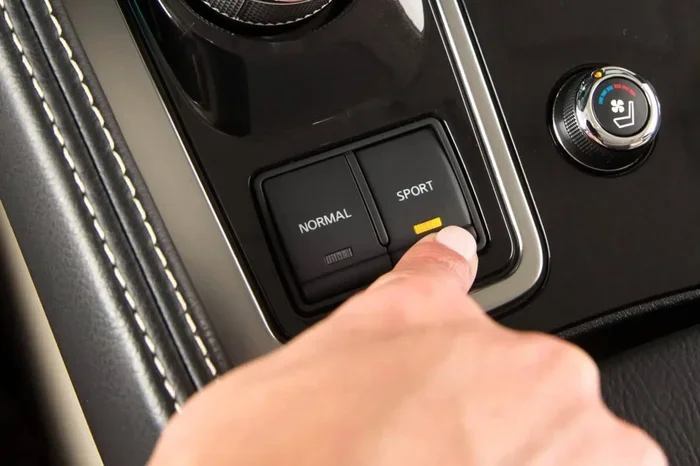
Most modern cars have a dedicated button or switch for changing drive modes. You will typically find it on the center console, near the shifter, or on the steering wheel. Some vehicles use a rotary dial, while others use a toggle switch. The process is simple:
- Keep your foot on the brake pedal.
- Press the sport mode button or rotate the dial.
- The dashboard display will change to show the active mode.
- You are now in sport mode and ready to feel the difference.
You do not need to pull over or stop the car. The transmission settings adjust in real time. The car handles the transition smoothly without any jarring shifts or interruptions. This is by design. Engineers tested these systems extensively to make sure mode changes do not damage the drivetrain.
Is It Safe to Switch Modes on the Road?
Safety is a valid concern here. The good news is that switching between drive modes while moving is completely safe. The car’s computer manages the transition. It does not cause sudden changes in power delivery that could surprise you or other drivers.
That said, common sense matters. If you are in heavy city traffic or navigating a tight parking lot, you might want to wait until conditions are simpler before switching modes. On a clear highway or open road, it is perfectly fine to make the switch at any time. Always keep your eyes on the road and your hands on the wheel while pressing the button.
Benefits of Using Sport Mode on the Road
Using sport mode is not just about sounding cool. There are real, practical benefits that make it worth using in the right situations.
Better Acceleration for Passing and Merging
One of the biggest advantages is improved acceleration. When you need to pass a slower vehicle on a two-lane road, sport mode gives you the power you need without downshifting manually. The transmission holds lower gears longer, so the engine stays in its power band. You get a quick, confident burst of speed when you need it most.
More Control on Winding Roads
If you enjoy driving on scenic, curvy roads, sport mode enhances the experience. The delayed upshifts keep the engine pulling hard through each turn. The tighter suspension keeps the car planted. You feel more in control, and the driving dynamics become much more engaging.
Engine Braking on Downhill Drives
Sport mode also helps with engine braking. When you are going downhill, the transmission holds lower gears. This allows the engine to slow the car down naturally, reducing the need to ride your brakes. It is a safety benefit that many drivers overlook.
Drawbacks and Things to Watch Out For
Sport mode is not perfect. It comes with trade-offs that every driver should understand before they start using it regularly.
Reduced Fuel Efficiency
The most obvious downside is lower gas mileage. When your engine runs at higher RPMs and holds gears longer, it burns more fuel. Studies show that driving in sport mode can reduce fuel efficiency by 10 to 20 percent depending on the vehicle and driving conditions. If you are commuting daily in stop-and-go traffic, the fuel cost adds up quickly.
Increased Engine Wear Over Time
Running your engine at higher RPMs more often puts more stress on internal components. The transmission fluid also works harder and may degrade faster. This does not mean sport mode will destroy your car overnight. But if you drive in sport mode constantly for years without proper maintenance, you may notice more wear than a driver who uses normal mode most of the time.
Louder Engine Noise
Let us be honest. Sport mode makes your car louder. The higher RPMs mean more engine noise inside the cabin. Some drivers love this. Others find it tiring on long drives. If you have passengers who prefer a quiet ride, keep this in mind before you switch modes.
Sport Mode vs. Normal Mode: A Quick Comparison
To help you understand the differences clearly, here is a side-by-side look at how sport mode compares to normal driving mode.
| Feature | Normal Mode | Sport Mode |
|---|---|---|
| Shift Points | Upshifts early for efficiency | Holds gears longer for power |
| Throttle Response | Smooth and gradual | Sharper and more immediate |
| Fuel Economy | Better gas mileage | Reduced gas mileage |
| Engine Sound | Quiet and refined | Louder and more aggressive |
| Steering Feel | Light and comfortable | Heavier and more precise |
| Suspension | Soft for comfort | Firmer for handling |
| Best For | Daily commuting and cruising | Open roads and spirited driving |
This comparison shows that neither mode is better in every situation. Each one shines in its own context. The key is knowing when to use which mode.
When Should You Use Sport Mode?
Timing matters when it comes to sport mode. Using it at the right moment makes a huge difference in both performance and safety.
Open Highways and Rural Roads
Sport mode is ideal for open highway driving where there is plenty of space. You can enjoy the extra power and sharper throttle response without worrying about traffic or pedestrians. It is also great on rural roads with long stretches where you can safely explore your car’s performance capabilities.
Overtaking and Emergency Maneuvers
If you need to overtake a slow-moving vehicle quickly, sport mode gives you an instant power boost. A quick tap of the button before you pull out to pass makes the maneuver faster and more confident. It is a smart safety tool when used correctly.
Hilly or Mountainous Terrain
Driving through mountains or hilly areas is where sport mode really proves its worth. The engine braking on descents keeps your speed in check without overusing your brakes. On climbs, the higher RPMs prevent the engine from lugging and struggling.
Common Mistakes People Make with Sport Mode
Even though sport mode is straightforward, drivers still make avoidable mistakes. Here are a few to watch out for.
Leaving Sport Mode On All the Time
Some drivers switch to sport mode and forget to switch back. This leads to poor fuel economy and unnecessary engine strain over time. Make it a habit to return to normal mode when you no longer need the extra performance.
Using Sport Mode in Heavy Traffic
Stop-and-go traffic is not the place for sport mode. The frequent acceleration and braking waste fuel and create a jarring driving experience. Save sport mode for roads where you can maintain steady speeds and enjoy the extra power.
Confusing Sport Mode with Manual Mode
Sport mode and manual mode are not the same thing. Sport mode still shifts for you, but it changes when and how it shifts. Manual mode (often accessed through paddle shifters) lets you choose each gear yourself. Understanding this difference helps you use the right tool for the right situation.
Expert Tips for Getting the Most Out of Sport Mode
Here are some practical tips from experienced drivers and automotive experts to help you use sport mode effectively.
- Pair sport mode with paddle shifters if your car has them. This gives you full control over both the mode and individual gear selection.
- Check your owner’s manual for specific sport mode instructions. Different brands implement it differently.
- Monitor your fuel gauge more closely when driving in sport mode regularly.
- Keep up with transmission fluid changes if you frequently use sport mode. Fresh fluid protects the gears.
- Use sport mode to warm up your engine faster on cold mornings. The higher RPMs help the engine reach optimal temperature more quickly.
- Experiment with different modes on a safe road to learn how each one feels. This builds your confidence and driving awareness.
The Future of Driving Modes
Car manufacturers are constantly evolving drive modes technology. New vehicles now offer multiple modes beyond just normal and sport. You may find eco mode, snow mode, mud mode, and even custom modes that let you save your preferred settings. Some luxury brands offer up to five or six distinct drive modes, each tailored to a specific driving scenario.
As electric vehicles become more common, the concept of sport mode is evolving too. EVs already deliver instant torque, so sport mode in an electric car often focuses on adjusting regenerative braking, steering feel, and suspension stiffness rather than gear shifting. This is an exciting development that shows how driving dynamics continue to improve across all vehicle types.
Understanding how sport mode works today prepares you for these future advancements. The basic principles remain the same, even as the technology becomes more sophisticated.
Conclusion
So, can you shift into sport mode while driving? Absolutely. It is safe, it is easy, and it is designed to be done on the fly. Sport mode transforms your driving experience by sharpening throttle response, changing shift points, and improving overall performance. Just remember to use it wisely. Enjoy it on open roads and when you need extra power, but switch back to normal mode for daily commuting and fuel savings.
The key is balance. Sport mode is a tool, not a permanent setting. Use it when it makes sense, and your car will reward you with a more engaging and enjoyable driving experience. Next time you are on the road and feel the need for a little extra excitement, go ahead and press that sport mode button. Your car is ready for you.
Frequently Asked Questions
Does shifting into sport mode while driving damage the transmission?
No, it does not. Modern vehicles are engineered to handle mode changes while in motion. The transmission adjusts smoothly without causing any stress or damage to the drivetrain components.
Will sport mode make my car consume significantly more fuel?
Yes, sport mode typically reduces fuel efficiency by 10 to 20 percent. The engine runs at higher RPMs and holds gears longer, which increases fuel consumption compared to normal driving mode.
Can I shift back to normal mode while driving as well?
Absolutely. Switching between normal and sport mode while driving is completely safe and designed to be seamless. The car adjusts its settings in real time without any interruption.
Is sport mode the same as using paddle shifters?
No, they are different. Sport mode still allows the transmission to shift automatically, but with modified timing and behavior. Paddle shifters let you manually select each gear yourself, giving you full control over gear selection.
Does sport mode work the same way in automatic and manual transmission cars?
Sport mode is primarily a feature of automatic transmissions. Manual transmission cars already give you full control over gear selection, so a separate sport mode is less common and less impactful.
Should I use sport mode in the rain or on slippery roads?
It is best to avoid sport mode on slippery surfaces. The sharper throttle response can cause wheel spin, and the firmer suspension may reduce traction. Use normal or eco mode for safer handling in wet or icy conditions.