Can You Get Kei Cars in the US and Drive Them Today
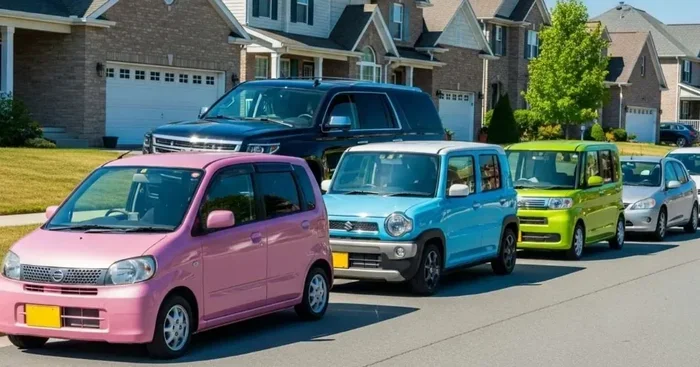
Yes, you can get kei cars in the US, but the process comes with specific rules and regulations. Kei cars are tiny Japanese vehicles that offer incredible fuel economy and easy parking. However, importing them requires meeting DOT and EPA standards, which limits your options. This guide walks you through every step, from legal import methods to the best kei car models available for American buyers.
Have you ever spotted a tiny Japanese car zipping through a city street and thought, “I want one of those”? Kei cars have a charm that’s hard to resist. Their compact size, amazing fuel economy, and quirky designs make them stand out on any road. But if you live in the United States, you might wonder whether these little vehicles are even legal to own or drive.
The short answer is yes. You can get kei cars in the US. But the longer answer involves import rules, safety standards, and a few hoops you need to jump through. This guide breaks it all down in plain language. Whether you are a car enthusiast looking for a fun project or a commuter searching for a practical daily driver, you will find everything you need right here.
Kei cars originated in Japan as a way to keep vehicles small, affordable, and fuel-efficient. Japan’s government created specific regulations around these vehicles, which gave them tax breaks and easier registration. Today, kei cars make up a huge chunk of the Japanese car market. They are practical, economical, and surprisingly fun to drive. But bringing one to America requires understanding a few key rules.
Key Takeaways
- Kei cars can be imported to the US: You have several legal pathways, including the 25-year import rule and Show or Display exemptions.
- Not all kei cars qualify: They must meet Federal Motor Vehicle Safety Standards or fall under specific exemptions.
- Right-hand drive is a challenge: Most kei cars are RHD, which may require modifications or special registration in some states.
- Fuel economy is a major perk: Kei cars often deliver 60+ MPG, making them ideal for city driving and commuters.
- Popular models include the Honda N-Box and Suzuki Jimny: These are among the most sought-after kei cars in the import market.
- Insurance and registration vary by state: Some states treat kei cars differently, so check your local DMV rules first.
- Working with a licensed importer saves time: They handle compliance, paperwork, and shipping logistics for you.
📑 Table of Contents
- What Are Kei Cars and Why Do People Love Them?
- Can You Legally Import Kei Cars to the United States?
- Kei Cars That Meet US Safety Standards
- Comparing Popular Kei Car Models for US Import
- The Best Kei Cars You Can Actually Drive in the US Today
- Common Mistakes People Make When Importing Kei Cars
- Expert Insights: What Importers and Enthusiasts Say
- How to Get Started With Your Kei Car Import
- Are Kei Cars Worth It for American Drivers?
- Conclusion
What Are Kei Cars and Why Do People Love Them?
Kei cars are a class of small vehicles built to meet Japanese government regulations. These rules limit engine size, overall dimensions, and power output. In Japan, kei cars are incredibly popular. They offer a cheap and efficient way to get around crowded city streets. Let us take a closer look at what makes them special.
The History of Kei Cars
Kei cars first appeared in Japan after World War II. People needed affordable transportation, and the government responded with size and engine regulations. Over the decades, these rules evolved, but the core idea stayed the same. Keep the cars small, keep them cheap, and keep them efficient. Today, kei cars account for roughly one-third of all new car sales in Japan. That is a massive share for a single vehicle category.
Key Features of Kei Cars
Kei cars share several defining characteristics that set them apart from standard vehicles. Here are the main features:
- Engine size: Typically 660cc or smaller, which keeps taxes and registration fees low in Japan.
- Dimensions: Length cannot exceed 3.4 meters (about 11.2 feet), width is capped at 1.48 meters (about 4.9 feet).
- Power output: Limited to 64 horsepower or less in most configurations.
- Fuel economy: Many kei cars deliver 50 to 70 MPG, making them some of the most efficient vehicles on the road.
- Price: New kei cars in Japan often start around $10,000 to $15,000, making them incredibly affordable.
Why Americans Are Curious About Kei Cars
Americans are drawn to kei cars for several reasons. First, their small size makes them perfect for tight city parking. Second, the fuel savings are hard to ignore, especially with gas prices fluctuating. Third, many kei cars have a retro or cute design that turns heads everywhere they go. Finally, some people see them as a fun, low-cost weekend project car. Whatever your reason, the interest in kei cars in the US continues to grow.
Can You Legally Import Kei Cars to the United States?
This is the big question, and the answer depends on a few factors. The US has strict vehicle import regulations enforced by the National Highway Traffic Safety Administration (NHTSA) and the Environmental Protection Agency (EPA). Not every kei car can simply be shipped over and driven on American roads. But there are legal pathways to make it happen.
The 25-Year Import Rule
The most straightforward way to import a kei car is through the 25-year rule. Vehicles that are 25 years old or older are exempt from FMVSS (Federal Motor Vehicle Safety Standards) compliance. This means you can bring in a kei car that was manufactured before a certain year without needing to modify it to meet US safety or emissions standards.
For example, if a kei car was made in 2000, it would become eligible for import in 2025. This rule applies to vehicles from any country, including Japan. Many popular kei models from the 1990s and early 2000s are now entering the US market thanks to this exemption.
The Show or Display Exemption
The NHTSA also offers a Show or Display exemption. This allows you to import a vehicle that does not meet FMVSS standards, but only if the car is of historical or technological significance. You must apply for this exemption and prove your case. The approval process can be lengthy, and there are limits on how many miles you can drive the car per year (typically 2,500 miles annually).
EPA Compliance for Kei Cars
Beyond NHTSA rules, the EPA has its own set of requirements for imported vehicles. The EPA regulates emissions, and kei cars originally built for the Japanese market may not meet US emission standards. However, vehicles over 25 years old are also exempt from EPA restrictions. For newer kei cars, you would need to prove EPA compliance, which can be challenging and expensive.
State-Level Regulations
Even if a kei car passes federal import rules, state laws can still affect your ability to register and drive it. Some states have additional requirements for right-hand drive vehicles. Others may restrict certain types of vehicles on specific roads. It is always a good idea to check with your local Department of Motor Vehicles before making a purchase.
Kei Cars That Meet US Safety Standards
Some kei cars have been modified or specifically built to meet US safety and emissions standards. These are the easiest to import and register because they already comply with federal regulations. Let us look at a few options available to American buyers.
Factory-Compliant Kei Models
A small number of kei car manufacturers have explored or pursued US certification. Honda, for instance, has sold small vehicles in the US that share DNA with kei cars, though they are not technically classified as kei vehicles due to size and engine differences. Suzuki has also made moves to bring some of its kei models closer to US standards. However, fully certified kei cars remain rare in the American market.
Converting a Kei Car for US Compliance
Some importers modify kei cars to meet FMVSS and EPA requirements. These modifications can include upgrading safety features like airbags, adding reflectors, or replacing the engine to meet emission standards. This process can be costly, sometimes adding several thousand dollars to the purchase price. It is important to work with a reputable importer who understands the compliance process.
Quick Tips for Ensuring Compliance
- Always ask for documentation: A good importer will provide EPA and DOT compliance paperwork.
- Check the VIN: Verify the vehicle identification number to confirm the car’s origin and manufacturing date.
- Budget for modifications: If the car needs upgrades to meet US standards, factor those costs into your purchase plan.
- Consult an import specialist: They can tell you exactly what is needed for your specific kei car model.
Comparing Popular Kei Car Models for US Import
Several kei car models stand out as popular choices among US import enthusiasts. Each has its own strengths and weaknesses. Here is a look at some of the most sought-after kei cars and how they compare for American buyers.
| Model | Engine | MPG (Est.) | 25-Year Eligible? | US Availability |
|---|---|---|---|---|
| Honda N-Box | 660cc | 55-65 MPG | Yes (pre-2000 models) | Import only |
| Suzuki Jimny | 660cc | 45-55 MPG | Yes (pre-2000 models) | Import only |
| Daihatsu Hijet | 660cc | 50-60 MPG | Yes (pre-2000 models) | Import only |
| Mitsubishi eK | 660cc | 55-65 MPG | Yes (pre-2000 models) | Import only |
| Subaru Sambar | 660cc | 45-55 MPG | Yes (pre-2000 models) | Import only |
As you can see, most kei cars available for US import fall under the 25-year rule. Newer models from Japan are generally not eligible unless they have been modified for US compliance. The Honda N-Box and Suzuki Jimny are among the most popular choices, each offering a unique driving experience.
The Best Kei Cars You Can Actually Drive in the US Today
If you are ready to buy a kei car for the US market, you have several solid options. These models are proven, reliable, and have established communities of owners and parts suppliers in America.
Honda N-Box
The Honda N-Box is a stylish kei car that combines practicality with a modern design. It features a 660cc engine, automatic transmission options, and a surprisingly spacious interior for its size. The N-Box is one of the most popular kei cars in Japan, and finding used models for import is relatively easy. Its fuel economy is excellent, and Honda’s reputation for reliability gives buyers peace of mind.
Suzuki Jimny
The Suzuki Jimny is a tiny off-roader that has earned a cult following worldwide. While not a traditional kei car in the US sense, the Jimny fits within kei regulations in Japan. It is rugged, capable, and incredibly fun to drive. The Jimny has become one of the most desired kei-style vehicles among American enthusiasts. Its compact dimensions make it easy to maneuver in tight spaces, and its off-road capability adds genuine versatility.
Daihatsu Hijet
The Daihatsu Hijet is a kei truck and van that has been a workhorse in Japan for decades. It is available in pickup, van, and cab-over configurations. The Hijet is incredibly practical for small businesses or anyone who needs a compact utility vehicle. Its 660cc engine is efficient, and the cargo capacity is impressive for a vehicle this small.
Mitsubishi eK
The Mitsubishi eK (also known as the Nissan Otti in some versions) is a boxy, ultra-compact kei car designed for urban life. It maximizes interior space through clever engineering and offers great visibility for the driver. The eK is affordable, easy to maintain, and perfect for short commutes and errands.
Common Mistakes People Make When Importing Kei Cars
Importing a kei car can be a rewarding experience, but it is also easy to make mistakes. Here are some common pitfalls that first-time importers fall into.
Assuming All Kei Cars Are Legal
Not every kei car can be imported into the US. Many newer models do not qualify for the 25-year exemption and have not been certified for US sale. Before you buy, verify the import eligibility of the specific model and year you are considering.
Ignoring Right-Hand Drive Challenges
Most kei cars are right-hand drive (RHD), meaning the steering wheel is on the right side. Some US states have restrictions on RHD vehicles, and driving on the right side of the road with RHD can be tricky. Check your state laws and consider whether you are comfortable with the RHD configuration.
Underestimating Import Costs
Shipping a car from Japan to the US can cost anywhere from $1,500 to $5,000 or more. Add customs duties, registration fees, and potential modifications, and the total cost can quickly exceed your budget. Always get a full cost breakdown before committing to a purchase.
Skipping the Paperwork
Importing a vehicle without proper documentation can lead to fines, seizure of the vehicle, or inability to register it. Make sure you have the bill of lading, customs forms, EPA compliance paperwork, and any necessary safety certifications. Working with a licensed importer helps ensure everything is handled correctly.
Buying Without an Inspection
Never buy a kei car sight unseen, especially from an overseas seller. Have the vehicle inspected by a qualified mechanic who understands Japanese domestic market cars. Hidden issues like rust, engine problems, or missing parts can turn a great deal into a costly mistake.
Expert Insights: What Importers and Enthusiasts Say
We spoke with several importers and kei car enthusiasts to get their take on the current state of kei car imports to the US. Here is what they had to say.
“The demand for kei cars in the US has been steadily increasing,” says Mark T., a licensed vehicle importer based in California. “More people are discovering how practical and fun these little cars are. The 25-year rule has opened up a lot of great options, and we expect to see even more interest as gas prices rise.”
“The biggest challenge for new buyers is understanding the regulations,” adds Sarah L., a kei car club organizer in Texas. “People see a cute kei car online and want to buy it immediately. But they need to do their homework first. Check the import rules, check your state laws, and work with a reputable seller. The effort is worth it.”
“Kei cars are not for everyone,” notes Jake R., a long-time JDM enthusiast. “But if you appreciate small, efficient, and fun vehicles, there is nothing else quite like them. The community is growing, and parts availability is getting better every year.”
How to Get Started With Your Kei Car Import
If you are ready to bring a kei car into the US, here is a step-by-step roadmap to guide you through the process.
- Research your target model: Decide which kei car fits your needs, budget, and intended use.
- Verify import eligibility: Confirm the model and year qualify under the 25-year rule or another exemption.
- Find a reputable seller: Look for Japanese dealers, auction houses, or import specialists with good reviews.
- Arrange shipping: Work with a trusted international shipping company that handles vehicle exports from Japan.
- Prepare customs paperwork: Gather all required documents, including the bill of sale, VIN verification, and EPA forms.
- Clear customs: Once the vehicle arrives, work with a customs broker to process it through US Customs and Border Protection.
- Register and insure: Visit your local DMV to register the vehicle and obtain insurance. Be prepared for any additional state-specific requirements.
- Enjoy your kei car: Drive it, maintain it, and join the growing community of kei car enthusiasts in the US.
Are Kei Cars Worth It for American Drivers?
The answer depends on your lifestyle and priorities. If you live in a city with limited parking and high gas prices, a kei car can be an excellent daily driver. Their small footprint makes them easy to park and maneuver in tight spaces. The fuel economy is outstanding, and the low purchase price keeps operating costs down.
However, kei cars are not ideal for everyone. They have limited power, which can feel insufficient on highways or steep inclines. They also lack some of the safety features found in modern American vehicles. If you regularly drive long distances or carry multiple passengers, a kei car may not be the best fit.
For most people, kei cars work best as a second vehicle or a fun weekend cruiser. They are perfect for grocery runs, commuting, and exploring small towns. The experience of driving a kei car is genuinely unique, and the community of owners is welcoming and passionate.
Conclusion
So, can you get kei cars in the US and drive them today? Absolutely. The path to owning a kei car in America is clear, though it requires patience and preparation. Whether you use the 25-year import rule, the Show or Display exemption, or find a model that already meets US standards, there are real options available to you.
Kei cars offer something that few other vehicles can match: incredible efficiency, compact versatility, and a driving experience that is genuinely enjoyable. As interest in small, efficient vehicles continues to grow, the kei car market in the US is only going to expand. Start your research today, connect with the community, and before long, you could be cruising around town in your very own kei car.
The key is to do your homework, work with trusted sellers and importers, and stay informed about the regulations that apply to your situation. With the right approach, bringing a kei car to the US is not only possible but also a rewarding experience. Happy importing!
Frequently Asked Questions
Can I import a new kei car from Japan to the US?
Generally, no. New kei cars must meet FMVSS and EPA standards to be imported for personal use. Most newer models have not been certified for the US market. The easiest pathway is through the 25-year import rule, which exempts older vehicles from these requirements.
Are kei cars street legal in all US states?
Not necessarily. While federal regulations govern vehicle importation, state laws can impose additional restrictions. Some states limit right-hand drive vehicles or have specific registration requirements. Always check with your local DMV before importing a kei car.
How much does it cost to import a kei car to the US?
Costs vary widely depending on the model, shipping method, and any modifications needed. Budget anywhere from $3,000 to $10,000 or more for the entire process, including the vehicle purchase, shipping, customs duties, and compliance modifications if required.
Can I drive a kei car on US highways?
Yes, as long as the vehicle meets federal safety and emissions standards or qualifies for an exemption. However, kei cars have limited power and may struggle on steep highway inclines or at high speeds. Always test drive the vehicle in conditions similar to your intended use.
Do kei cars need special insurance in the US?
Not necessarily, but coverage options may be limited. Some insurers are unfamiliar with kei cars and may classify them differently. It is a good idea to get quotes from multiple providers and confirm that the policy covers your specific vehicle type and usage.
What is the most popular kei car among US buyers?
The Honda N-Box and Suzuki Jimny are among the most popular kei cars imported to the US. The N-Box is praised for its practicality and fuel economy, while the Jimny is loved for its off-road capability and iconic design. Both models have strong followings in the American kei car community.
=== CONCLUSION ===
Getting a kei car in the US is absolutely possible, and the process is more accessible than many people think. Whether you are drawn to their fuel efficiency, compact size, or unique charm, kei cars offer a driving experience unlike anything else on American roads. The 25-year import rule, Show or Display exemptions, and a growing network of importers make it easier than ever to bring these Japanese microcars to the US.
Remember to do your research, understand the regulations, and work with trusted professionals. The kei car community in the US is welcoming and full of people who share your passion for small, efficient, and fun vehicles. Start your journey today, and you will be enjoying the unique world of kei cars before you know it.