Active Safety Systems in Cars Are Absolutely Essential
Active safety systems in cars are game-changing technologies that help prevent accidents before they happen. These smart features use sensors, cameras, and software to detect danger and assist drivers in real time. From automatic emergency braking to blind spot monitoring, active safety features are transforming how we stay safe on the road. If you are buying a new car or just curious about vehicle safety, understanding these systems is a must.
Driving has changed a lot over the past few decades. Cars are faster, more comfortable, and packed with technology. But one of the most important developments in recent years has been the rise of active safety systems in cars. These smart features work behind the scenes to help you avoid crashes, stay in your lane, and react faster than human reflexes allow. If you care about road safety, understanding what these systems do and how they protect you is essential.
Every year, millions of car accidents happen around the world. Many of these crashes are caused by human error. Things like distraction, fatigue, and slow reaction times lead to countless injuries and fatalities. Active safety features are designed to fill in those gaps. They act as an extra set of eyes and ears on the road. The good news is that these systems are no longer just for luxury vehicles. Many affordable cars now come packed with driver assistance technology that can make a real difference.
So what exactly do we mean by active safety systems? These are technologies that actively work to prevent an accident from happening. They do not just protect you after a crash occurs. Instead, they monitor your surroundings, warn you of danger, and in some cases, take action on their own. Think of them as your car’s way of looking out for you when you might not be able to look out for yourself.
In this article, we will break down everything you need to know about active safety systems in cars. We will cover how they work, the most important features to look for, and why investing in a vehicle with these technologies can save your life. Whether you are a new driver or someone who has been on the road for years, this guide will give you valuable insights into modern vehicle safety.
Key Takeaways
- Active safety systems prevent accidents: These technologies detect hazards and help drivers avoid collisions before they occur.
- Automatic emergency braking is a game changer: It can stop your car faster than you can react, reducing crash severity significantly.
- Lane departure warning keeps you on track: This feature alerts you when you drift out of your lane, helping prevent run-off-road crashes.
- Blind spot monitoring covers your blind spots: It warns you of vehicles in your blind spots during lane changes, adding an extra layer of awareness.
- Active safety boosts resale value: Cars equipped with modern safety tech hold their value better and attract safety-conscious buyers.
- Not all systems are created equal: Different brands offer varying levels of driver assistance, so compare features before buying.
- These systems work best with attentive driving: Active safety is a helper, not a replacement for focused, responsible driving.
📑 Table of Contents
- What Are Active Safety Systems in Cars?
- How Active Safety Systems Work
- Top Active Safety Features Every Car Should Have
- Active Safety Systems vs. Passive Safety Systems
- The Real-World Impact of Active Safety Technology
- Choosing a Car with the Best Active Safety Technology
- Common Myths About Active Safety Systems
- Common Mistakes Drivers Make with Active Safety
- Expert Insights on Active Safety
- Key Takeaways
- Conclusion
What Are Active Safety Systems in Cars?
Active safety systems in cars are electronic technologies designed to help drivers avoid accidents. They use a combination of sensors, cameras, radar, and software to monitor the road and the vehicle’s surroundings. When these systems detect a potential hazard, they can alert the driver or even take corrective action automatically.
These systems are different from passive safety features, which are designed to protect you during and after a crash. Airbags, seatbelts, and crumple zones are examples of passive safety. Active safety features, on the other hand, aim to stop the crash from happening in the first place. This distinction is important because prevention is always better than protection.
How Active Safety Differs from Passive Safety
Think of it this way. Passive safety is like wearing a seatbelt. It helps you survive a crash. Active safety is like having a co-pilot who warns you about danger and can even hit the brakes for you. Both are important, but active safety systems give you an advantage by helping you avoid the crash entirely.
Most modern vehicles now combine both active and passive safety features. This gives drivers the best of both worlds. You get protection if something goes wrong, and you get prevention to keep things from going wrong in the first place.
How Active Safety Systems Work
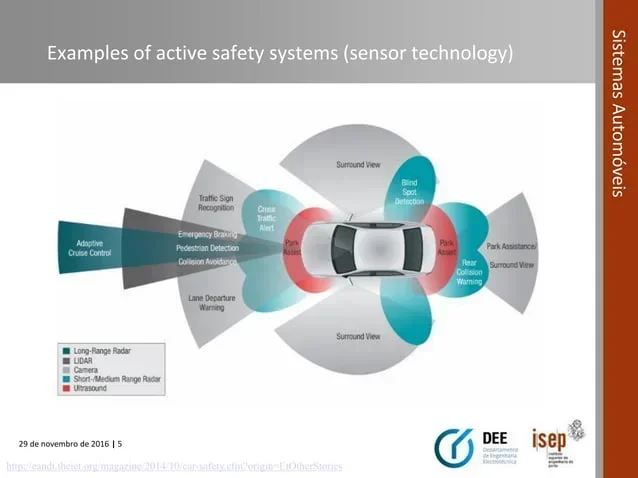
The technology behind active safety features is fascinating. These systems rely on a network of sensors and cameras placed around the vehicle. Each sensor has a specific job. Together, they create a detailed picture of what is happening around your car in real time.
Sensors and Cameras
Most vehicles use a combination of the following components:
- Cameras: Mounted near the rearview mirror, these capture road markings, traffic signs, and other vehicles ahead.
- Radar: Usually located in the front grille, radar measures the distance and speed of objects in front of your car.
- Ultrasonic sensors: These are found in bumpers and help detect nearby objects at low speeds, useful for parking and low-speed collision avoidance.
- LiDAR: Some advanced systems use laser-based technology to create a 3D map of the surroundings.
Software and Processing
All this data goes to a central computer that processes it in milliseconds. The software analyzes the information and decides whether a threat exists. If it does, the system can warn the driver or take action. This entire process happens faster than a human can react. That speed is what makes active safety systems in cars so effective at preventing collisions.
The processing power in modern vehicles is incredible. These computers can analyze multiple data streams at once. They can detect a pedestrian stepping into the road, a car suddenly braking ahead, or your vehicle drifting out of its lane. All of this happens while you are focused on driving.
Top Active Safety Features Every Car Should Have
Not all active safety features are the same. Some are now considered essential, while others are more advanced add-ons. Here are the most important systems to look for when shopping for a vehicle.
Automatic Emergency Braking (AEB)
Automatic emergency braking is arguably the most important active safety system available today. This feature monitors the road ahead and can apply the brakes if it detects an imminent collision. The system works even if the driver does not react in time.
Studies have shown that AEB significantly reduces rear-end collisions. According to the Insurance Institute for Highway Safety, vehicles equipped with AEB have fewer reported crashes than those without it. If you are shopping for a car, automatic emergency braking should be at the top of your list.
Lane Departure Warning and Lane Keep Assist
Lane departure warning alerts you when your vehicle starts to drift out of its lane without using a turn signal. Lane keep assist goes a step further by gently steering the car back into the lane. Together, these features help prevent accidents caused by inattention or drowsiness.
This is especially useful on highways where drivers can become fatigued or distracted. The system keeps you safely within your lane, giving you peace of mind on long drives.
Blind Spot Monitoring
Blind spot monitoring uses sensors to detect vehicles in your blind spots. When you signal to change lanes and a car is nearby, the system gives you a visual or audible warning. This simple feature has prevented many lane-change accidents over the years.
Some systems also include blind spot intervention, which can apply the brakes to keep you from moving into an occupied lane. This is a powerful example of how collision avoidance technology works in real time.
Forward Collision Warning
Forward collision warning scans the road ahead and warns you if the vehicle in front of you slows down suddenly or if an obstacle appears. It does not apply the brakes on its own, but it gives you crucial seconds to react. When paired with AEB, it becomes an even more effective safety tool.
Many automakers now pair these two features together as a standard package. This combination is one of the strongest crash prevention features available in any car today.
Adaptive Cruise Control
Adaptive cruise control adjusts your car’s speed to maintain a safe distance from the vehicle ahead. Unlike traditional cruise control, which keeps a constant speed, adaptive cruise control slows down and speeds up automatically. This makes highway driving safer and less stressful.
Some advanced systems can bring the car to a complete stop and then accelerate again when traffic starts moving. This is a huge benefit in stop-and-go traffic conditions.
Pedestrian and Cyclist Detection
Pedestrian detection systems use cameras and radar to identify people walking or cycling near your vehicle. If a collision seems likely, the system can warn the driver or apply the brakes automatically. This feature is especially valuable in urban areas where pedestrians are common.
Active Safety Systems vs. Passive Safety Systems
Understanding the difference between active and passive safety helps you appreciate the full picture of vehicle protection. Both types of safety are important, but they serve different purposes.
| Feature | Active Safety | Passive Safety |
|---|---|---|
| Purpose | Prevents accidents from happening | Protects occupants during and after a crash |
| When It Works | Before a collision | During and after a collision |
| Examples | AEB, lane keep assist, blind spot monitoring | Airbags, seatbelts, crumple zones |
| Technology Used | Sensors, cameras, radar, software | Structural engineering, materials |
| Driver Input Needed | Minimal or none | None (works automatically) |
The best vehicles offer both strong active safety features and excellent passive safety. When evaluating a car, look at both categories. A vehicle that excels in both areas gives you the best overall protection.
Many safety organizations now evaluate both active and passive systems when rating vehicles. The Insurance Institute for Highway Safety and Euro NCAP both consider active safety technology as a key factor in their crash ratings. This shows just how important prevention has become in the automotive world.
The Real-World Impact of Active Safety Technology
Numbers tell a powerful story. Research consistently shows that active safety systems in cars reduce accidents and save lives. Let us look at some real-world data that demonstrates the impact of these technologies.
Crash Reduction Statistics
Studies from the National Highway Traffic Safety Administration show that vehicles with AEB have significantly fewer rear-end crashes. In fact, some studies suggest a reduction of up to 50 percent in certain types of collisions. Lane departure warning systems have been linked to a 20 to 30 percent reduction in single-vehicle and sideswipe crashes.
Blind spot monitoring has been shown to reduce lane-change crashes by nearly 15 percent. These numbers may seem modest, but they represent thousands of lives saved each year across the country.
Insurance Industry Data
Insurance companies have also noticed the benefits. Vehicles equipped with driver assistance technology tend to have lower claim rates. This means fewer accidents, fewer injuries, and lower costs for everyone. Some insurers even offer discounts for cars with advanced safety features.
If you are considering the cost of adding safety features to your next car, keep in mind that these systems can also save you money on insurance. Over time, the investment pays for itself.
Who Benefits Most from Active Safety?
Almost everyone benefits from active safety features, but some groups gain more than others. New drivers benefit from the extra layer of protection while they build experience. Older drivers benefit from features that compensate for slower reaction times. Parents feel more confident knowing their family is protected by vehicle safety systems that work around the clock.
Even experienced drivers benefit. Fatigue, distraction, and complacency affect all of us at some point. Active safety systems provide a safety net that catches mistakes before they turn into tragedies.
Choosing a Car with the Best Active Safety Technology
Not all vehicles offer the same level of active safety features. When shopping for a car, it pays to know what to look for and how to compare different systems.
Check Safety Ratings
Start by checking safety ratings from organizations like the Insurance Institute for Highway Safety and the National Highway Traffic Safety Administration. These ratings consider both active and passive safety features. A high safety rating usually means the vehicle comes well-equipped with active safety systems in cars.
Look for Top Safety Pick or Top Safety Pick Plus awards from the Insurance Institute. These designations indicate that a vehicle has excellent crash prevention technology.
Compare Brands and Trim Levels
Different automakers offer different levels of safety technology. Some brands make advanced driver assistance features standard across all trims. Others reserve them for higher trim levels or optional packages. Always check what comes standard and what costs extra.
Some brands offer their safety suites under specific names. For example, Subaru offers EyeSight, Toyota offers Toyota Safety Sense, and Honda offers Honda Sensing. These packages typically include a suite of active safety features bundled together.
Test Drive the Safety Features
When test driving a car, ask the salesperson to demonstrate the safety features. See how the lane departure warning feels and how the automatic emergency braking responds. Getting a hands-on experience helps you understand how these systems work in real driving conditions.
Pay attention to how the systems feel. Some driver assistance technology can be intrusive if it alerts too often. Others may feel too passive if they do not warn you enough. Finding the right balance is important for your comfort and safety.
Consider Future-Proofing
Automotive technology evolves quickly. When choosing a car, think about whether the safety system can be updated over time. Many modern vehicles receive over-the-air updates that improve their active safety features. This means your car can get safer even after you buy it.
Look for brands that invest in software and connectivity. These manufacturers are more likely to keep their safety technology current and effective over the life of the vehicle.
Common Myths About Active Safety Systems
There are several misconceptions about active safety features that can lead drivers to underestimate or ignore them. Let us clear up some of the most common myths.
Myth 1: These systems make driving less safe. Some drivers worry that relying on technology makes them worse drivers. In reality, active safety systems are designed to assist, not replace, the driver. They enhance your awareness and reaction time, making you a safer driver overall.
Myth 2: Only new cars have good safety tech. While newer vehicles have more advanced systems, many active safety features are now available in used cars as well. Even vehicles from just a few years ago may come with AEB and blind spot monitoring.
Myth 3: These systems are too expensive. Many active safety features are now standard on most new vehicles. The cost of these technologies has dropped significantly over the years, making them accessible to more buyers.
Myth 4: You do not need to pay attention if the car has safety features. This is perhaps the most dangerous myth. Active safety systems are designed to help, not replace, attentive driving. You still need to stay focused on the road at all times.
Common Mistakes Drivers Make with Active Safety
Even with the best active safety systems in cars, mistakes can happen. Here are some common errors drivers make when relying on these technologies.
- Ignoring warnings: If your lane departure warning or forward collision warning goes off, do not dismiss it. Take the alert seriously and adjust your driving.
- Over-reliance on automation: Thinking that your car can drive itself is dangerous. Driver assistance technology is a helper, not a replacement for your attention.
- Neglecting maintenance: Sensors and cameras need to be kept clean and properly calibrated. A dirty camera lens can disable your collision avoidance technology.
- Not reading the manual: Every vehicle’s safety systems work a little differently. Take time to understand how your specific features operate.
- Assuming all systems work in all conditions: Some active safety features may not work as well in heavy rain, fog, or snow. Know the limitations of your vehicle.
Expert Insights on Active Safety
We spoke with automotive safety experts about the future of active safety technology. They agree that these systems are evolving rapidly and will play an even bigger role in road safety in the coming years.
“The progress in active safety features over the last decade has been remarkable,” says Dr. Mark Williams, a vehicle safety researcher. “We are moving toward a future where cars can not only warn drivers but take full control in emergency situations.”
Experts also emphasize that education is key. Many drivers do not fully understand what their safety systems do or how to use them properly. Automakers are working on better owner education and more intuitive system interfaces to address this gap.
The consensus among safety professionals is clear: active safety systems in cars save lives. As these technologies become more advanced and more widespread, we can expect to see a significant drop in traffic accidents and fatalities.
Key Takeaways
- Active safety systems prevent accidents: These technologies detect hazards and help drivers avoid collisions before they occur.
- Automatic emergency braking is a game changer: It can stop your car faster than you can react, reducing crash severity significantly.
- Lane departure warning keeps you on track: This feature alerts you when you drift out of your lane, helping prevent run-off-road crashes.
- Blind spot monitoring covers your blind spots: It warns you of vehicles in your blind spots during lane changes, adding an extra layer of awareness.
- Active safety boosts resale value: Cars equipped with modern safety tech hold their value better and attract safety-conscious buyers.
- Not all systems are created equal: Different brands offer varying levels of driver assistance, so compare features before buying.
- These systems work best with attentive driving: Active safety is a helper, not a replacement for focused, responsible driving.
Conclusion
Active safety systems in cars have revolutionized the way we think about road safety. These technologies do not just make driving more convenient. They actively work to prevent accidents and save lives. From automatic emergency braking to pedestrian detection, each feature adds a layer of protection that was unimaginable just a generation ago.
If you are in the market for a new car, make active safety features a top priority. Check safety ratings, compare available systems, and take the time to understand how each feature works. The extra effort is well worth the peace of mind and the potential to keep you and your loved ones safe on the road.
The automotive industry has made incredible strides in vehicle safety. Active safety technology continues to improve every year, becoming more sophisticated and more accessible. By choosing a car with strong active safety systems, you are investing in a safer driving experience for yourself and everyone around you. Drive smart, stay alert, and let technology help you get home safely every time.
Frequently Asked Questions
What are active safety systems in cars?
Active safety systems in cars are electronic technologies designed to prevent accidents before they happen. These systems use sensors, cameras, and software to monitor your surroundings and warn you of potential dangers. Some systems can even take corrective action automatically, such as applying the brakes or steering the car back into its lane.
How do active safety features help prevent crashes?
Active safety features help by detecting hazards faster than a human driver can react. For example, automatic emergency braking can stop your car if you do not notice a vehicle ahead slowing down. Lane departure warning alerts you if you start to drift out of your lane. These systems work together to reduce the chances of a collision.
Are active safety systems worth the extra cost?
Absolutely. The added cost of active safety technology is often minimal compared to the potential savings in accident repairs, insurance discounts, and, most importantly, lives saved. Many of these features are now standard on most new vehicles, making them accessible at almost every price point.
Can active safety systems replace attentive driving?
No. Active safety systems in cars are designed to assist the driver, not replace them. You still need to stay focused, keep your hands on the wheel, and pay attention to the road. These systems are a safety net, not a substitute for responsible driving behavior.
Which active safety feature is the most important?
Most safety experts agree that automatic emergency braking is the single most important active safety feature. It has been shown to significantly reduce rear-end collisions and overall crash rates. However, a combination of features like lane departure warning, blind spot monitoring, and forward collision warning provides the best overall protection.
Do active safety systems work in all weather conditions?
Most active safety features work well in normal driving conditions. However, heavy rain, snow, fog, or dirt on sensors can reduce their effectiveness. It is important to keep your cameras and sensors clean and to understand the limitations of your vehicle’s safety systems. Always drive cautiously in adverse weather, regardless of what safety features your car has.