Will a Hybrid Last 20 Years Heres What You Need to Know
Will a hybrid last 20 years? The short answer is yes, many hybrid cars can easily reach 200,000 miles or more with proper care. Hybrid vehicles combine a gas engine and an electric motor, which shares the workload and reduces wear on key components. Regular maintenance, smart driving habits, and timely battery care go a long way in ensuring your hybrid delivers reliable service for two decades or longer.
So, will a hybrid last 20 years? It is a question a lot of car buyers ask these days. With fuel prices going up and the environment on everyone’s mind, hybrid cars have become hugely popular. But buying a hybrid is a big investment. You want to know that your money is well spent. The good news is that many hybrid vehicles are built to go the distance. With the right care, a hybrid can easily serve you for two decades or more.
Hybrid cars combine a traditional gas engine with an electric motor. This clever setup shares the workload between two power sources. That means less strain on each part. The result? A vehicle that often outlasts its purely gas-powered cousins. But does that mean every hybrid will hit the 20-year mark? Not automatically. Your driving habits, maintenance routine, and climate all play a role. Let us break down everything you need to know about hybrid car lifespan and what you can do to make yours last.
The hybrid powertrain is one of the most reliable systems in modern cars. Toyota, Honda, and other manufacturers have spent decades refining this technology. Millions of hybrid cars are on the road right now, and many are still running strong after 150,000 or 200,000 miles. The electric motor handles a lot of the stop-and-go driving, which is where gas engines wear out the fastest. This shared duty cycle is a big reason why hybrid engine longevity is so impressive.
Key Takeaways
- Hybrid cars can last 20+ years: Many hybrid models routinely hit 200,000 miles or more with proper care and maintenance.
- Battery life is the biggest concern: Most hybrid batteries last 8 to 15 years, but replacement costs have dropped significantly in recent years.
- Maintenance costs are often lower: Regenerative braking reduces wear on brake pads, and the gas engine experiences less strain overall.
- Driving habits matter a lot: Gentle acceleration, consistent charging (for plug-in hybrids), and regular service intervals help extend your hybrid’s life.
- Top models like the Toyota Prius are proven long haulers: Some Prius models have clocked over 300,000 miles with original batteries still intact.
- Hybrid resale value holds up well: Fuel efficiency and reliability keep older hybrids desirable on the used car market.
- Cold weather can impact performance: Extreme temperatures affect battery health, so proper storage and care in harsh climates matter.
📑 Table of Contents
How Long Do Hybrid Cars Typically Last
The average gas car lasts about 200,000 miles before major issues start popping up. Many hybrid cars far exceed that number. Some well-maintained models have been known to push past 300,000 miles. The key is understanding what makes hybrid vehicle reliability so strong in the first place.
The Hybrid Powertrain Advantage
A hybrid powertrain uses two power sources. The gas engine handles highway driving, while the electric motor takes over in city traffic. This split workload means the gas engine does not run as hard or as often. Less running equals less wear. Over time, this adds up to significant savings on repairs and longer component life.
The electric motor also has fewer moving parts than a gas engine. Fewer moving parts means fewer things that can break. That is a huge advantage for long-term ownership. Many hybrid owners report fewer trips to the mechanic compared to gas-only car owners.
Real-World Hybrid Car Lifespan Examples
Let us look at some real numbers. The Toyota Prius is the gold standard for hybrid longevity. Many Prius owners have reported crossing the 250,000-mile mark with original hybrid batteries still in place. Honda Insight and Honda Civic Hybrid models have shown similar durability. These are not rare exceptions. They are the norm for well-cared-for hybrid cars.
Even plug-in hybrids like the Toyota RAV4 Prime and Ford Escape Hybrid are showing strong longevity numbers. The technology has matured a lot over the past 20 years. Early hybrids had some growing pains, but today’s models are built to last. If you buy a modern hybrid from a reputable brand, you are getting a vehicle designed for the long haul.
What Affects the Lifespan of a Hybrid Vehicle
Not all hybrids age the same way. Several factors determine how long your specific car will last. Understanding these factors helps you take control of your vehicle’s future.
Battery Degradation Over Time
The hybrid battery is the heart of the system. It stores energy for the electric motor and works alongside the gas engine. Over time, every battery loses some of its capacity. This is called battery degradation. For most hybrids, the battery starts losing a small amount of capacity after about 8 to 10 years.
Does this mean your car will stop working? Not at all. Even a degraded hybrid battery still provides usable power. You might notice a slight drop in fuel efficiency over time. But the car will keep running. The key question is: when does the battery need replacement? Most hybrid batteries last between 100,000 and 150,000 miles before needing serious attention.
Cold weather hybrid performance can also play a role here. Extreme cold slows down battery chemistry. If you live in a very cold climate, your battery may degrade a bit faster. Keeping your car in a garage when possible helps protect the battery from temperature extremes.
Driving Habits and Maintenance
How you drive your hybrid matters just as much as the car itself. Aggressive acceleration puts extra strain on both the gas engine and the electric motor. Smooth, steady driving is the best way to preserve your hybrid car longevity. Think of it this way: gentle on the pedals means gentle on the car.
Maintenance is equally important. Skipping oil changes or ignoring warning lights will shorten any car’s life, hybrid or not. But hybrids have some unique maintenance needs. The regenerative braking system reduces wear on traditional brake pads. However, the hybrid brake pads still need periodic inspection. The cooling system for the battery pack also needs regular checks. Staying on top of these tasks keeps everything running smoothly.
Here are some simple tips to follow:
- Change the engine oil every 5,000 to 7,500 miles.
- Check the hybrid battery coolant system annually.
- Keep tires properly inflated to maximize fuel efficiency.
- Follow the manufacturer’s recommended service schedule to the letter.
- Avoid letting the battery drain completely on plug-in hybrids.
Hybrid Battery Replacement and Costs
The hybrid battery is the one component that most owners worry about. It is also the most expensive part to replace. But the good news is that battery technology has improved dramatically. And replacement costs have come down significantly over the past decade.
Nickel-Metal Hydride vs Lithium-Ion
Older hybrid models use nickel-metal hydride batteries. These are durable and proven. They can last well beyond 150,000 miles in many cases. Newer hybrids use lithium-ion battery hybrid technology. Lithium-ion batteries are lighter and more energy-dense. They also tend to last longer in terms of charge cycles.
Both battery types are reliable. The choice between them depends on the vehicle model and manufacturer. If you are buying a used hybrid, knowing which battery type it has helps you plan for the future. Nickel-metal hydride batteries are simpler and often cheaper to replace. Lithium-ion batteries are more advanced but also more expensive when replacement is needed.
When to Replace the Hybrid Battery
Most hybrid batteries come with a warranty of 8 to 10 years or 100,000 miles. That is the hybrid battery warranty coverage you get from the manufacturer. Some states extend this coverage even further. Always check your local regulations before purchasing a used hybrid.
Signs that your hybrid battery may need attention include:
- A significant drop in fuel efficiency.
- The battery charge indicator shows lower levels than normal.
- The car enters a limp mode or reduced power state.
- Warning lights appear on the dashboard.
- The engine runs more often than usual to compensate.
If you notice these symptoms, get the battery checked right away. Catching a problem early can save you from a much bigger repair bill later. And remember, a hybrid battery replacement does not mean the end of the car. Many batteries can be rebuilt or replaced for a fraction of the cost of a new vehicle.
Top Hybrid Models Known for Longevity
Not all hybrids are created equal when it comes to durability. Some models have a much stronger track record than others. Here are some of the most reliable hybrid cars known for exceptional longevity.
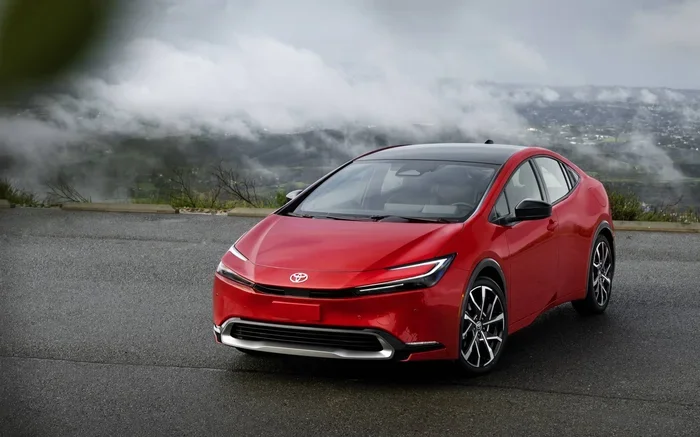
Toyota Prius: The Prius is the poster child for hybrid car reliability. Toyota designed the Prius with longevity in mind. The hybrid transmission life in a Prius is outstanding. Many owners report 200,000 to 300,000 miles with only routine maintenance. The Toyota hybrid system is one of the most proven in the industry.
Honda Civic Hybrid: Honda has a strong reputation for building engines that last. The Civic Hybrid shares many components with the gas-only Civic, which means parts are affordable and widely available. The hybrid powertrain in the Civic is simple and efficient. It is a great choice for someone who wants a reliable daily driver.
Toyota Camry Hybrid: The Camry Hybrid combines comfort with durability. It is a larger vehicle than the Prius, which means it handles long road trips with ease. The hybrid engine longevity in the Camry is excellent. Many owners expect 20-plus years of service from this model.
Honda Insight: The Insight is a compact hybrid that punches above its weight. It is lightweight and efficient. The electric motor assists the gas engine without putting extra strain on it. This makes the Insight a great choice for city driving and long commutes alike.
| Model | Avg. Hybrid Battery Life | Known Mileage Range | Key Strength |
|---|---|---|---|
| Toyota Prius | 10-15 years | 200,000-300,000+ miles | Proven hybrid system reliability |
| Honda Civic Hybrid | 8-12 years | 150,000-250,000 miles | Affordable parts and service |
| Toyota Camry Hybrid | 10-15 years | 200,000-250,000 miles | Comfort and long-distance capability |
| Honda Insight | 8-12 years | 150,000-200,000 miles | Lightweight and efficient design |
Hybrid Maintenance Tips for a 20-Year Life
Want your hybrid to reach the 20-year mark? It is absolutely possible, but you need to be proactive. Hybrid vehicle maintenance is not complicated, but it does require consistency. Here is what you need to focus on.
Stick to the Service Schedule
Every hybrid comes with a manufacturer-recommended service schedule. This schedule covers oil changes, brake inspections, battery checks, and fluid replacements. Following this schedule is the single best thing you can do for your car. Skipping services might save a little money now, but it costs a lot more in the long run.
Monitor Your Hybrid Battery Health
Keep an eye on your battery charge levels. Most hybrids have a built-in battery health indicator. Check it regularly. If you notice the charge dropping faster than usual, have it inspected. Catching battery issues early prevents cascading problems in the hybrid powertrain.
Take Care of the Brakes
One of the best things about hybrid vehicles is regenerative braking. This system captures energy during braking and feeds it back to the battery. Because of this, hybrid brake pads last much longer than those on gas-only cars. But they still need periodic inspection. Do not ignore brake squeals or grinding sounds. Replace pads when needed to protect the rotors.
Keep the Cooling System in Shape
Hybrid batteries generate heat during operation and charging. The cooling system keeps the battery at a safe temperature. If the cooling system fails, the battery can overheat. This accelerates degradation and can shorten the battery’s overall life. Flush the coolant system according to the manufacturer’s recommendations.
Drive Smart for Fuel Efficiency Over Time
Gentle driving does more than save fuel. It reduces wear on every component in the car. Accelerate smoothly, brake early, and avoid hard stops whenever possible. This style of driving preserves the hybrid battery, the brakes, and the engine. It is a win-win for your wallet and your car’s lifespan.
Quick Tip: If you drive a plug-in hybrid, try to keep the battery between 20% and 80% charge for daily use. This range puts the least stress on the lithium-ion cells and helps maximize long-term battery health.
The Cost of Owning a Hybrid Long-Term
One of the biggest concerns buyers have is the hybrid vehicle cost over time. Are hybrids more expensive to own than gas cars over a 20-year period? The answer is more nuanced than you might think.
Upfront, hybrids usually cost more than their gas-only counterparts. The price difference has narrowed in recent years, but it is still there. However, the savings on fuel can offset that difference quickly. Hybrid cars deliver excellent fuel efficiency over time. Some models get 50 miles per gallon or more. Over 20 years of driving, those fuel savings add up to thousands of dollars.
What about hybrid car repair costs? In general, hybrid repairs cost about the same as gas car repairs for non-battery components. The hybrid-specific parts like the electric motor and power inverter are very reliable. They rarely fail. The biggest potential expense is the hybrid battery replacement. But even that cost has come down. A new hybrid battery might cost between 2,000 and 8,000 depending on the model. Rebuilt or refurbished batteries cost even less.
Hybrid car depreciation is another factor to consider. Interestingly, hybrids tend to hold their value better than gas cars in many markets. The fuel savings appeal to used car buyers. A 10-year-old hybrid with good battery health can still command a solid resale price. This means you lose less money when it is time to sell or trade in.
Here is a simple comparison of ownership costs over 20 years:
- Hybrid vehicle cost: Higher upfront, offset by fuel savings and better resale value.
- Gas vehicle cost: Lower upfront, but higher fuel costs and faster depreciation.
- Maintenance cost: Roughly equal for both, with hybrids having an edge on brake and engine wear.
- Battery replacement: A one-time cost for hybrids, typically needed after 100,000 to 150,000 miles.
When you look at the total picture, owning a hybrid for 20 years is often cheaper than owning a gas car for the same period. The hybrid car reliability and fuel savings make a strong financial case.
Final Verdict: Can a Hybrid Really Last 20 Years
So, will a hybrid last 20 years? Based on all the evidence, the answer is a clear yes. Hybrid cars are engineered for durability. The combination of a gas engine and electric motor creates a system that wears less than either technology on its own. With proper maintenance, smart driving habits, and timely battery care, your hybrid can easily serve you for two decades or more.
The Toyota Prius alone has proven that hybrid car lifespan can exceed all expectations. Thousands of Prius owners have driven their cars past 200,000 miles and are still going strong. Other brands like Honda, Ford, and Hyundai have also produced hybrid models with impressive longevity records.
Will every hybrid last 20 years? No car lasts forever. But if you choose a reliable model, follow the service schedule, and treat the car well, you are setting yourself up for a long and rewarding ownership experience. The hybrid vehicle maintenance requirements are manageable, and the long-term savings on fuel and repairs make the investment well worth it.
If you are considering a hybrid, do not let fears about battery life hold you back. The technology is proven, the costs are coming down, and the reliability is outstanding. A hybrid is one of the smartest long-term vehicle investments you can make today. Drive it well, maintain it regularly, and your hybrid will be there for you for the long haul.
Frequently Asked Questions
What is the average lifespan of a hybrid car battery?
Most hybrid car batteries last between 100,000 and 150,000 miles, or about 8 to 15 years depending on driving habits and climate. Regular maintenance and avoiding extreme temperatures help extend battery life significantly.
Are hybrid cars more expensive to maintain than gas cars?
Not really. Hybrid maintenance costs are roughly similar to gas cars for most repairs. The regenerative braking system actually reduces brake wear, saving money over time. The main difference is the potential hybrid battery replacement cost, which has dropped in recent years.
Can you drive a hybrid after the battery dies?
Yes, most hybrids can still run on the gas engine alone if the hybrid battery fails. However, fuel efficiency drops significantly, and you may notice reduced power. It is best to address battery issues promptly to keep the car running at its best.
How does cold weather affect hybrid car performance?
Cold weather can temporarily reduce hybrid battery performance and fuel efficiency. The battery may not charge as efficiently in freezing temperatures. Keeping your hybrid in a garage and allowing the car to warm up before driving helps minimize cold weather effects.
What is regenerative braking and how does it help hybrid longevity?
Regenerative braking captures energy during deceleration and sends it back to the hybrid battery. This reduces wear on traditional brake pads and helps keep the battery charged. It is one of the key reasons hybrid brake pads last longer and the hybrid powertrain experiences less overall strain.
Is it worth buying a used hybrid for long-term ownership?
Absolutely. Many used hybrids still have plenty of battery life left and offer excellent fuel efficiency. The hybrid car resale value tends to hold up well, making used hybrids a smart financial choice for buyers looking for reliable, long-lasting transportation.